Under Supply Chain Pressure, Power Line Fittings Procurement Should Shift to Life-Cycle Evaluation
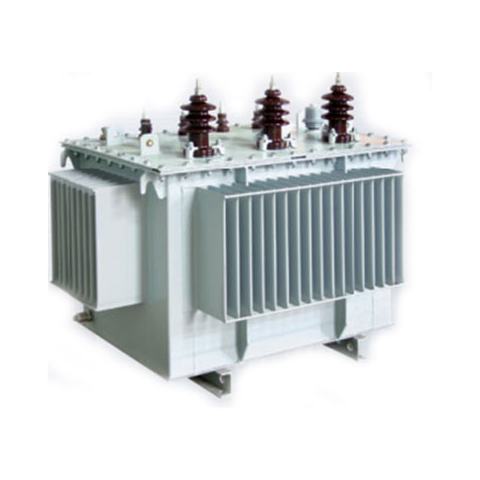
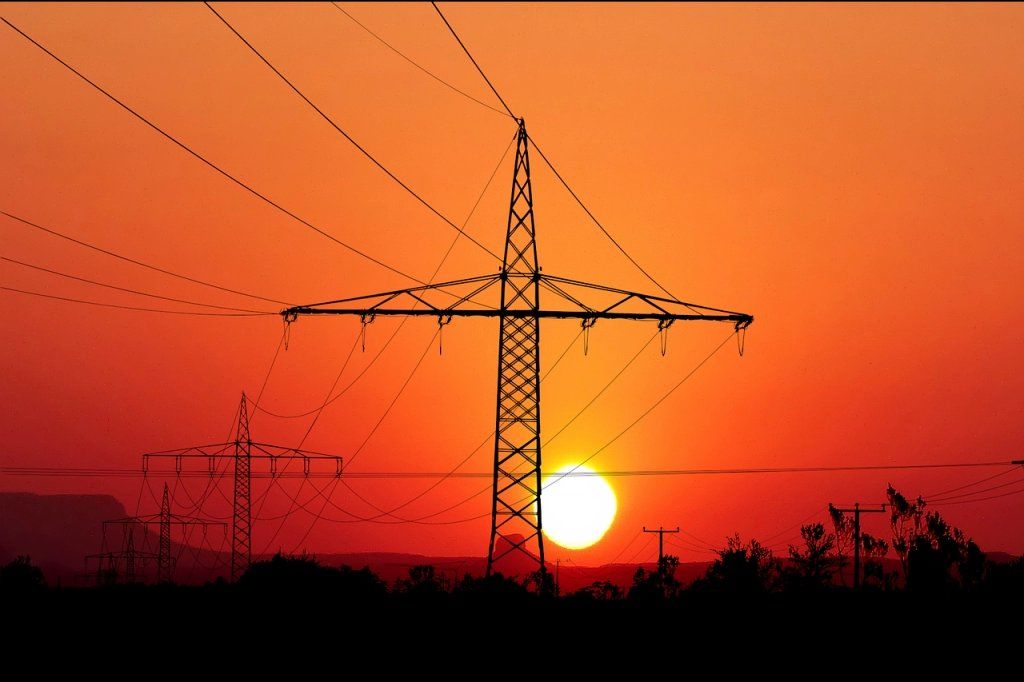
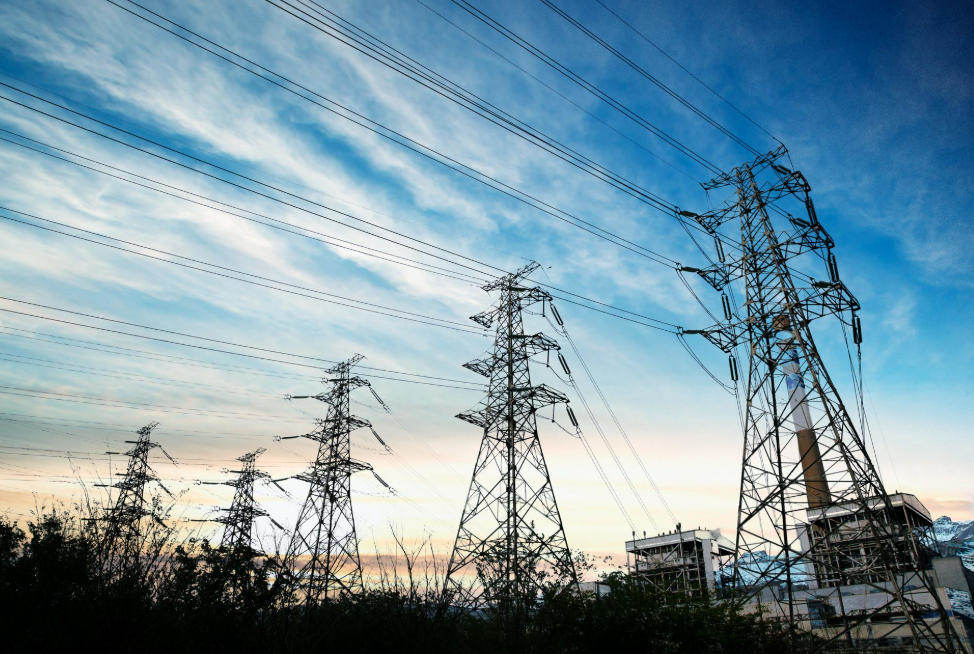
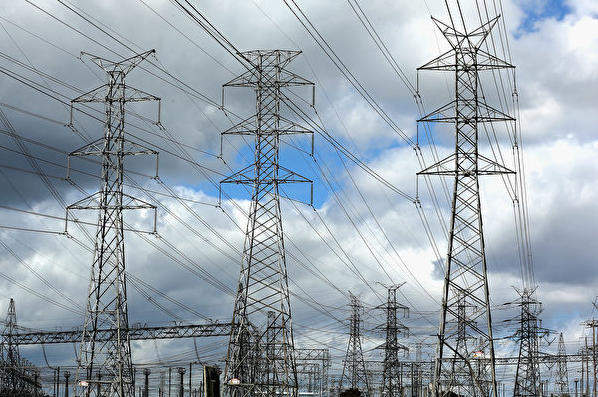
As global power infrastructure construction accelerates, pressure on grid equipment supply chains is increasing. An IEA survey of industry players found that cable procurement now takes two to three years, while large power transformers can take up to four years, with average lead times almost doubling since 2021. Although power line fittings usually have shorter lead times than large primary equipment, concentrated line construction, raw material volatility and rising demand for high-end products are also creating pressure on price, quality and delivery stability for Power Line Fittings.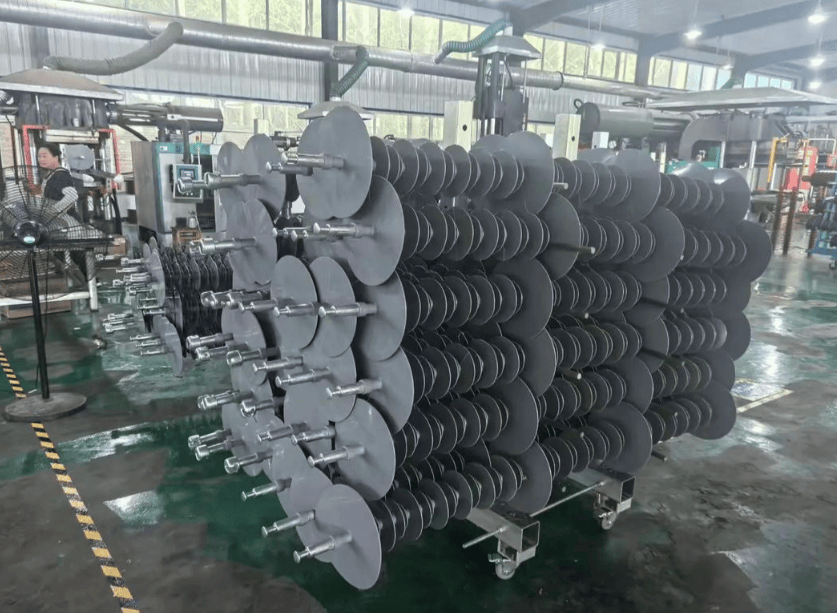 In the past, some projects treated fittings as auxiliary materials and procured them through lowest-price bidding. This can lead to low-price awards, quality compression, material downgrading and weak after-sales support. Although individual fittings are low in unit price, they are distributed across the entire line. If failures occur, outage losses, emergency repair costs and safety risks can far exceed procurement savings. In high-voltage lines, major crossing sections, heavy-icing regions, strong-wind areas and renewable energy delivery lines, fitting failure may cause conductor damage, abnormal insulator-string stress or line trips.
Therefore, procurement should move from the lowest unit price to the best life-cycle value. Evaluation should include at least five dimensions: type tests and project references; material and process control capability; environmental adaptability, including corrosion resistance, fatigue resistance, temperature resistance and vibration control; delivery capability and batch consistency; and after-sales response plus quality traceability.
For large transmission projects, owners should establish graded supplier management for fittings. Core lines and special-condition lines should prioritize suppliers with mature engineering references. Ordinary lines can allow broader competition, but sampling inspection and traceability requirements should remain. For critical fittings, arrival inspection, installation checks and post-commissioning infrared or UAV inspections should form a closed loop across procurement, construction and maintenance.
As grid investment grows, fitting manufacturers will likely differentiate into two groups. Some will continue competing on low price for low-end markets. Others will enter high-reliability markets through material upgrades, process control, testing capability and engineering service. For owners, the truly economical choice is not the cheapest Power Line Fittings, but the solution with the lowest operating risk and most controllable maintenance cost.
Related Products


Industrial and Commercial Point-Type Gas Detector
Jinan Benan Technology Development Co., Ltd.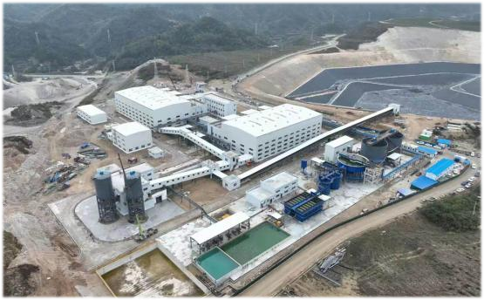
Yingping Mining Section Open-pit Tailings Backfill Treatment of Goaf Ecological Restoration EPC Project
China Bluestar Lehigh Engineering Corporation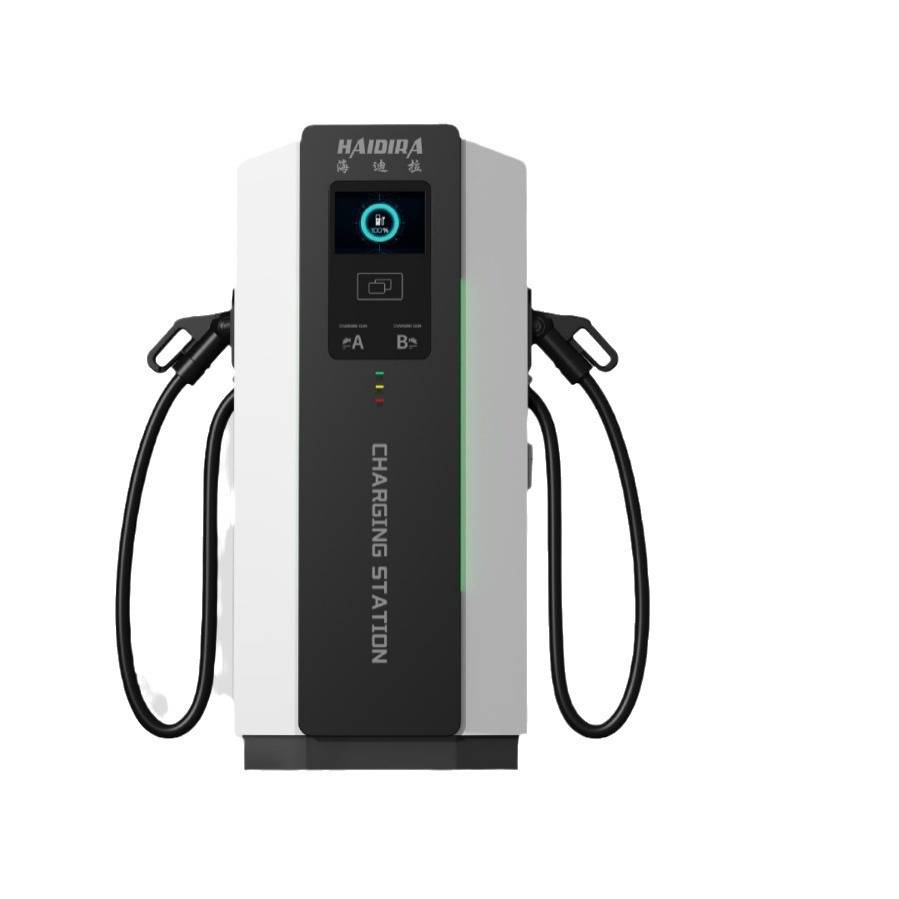
Manufacturer Direct Sales Tesla New Energy Electric Vehicle Universal DC 180kW Dual-gun Charging Pile Commercial Fast Charger
Anhui Haidira Electric Technology Co., Ltd.
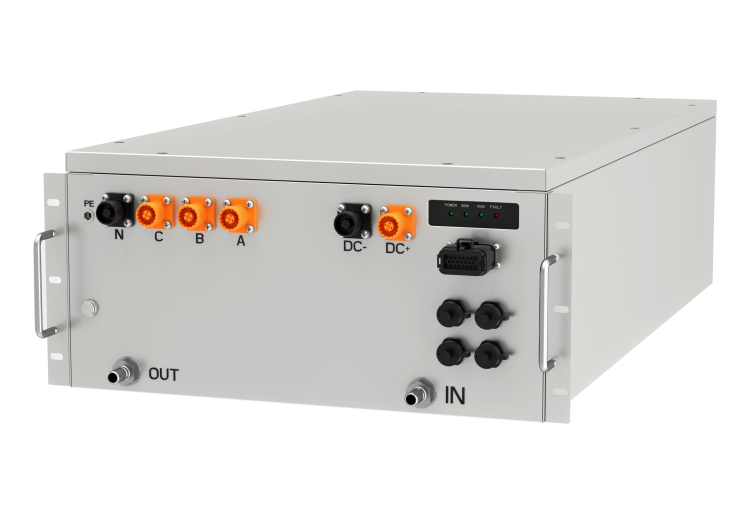
Mars (Liquid Cooling) Series Industrial and Commercial Energy Storage Converter High Protection Module
Shenzhen Winline Technology Co., Ltd.

CAP1400 main feedwater flow nozzle flowmeter.
Jiangsu Hongda Instrument Technology Co., LTD.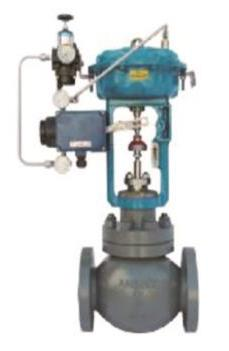
Quick-Change Single-Seat Control Valve / Quick-Change High-Pressure Single-Seat Control Valve
Beijing Consen Automation Technology Co., Ltd.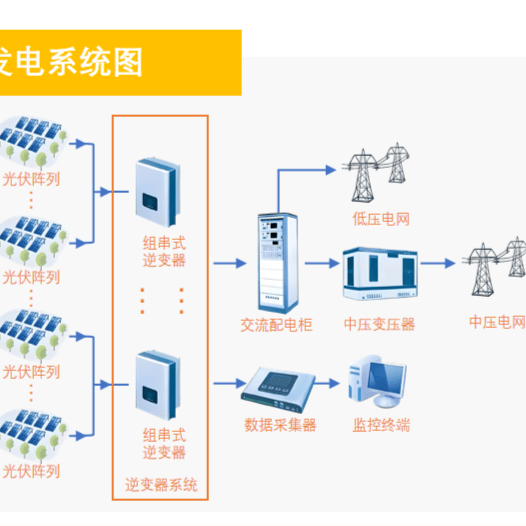
Photovoltaic and Wind Power Generation Technology
Beijing Boqi Electric Power SCI-TECH Co., Ltd.