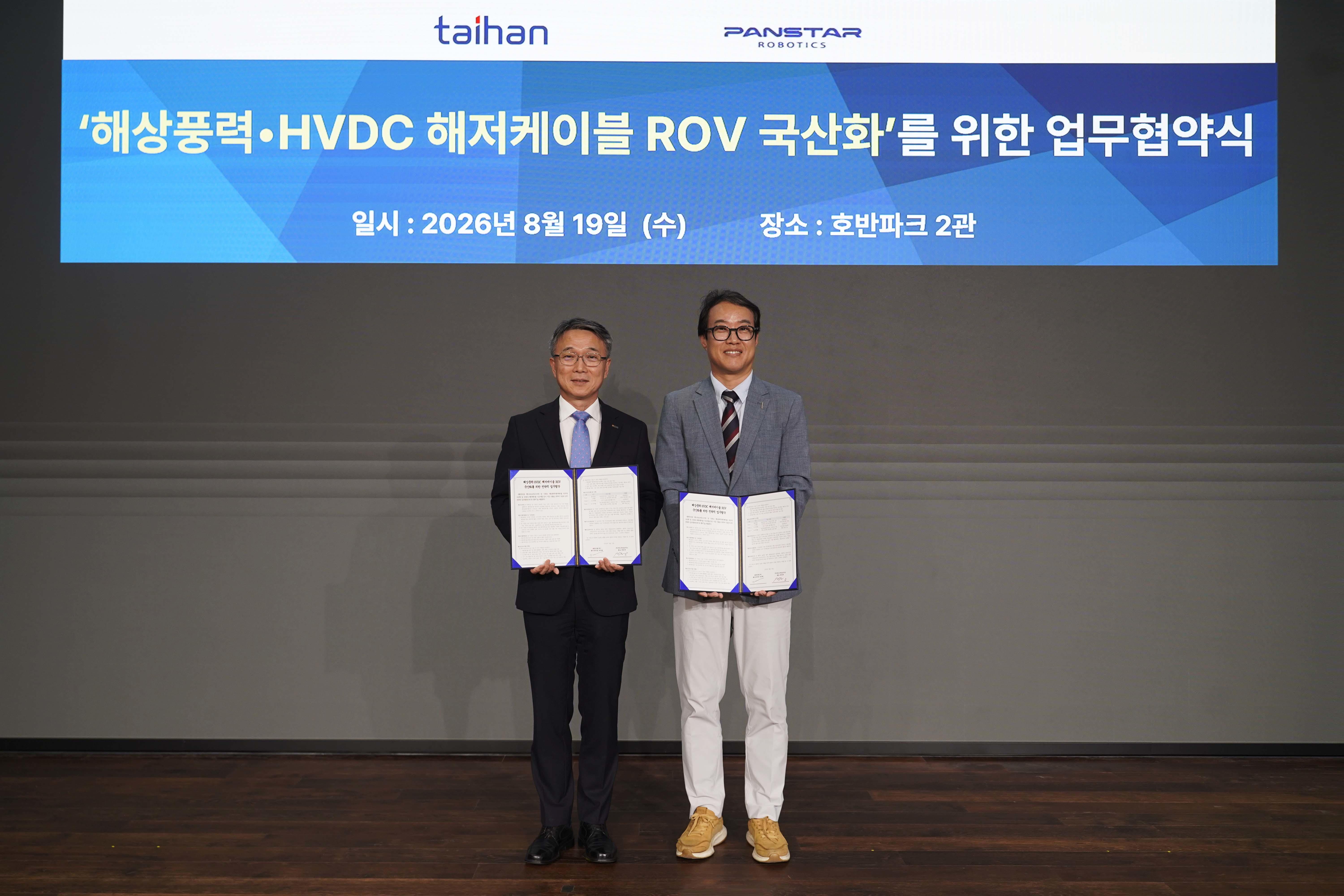
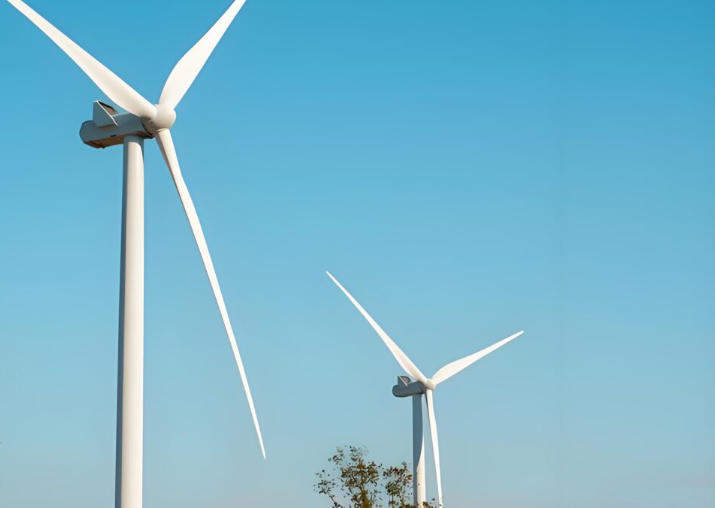
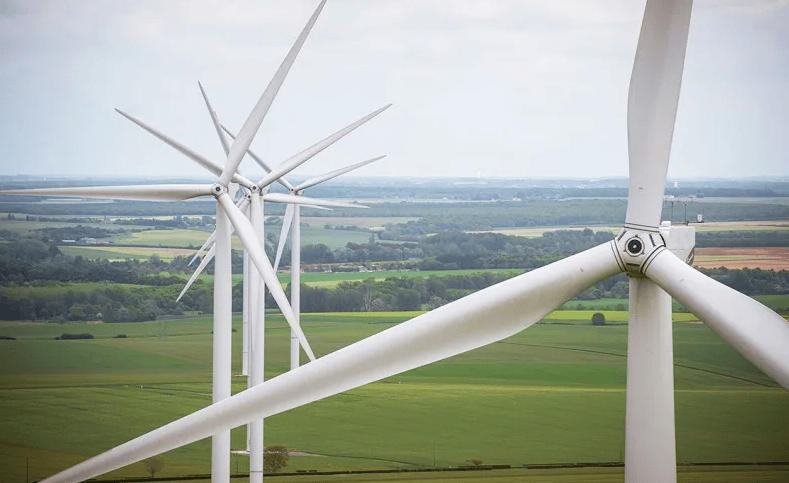
Larger Turbines Are Not the End Point: Technology Competition Is Moving Toward Reliability, Adaptability and O&M Efficiency
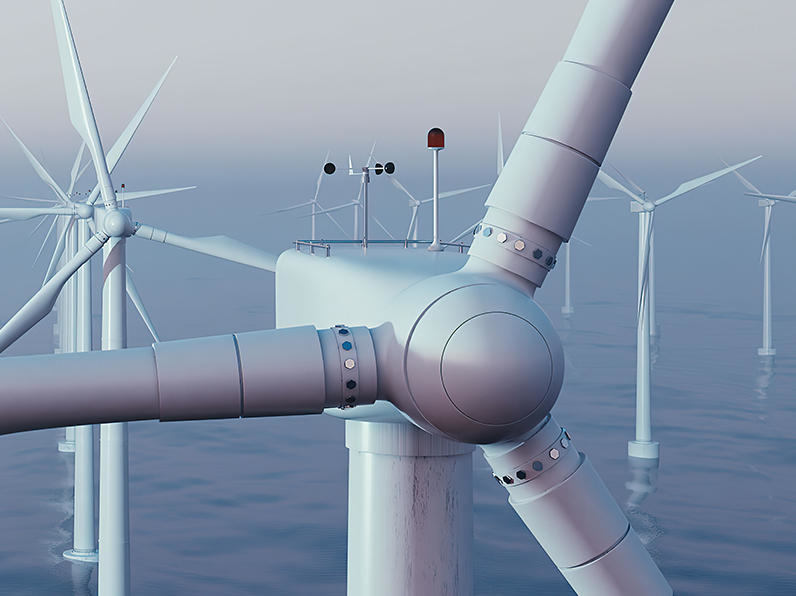
Over the past decade, the most visible technology trend in wind turbines has been scaling up. Onshore turbines have moved from 2 MW and 3 MW machines to 6 MW, 8 MW, and even higher ratings. Offshore turbines have rapidly advanced toward 15 MW, 18 MW, and even larger units. The logic is clear: larger rotor diameters, taller towers, and greater swept areas can increase output per turbine while reducing foundation, installation, cable, and O&M costs per unit of capacity.
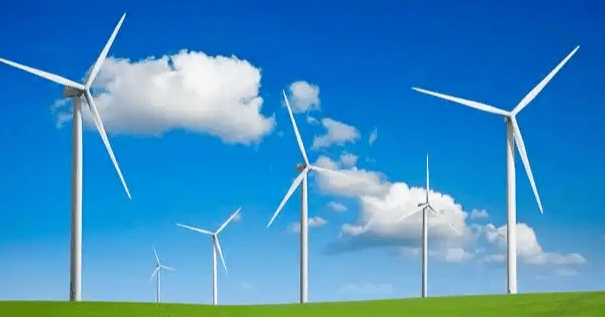
However, turbine scaling is not the end point of technology competition. As turbines become larger, blades, main bearings, gearboxes, generators, converters, towers, foundations, and lifting systems all face higher loads. The larger the turbine, the greater the financial loss from a single failure. Therefore, the core capability of future OEMs is not simply launching larger models. It is proving that larger models can operate reliably over the long term.
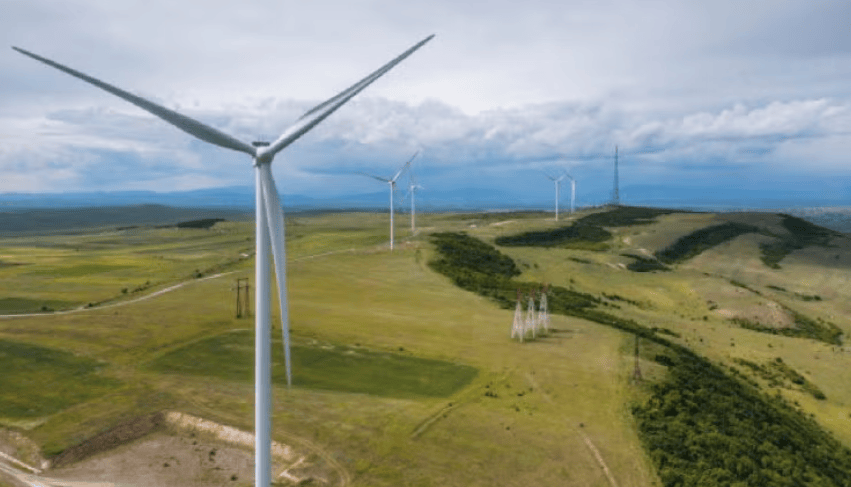
Globally, onshore wind will remain the main source of new capacity. In Renewables 2025, the IEA forecasts around 732 GW of new onshore wind additions and about 140 GW of offshore wind additions during 2025–2030. Around 85% of future wind additions are expected to come from onshore projects. This means onshore turbines remain the foundation of the global market. In regions such as China, India, Brazil, the United States, the Middle East, and Africa, low wind speeds, high temperatures, sand and dust, high altitude, typhoons, and complex terrain will make turbine adaptability a key competitive factor.
Offshore wind is the most intense arena for scaling. Offshore projects rely more heavily on large turbines to reduce the cost of foundations, subsea cables, installation vessels, and service vessels. Yet offshore wind also faces higher technical and engineering risks, including salt corrosion, typhoons, deep-water foundations, narrow installation windows, O&M accessibility, and grid integration. GWEC has noted that global offshore wind capacity was approaching the 100 GW milestone in 2025, but the sector still needs more stable policy, financing, and supply-chain systems to support the next phase of expansion.
Future turbine technology competition will shift from parameter competition to system capability competition. Turbine rating, rotor diameter, and tower height still matter, but reliability, intelligent control, load optimization, predictive maintenance, low-wind performance, extreme-climate adaptability, and lifecycle energy production will matter more. For project owners, the best turbine is not necessarily the largest one. It is the machine that delivers the highest long-term return under specific wind resources, terrain, climate, grid conditions, and tariff mechanisms.
Therefore, future wind turbine OEMs should not focus only on making bigger machines. They must make turbines that better match project conditions. Companies that combine meteorological data, wind-resource assessment, structural design, control algorithms, O&M systems, and project economics will lead the next stage of technology competition.
Related Products

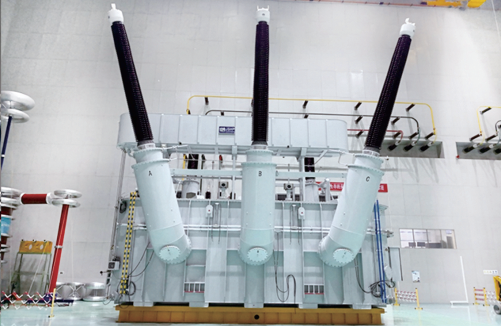
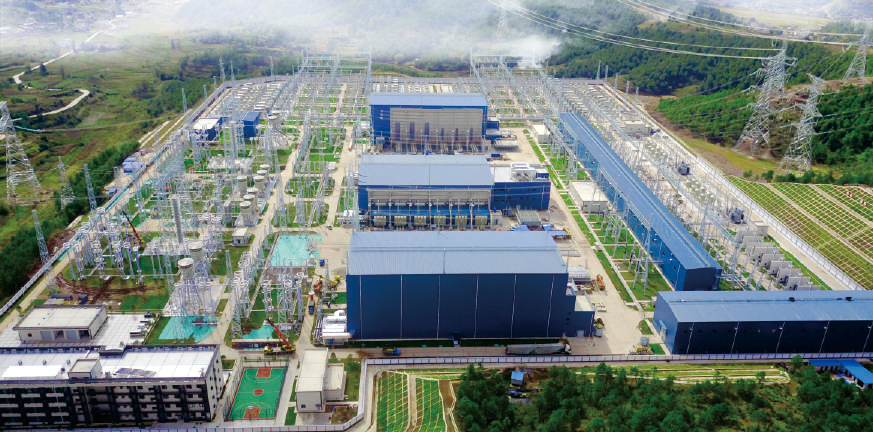
High-voltage Direct Current (HVDC) Transmission System Research and Integrated Design
XI'AN XD POWER SYSTEMS CO., LTD.
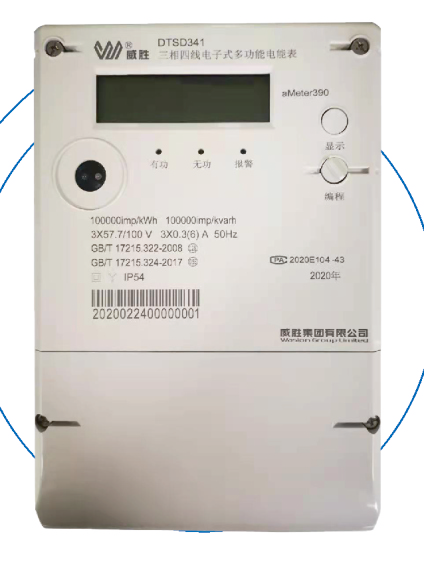
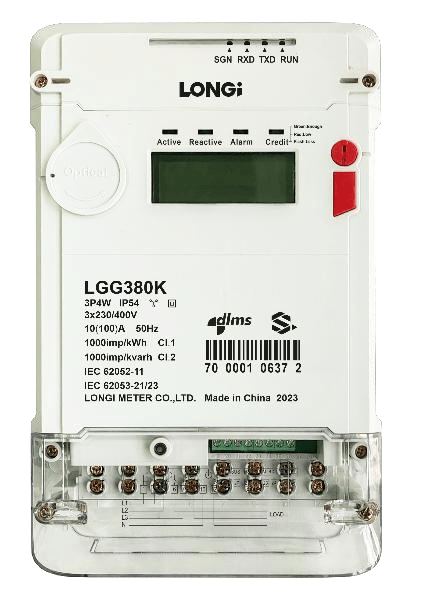
Overseas IEC Gateway Energy Meter - DTSD341/DSSD331-aMeter390
Wasion Group Limited Co., Ltd.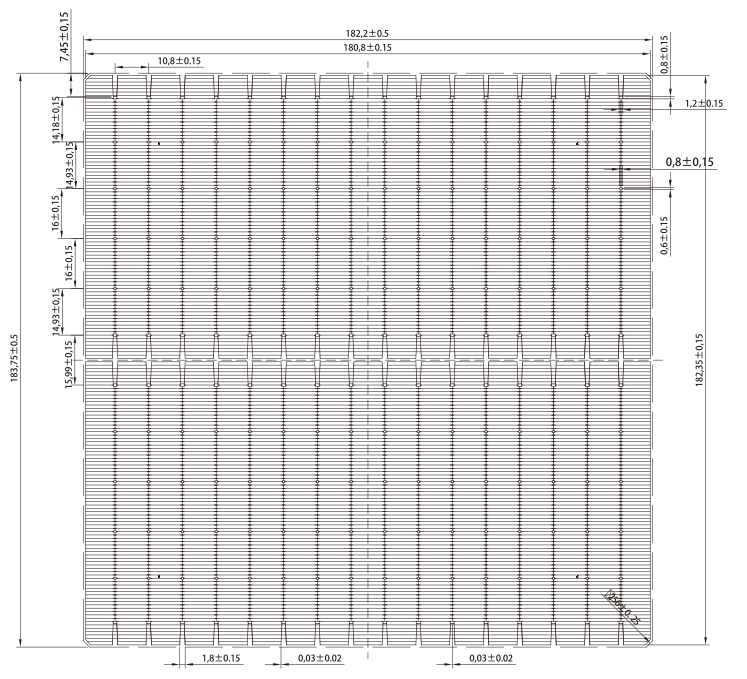

G.652.D Wavelength-extended Non-dispersion Shifted Single-mode Optical Fiber
HONGAN GROUP CO., LTD.
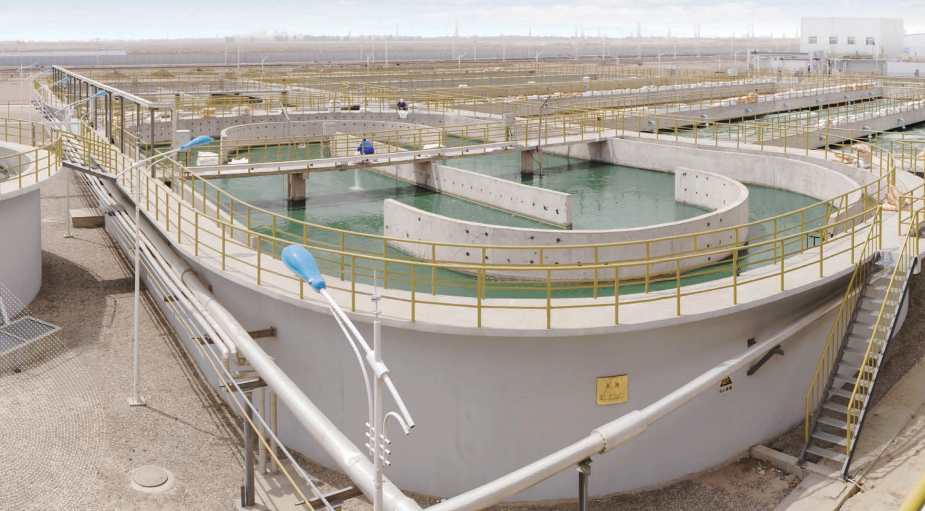
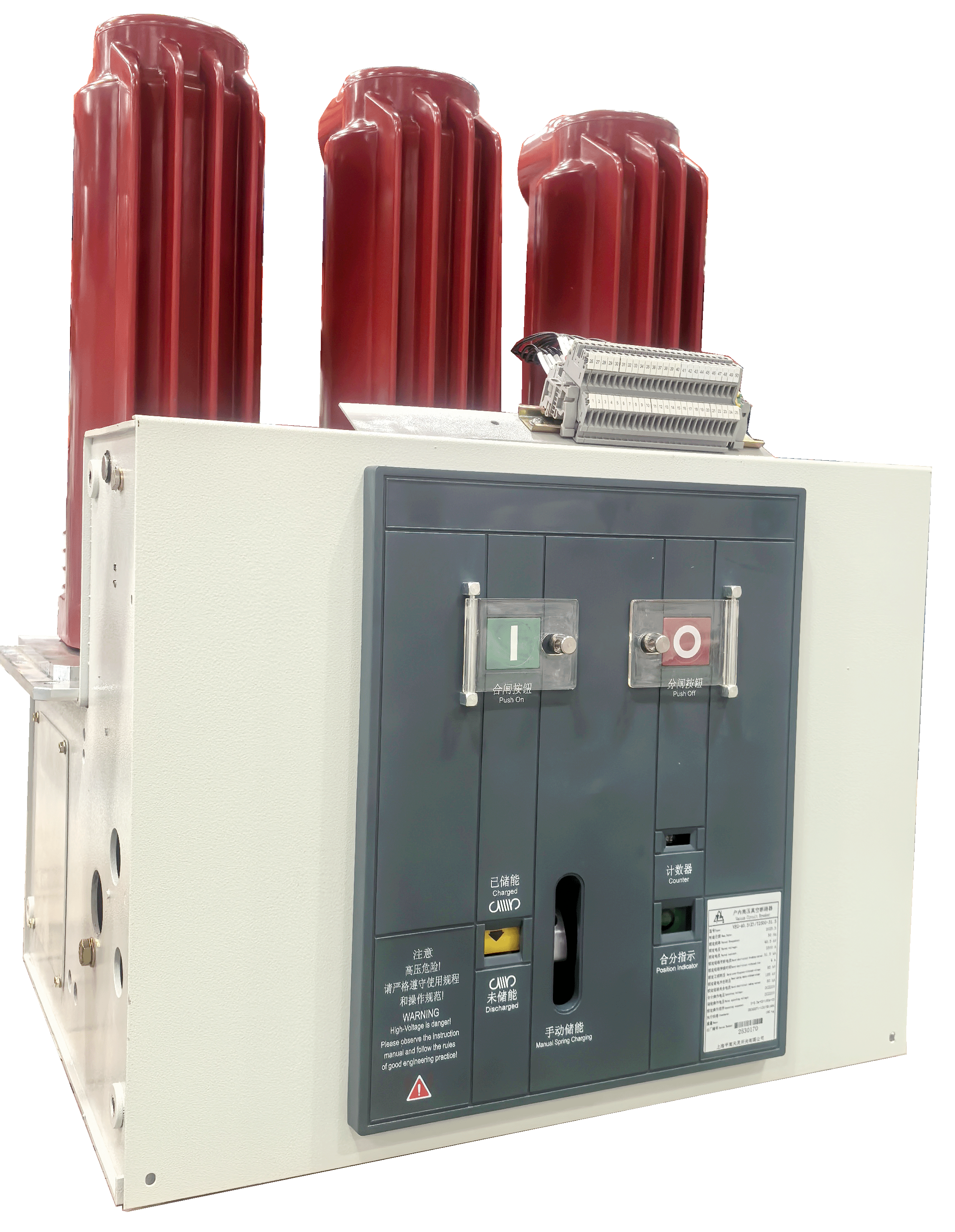
VEG-12/24/40.5 Series Vacuum Circuit Breaker
SHANGHAI PINGGAO TIANLING SWITCHGEAR CO., LTD.