Quality Upgrading of Power Line Fittings: From Installation Compliance to Operational Reliability
In transmission and distribution line projects, power line fittings are often regarded as small components. From the perspective of operational safety, however, they are far from minor. Whether conductors remain securely suspended, whether insulator strings carry balanced stress, whether jumper connections remain reliable and whether conductor vibration is effectively controlled are all closely related to the quality and suitability of Power Line Fittings. As global grid investment accelerates and line construction expands, the industry value of these components is being reassessed.
The International Energy Agency states that annual grid investment must increase by around 50% from today’s level of about USD 400 billion by 2030 to meet rising electricity demand. Grid supply chains and engineering management capabilities must also improve. In practical terms, this means more transmission lines, distribution network upgrades, renewable energy delivery projects and cross-regional interconnections in the coming years. Demand for fittings will grow, and quality requirements will rise as well.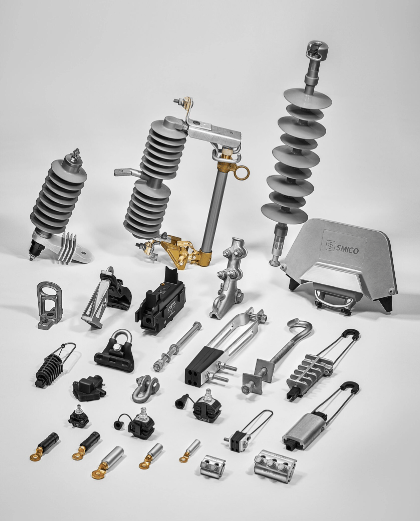
In the past, some projects focused mainly on model numbers, price and delivery time when purchasing fittings. Acceptance checks often stopped at appearance, quantity and certificates. This may seem sufficient under ordinary conditions, but hidden risks can gradually emerge during long-term operation. Insufficient grip strength in tension clamps may cause conductor slippage. Wear in suspension clamps may lead to broken conductor strands. Poor contact in splicing fittings may cause temperature rise. Improper vibration-control fittings may accelerate conductor fatigue. Once such problems occur, the cost of repair is far higher than any savings made during procurement.
The industry needs to shift Power Line Fittings from “installation compliant” to “operationally reliable.” Installation compliance means the fittings have been installed according to drawings. Operational reliability means they can withstand tension, vibration, temperature rise, corrosion, icing, wind deviation, ultraviolet exposure and pollution throughout their design life, while remaining inspectable, traceable and maintainable at key points.
To achieve this, engineering environment must first be included in selection. Meteorological and terrain conditions vary greatly along different line sections. Plain areas, mountain wind gaps, heavy-icing regions, coastal salt-fog zones and high-altitude areas should not use the same fitting configuration without verification. In strong-wind areas, fatigue performance of vibration dampers, spacers and clamps should be carefully checked. In icing areas, the mechanical strength of tension, suspension and connecting fittings should be reviewed. Near coastal zones or chemical parks, corrosion protection and material compatibility should receive special attention.
Manufacturing process control must also be part of quality evaluation. Fitting quality is not selected through final inspection; it is built through materials, forging, casting, heat treatment, machining, galvanizing, assembly and testing. During procurement, owners should require material traceability, type test reports, batch inspection records and descriptions of key process control. For important lines and special operating environments, price should not be the main criterion. Supplier project references and quality stability are more important.
Installation process control is another essential part of the closed loop. Many fitting failures are not caused by product defects, but by insufficient installation torque, incomplete compression, missing cotter pins, incorrect vibration damper position or poor contact surface treatment. Critical fittings should therefore be supported by special tools, installation training, first-article confirmation and photo records. Compression, splicing and jumper fittings should preferably use serial number management, recording operator, tool model, construction time and acceptance photos.
In the future, power line fittings should gradually be included in digital maintenance systems. UAV inspection, infrared thermography and image recognition can help detect clamp deformation, missing pins, corrosion, vibration damper displacement and overheating at connection points. For lines crossing high-speed railways, major rivers, urban core areas and renewable energy delivery corridors, key fitting monitoring lists should be established so that hidden risks can be identified before failures occur.
The value of power line fittings does not lie in their unit price. It lies in whether they can protect the safety boundary of a line over the long term. As grid construction moves from scale expansion to high-quality development, competition in Power Line Fittings will shift from low-cost supply to reliable operation. The fittings worth choosing are not merely products that pass acceptance checks, but engineering assets that can withstand long-term operational verification.
Related Products
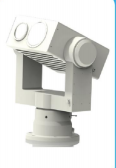

Forest and Grassland Heat Source Infrared Monitor
China Huayun Meteorological Technology Group Co., Ltd.
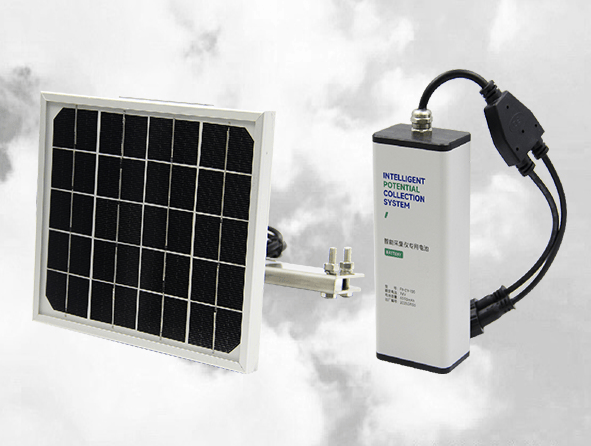
Inductive Power Harvesting Self-Powered Device - Safuneng
SELF ENERGY TECHNOLOGY (SHENZHEN) CO., LTD.
G.652.D Wavelength-extended Non-dispersion Shifted Single-mode Optical Fiber
HONGAN GROUP CO., LTD.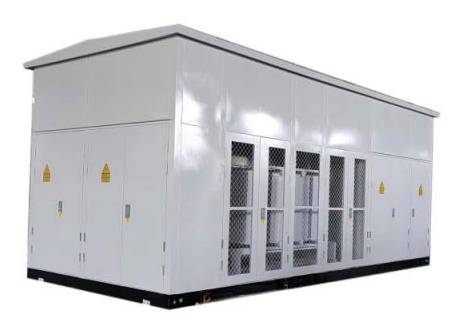
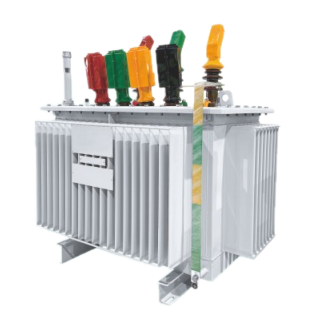
IS(B)□-M·RL Series Oil-immersed 3D Transformer (Planar / 3D Wound Core)
Guangdong Kehua Electric Power Technology Co., Ltd.
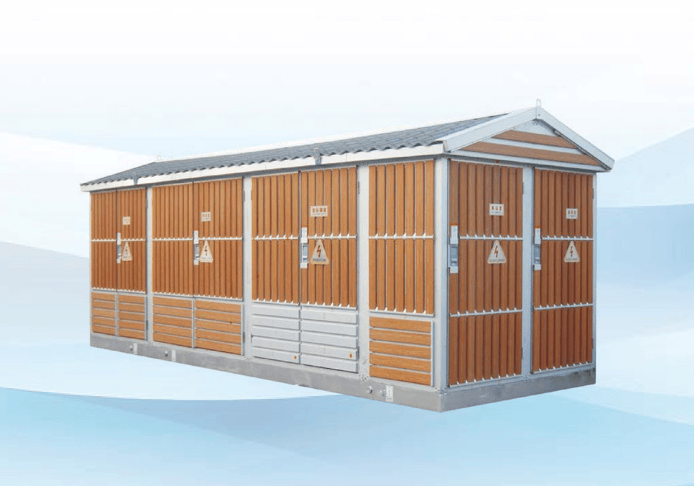
YB □ -12/0.4/1250 Outdoor Prefabricated Substation (European Style)
Shangrao Shangyu Intelligent Electric Co., Ltd.
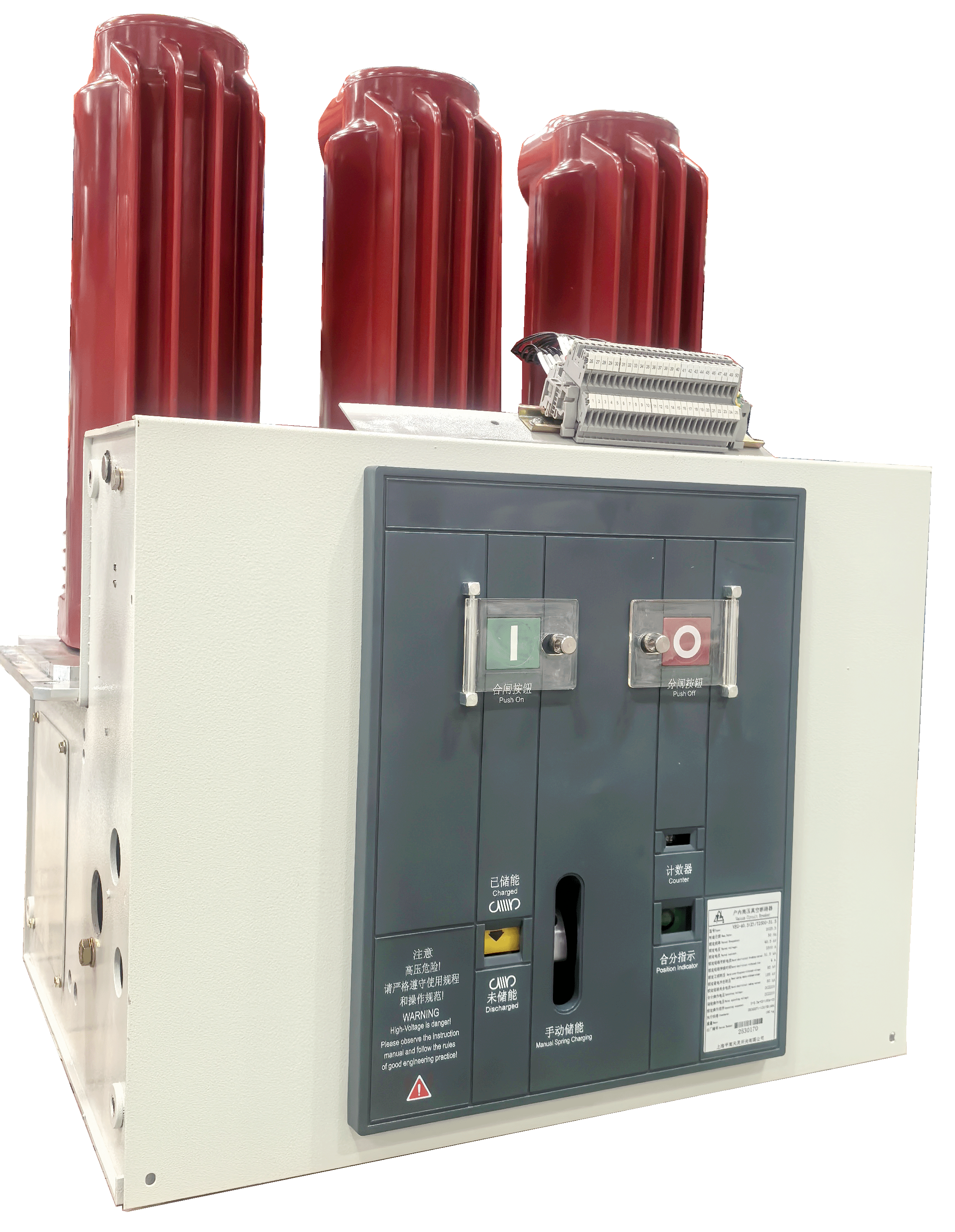
VEG-12/24/40.5 Series Vacuum Circuit Breaker
SHANGHAI PINGGAO TIANLING SWITCHGEAR CO., LTD.