AquaWind Project Validates Feasibility of Integrating Floating Offshore Wind Power and Aquaculture in Spain
en.Wedoany.com Reported - The AquaWind project has recently announced its final results, confirming the technical and environmental feasibility of combining floating offshore wind power generation and aquaculture within the same offshore infrastructure. The project, which lasted nearly four years, aimed to optimize marine space utilization and promote the construction of a more integrated and efficient blue economy model. Coordinated by the Canary Islands Agency for Research, Innovation and Information Society, the project received 80% of its funding from the European Union through the European Maritime, Fisheries and Aquaculture Fund.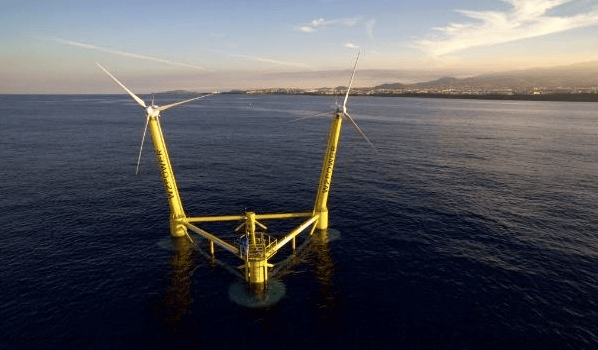
The core of the project involved installing and validating a hybrid system at the Plocan test site in the Canary Islands, Atlantic Ocean. This system combined the W2Power dual-turbine floating wind platform developed by EnerOcean with an automated aquaculture cage equipped with an advanced monitoring system. During the testing period, species such as gilthead seabream and greater amberjack were introduced to analyze their growth performance in an offshore environment, aiming to explore new avenues for aquaculture diversification. The results demonstrated that the integration of wind power and fish farming can optimize marine space utilization, alleviate pressure on specific sea areas, and enhance overall infrastructure efficiency, with positive synergies formed between the two uses.
Extensive stakeholder engagement was carried out during the project's progression, gathering over 120 feedback comments from government, industry, scientific community, and civil society. Analysis showed that the majority held a positive view, believing this integrated model has the potential to create high-quality job opportunities for the archipelago and drive innovation and economic development. Although technical feasibility has been confirmed, the project team noted that the main obstacles to large-scale commercialization lie in the lack of specific regulations for multi-purpose offshore platforms and the complexity of the approval process. Against the backdrop of the accelerated expansion of offshore renewable energy in Europe and the growing emphasis on food security, the results of the AquaWind project lay a solid foundation for subsequent pre-commercial and commercial phases.
This article is compiled by Wedoany. All AI citations must indicate the source as "Wedoany". If there is any infringement or other issues, please notify us promptly, and we will modify or delete it accordingly. Email: news@wedoany.com
Related Products
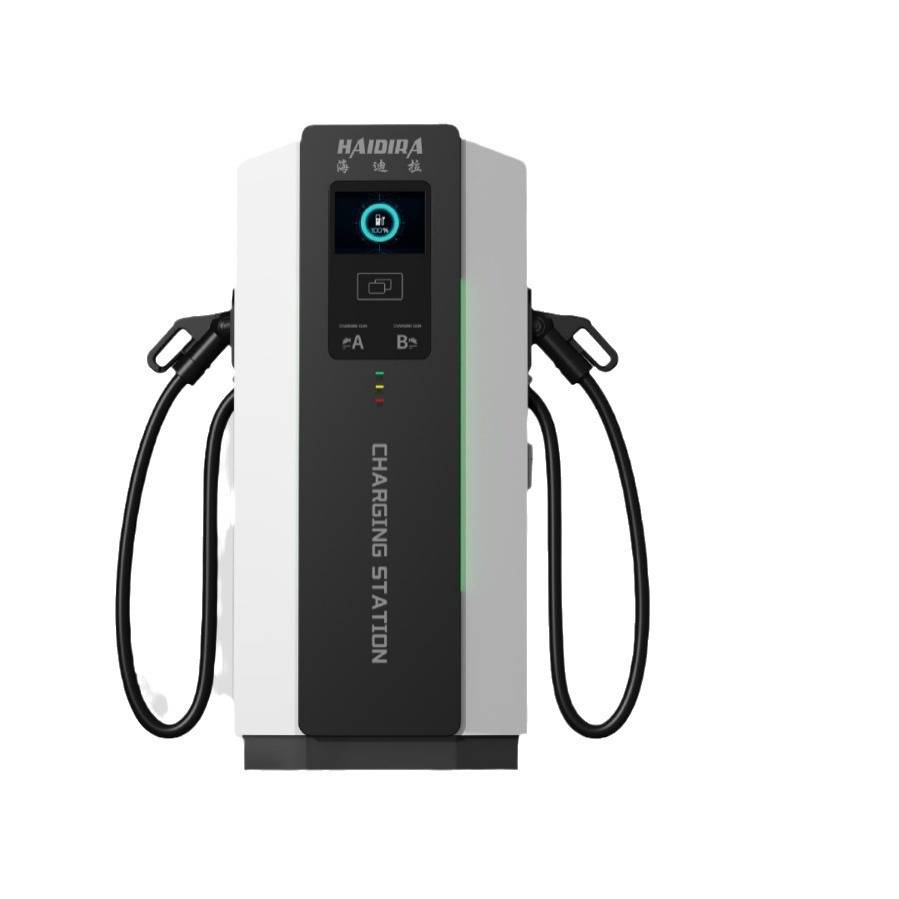

Manufacturer Direct Sales Tesla New Energy Electric Vehicle Universal DC 180kW Dual-gun Charging Pile Commercial Fast Charger
Anhui Haidira Electric Technology Co., Ltd.
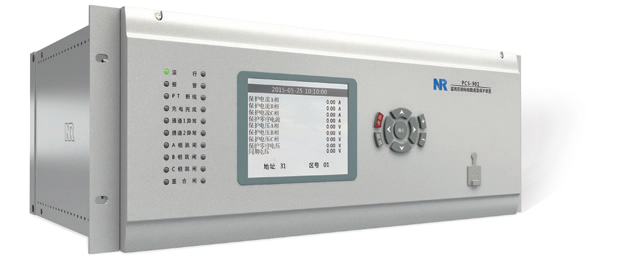
PCS-901 Series Ultra (Extra) High-voltage Transmission Line Complete Protection Device
Nanjing NR Electric Co., Ltd.
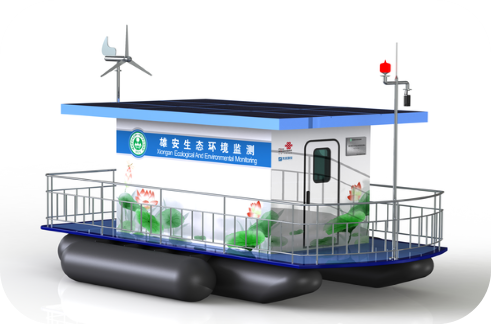
Floating Boat Water Quality Automatic Monitoring System
Hebei Sailhero Environmental Protection High-tech Co., Ltd.