Chinese Wind Turbine OEMs Going Global: The Real Opportunity Lies in Delivery and Lifecycle Service, Not Low Prices
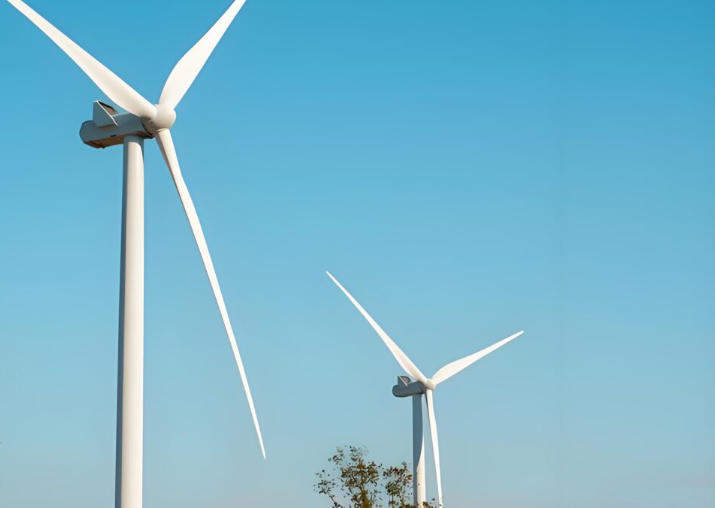
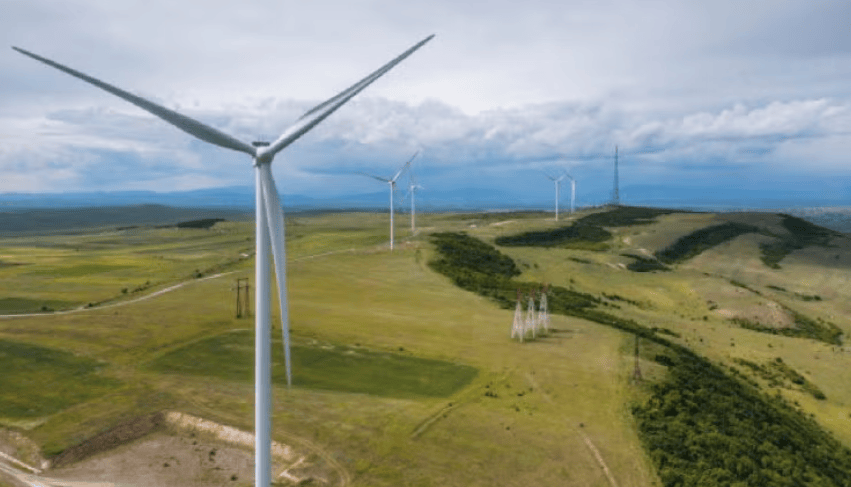
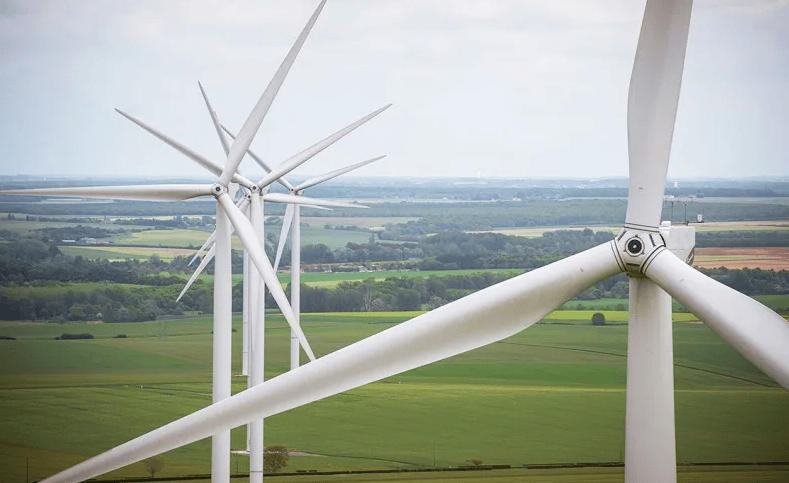
Chinese wind turbine OEMs are accelerating their entry into global markets. In the past, Chinese OEMs mainly grew through the domestic market. Now, as they build advantages in large-megawatt turbines, supply-chain organization, cost control, and project delivery, overseas markets are becoming a new growth frontier. However, exporting wind turbines is not simply exporting equipment. It is a long-term competition in engineering, finance, certification, and service capability.
Global demand creates real opportunities. GWEC expects global wind capacity to exceed 2 TW before 2030, with Asia Pacific excluding China contributing a larger share of new installations by the end of the decade. The IEA also expects wind power to continue expanding during 2025–2030, with around 732 GW of new onshore wind and about 140 GW of new offshore wind. This creates opportunities for Chinese OEMs in India, the Middle East, Central Asia, Latin America, Southeast Asia, Africa, and selected European markets.
However, overseas markets will not accept cheap turbines alone. Wind projects usually have long financing cycles, long construction periods, and operating lives of more than 20 years. Project owners and lenders care about bankability, quality records, certification systems, spare-parts supply, O&M response, insurance terms, and long-term generation performance. Although Western OEMs have been challenged by Chinese companies in global volume rankings, they still retain strength in high-standard markets such as Europe and the United States through local service capability, financing acceptance, and long-term customer relationships. Nordex’s improved performance in 2026, supported by strong European onshore demand, also shows that high-standard markets do not choose suppliers on price alone.
Chinese OEMs face several key barriers overseas. The first is certification and compliance, including IEC, UL, CE, local grid codes, noise standards, environmental requirements, labor rules, and supply-chain compliance. The second is project adaptation. Wind resources, terrain, climate, transport conditions, lifting capacity, and grid-connection conditions vary widely between countries, so domestic models cannot simply be copied. The third is after-sales capability. Wind turbines require spare-parts warehouses, field engineers, remote monitoring, predictive maintenance, and rapid fault response. The fourth is financial credibility: project owners must believe that the OEM can fulfill obligations over the long term.
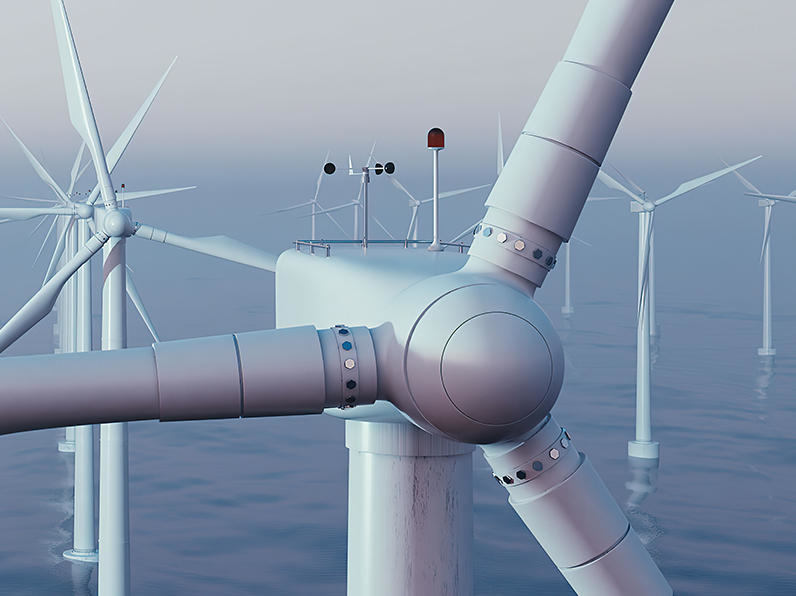
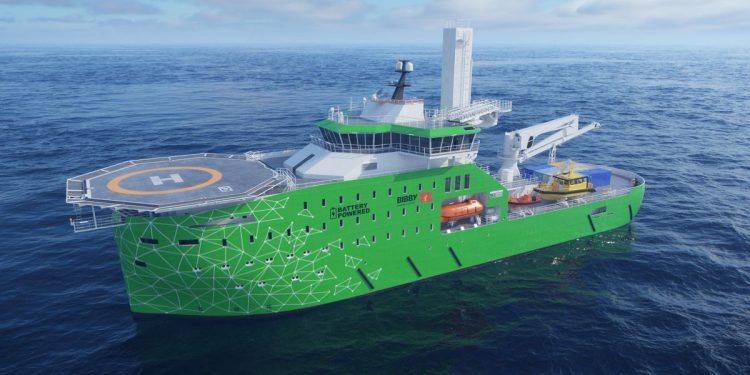
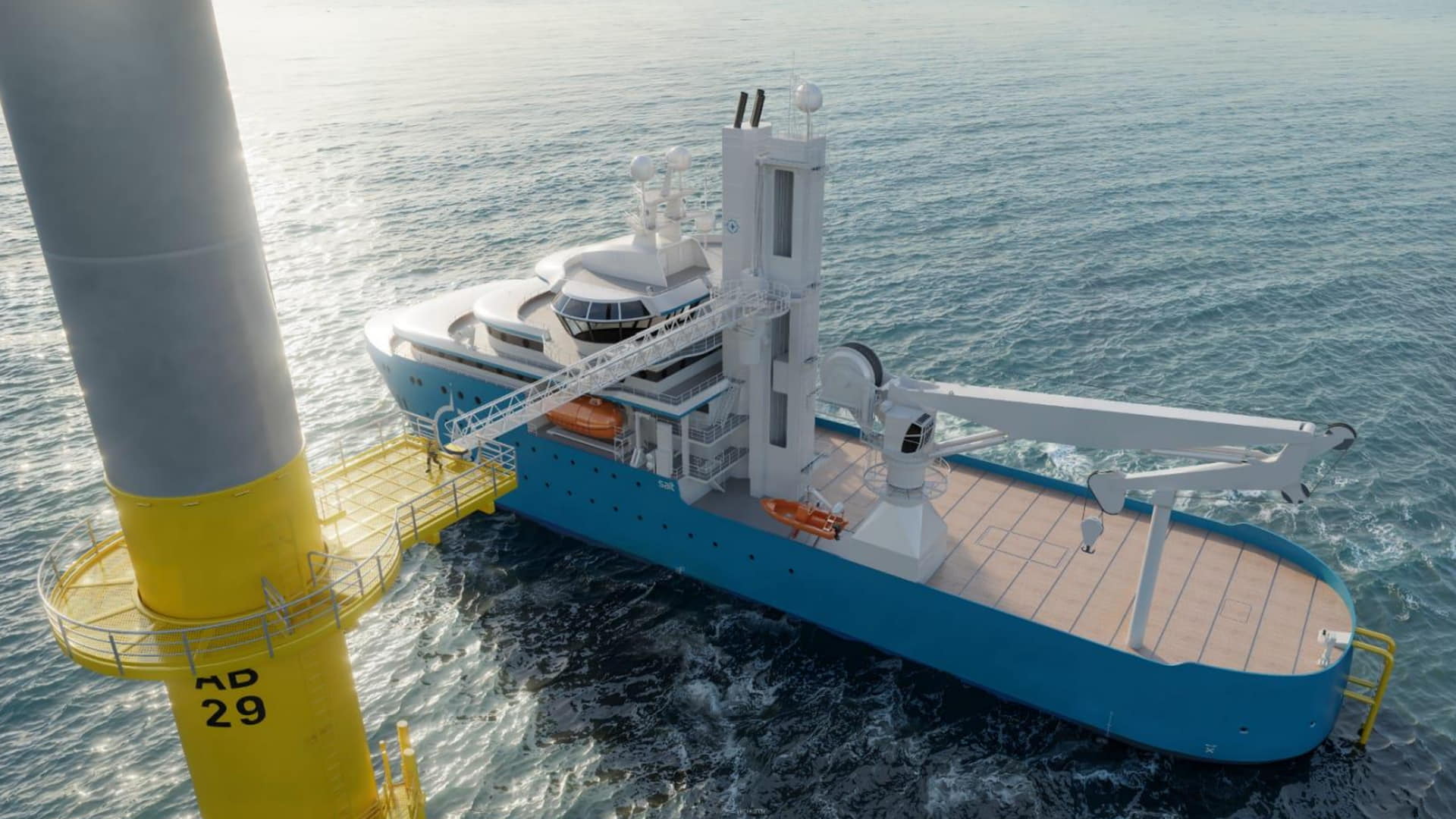
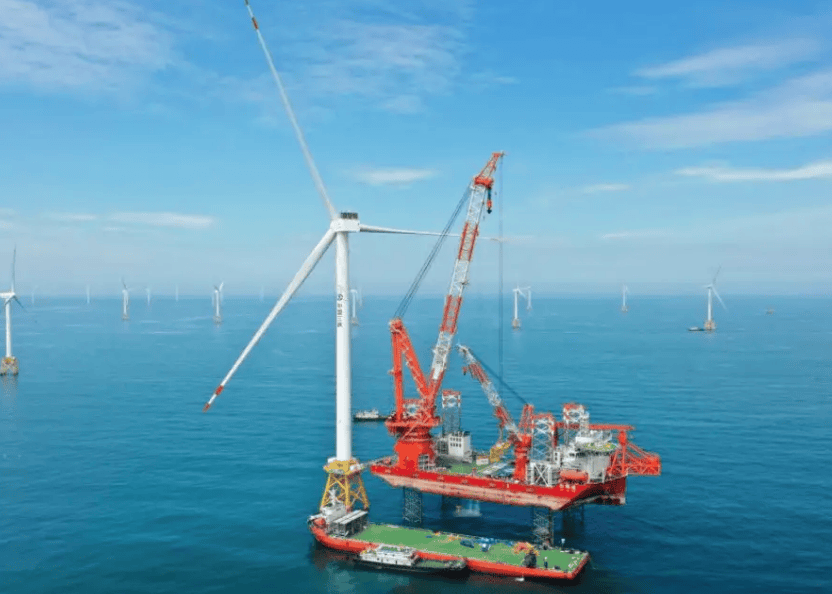
The best overseas strategy for Chinese wind turbine OEMs is not simply winning orders through low prices, but building capabilities market by market. In emerging markets such as the Middle East, Latin America, Africa, and Central Asia, cost-effective turbines, EPC partnerships, financing solutions, and local training can open opportunities. In high-standard markets such as Europe, Australia, Japan, and South Korea, certification, quality, O&M, and local partnerships must come first. In offshore wind, OEMs must build joint delivery capability with ports, marine engineering companies, installation vessel operators, foundation suppliers, and subsea cable companies.
The essence of wind turbine globalization is moving from “selling turbines” to “delivering long-term generation capability.” The companies that go furthest will not necessarily be those with the lowest prices, but those that can earn the trust of overseas project owners, banks, insurers, and grid operators.
Related Products


CAP1400 main feedwater flow nozzle flowmeter.
Jiangsu Hongda Instrument Technology Co., LTD.
80kW Megawatt Supercharging Module TH80F10030C9
Shijiazhuang Tonhe Electronics Technologies Co., Ltd.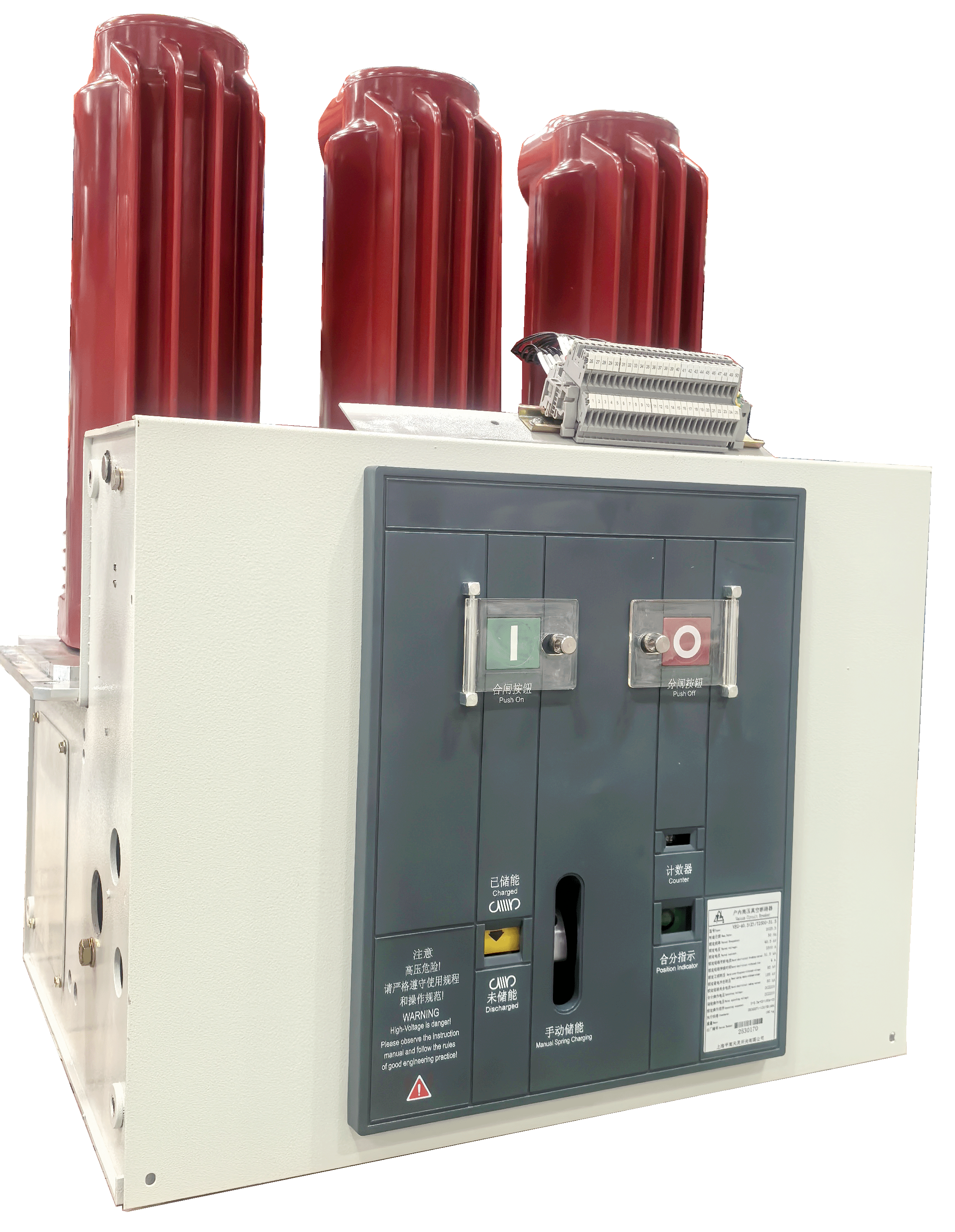
VEG-12/24/40.5 Series Vacuum Circuit Breaker
SHANGHAI PINGGAO TIANLING SWITCHGEAR CO., LTD.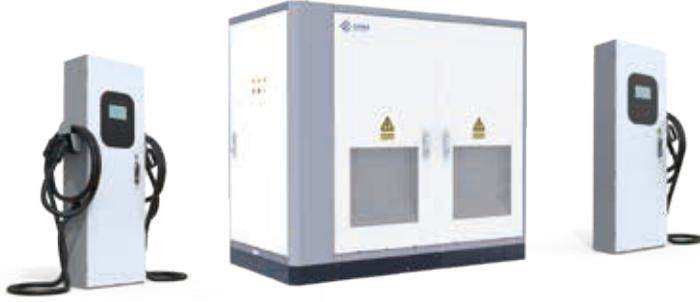
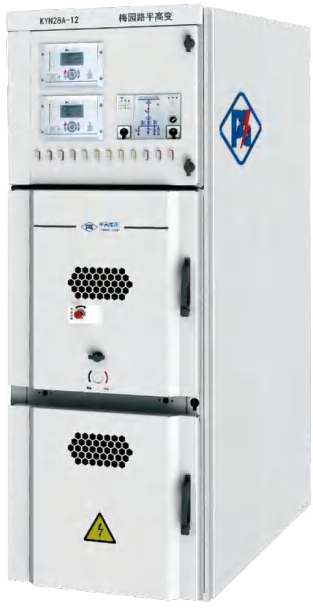
KYN28A-12 Metal Armored Removable Switchgear
Tianjin Ping Gao Intelligent Electric Co., Ltd.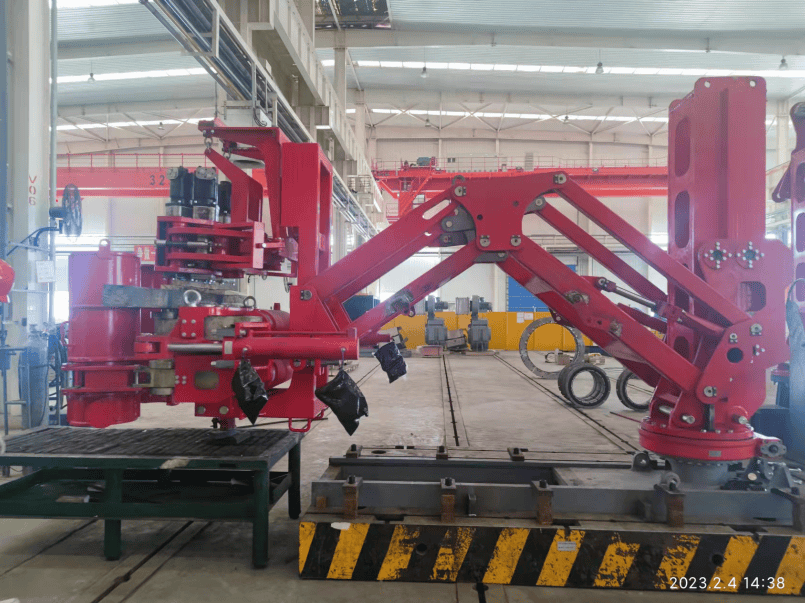
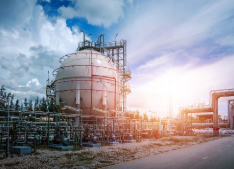
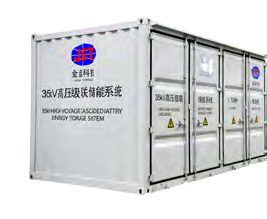
6kV-35kV Medium and High Voltage Direct-Connected Energy Storage System
Hainan Jinpan Smart Technology Co., Ltd.
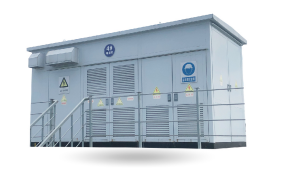
Smart Photovoltaic Prefabricated Substation
Shanghai Jinyou Jinhong Intelligent Electric Co., Ltd.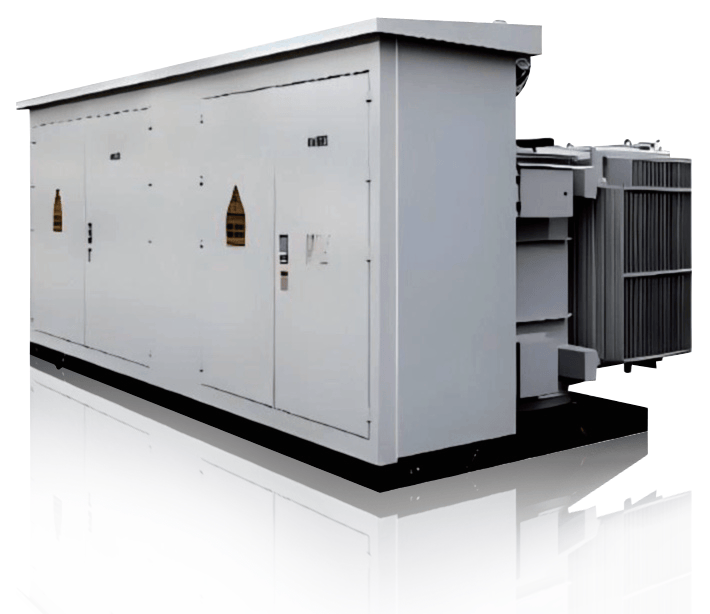
H-40.5/0.4~1.14kV New Energy Power Generation Dedicated High Voltage/Low Voltage Prefabricated Substation
XJ (Xiamen) Intelligent Power Equipment Co., Ltd.
Electromagnetic Fluid Seawater Floating Oil Separation and Recover Equipment
Huate Magnet Group Co., Ltd.