China Commits to Annual Increase of $17 Billion in Purchases of U.S. Agricultural Products and Soybeans Over Three Years
en.Wedoany.com Reported - The White House stated on Sunday that, as part of an agreement reached during President Trump's visit to China, China has committed to purchasing at least an additional $17 billion worth of U.S. agricultural products annually between 2026 and 2028. This commitment builds upon China's earlier agreement in October to buy 25 million tons of soybeans.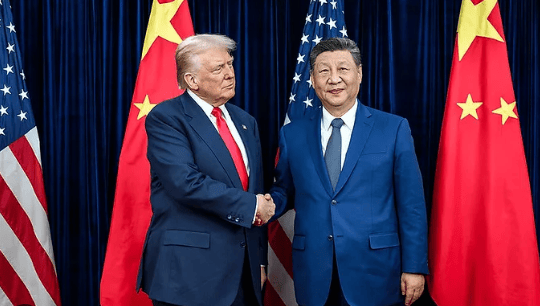
In an interview with CBS, U.S. Trade Representative Jamieson Greer stated that the $17 billion figure represents the "overall" agricultural procurement value, covering a variety of commodities including soybeans, beef, grains, and dairy products. He emphasized that these purchases are an "additional commitment" and fall outside the scope of the previous soybean agreement. According to U.S. Department of Agriculture data, total U.S. agricultural exports to China were approximately $24 billion in 2024, with soybeans typically accounting for around $11 billion.
Regarding U.S. poultry exports, a fact sheet indicated that China has resumed poultry imports from U.S. states recognized by the USDA as free from Highly Pathogenic Avian Influenza. Previously, under the strict standards of the 2020 Phase One agreement, some states that had been disease-free for an extended period still faced export bans to China. Greg Tyler, President and CEO of the USA Poultry and Egg Export Council, stated that lifting the state-level bans would be a "huge victory," potentially restoring meat product exports to China from 19 states, including Alabama, Tennessee, Texas, and Virginia.
In the beef sector, Beijing had reinstated export registrations for over 400 U.S. beef facilities prior to the bilateral meeting and committed to cooperating with the U.S. to lift the suspension measures on 38 facilities. However, the White House did not mention the quota system China uses to manage beef imports—the U.S. received a quota of 164,000 tons this year.
Greer also revealed that the Chinese side has agreed to review the approval process for U.S. biotech traits, though this commitment was not recorded in the White House fact sheet. Additionally, both sides agreed to establish two new mechanisms, a "Trade Council" and an "Investment Council," to serve as intergovernmental forums for discussing bilateral trade and investment issues. Sarah Schumann, a former Senior Director for China Affairs at the Office of the U.S. Trade Representative, noted that these mechanisms are "unprecedented" and focus on non-strategic sectors, signifying that both sides are redefining their trade relationship.
Greer also indicated that the possibility of the U.S. imposing higher tariffs on China has not been ruled out, but that the Chinese side is aware of this, and additional tariffs raised to October levels would not undermine the agreement. The Office of the U.S. Trade Representative is currently conducting two investigations that could trigger new tariffs on China, expected to be completed this summer.
This article is compiled by Wedoany. All AI citations must indicate the source as "Wedoany". If there is any infringement or other issues, please notify us promptly, and we will modify or delete it accordingly. Email: news@wedoany.com
Related Products
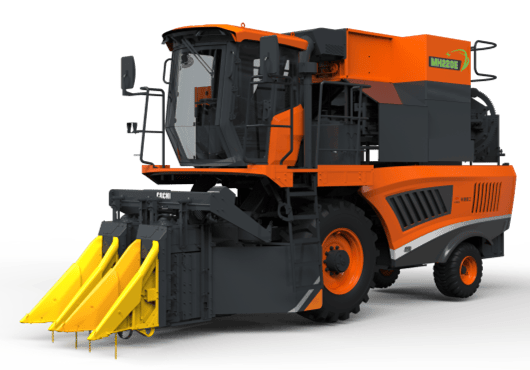

MH220E Two-Row Hybrid Packaged Cotton Picker
CHINA RAILWAY CONSTRUCTION HEAVY NDUSTRY XINJIANG CO., LTD.
4HS-8 High-efficiency Peanut Inverted-laying Harvester
Hebei Yongfa Hongtian Agricultural Machinery Manufacturing Co., Ltd.

Industrial and Commercial Point-Type Gas Detector
Jinan Benan Technology Development Co., Ltd.
714CD Series C-Band Weather Radar
Chengdu Zhongdian Jinjiang Information Industry Co., Ltd.