The Value of Intelligent Monitoring for Power Line Fittings Is Still Underestimated
For a long time, power line fittings were regarded as passive mechanical connection parts, while maintenance focused more on conductors, insulators, towers and corridors. With the maturity of UAV inspection, infrared thermography, online monitoring and image recognition, however, the condition-monitoring value of Power Line Fittings is being reassessed. Many line failures do not occur suddenly. Early signals often include overheating, looseness, wear, deformation, corrosion and displacement.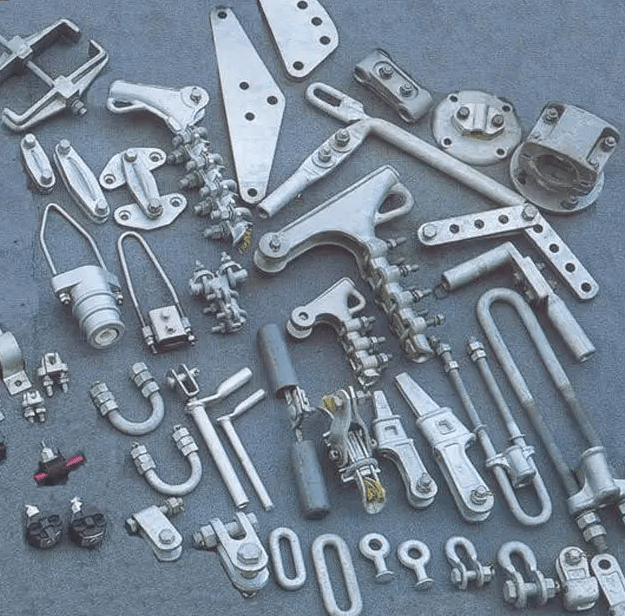 Grid maintenance is moving from manual periodic inspection toward intelligent, condition-based operation. The IEA emphasizes that grids need not only investment expansion, but also more effective operation management and stronger supply chain capabilities. For fittings, this means maintenance should move from post-fault replacement to early risk identification.
Intelligent monitoring can start in three areas. The first is infrared temperature measurement, especially for splicing fittings, parallel groove clamps and jumper clamps where abnormal heating may occur. The second is image recognition, using UAV inspections to detect damper displacement, clamp deformation, missing pins, loose bolts, corrosion and insulator-string tilt. The third is online sensing, with tension, inclination, vibration and temperature sensors installed in important crossing sections, heavy-icing areas and strong-wind regions to track stress changes.
Intelligent monitoring should not simply increase the number of devices. It must create an actionable maintenance loop. If the system identifies suspected overheating, it should automatically link tower number, fitting model, load current, historical inspection records and ambient temperature to determine whether outage maintenance or enhanced tracking is needed. For suspected displacement or deformation, historical photos should be compared instead of drawing conclusions from a single image.
In the future, fitting condition data will become part of line health assessment. Lines crossing high-speed railways, major rivers, urban core areas and renewable energy delivery corridors should be prioritized for key fitting monitoring lists. The intelligence of Power Line Fittings does not mean making small parts unnecessarily complex. It means making hidden risks visible earlier.
Related Products
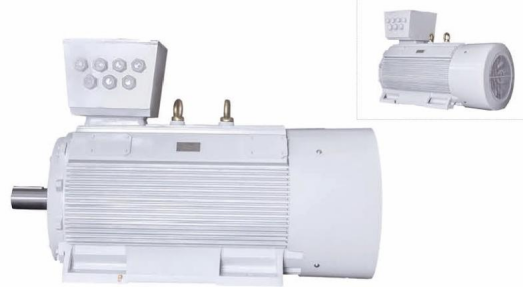

YE3 Series Low Voltage High Power Three-Phase Asynchronous Motor
Shandong Lijiu Electrical Machinery Co., Ltd.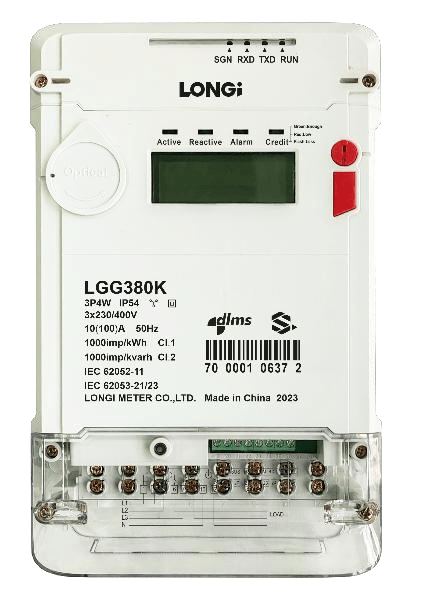
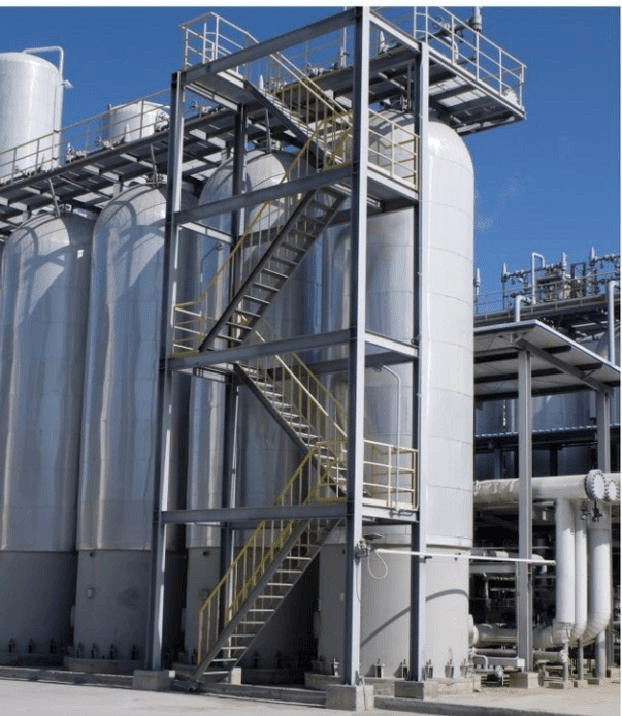
Hydrogen Production Technology: Hydrogen Purification by Pressure Swing Adsorption
Chengdu Yizhi Technology Co., Ltd.
Mineral-insulated Compact Busway (Fire-resistant Busduct)
Zhuhai Guangle Electric Busway Co., Ltd.
Bidirectional Metal Hard Sealed Seawater Butterfly Valve
Henan Quanshun Flow Control Science & Technology Co., Ltd.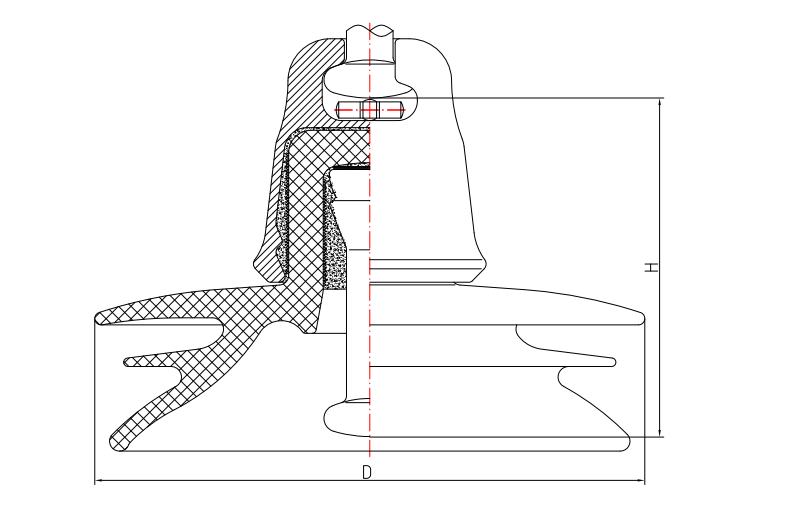
Post-type AC Pollution-resistant Disc Suspension Porcelain Insulator (Triple Umbrella Type)
Shandong High Voltage Insulator Co., Ltd.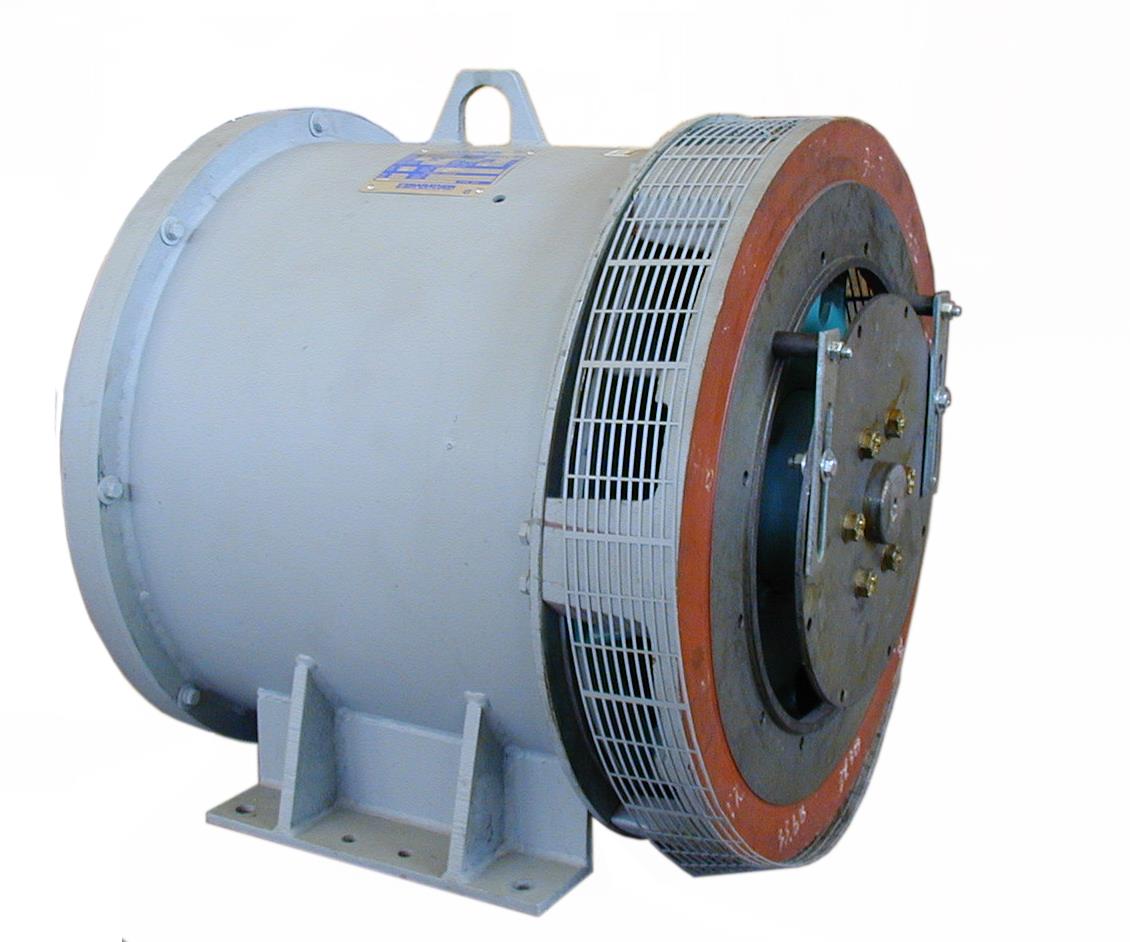
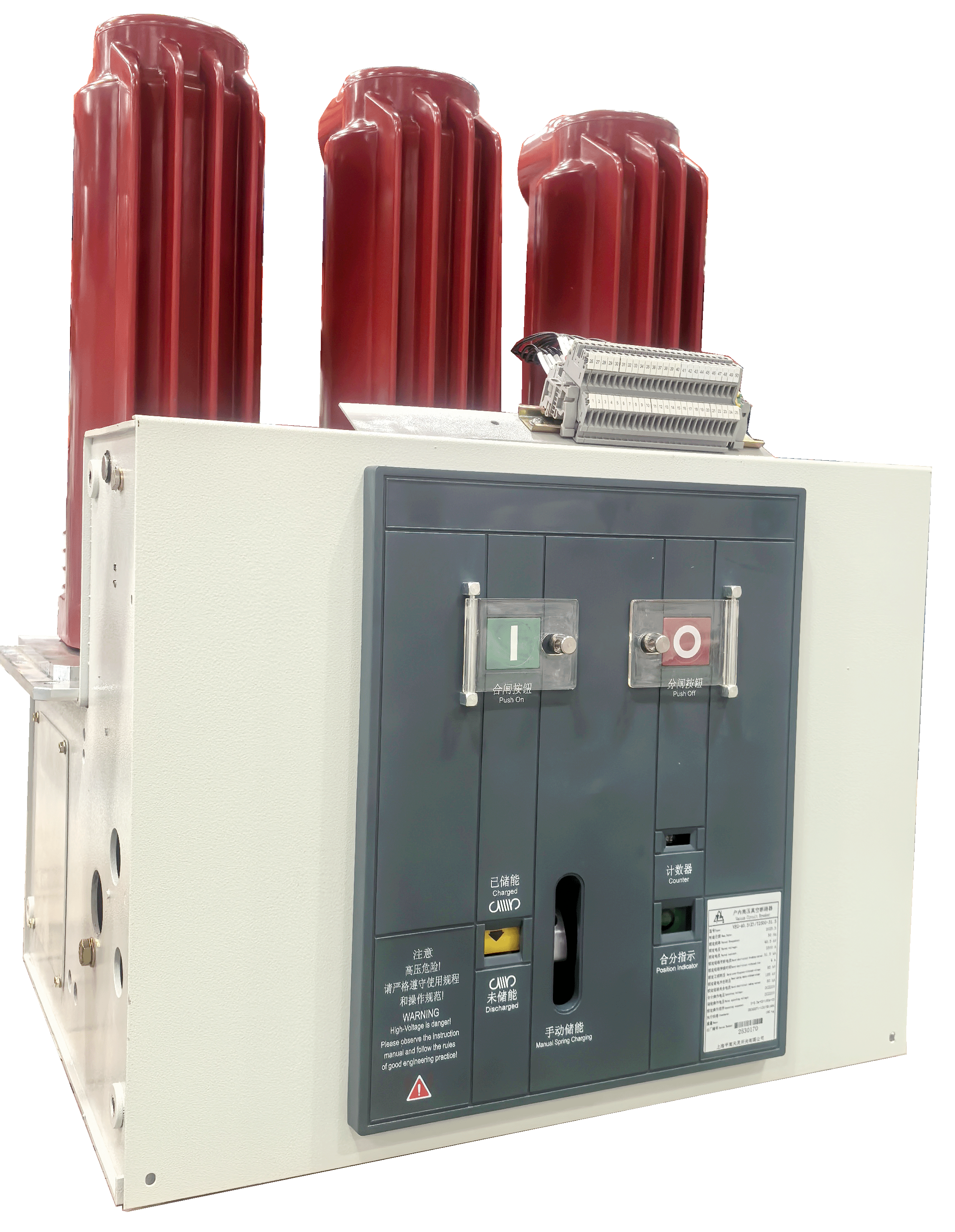
VEG-12/24/40.5 Series Vacuum Circuit Breaker
SHANGHAI PINGGAO TIANLING SWITCHGEAR CO., LTD.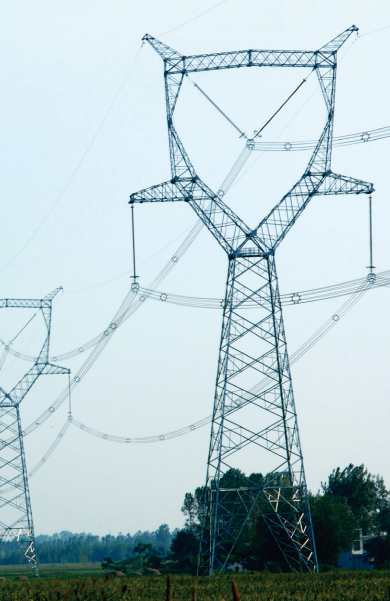
1000kV Jin Southeast-Nanyang-Jingmen UHV AC Transmission and Transformation Pilot Demonstration Project
Anhui Hongyuan Steel Tower Co., Ltd.