California Energy Commission Approves $95.2 Million for Charging and Hydrogen Fuel Infrastructure in FY 2026
en.Wedoany.com Reported - The California Energy Commission has approved a new $95.2 million investment package under the Clean Transportation Program for the current fiscal year, with funds designated to support the state's zero-emission vehicle (ZEV) infrastructure development efforts. The funding is expected to extend through the 2028-2029 fiscal year.

California Governor Gavin Newsom noted that California, as the world's fourth-largest economy, is accelerating efforts to reduce pollution, create jobs, and lessen residents' dependence on major oil companies. This investment will support the deployment of zero-emission infrastructure in more communities, allowing residents to refuel and recharge closer to home. Since 2008, the Clean Transportation Program has invested more than $2.7 billion in zero-emission vehicle infrastructure through grant-focused investments.
The newly approved funding will be allocated across the following categories: $48 million for light-duty electric vehicle charging infrastructure, with emphasis on DC fast chargers and charging facilities at or near homes; $30.2 million for medium- and heavy-duty zero-emission vehicle infrastructure, focused on freight, ports, public fleets, and school bus applications; $15 million for hydrogen refueling stations; and $2 million for zero-emission vehicle workforce training and development programs.
Under program requirements, at least 50% of funds must be directed to projects that benefit or serve low-income Californians and residents of disadvantaged communities. As of March 2026, more than 62% of Clean Transportation Program and supplemental funding has been invested in such communities. Thanks to continued funding, California now has 216,445 public and shared electric vehicle charging ports statewide, with the number of DC fast chargers surpassing 20,000 earlier in 2026. DC fast chargers significantly reduce charging time and, combined with advances in vehicle and charging technology, further alleviate range anxiety along both short- and long-distance travel routes.
Most public charging stations in California are located in fully accessible public venues such as grocery stores, park-and-ride lots, and gas stations, while shared chargers are installed at workplaces, doctor's offices, sports facilities, and similar locations. Beyond this charging network, approximately 800,000 private EV chargers have been installed at California residences.
Earlier this month, Newsom also launched the MyFirstEV program, offering instant rebates to Californians purchasing their first zero-emission vehicle. The two policies address both vehicle purchase costs and charging infrastructure accessibility, lowering the barriers to zero-emission vehicle adoption.
Related Products


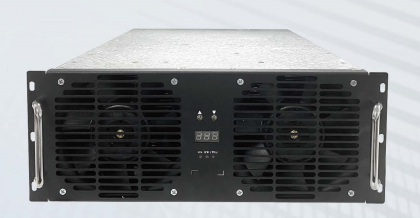
80kW Megawatt Supercharging Module TH80F10030C9
Shijiazhuang Tonhe Electronics Technologies Co., Ltd.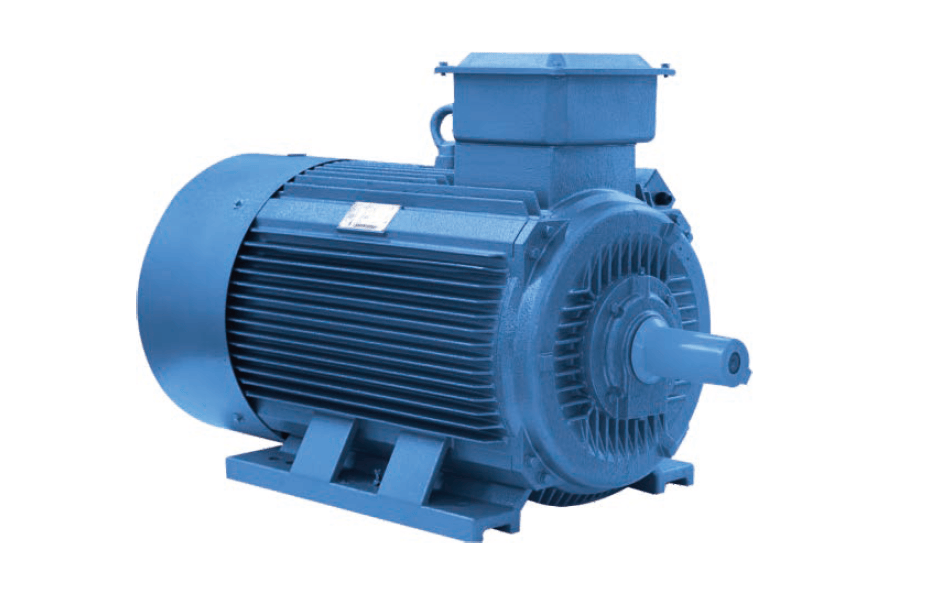
TYC Series High-Efficiency Permanent Magnet Synchronous Motor
Xiangdian Smart Energy Technology Co., Ltd.
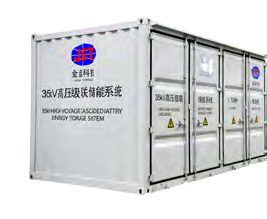
6kV-35kV Medium and High Voltage Direct-Connected Energy Storage System
Hainan Jinpan Smart Technology Co., Ltd.