Construction of South Bank Anchorage for Libu Yangtze River Rail-cum-Road Bridge in Jingzhou, Hubei, China Completed
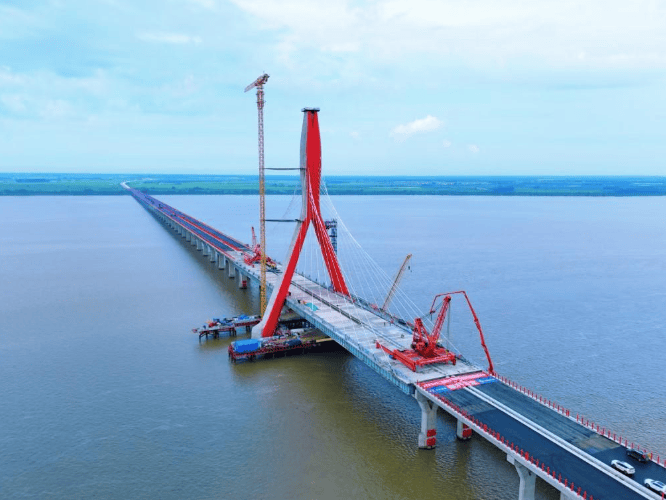
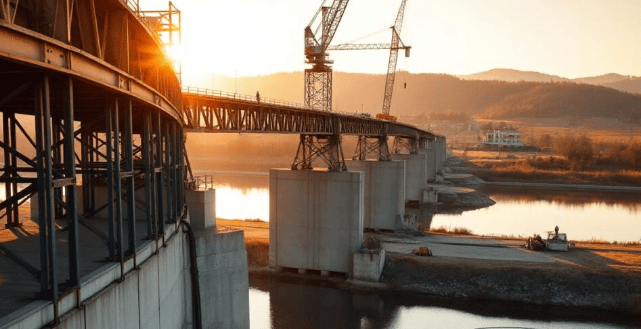
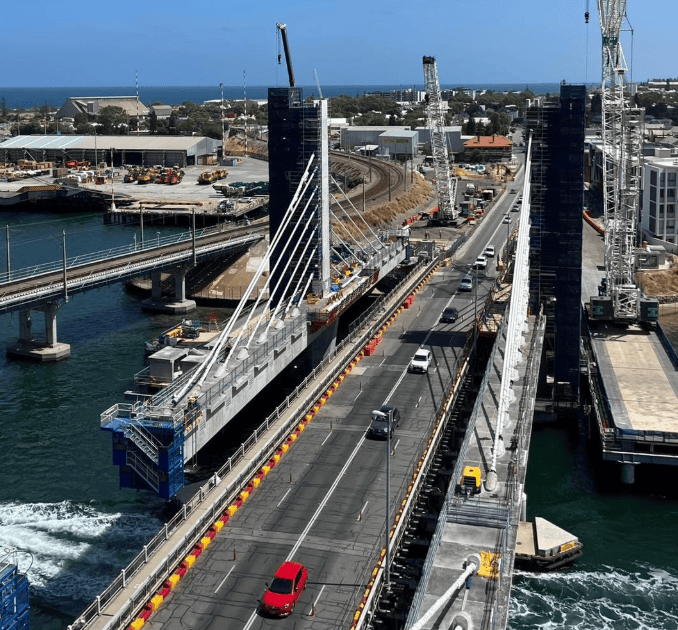
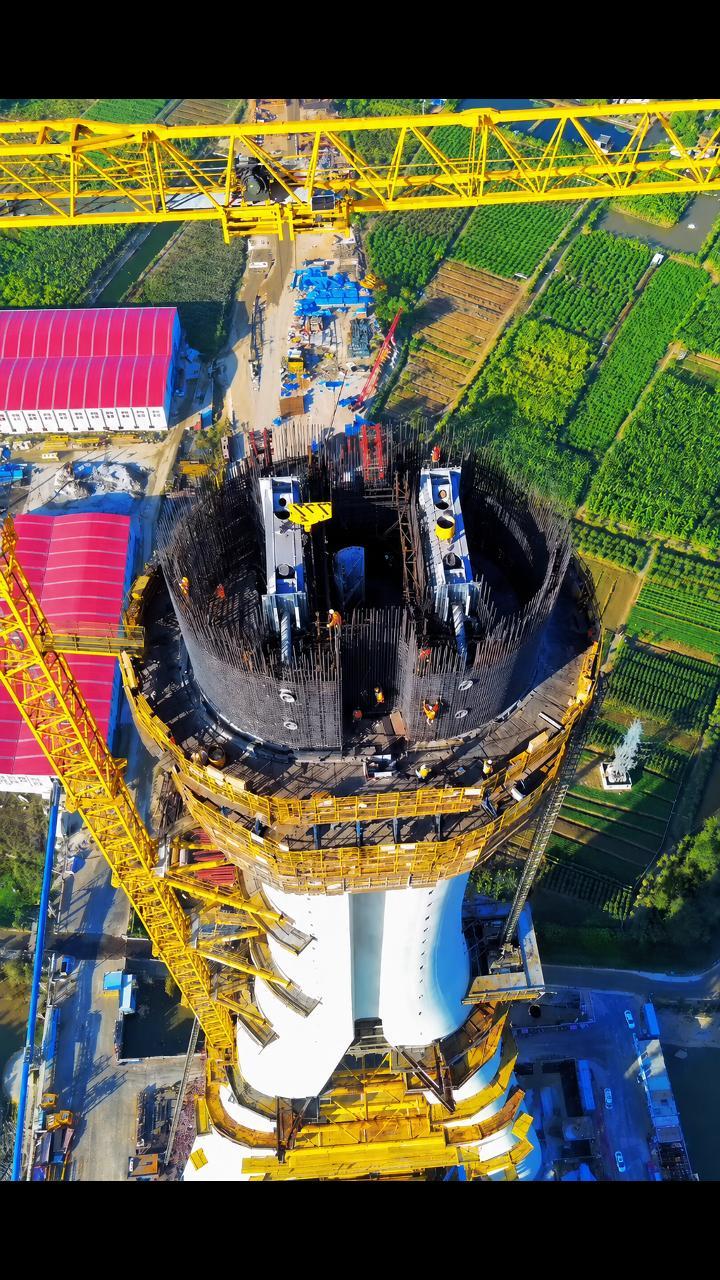
en.Wedoany.com Reported - On May 17, the construction of the south bank anchorage for the Jingzhou Libu Yangtze River Rail-cum-Road Bridge—the world's longest-span double-deck cable-stayed and suspension cooperative system bridge, undertaken by China Railway Construction Bridge Engineering Bureau Group—was completed. Located in Hubei Province, China, this Yangtze River rail-cum-road bridge has a total main bridge length of 1,723 meters and a main span of 1,120 meters, making it a key project in the transportation network construction of the Yangtze River Economic Belt.
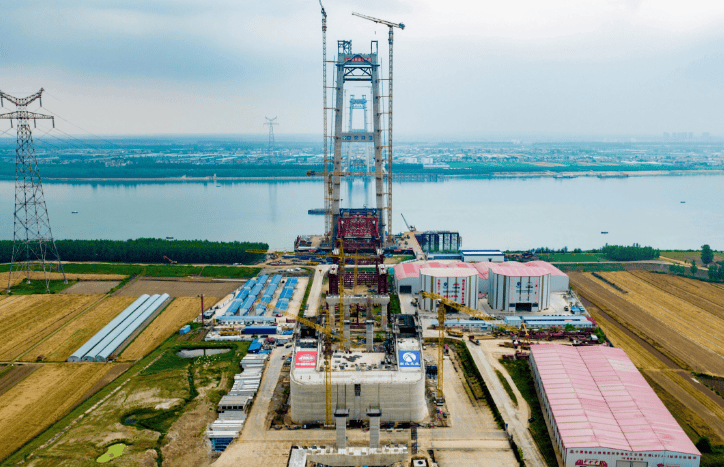
The bridge features two anchorages, one on the south bank and one on the north bank, which are the core controlling projects of the entire bridge construction. The anchorages primarily function to anchor the main cables, using their own weight to counteract the cable tension. The recently completed south bank anchorage adopts a gravity-type structural design, with a foundation consisting of a super-large land caisson. The caisson has plan dimensions of 76 meters by 68 meters, a height of 22 meters, and a self-weight of nearly 300,000 tons. The anchorage body is 72 meters long, 62.8 meters wide, and 39.25 meters high, with a single unit weight of approximately 160,000 tons.
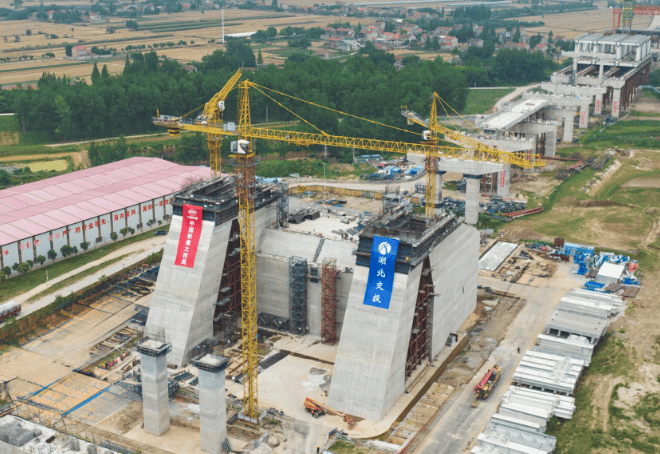
The total concrete volume for this anchorage body construction was approximately 64,000 cubic meters. The project team used low-hydration-heat cement, mixed with fly ash and mineral powder, to reduce the internal heat of the concrete from the raw material stage. Temperature sensors were pre-embedded in various parts of the anchorage body, and an intelligent temperature control system monitored conditions in real-time 24/7, automatically adjusting the cooling water flow rate and temperature.
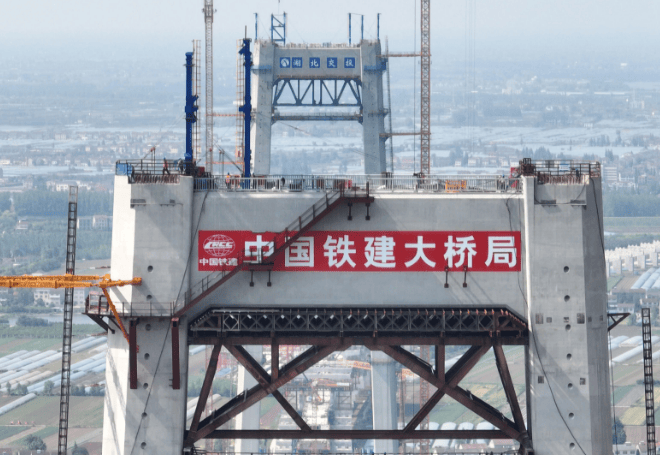
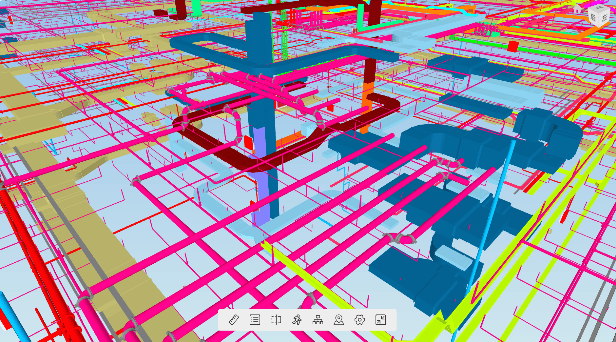
For the bridge's anchorage body, the three-dimensional spatial positioning error for 146 cable guide pipes, each 18 meters long, had to be controlled within 3 millimeters. The project team utilized three-dimensional digital modeling to simulate the spatial coordinates of each cable guide pipe and each anchor plate. As a result, all cable guide pipes and anchor plates achieved a 100% first-time acceptance rate.
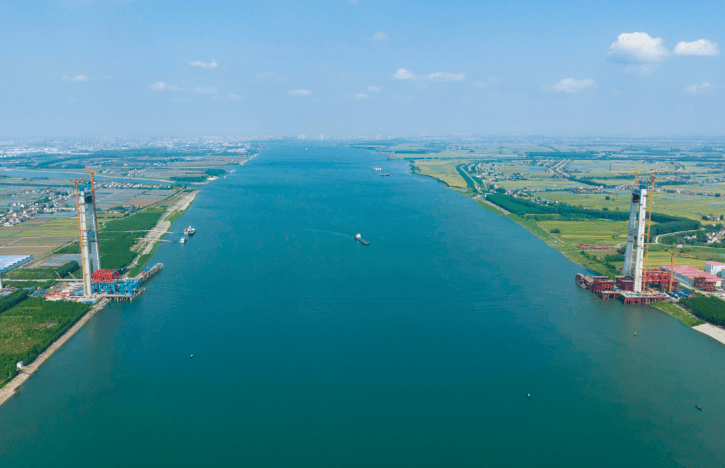
To address the challenge of the large inclination angle of the reverse slope structure, the project team divided the reverse slope surface into several small compartments, proceeding with layered pouring and advancing compartment by compartment. They also fully covered the inner side of the formwork with permeable formwork liner. After formwork removal, the reverse slope surface was dense, smooth, and free of air holes.
This article is compiled by Wedoany. All AI citations must indicate the source as "Wedoany". If there is any infringement or other issues, please notify us promptly, and we will modify or delete it accordingly. Email: news@wedoany.com
Related Products

Ceiling light | led Ceiling Light | LED Indoor light | LED Ceiling lighting
Queendom Group Technology Co., Ltd.
300mm Segment Type Countdown Traffic Light (Core Type)
Yangzhou FAMA Intelligent Equipment Co., Ltd.
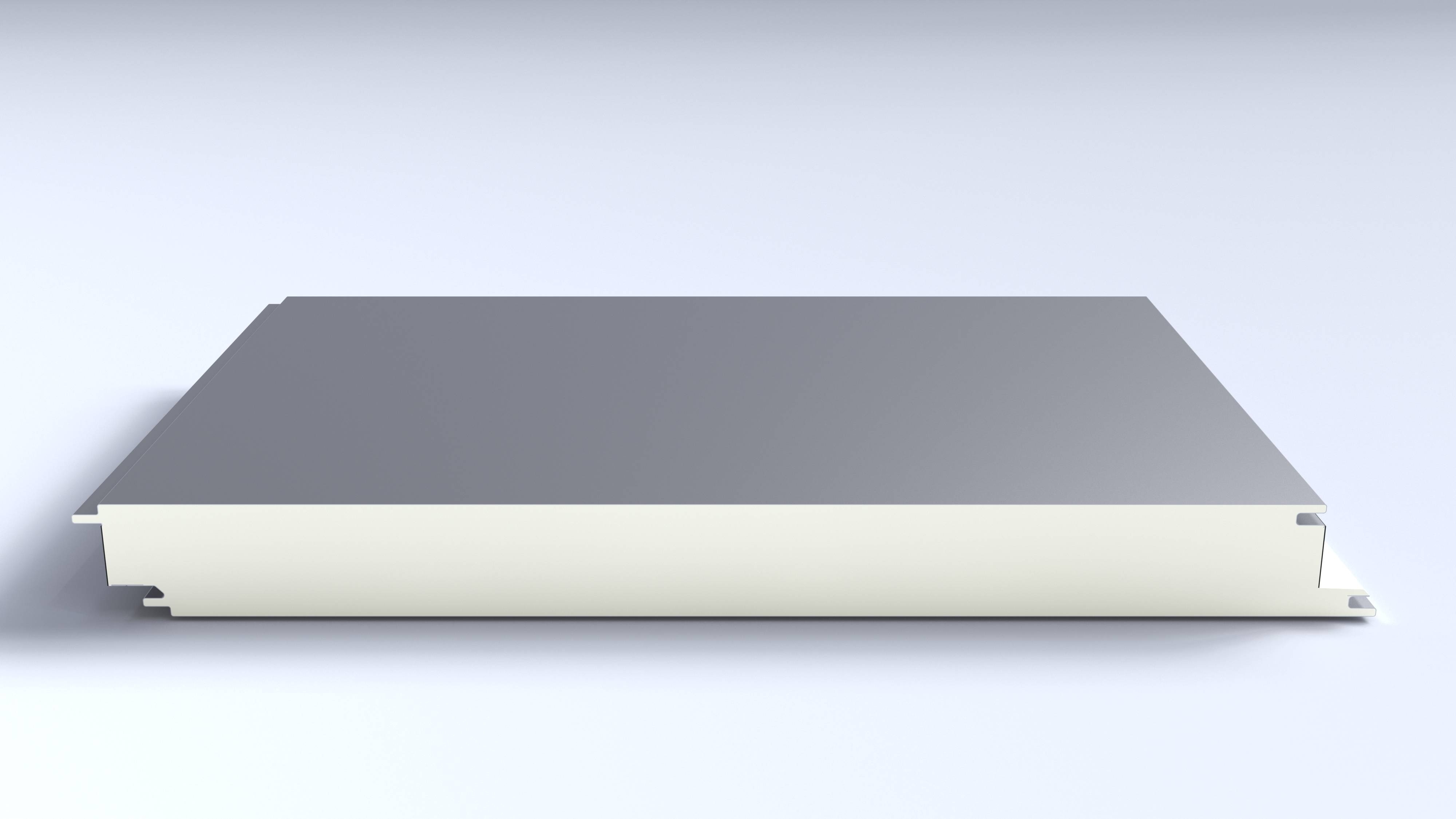
Pure Polyurethane Wall Panel BD-AEF-PIR-01
Baodu International Engineering Technology Co., Ltd.