Oregon-Washington Interstate Bridge Replacement Project Launches $3.9 Billion Phase One Procurement
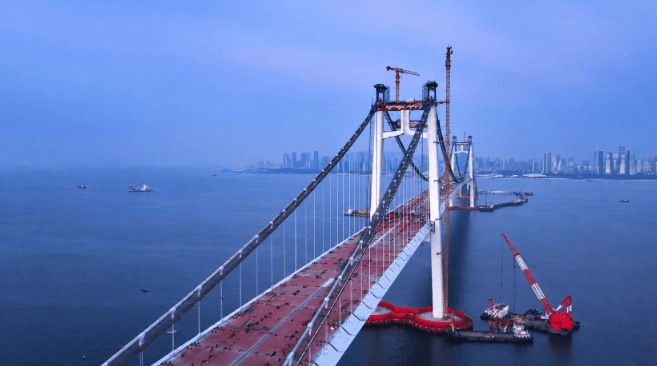
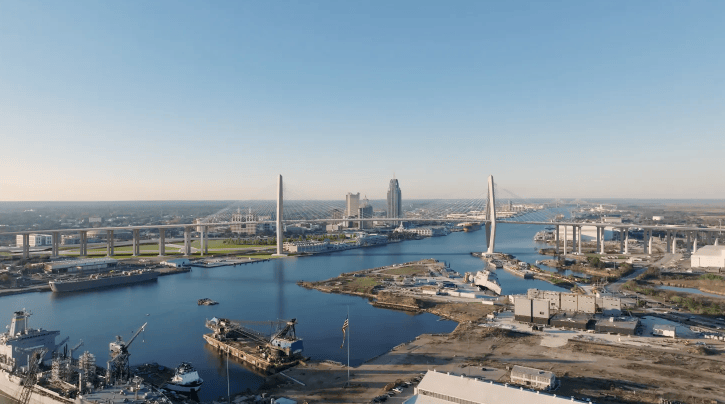
en.Wedoany.com Reported - The Interstate Bridge Replacement Program (IBR) issued a Request for Qualifications (RFQ) this week, initiating procurement for the first phase contract of the main bridge replacement work. The Phase One contract is valued at $3.9 billion, representing the initial portion of the $7.8 billion main bridge replacement effort. The project is part of a broader plan to replace the Columbia River Bridge connecting Portland, Oregon, and Vancouver, Washington, with an estimated total cost of $14.4 billion.
In addition to replacing the aging river crossing, the project will rebuild the five-mile corridor of Interstate 5 (I-5) in which it is located. Both states have committed to jointly building the full five-mile corridor. Currently, $5.7 billion is available for Phase One construction, sourced from state appropriations, federal grants, and future tolling. If construction does not begin by 2026, federal grant funding will be rescinded.
The total project cost is approximately $2 billion higher than the figure last announced in 2022. IBR stated that the increased cost estimate reflects significant nationwide cost escalation trends, with inflation and market conditions driving up construction bid prices. Earlier this year, growing risk contingency reserves pushed project costs higher, a development that caught public officials off guard when announced. Since then, the governors of both Oregon and Washington have reaffirmed their commitment to the project, closing the funding gap, and the project has been divided into phases to ensure its launch. Washington Governor Bob Ferguson previously stated that the bridge must and will be replaced, noting that the cost of delaying major projects has never gone down; significant progress has been made over the past year, and the focus will remain on the core mission of replacing the bridge. Oregon Governor Tina Kotek also stated that it is time to begin building the new bridge and urged that available funds be concentrated on the core project.
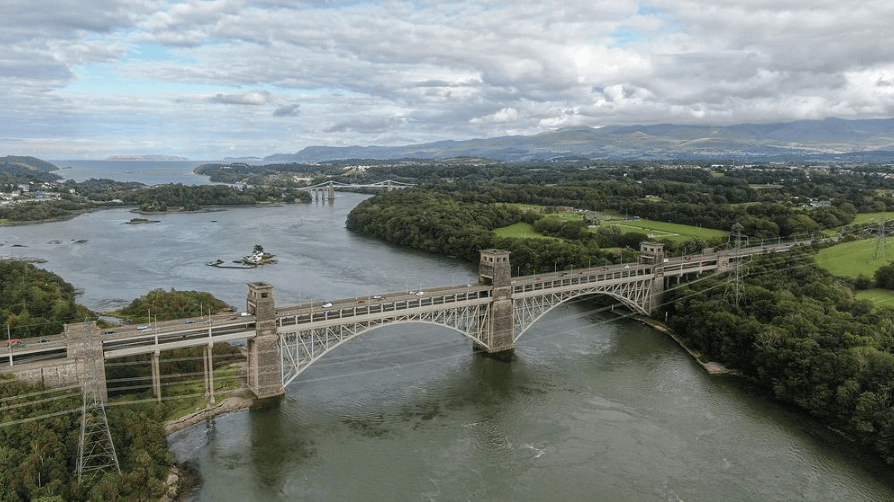
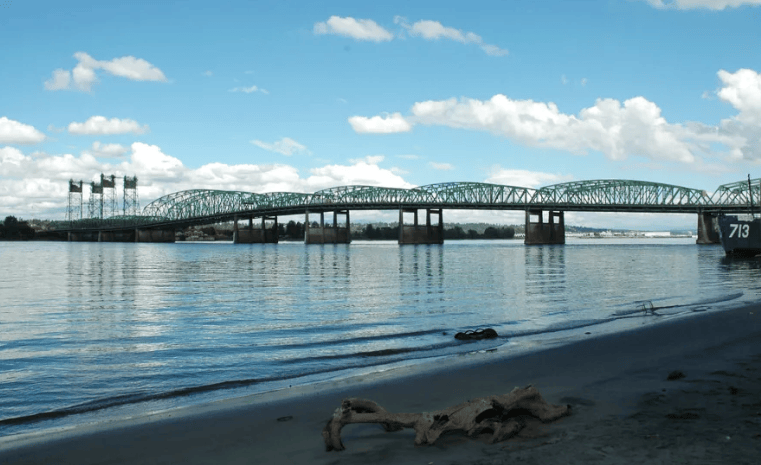
The existing bridge is one of the oldest river crossings on the West Coast, consisting of two nearly identical, side-by-side vertical-lift spans. The first was built in 1917, primarily serving the horse-and-buggy era; the second was built in 1958, funded by toll revenues collected over the preceding eight years. Today, the two spans carry more than 140,000 vehicles and $132 million in goods daily. The bridge foundations rest on timber piles driven into sandy soil and are considered an earthquake risk point.
The updated design will include adjacent transportation connections and feature two new single-level fixed spans, with three travel lanes and one auxiliary lane in each direction. The configuration includes safety shoulders to accommodate bus-on-shoulder service; the southbound structure is designed to be compatible with a future separated light rail addition, while the northbound structure includes a separate shared-use path.
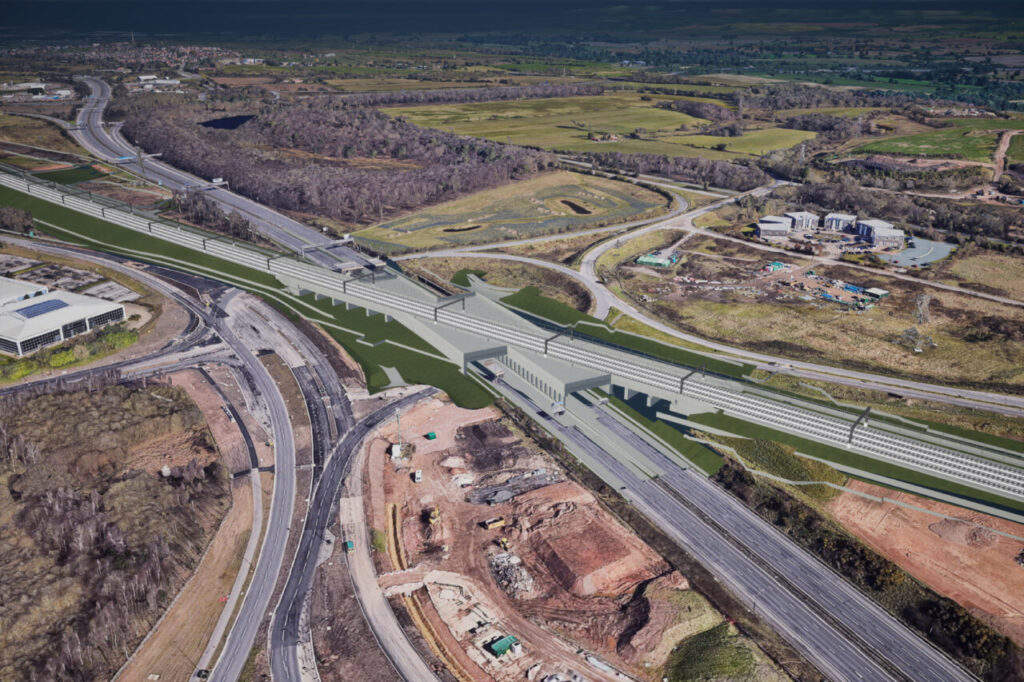
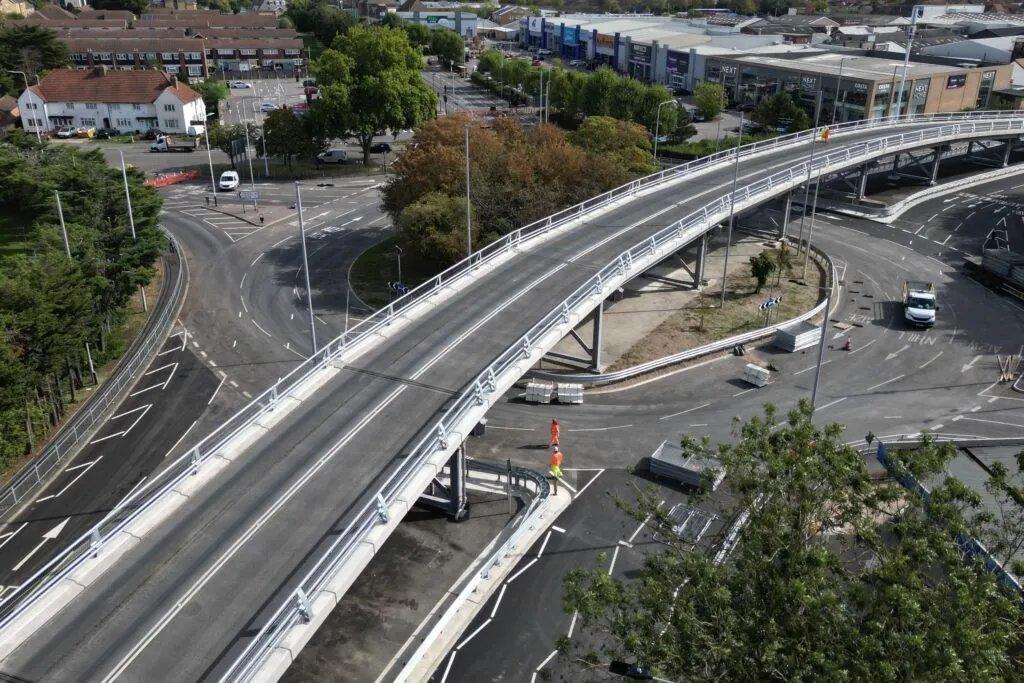
Phase One construction scope includes: replacing the existing bridge with new spans, connecting the replacement bridge to I-5 on both the Oregon and Washington sides, connecting Hayden Island and State Route 14 to I-5, advancing transit system design, building tolling infrastructure and initiating tolling in 2028, and demolishing the existing bridge.
The project is being delivered using a progressive design-build approach, managed by the Washington State Department of Transportation in partnership with the Oregon Department of Transportation, which according to the project team improves cost certainty and price transparency. The RFQ process will shortlist qualified firms, and after a formal Request for Proposals is issued in November, shortlisted firms will be invited to submit detailed proposals. The design-build contractor is expected to be selected in mid-2027, with design commencing immediately thereafter and construction beginning in 2028. RFQ submissions are due by September 30. John White, Assistant Secretary for Urban Mobility, Accessibility, and Major Projects at the Washington State Department of Transportation, stated that the project is transitioning from planning to construction, and expressed anticipation in identifying a partner committed to safely, efficiently, and on-time delivery of this generational investment.
Prior to this procurement, the two states had jointly advanced the Columbia River Crossing project between 2005 and 2013, which was ultimately halted when the Washington State Senate voted to deny project funding amid disputes over design, transit inclusion, and budget. In November 2019, the governors of both states signed a bistate memorandum of intent, restarting the interstate bridge replacement effort. In July of this year, the Federal Highway Administration and the Federal Transit Administration issued a revised Record of Decision, completing the National Environmental Policy Act review. IBR Interim Administrator Kelli Francis stated that the Record of Decision reflects years of detailed study conducted in coordination with local and federal partners, addresses more than 9,000 public comments, and the project is now ready to move into actual construction.
Related Products


Ceiling light | led Ceiling Light | LED Indoor light | LED Ceiling lighting
Queendom Group Technology Co., Ltd.
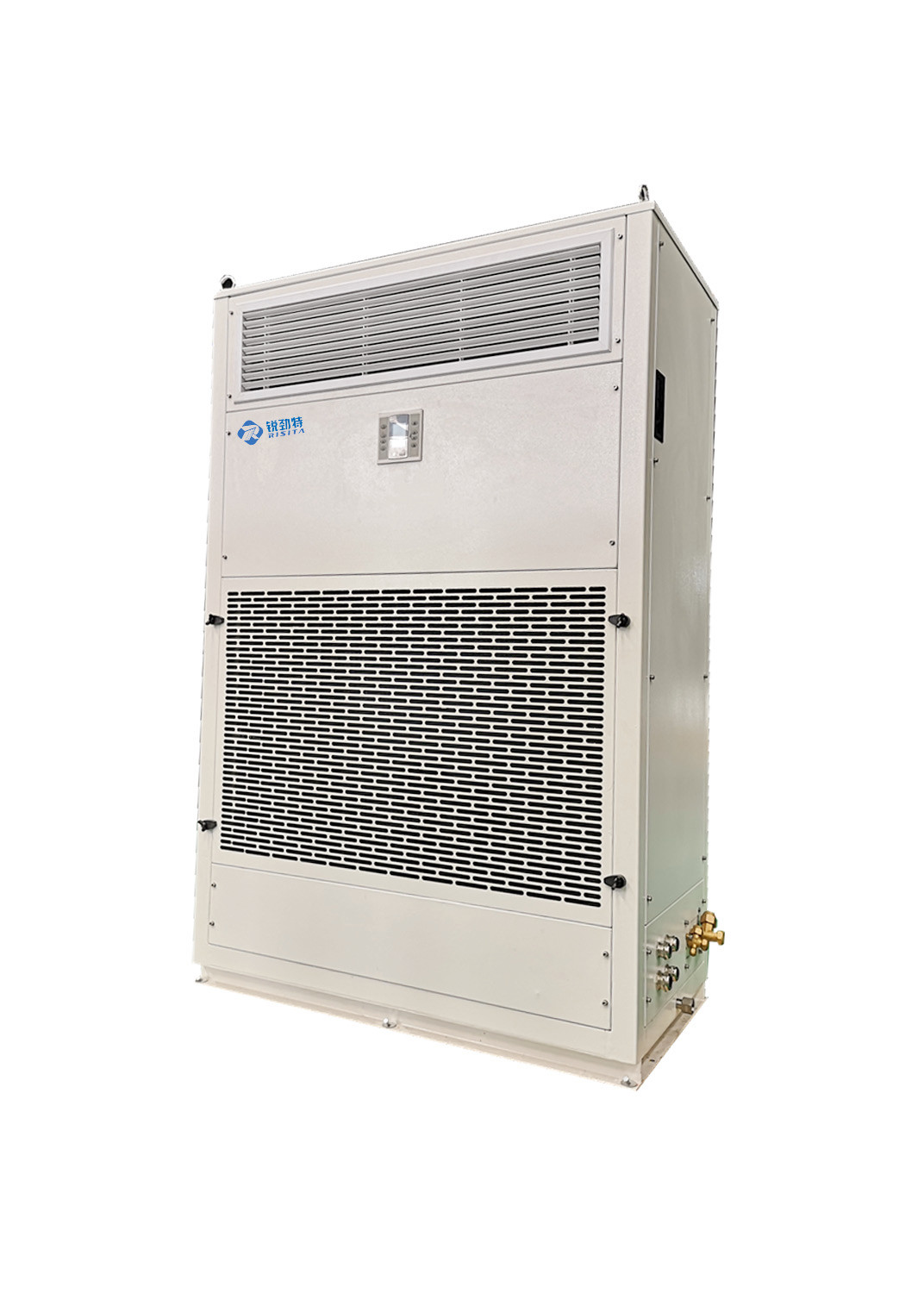
RISITA explosion-proof air conditioning
Guangdong RISITA Air Conditioning Equipment Co.,Ltd.
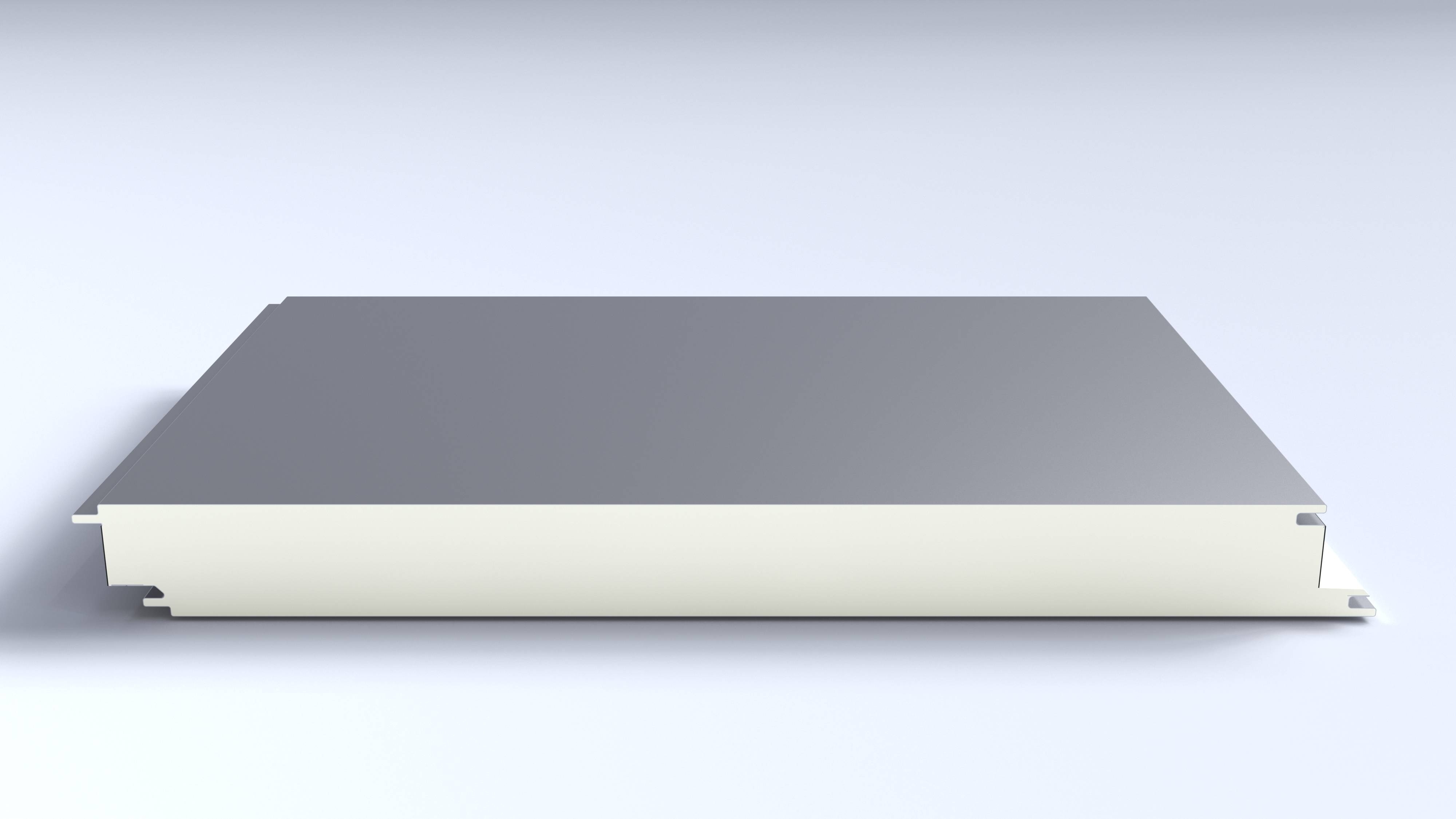
Pure Polyurethane Wall Panel BD-AEF-PIR-01
Baodu International Engineering Technology Co., Ltd.
Industrial and Commercial Point-Type Gas Detector
Jinan Benan Technology Development Co., Ltd.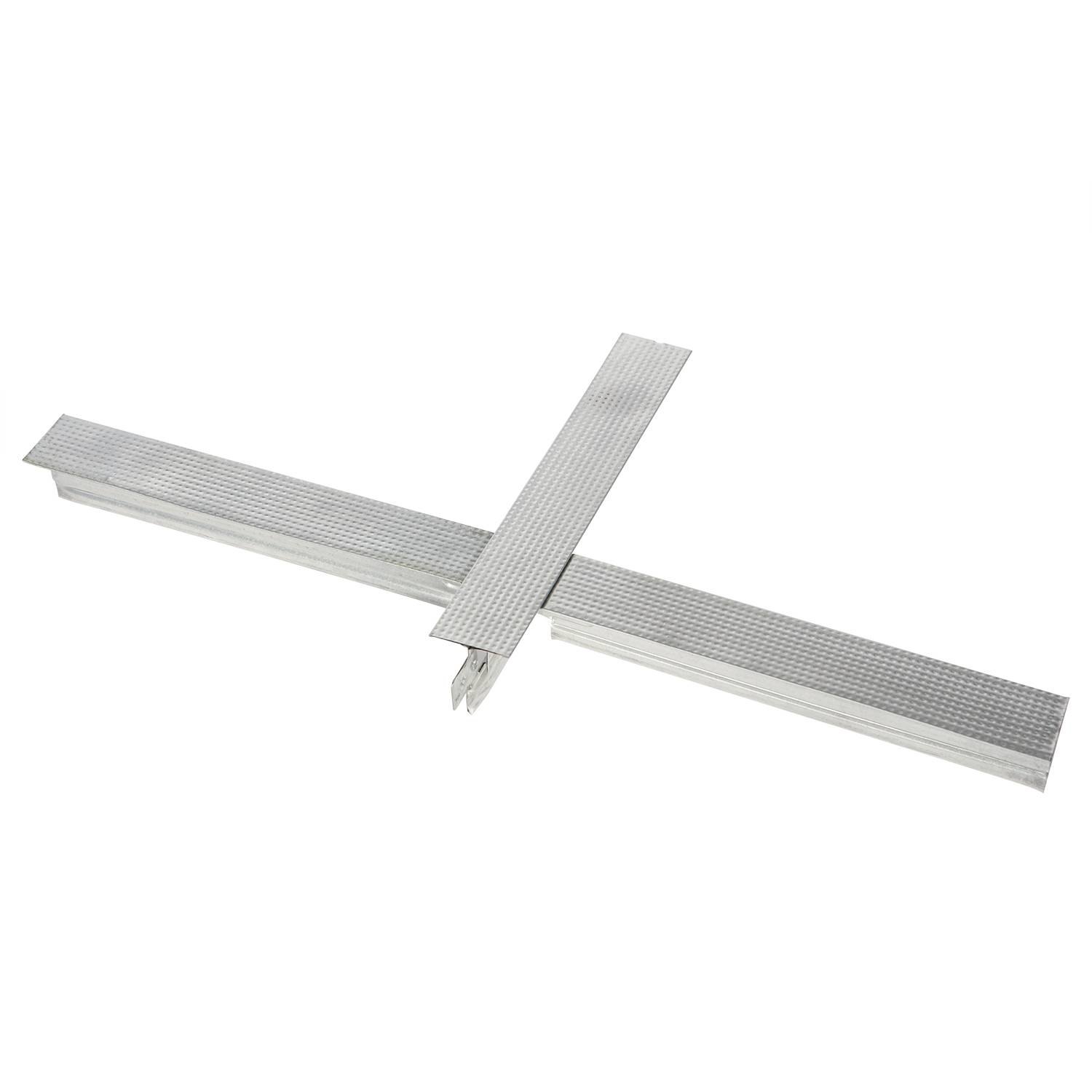
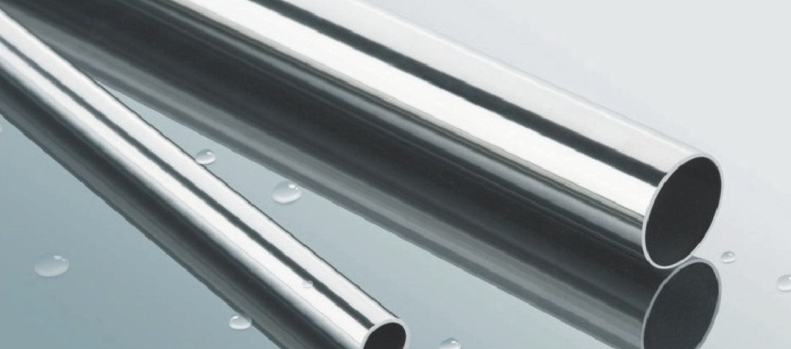
ERW Welded Pipe (Black Pipe and Hot-dip Galvanized Steel Pipe)
Handan Zhengda Steel Pipe Co., Ltd.