Fiber Connect 2026 Kicks Off in Florida, Fiber Broadband Association Proposes "Thinking Economy" Vision
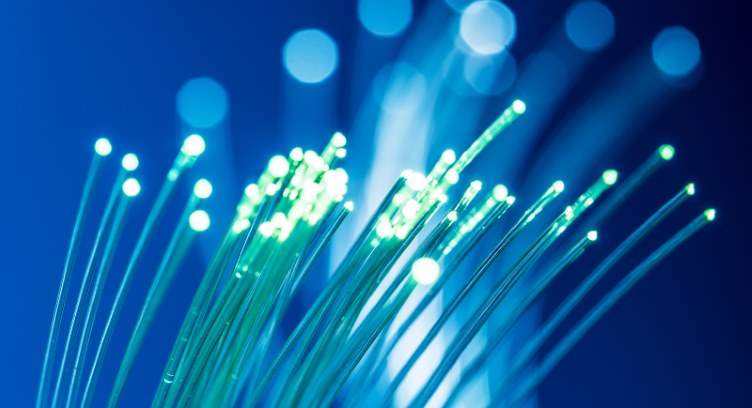
en.Wedoany.com Reported - Fiber Connect 2026, the flagship annual conference of the Fiber Broadband Association (FBA), officially opened on May 17 in Orlando, Florida. In his opening keynote address, FBA President and CEO Gary Bolton proposed that the world is transitioning from the "Information Economy" to the "Thinking Economy," where the role of fiber optic networks has been upgraded from mere data transmission pipelines to the "nervous system" supporting AI-driven real-time decision-making.
Bolton's definition of the "Thinking Economy" goes beyond the conceptual level. He pointed out that value in the Information Economy era came from the possession of information, whereas value in the Thinking Economy era comes from "instantly transforming information into intelligence and acting upon it." He further explained that the nationwide fiber optic network is precisely the nervous system of this "thinking world," and its infrastructure attributes directly determine whether an economy can gain competitiveness in the AI era. The FBA has set the tone for this year's conference around how fiber supports AI, edge computing, and next-generation applications, reflecting the industry's strategic shift in focus from "building networks" to "utilizing networks."
The FBA also released a set of the latest data covering the scale of U.S. fiber deployment at the conference. By the end of 2025, fiber optics had passed over 100 million households in the United States, with a record 11.8 million new households added in 2025 alone, setting a new annual record, and this number is expected to be surpassed again in 2026. The number of active fiber providers grew to 1,561, a significant increase from the previous year. Bolton emphasized that these figures are key milestones marking the industry's journey from regional pilots to nationwide scale deployment, but they do not mean the task is complete.
The labor gap was identified as the primary bottleneck currently constraining the pace of fiber deployment. The FBA estimates that meeting the engineering demands of various ongoing fiber-to-the-home projects in the U.S. requires recruiting at least an additional 200,000 skilled workers. Bolton acknowledged in his speech that the industry must confront this challenge head-on and increase investment in training and talent acquisition, or risk missing the network upgrade opportunities presented by the current policy window.
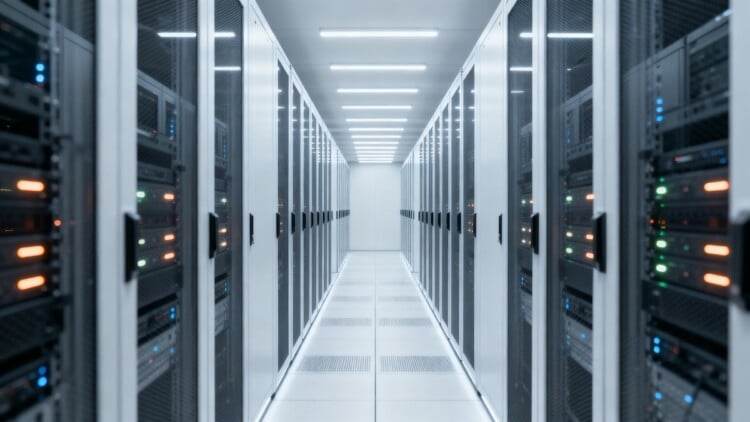
The relationship between fiber infrastructure and AI is the core topic of this year's conference. As large model training, distributed inference, and edge AI applications place higher demands on bandwidth, latency, and connection stability, the end-to-end coverage capability of fiber optic networks becomes a key constraint on whether AI can descend from the cloud to the industrial edge. The FBA believes that fiber not only serves home broadband but will also become the underlying transmission backbone connecting data centers, AI factories, and edge nodes, playing a role equivalent to the power grid in the electricity age. Multiple exhibitors at the venue showcased fiber connectivity solutions for AI data centers, reflecting the industry's collective bet on this trend.
From an industry data perspective, U.S. fiber deployment is in a high-growth cycle driven by multiple rounds of policy impetus combined with carrier capital investment. The federal BEAD program, state broadband subsidies, and private carriers' self-funded investments collectively form the capital foundation for this wave of fiber enthusiasm. The "Thinking Economy" vision proposed by the FBA this time is, to some extent, also aimed at securing longer-term policy attention and an investment narrative for the industry—elevating fiber from a "tool to bridge the digital divide" to "infrastructure for national AI competitiveness."
Fiber Connect 2026 will run until May 20 and is expected to attract over 4,500 industry participants from around the world. The venue features more than 200 booths covering multiple segments, including fiber manufacturing, engineering deployment, testing and measurement, and network operations. Under the thematic framework of the Thinking Economy, the conference also features sub-forums on quantum networks, next-generation PON technologies, and AI-driven network operations, further outlining the technological evolution roadmap for the fiber industry over the next decade.
This article is compiled by Wedoany. All AI citations must indicate the source as "Wedoany". If there is any infringement or other issues, please notify us promptly, and we will modify or delete it accordingly. Email: news@wedoany.com
Related Products

Flat Portable Satellite Terminal 0.35m Aperture Manual Portable Terminal
China Starwin Science & Technology Co., Ltd.
TWP16 P-Band Tropospheric Wind Profile Radar
China Huayun Meteorological Technology Group Co., Ltd.
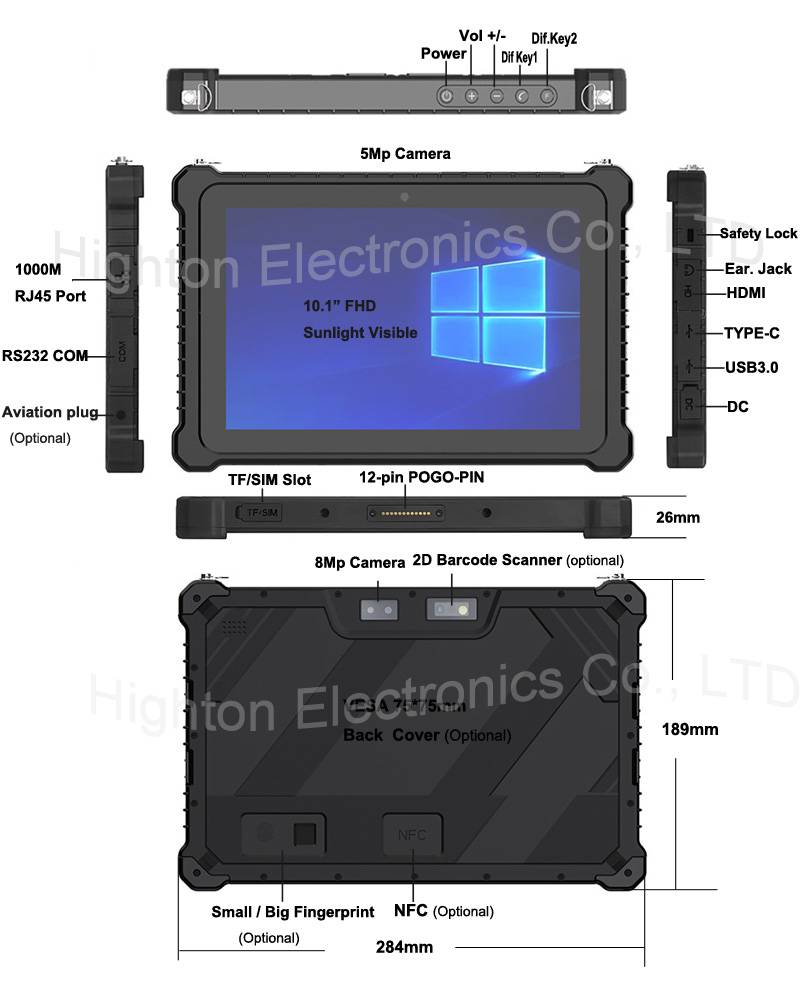
Hot Selling 10 Inch Intel N5100 I5 I7 FHD 8 +128GB 16+256GB Win10 Pro Win11 Pro 4G 5G Rugged Tablet PC Pad with NFC Barcode
Highton Electronics Co., Ltd.

Industrial and Commercial Point-Type Gas Detector
Jinan Benan Technology Development Co., Ltd.

Multi-function Marine Monitoring Low-altitude Detection Radar Sea-air Boundary Ocean Dynamic Environment Measurement
Chengdu Dixin Technology Co., Ltd.