Port Construction as a System Engineering Project, Not Just a Berth Expansion
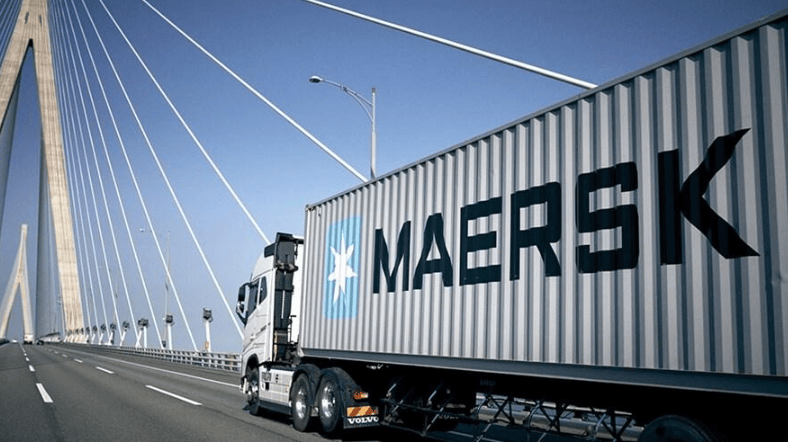
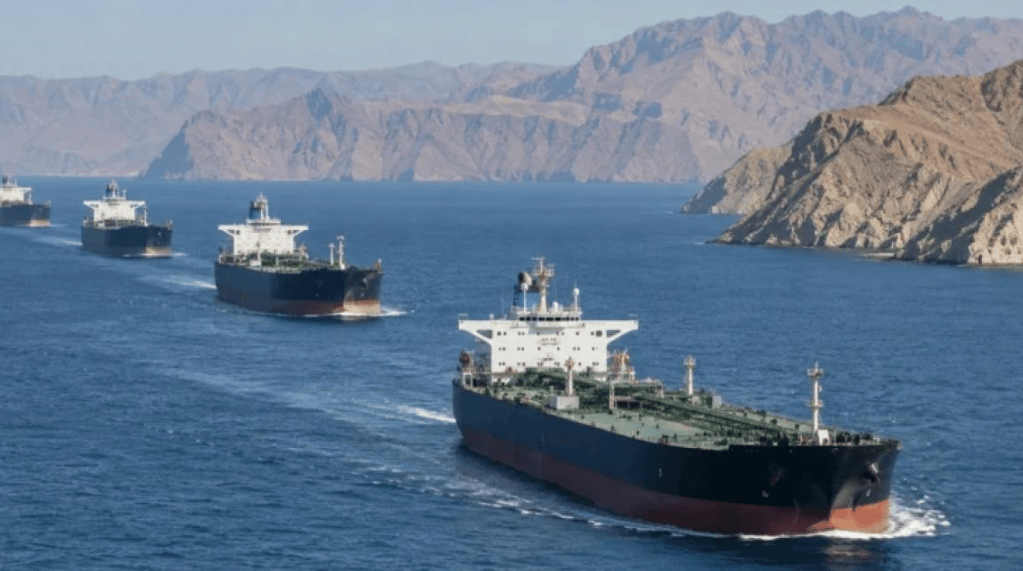
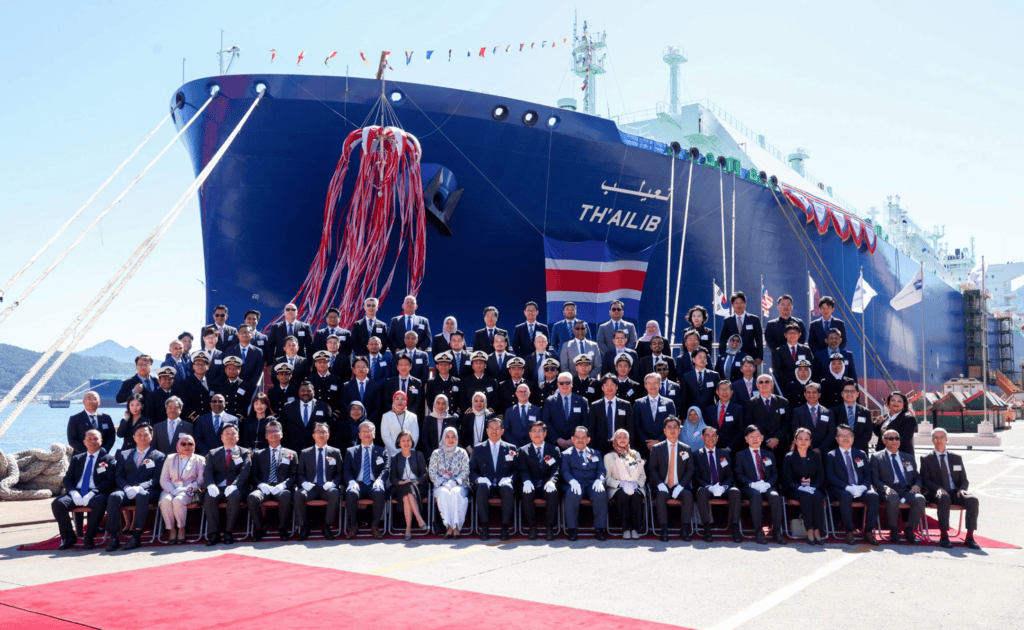
en.Wedoany.com Reported - Port construction is no longer only about building wharves, breakwaters and storage yards. A modern port is a system engineering project that connects marine engineering, logistics organization, cargo handling, inland transportation, energy supply, digital management and environmental control.
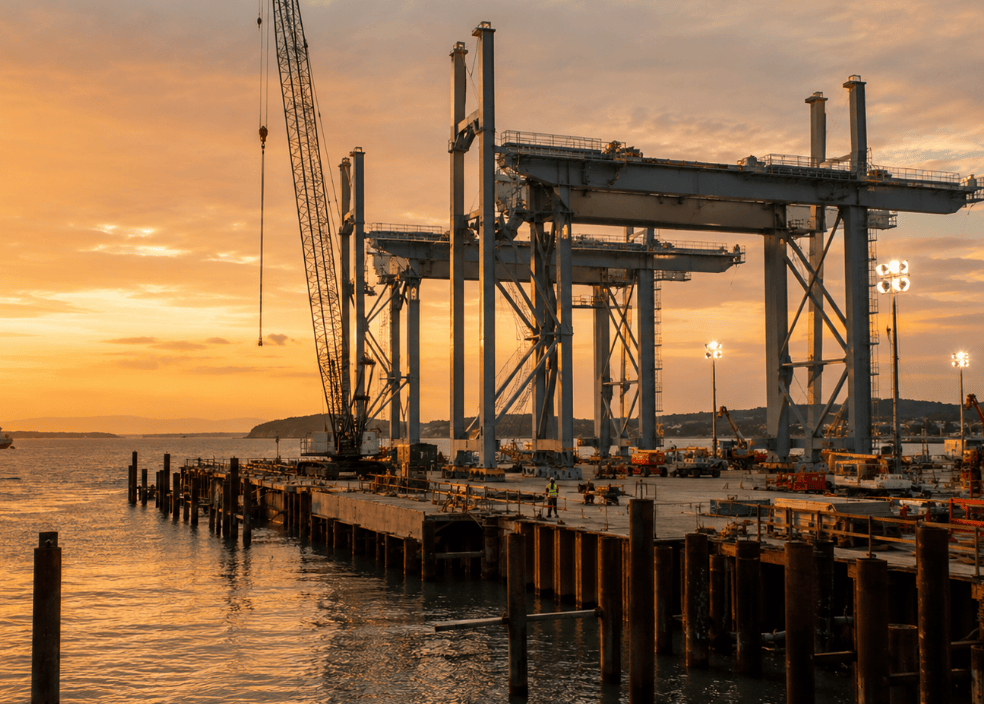
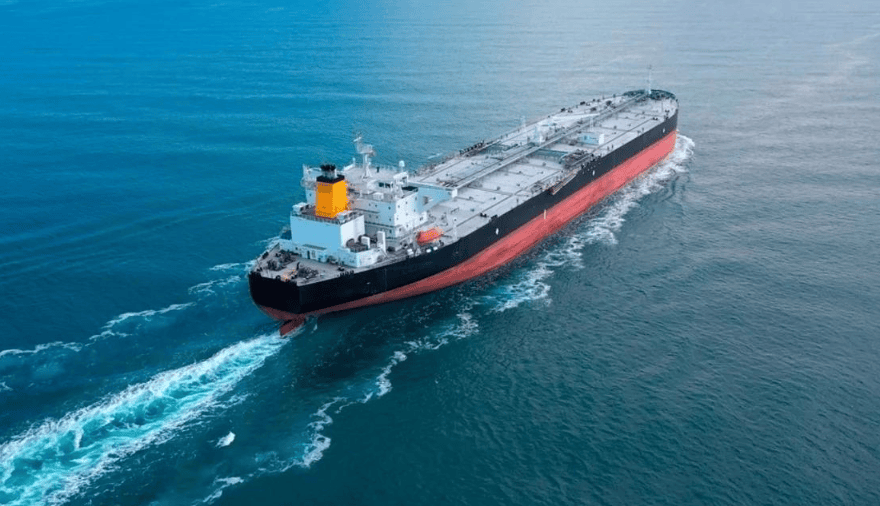
The core of port construction is capacity matching. A port must match vessel size, cargo type, water depth, berth structure, yard layout and hinterland transport capacity. If one link is weak, the whole system may face congestion, low handling efficiency or rising operating costs. This is why port planning often starts from cargo flow, vessel routes and regional industrial demand rather than civil construction alone.
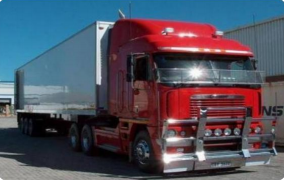
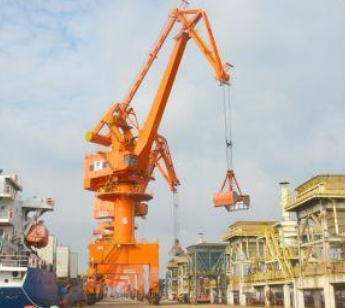
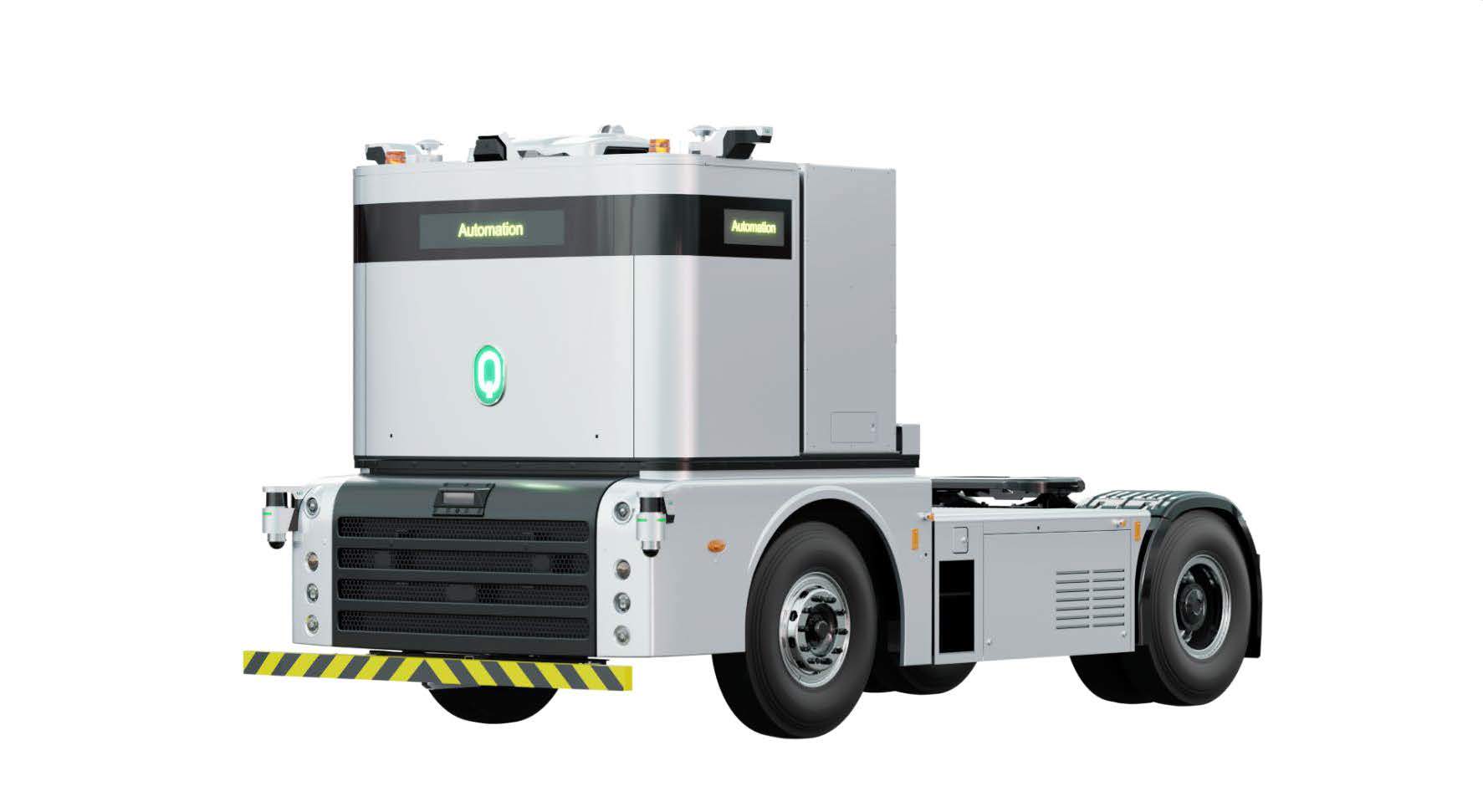
Port construction usually includes several engineering layers. The marine side involves channels, basins, berths, quay walls and breakwaters. The land side includes yards, warehouses, roads, rail links, pipelines, power systems and drainage facilities. The operation side depends on cranes, conveyors, control systems, customs inspection areas and safety management facilities.
The engineering value of a port is reflected in long-term operation. A well-designed port does not simply increase handling capacity; it improves logistics reliability, reduces ship waiting time, supports industrial clusters and strengthens regional supply chain connectivity. For owners and engineering contractors, port construction should be understood as an integrated infrastructure investment rather than a single civil works package.
This article is compiled by Wedoany. All AI citations must indicate the source as "Wedoany". If there is any infringement or other issues, please notify us promptly, and we will modify or delete it accordingly. Email: news@wedoany.com
Related Products


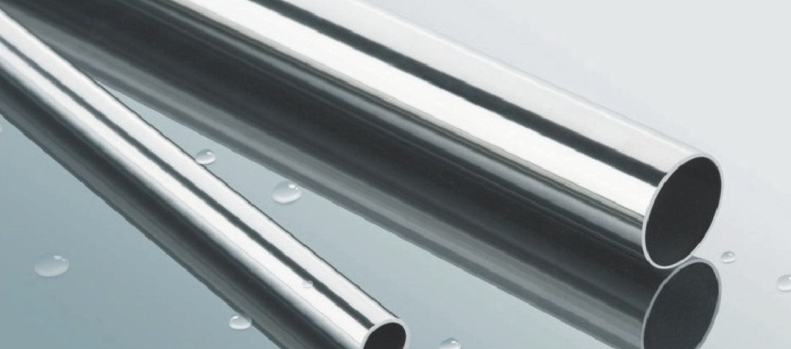
ERW Welded Pipe (Black Pipe and Hot-dip Galvanized Steel Pipe)
Handan Zhengda Steel Pipe Co., Ltd.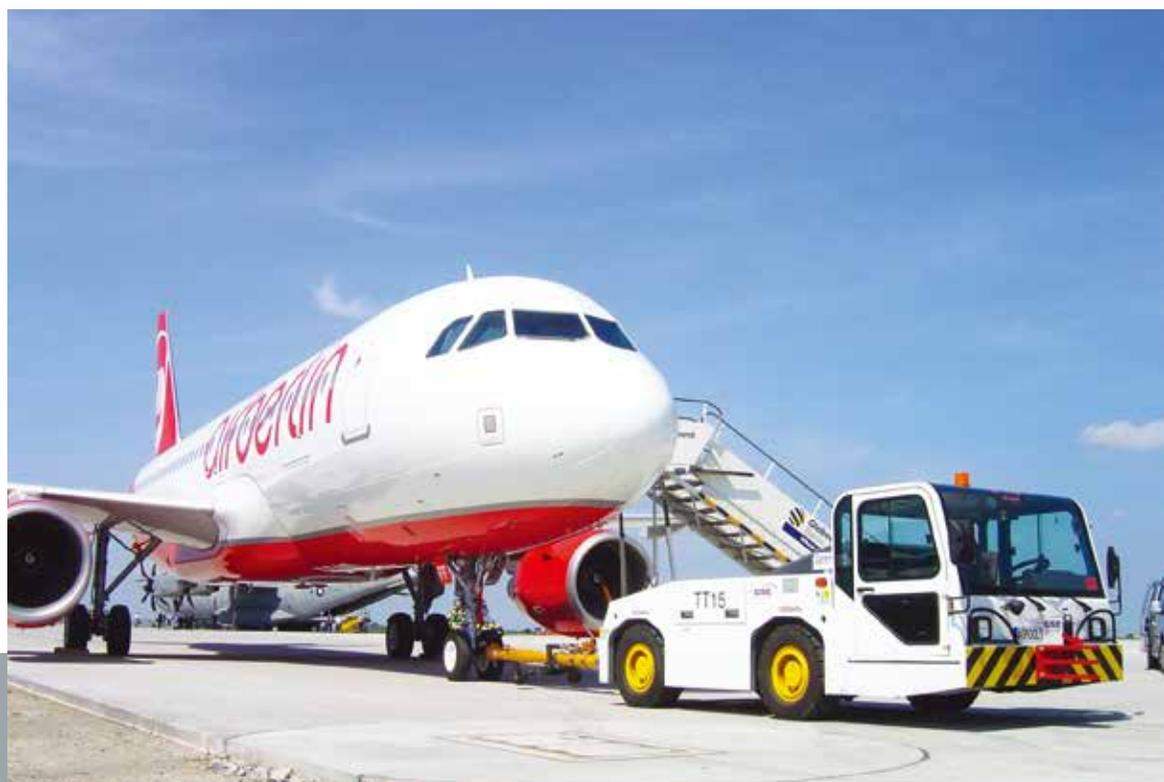
WGQY Series Aircraft Tow Tractor-WGQY15, WGQY27
Weihai Guangtai Airport Equipment Co., Ltd.


Industrial and Commercial Point-Type Gas Detector
Jinan Benan Technology Development Co., Ltd.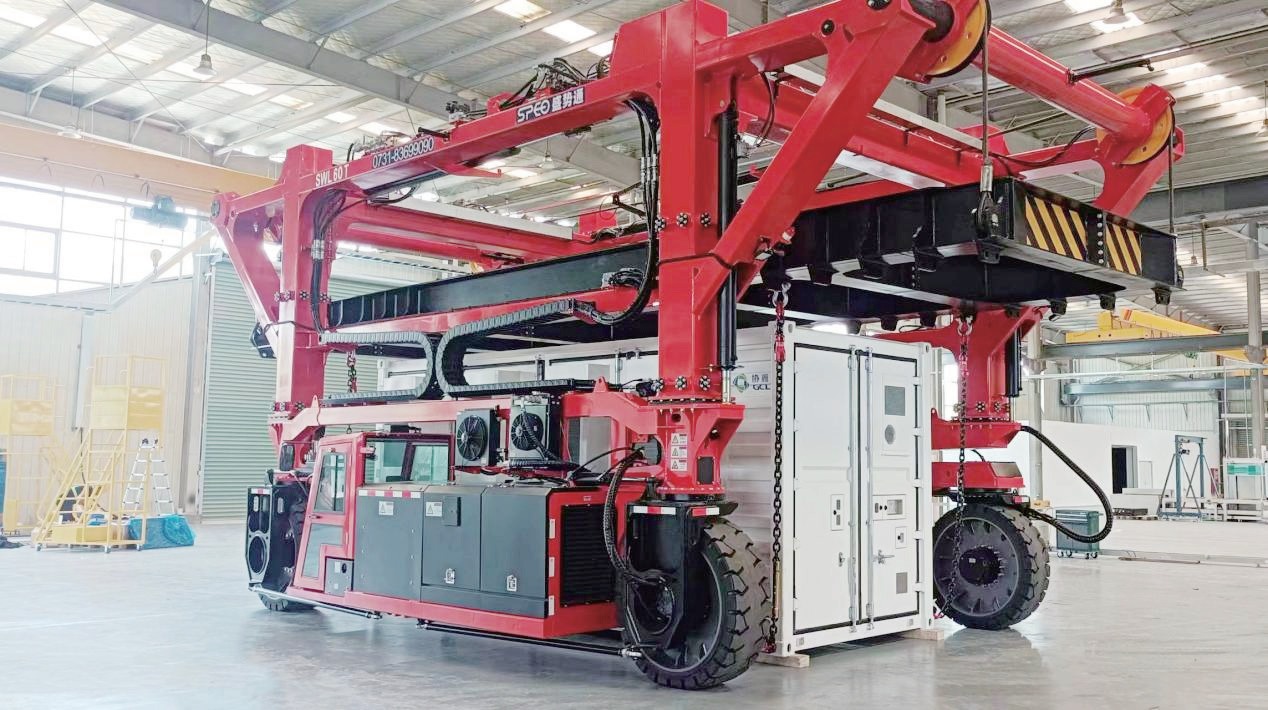
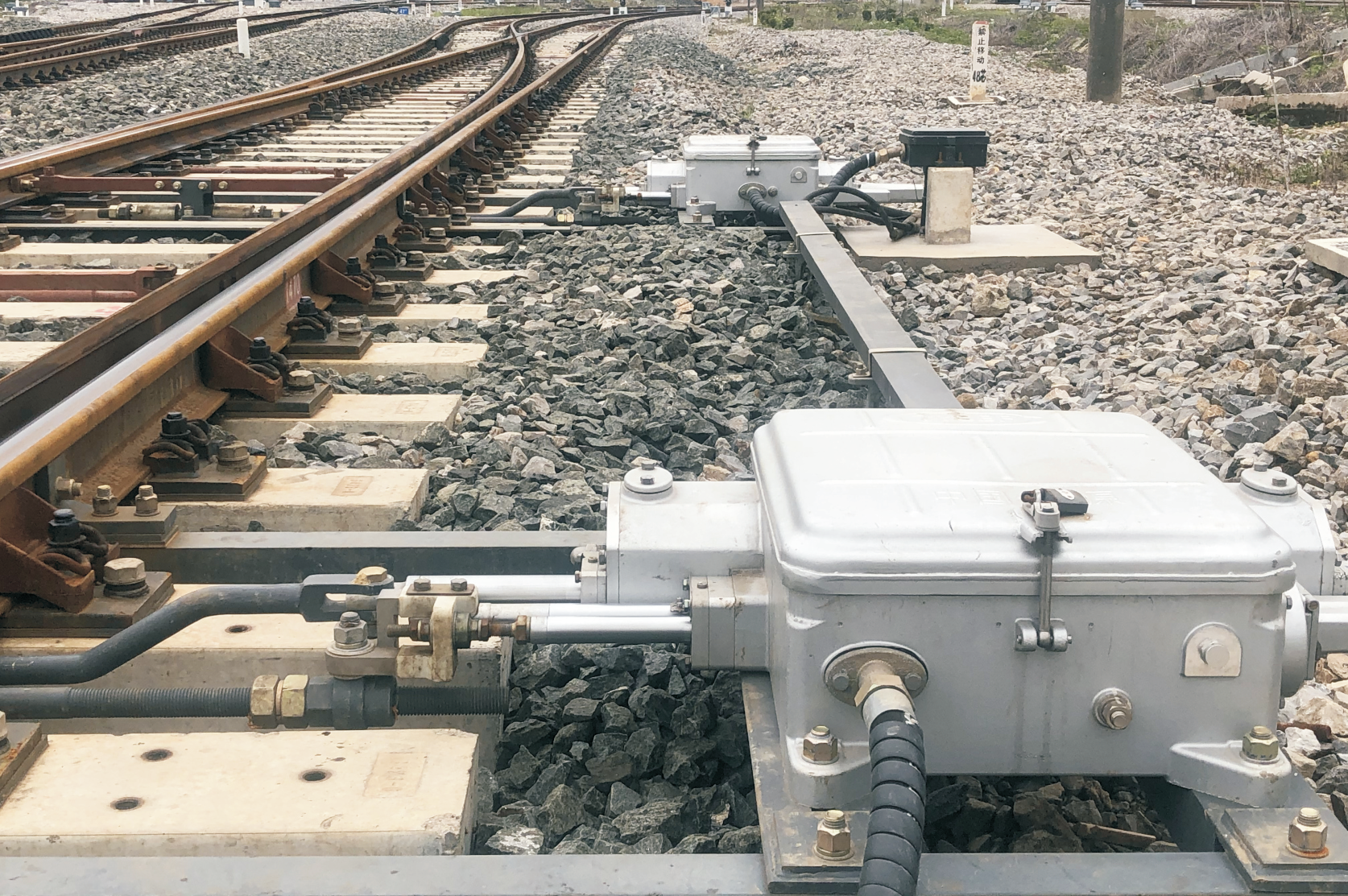
ZY(J)7(M) Sealed Type Electro-Hydraulic Turnout Machine
TAIYUAN CR JINGFENG EQUIPMENT TECHNOLOGY CO., LTD.