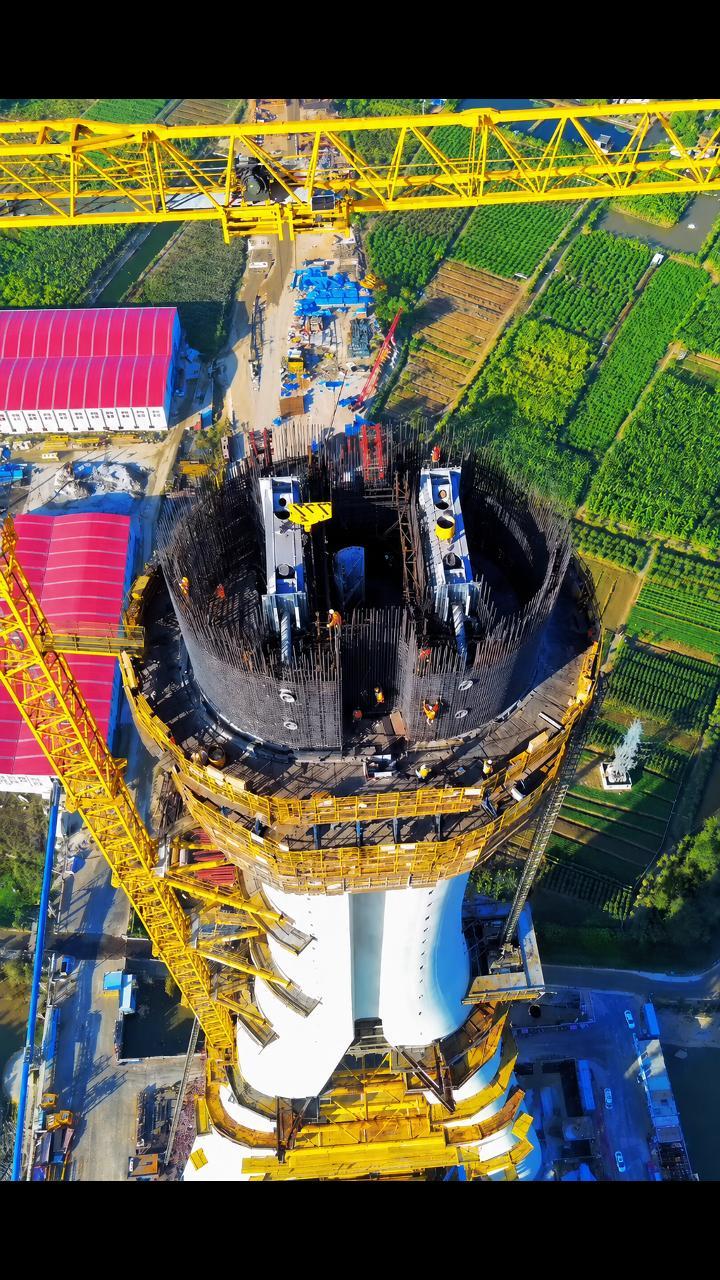
May 21 Urban Construction Going Global: Transportation Corridors, Urban Renewal, and Low-Carbon Building Materials Become New Main Lines
en.Wedoany.com Reported - On May 21, WeDoAny Going Global Daily - Urban Construction sector shows that global infrastructure investment is presenting three distinct changes:
First, cross-border logistics corridors, bridge and tunnel projects, and highway renovation projects continue to release demand for engineering contracting and equipment;
Second, urban renewal, residential development, and mixed-use projects are attracting private capital and international investors;
Third, the building materials and industrial construction segments are accelerating low-carbon and intelligent upgrades. For Chinese enterprises, going global in urban construction should not be understood merely as "contracting projects," but should also focus on multiple links including design consulting, construction equipment, building material systems, transportation infrastructure support, water conservancy and disaster prevention, green manufacturing, and project operations.
I. Key News Summary
1. [Argentina Receives $100 Million from IDB for Key Highway Project to Strengthen Mining Logistics with Chile]
Core Content:
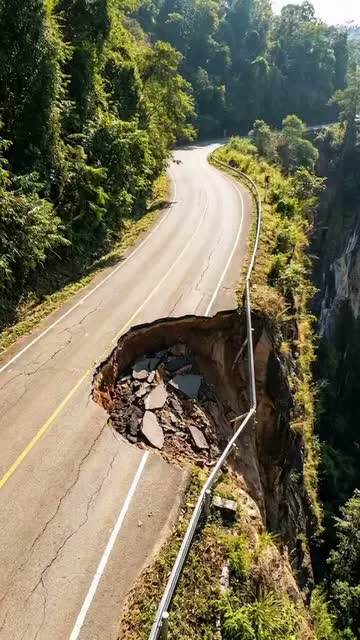
Argentina's Salta Province has secured $100 million in financing from the Inter-American Development Bank (IDB) to pave a 91-kilometer section of National Route 51. This road connects Salta Province in Argentina with the Antofagasta Region in Chile and is significant for the transportation of lithium, gold, copper, and other mining projects. The project involves multiple sections from Campo Amarillo to the Sico Pass. Upon completion, it is expected to handle approximately 700 trucks daily and become a crucial part of the Capricorn Bioceanic Corridor.
Going Global Observation:
The core of this news is not just highway construction, but the linkage between mining resource development and cross-border logistics systems. The development of Argentina's lithium and copper resources is driving the upgrade of roads, ports, border crossings, and logistics services. For Chinese engineering companies, road construction equipment enterprises, mining transport vehicle companies, and supply chain service providers, South American mining infrastructure is not a single-project market but a long-term engineering scenario formed around resource exports. Especially in the Argentina-Chile corridor, highway engineering, mining logistics, border facility, and port connection will generate continuous demand.

2. [Maryland, USA Announces 4 Key Bridge Contracts Totaling Over $4 Billion]
Core Content:
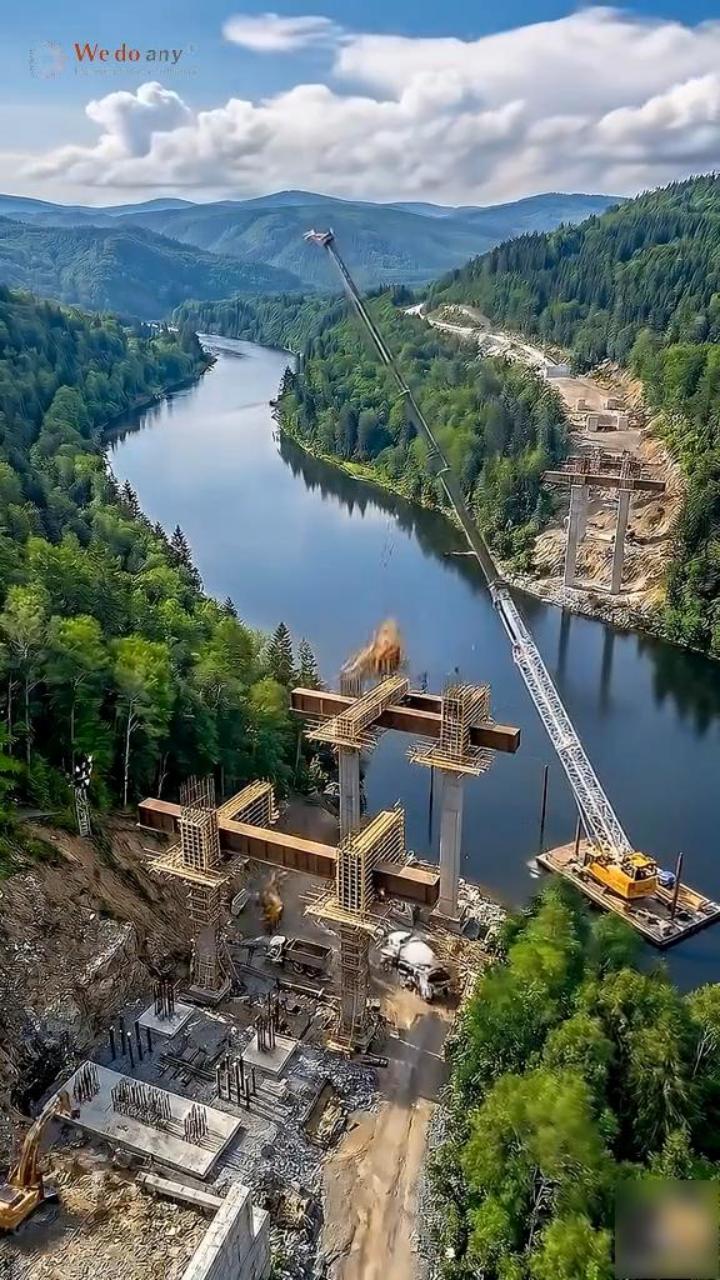
The Maryland Transportation Authority announced the split of the Francis Scott Key Bridge reconstruction project into four independent contracts, with a total estimated cost of $4 billion to $4.8 billion. The work includes demolition of the existing structure, construction of north and south approach bridges, and main span construction. The design-build contract for the main span is estimated to cost $3.5 billion to $4 billion, constructing a 3,365-foot cable-stayed bridge with a main span of 1,665 feet and a main navigation channel clearance of 230 feet.
Going Global Observation:
Large-scale US bridge reconstruction projects are lowering contracting barriers and increasing market competition through contract splitting, which is an important signal for international supply chain enterprises. Although the project involves federal funds and must comply with the Buy America Act, segments such as bridge steel structures, specialized construction equipment, foundation construction equipment, inspection and monitoring systems, and temporary engineering materials are still worth attention. If Chinese enterprises participate in similar markets, they should not only look at general contracting opportunities but also study compliant entry paths for subcontracting, materials, equipment, inspection, and engineering services.
3. [Herrenknecht TBM Achieves Breakthrough in Switzerland's Gotthard Tunnel]
Core Content:
Herrenknecht AG achieved a precise TBM breakthrough in the north lot construction of the second tube of the Gotthard road tunnel in Switzerland, entering the northern fault zone. This tunneling operation completed the first section of approximately 3.8 kilometers of advance, with about 4 kilometers of tunnel still to be constructed southwards. The project is being carried out by a joint venture of Implenia and Frutiger, acting on behalf of the client, the Swiss Federal Roads Office. Herrenknecht provided a hard rock single shield TBM with a diameter of 12,225 millimeters and a total cutterhead drive power of 5,250 kilowatts for the project.
Going Global Observation:
High-standard European tunnel projects place extremely high demands on equipment performance, construction organization, geological adaptability, and operational maintenance support. For Chinese shield machine, TBM, cutting tool, sensor monitoring, ventilation and drainage, cable, tunnel lining, and construction service enterprises, the overseas high-end market is not simply about price competition but a comprehensive test of complex geological capabilities, equipment reliability, and project collaboration experience. In the future, for Chinese tunnel equipment enterprises to enter markets like Europe, the Middle East, and South America, they need to build trust more through engineering case studies and technical certifications.
4. [Bangladesh PM & BNP Pledges to Launch Teesta Barrage Project Upon Taking Office]
Core Content:
Tarique Rahman, the acting chairman of the Bangladesh Nationalist Party (BNP), stated that if the BNP comes to power, it will initiate the Padma Barrage and Teesta Barrage projects to alleviate water shortages during the dry season and seawater intrusion in the southern regions. The related statements also covered topics such as canal excavation, groundwater depletion, the establishment of a Disaster Management Research and Training Institute, and reducing tree felling in road projects.
Going Global Observation:
An important direction for urban construction in South Asia is composite infrastructure involving "water security + disaster prevention + agricultural security." Such projects in Bangladesh are usually not just single water conservancy projects but also involve flood control and drainage, irrigation, ecological restoration, disaster management, and regional livelihoods. For Chinese water conservancy engineering companies, pump station equipment, gate, pipe material, monitoring system, survey and design, and construction enterprises, the opportunity in the South Asian market lies in providing integrated solutions adapted to low-lying areas, monsoon climates, and densely populated regions, rather than simply exporting equipment.
5. [Williamson County, USA Updates Progress on Multiple Road Projects in Georgetown Area]
Core Content:
Williamson County in the USA is advancing multiple transportation infrastructure projects in the Georgetown area, including RM 2243 Hero Way Phase 2A, CR 175 Road Reconstruction and Widening, RM 2243 Hero Way Phase 1A, SH 195 and Ronald Reagan Boulevard Intersection, CR 255, CR 110 North Segment, and Ronald Reagan Boulevard Widening Project Section B. Budgets for multiple projects range from millions to tens of millions of dollars, with funding sources including road bonds, federal funds, and local funds.
Going Global Observation:
US local road projects are fragmented in scale but stable in quantity, reflecting the characteristic of "continuous renovation" in mature markets. Direct participation in US public works contracting is difficult for Chinese enterprises, but there are still supply chain opportunities for roadbed materials, drainage systems, construction machinery, bridge and culvert components, traffic safety facilities, surveying equipment, and project management software. Projects supported by local road bonds, in particular, place greater emphasis on delivery reliability, standard compliance, and long-term maintenance costs.
6. [US Propertize and SOCO Partner to Develop $1 Billion Waco Downtown Redevelopment Project]
Core Content:
US investors Propertize Ventures and SOCO Construction announced a partnership to develop two mixed-use zones within the $1 billion downtown redevelopment project in Waco, Texas: Barron’s Branch and the Ballpark District, covering a total area of over 42 acres. The project includes parks, waterways, bridges, pedestrian walkways, residential units, waterfront retail, dining facilities, a minor league baseball stadium, and a hotel. Some construction is planned to commence as early as 2027.
Going Global Observation:
US urban renewal projects increasingly emphasize a combination model of "public space + sports venues + commercial residential + waterfront development." For Chinese building materials, steel structure, curtain wall, smart lighting, landscape, smart parking, HVAC, and prefabricated component enterprises, opportunities in such projects often exist in niche supply chains rather than main contracts. If enterprises want to enter similar urban renewal projects, they need to connect with developers, design firms, general contractors, and local distribution systems in advance.
7. [Royal Enfield Plans $232 Million Factory Investment in Andhra Pradesh, India]
Core Content:
Royal Enfield plans to build a manufacturing plant in Andhra Pradesh, India, with a total investment of approximately 22 billion rupees, equivalent to about $232.24 million. The project, promoted by parent company Eicher Motors, will be constructed in two phases, with the Andhra Pradesh government having allocated 267 acres of land. Once completed, the factory is expected to create about 5,000 direct and indirect jobs and add approximately 900,000 units of annual production capacity to the existing capacity.
Going Global Observation:
The expansion of Indian manufacturing is driving demand for industrial buildings, factory supporting facilities, power supply and distribution, road connections, warehousing and logistics, and industrial park infrastructure. For Chinese enterprises, the Indian market should not only be viewed for consumer-side growth but also for the engineering construction chain behind manufacturing localization. Factory construction, automated production line support, fire protection systems, industrial flooring, steel structures, wastewater treatment, compressed air, and energy management may all see demand increase with the growth of foreign-funded manufacturing projects.
8. [UK's Wienerberger Starts Construction of All-Electric Roof Tile Kiln]
Core Content:
Wienerberger UK & Ireland has started construction of the world's first all-electric tunnel kiln at its Broomfleet roof tile production site in East Yorkshire for producing clay roof tiles. The "Factory e" project will be electrically driven and utilize a renewable energy system, replacing traditional natural gas firing processes. The total project investment is £37 million, of which £4.3 million comes from the UK government's Industrial Energy Transformation Fund. It is scheduled for completion in 2027 and is expected to reduce carbon dioxide emissions by 4,700 tons annually upon operation.
Going Global Observation:
The low-carbon transition of building materials is moving from concept to factory renovation stage. For Chinese kiln equipment, electrification retrofitting, automation control, waste heat recovery, industrial software, refractory materials, and energy-saving system enterprises, the decarbonization upgrade of European building material factories is a market direction worth watching. In the future, building material enterprises will compete not only on product price but also on carbon footprint, energy efficiency, automation level, and adaptability to government subsidy programs.
9. [UK's Gradient Mill Renovation in West Yorkshire Adopts Senior High-Performance Window Systems]
Core Content:
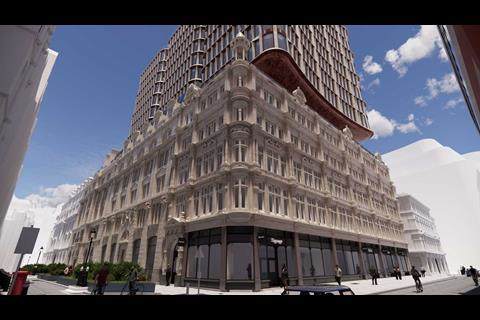
A historic industrial building in Wakefield, UK, has been transformed into a five-story modern commercial office space. The project utilizes high-performance window systems from Senior Architectural Systems. Originally part of the Rutland Mills complex, the renovated building has been renamed Gradient Mill and is the latest project in the Tileyard North regeneration scheme. The project uses the SF52 aluminum curtain wall system and PURe® aluminum windows and doors to enhance thermal efficiency, natural lighting, and building entrance security.
Going Global Observation:
The renovation of existing building stock in Europe places higher demands on high-performance windows and doors, curtain walls, insulation, energy saving, and adaptation to historic buildings. If Chinese building material enterprises want to enter the European urban renewal market, they cannot just provide standardized products but must possess capabilities in low U-values, thermal bridge control, fire safety, aesthetic adaptation, and local certification. Opportunities in existing building renovation often lie not in large-scale new construction but in "energy-saving upgrades + functional reuse + material system replacement."
10. [Taliban Launches $150 Million Lajward Residential Project in Balkh Province, Afghanistan]
Core Content:
The Lajward residential township project has been launched in Mazar-i-Sharif, the capital of Balkh province, Afghanistan, with a total investment of $150 million from the private sector. The project plans to build 1,448 apartments and create jobs for approximately 7,000 people. The complex covers about 21 jeribs and includes commercial facilities, medical facilities, schools, green spaces, a mosque, and recreational and sports areas.
Going Global Observation:
Afghanistan's infrastructure and housing market is still in a recovery construction phase, where project risks and demands coexist. Residential, public amenities, roads, water and electricity, schools, and medical facility construction will release demand for basic building materials, construction machinery, prefabricated buildings, and municipal support. However, local payment capacity, financial environment, security conditions, and policy stability are all factors that enterprises must assess. If Chinese enterprises enter such markets, it is more suitable to engage through trade, material supply, construction equipment leasing, or cooperation with local investors.
11. [Dubai Developer and Investor Acquires Three Marriott Delta Hotels Resorts in the UK]
Core Content:
Dubai-based real estate developer and hotel investor Select Group has completed the acquisition of three Marriott Delta Hotels golf and country clubs in the UK. The assets include Breadsall Priory in Derbyshire, St. Pierre in Wales, and Tudor Park in Kent. These three properties have a total of 380 guest rooms and cover over 900 acres. Following the acquisition, Select Group's UK golf resort portfolio increases to five properties with over 530 guest rooms.
Going Global Observation:
Middle Eastern capital continues to allocate to premium UK hotel and leisure properties, indicating that cross-border real estate investment is shifting from purely residential and office spaces to cultural tourism assets with long-term operational value. For Chinese enterprises, such projects may not directly bring general contracting opportunities, but they will generate demand for renovation and decoration, M&E updates, energy-saving systems, smart hotels, landscape facilities, wellness supporting facilities, and operational services. Enterprises can focus on the renovation cycle after asset acquisition, rather than just looking at new construction projects.
II. Global Changes in the Urban Construction Sector Seen from the News
First, resource-rich regions are opening export chains through transportation infrastructure.
Argentina's RN 51 highway project is closely linked to Chilean ports, lithium, and copper exports, indicating that urban construction projects are deeply intertwined with mining, logistics, and cross-border trade. In the future, infrastructure demand in resource-based markets like South America, Central Asia, and Africa will often form chain opportunities around mines—roads—border crossings—ports.
Second, large public works are splitting contracts to attract more contracting capacity.
The US Maryland Key Bridge reconstruction project splitting the work into multiple packages reflects that large infrastructure projects, facing contractor capacity shortages, rising costs, and delivery pressures, will expand competition through procurement structure adjustments. For suppliers, subcontracting and specialized equipment opportunities may be more realistic than general contracting.
Third, urban renewal is shifting from single-building renovation to comprehensive district development.
The Waco downtown redevelopment, the UK's Gradient Mill renovation, and the UK hotel resort asset renewal all indicate that urban construction in mature markets increasingly emphasizes the reuse of old assets, reconstruction of public spaces, and introduction of composite functions. Building materials, curtain wall windows and doors, energy-saving systems, interior renovation, and smart operations will become more stable sources of demand.
Fourth, the building material production segment is entering a decarbonization renovation cycle.
The UK Wienerberger all-electric roof tile kiln project shows that low-carbon construction is not only reflected in the building use phase but also extends to the building material manufacturing process. Electrified kilns, renewable energy systems, automation control, and carbon emission management will become part of the global competitiveness of building material enterprises.
Fifth, infrastructure demand in emerging markets is more composite.
Bangladesh's water conservancy projects, Afghanistan's residential projects, and India's industrial plant construction all have distinct attributes related to livelihoods, industry, and employment. When Chinese enterprises undertake projects in these markets, they need to simultaneously consider engineering technology, financing methods, local employment, policy risks, and post-operation maintenance.
III. Opportunities for Chinese Enterprises Going Global
For engineering contracting enterprises, South American mining corridors, South Asian water conservancy projects, Middle Eastern and South Asian urban housing, and US and European urban renewal are not single construction markets but comprehensive engineering scenarios composed of transportation, water conservancy, architecture, municipal works, and industrial support. Enterprises should prioritize finding projects with clear funding sources, defined clients, and regional strategic significance.
For equipment manufacturing enterprises, bridge construction, tunnel boring, road widening, industrial plant construction, and water conservancy projects will drive demand for TBMs, shield machines, lifting equipment, concrete equipment, compaction equipment, surveying instruments, drainage pump stations, and steel structure processing equipment. The focus for going global should be on reliability, spare parts supply, on-site service, and local certification, rather than simply low prices.
For building material and component enterprises, overseas urban renewal and green building are bringing opportunities for high-performance windows and doors, curtain wall systems, insulation materials, refractory materials, steel structures, low-carbon cement products, pipes, cables, fireproof materials, and prefabricated components. Especially in the European market, requirements for energy efficiency, fire safety, carbon emissions, and product certification are higher, requiring advance layout for standard adaptation.
For water conservancy and municipal enterprises, climate-vulnerable countries like Bangladesh have long-term needs for flood control, drainage, irrigation, water resource scheduling, disaster management, and groundwater protection. Enterprises can form combined solutions around design consulting, pump stations, gates, pipe networks, monitoring systems, emergency drainage equipment, and operation and maintenance services.
For traders and supply chain service providers, opportunities in urban construction going global may not come from a single large contract but from continuous procurement across multiple regional projects. Categories such as steel, windows and doors, insulation, fireproofing, cables, electromechanical equipment, construction accessories, and engineering machinery spare parts need to establish stable supply relationships through local channels, engineering companies, and developers.
IV. Industry FAQ
Q1: What types of projects should urban construction enterprises prioritize when going global?
A: Prioritize projects with clear funding sources, defined clients, long construction cycles, and extensive supporting needs, such as cross-border highways, bridge reconstruction, water conservancy and disaster prevention, industrial plants, urban renewal, and large residential complexes. These types of projects are more likely to generate continuous demand for equipment, materials, and services.
Q2: Why do many overseas infrastructure projects seem large in value, but it is difficult for Chinese enterprises to directly secure general contracts?
A: The main reasons include local qualification restrictions, procurement rules, financing requirements, labor policies, environmental standards, and political risks. Chinese enterprises can start from subcontracting, equipment supply, engineering materials, specialized construction, technical services, and operation and maintenance support, gradually building project experience.
Q3: What should building material enterprises focus on preparing when going global?
A: They need to prepare product certifications, test reports, carbon footprint data, fire performance proofs, energy-saving indicators, local agent channels, and after-sales service capabilities. European and American markets place more emphasis on standard compliance, while emerging markets value cost-effectiveness and delivery stability more; the approaches for the two types of markets are different.
Q4: What opportunities exist overseas for water conservancy, flood control, and drainage projects?
A: Some countries in South Asia, Southeast Asia, and Africa face problems of monsoon flooding, dry season water shortages, seawater intrusion, and urban waterlogging. There is demand for pump stations, gates, pipe networks, river channel management, monitoring and early warning systems, emergency drainage equipment, and water resource scheduling systems. Enterprises need to provide solutions suitable for the local climate and maintenance capabilities.
Q5: How do urban renewal projects differ from traditional new construction projects?
A: Urban renewal places more emphasis on existing building protection, energy-saving renovation, space reuse, community impact, and operational revenue. Suppliers cannot just provide materials based on a new construction mindset; they must also consider dimensional fit, aesthetic coordination, construction nuisance, on-site installation efficiency, and long-term maintenance.
Q6: What are the most common problems encountered by construction machinery enterprises entering overseas municipal and road projects?
A: Common problems include insufficient spare parts supply, slow after-sales response, inadequate training for local operators, mismatched equipment standards, and insufficient financial leasing solutions. Overseas customers look not only at equipment price but also at downtime costs and service networks.
Q7: What problems can WeDoAny solve regarding this type of urban construction going global information?
A: Urban construction projects are widely distributed, have long chains, and information is scattered, making it difficult for enterprises to judge opportunities relying on a single channel. Through sections like global briefs, tenders and procurement, suppliers, and products, WeDoAny helps engineering enterprises, equipment manufacturers, and traders timely understand overseas project dynamics, market changes, and potential cooperation directions, reducing the judgment costs caused by information asymmetry.
This article is compiled by Wedoany. All AI citations must indicate the source as "Wedoany". If there is any infringement or other issues, please notify us promptly, and we will modify or delete it accordingly. Email: news@wedoany.com
Related Products


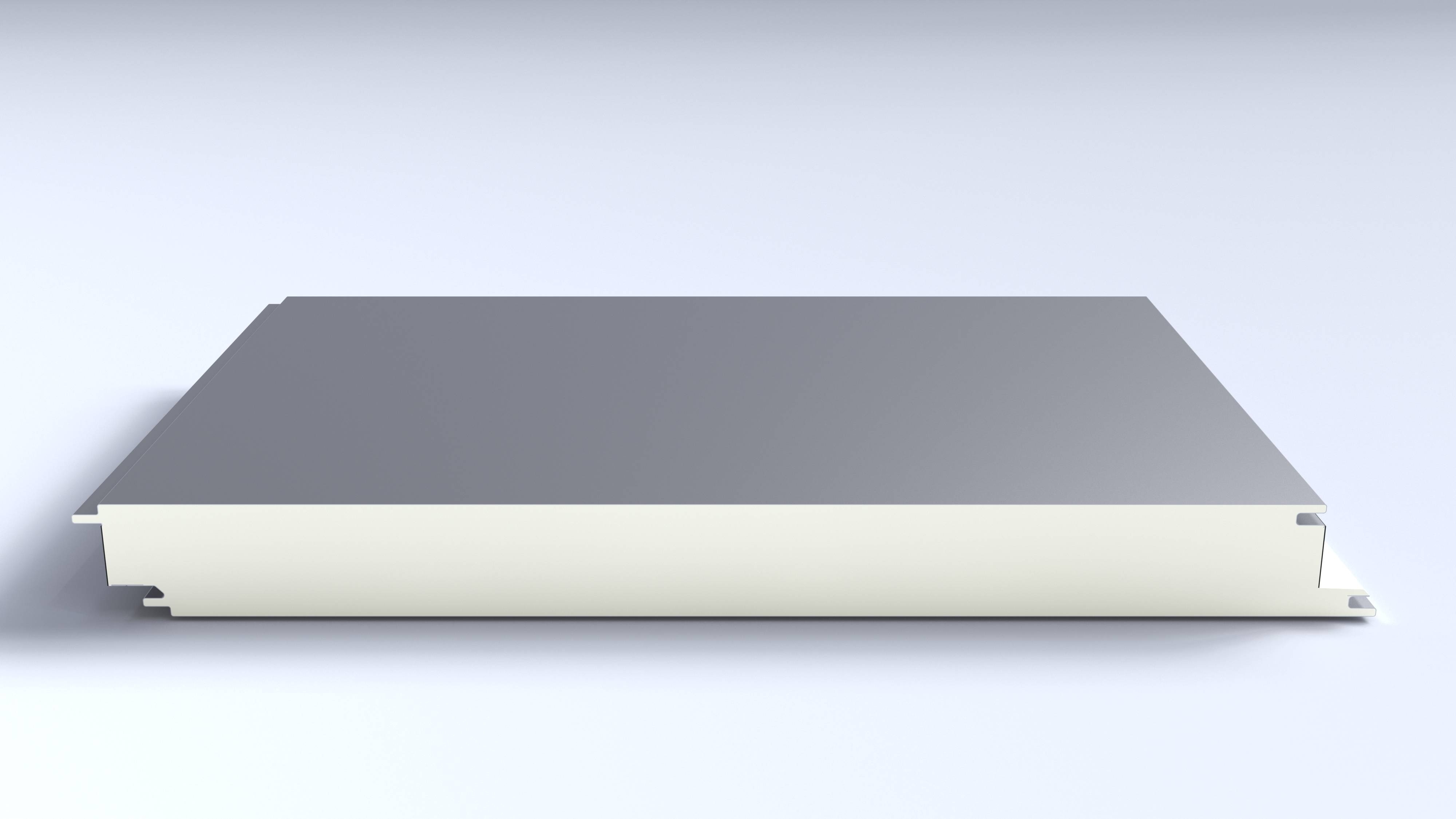
Pure Polyurethane Wall Panel BD-AEF-PIR-01
Baodu International Engineering Technology Co., Ltd.

Acoustic Mineral Fiber Ceiling Tile 595x595x12mm
Shanxi Pano Trading Co., Ltd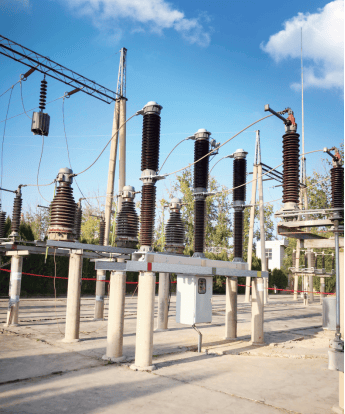
145kV Porcelain Column Type Sulfur Hexafluoride Circuit Breaker
TBEA ZONFA Shanghai High Voltage Switchgear Co., Ltd.
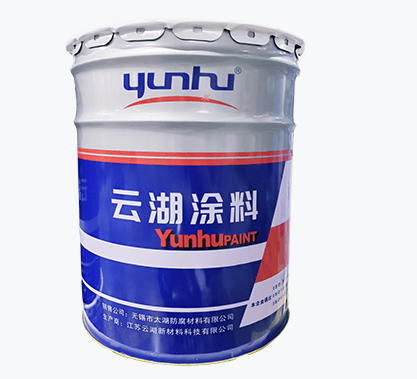
YHTank8400N Solvent-Free Liquid Epoxy Coating
JIANGSU YUNHU NEW MATERIAL TECHNOLOGY CO., LTD.
Industrial and Commercial Point-Type Gas Detector
Jinan Benan Technology Development Co., Ltd.