Hydrotreating Equipment Is Core Equipment for Clean Fuels and Refinery Upgrading
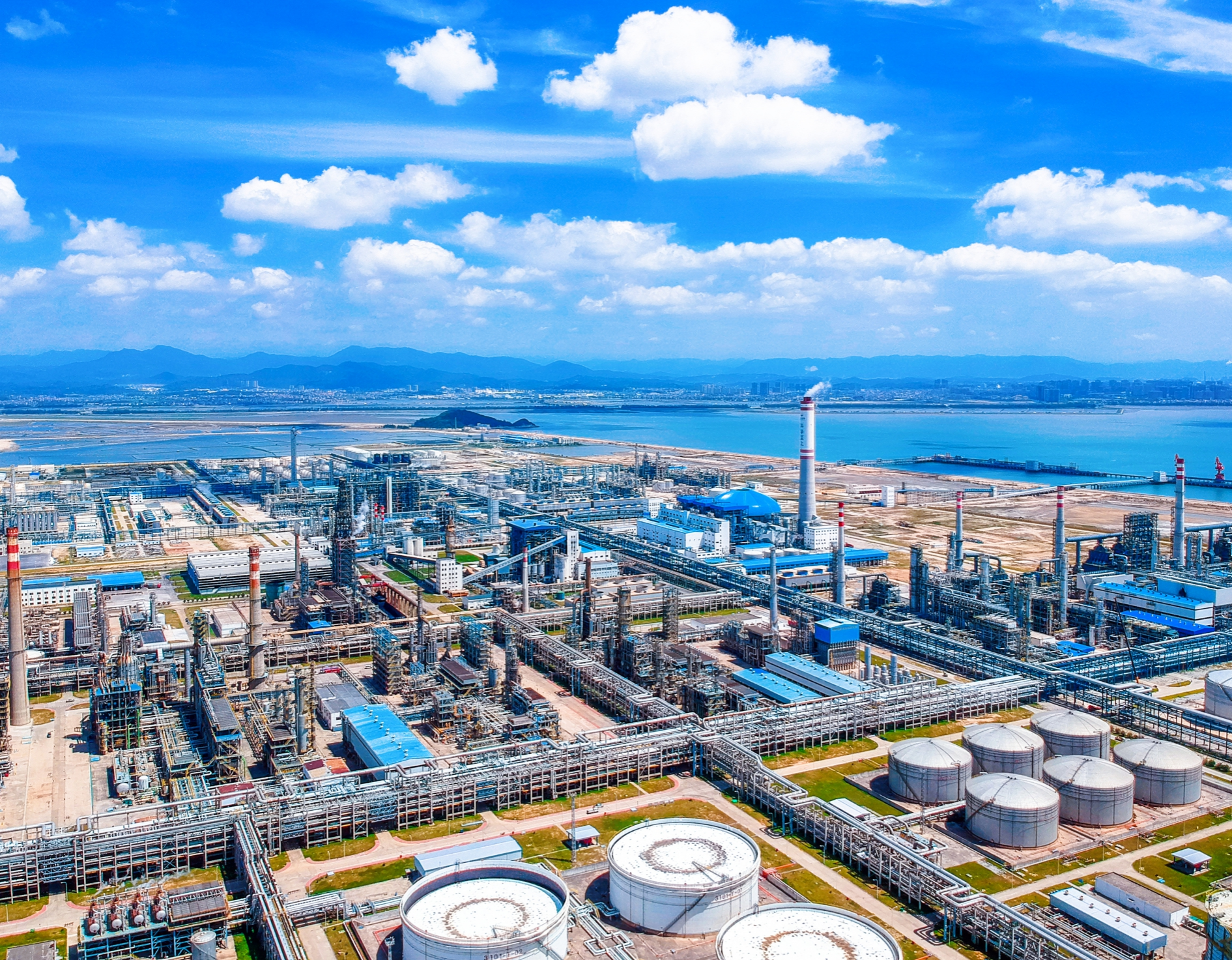
en.Wedoany.com Reported - As fuel quality requirements rise, low-sulfur fuel demand grows and refineries process heavier feedstocks, hydrotreating units have become indispensable core systems. Hydrotreating Refining Equipment affects sulfur, nitrogen and aromatics control in gasoline and diesel, as well as FCC feed quality, jet fuel quality and lubricant base oil performance.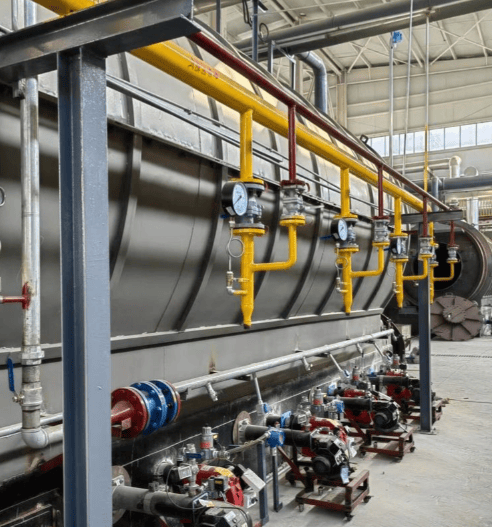
Hydroprocessing includes hydrotreating, hydrocracking, residue hydrotreating, naphtha hydrotreating and lube oil hydrotreating. These units share high temperature, high pressure, hydrogen environments and catalytic reactions. Key equipment includes reactors, recycle hydrogen compressors, heat exchangers, furnaces, high-pressure separators, cold and hot high-pressure separators, strippers, recycle gas desulfurization and relief systems. Any failure can cause high-pressure hydrogen leakage, catalyst bed pressure drop increase or product quality fluctuation.
EIA’s refinery capacity report includes operators of distillation, reforming, cracking, coking and hydrotreating processes, showing that hydrotreating is an important part of refinery capacity structure. In product trends, the IEA expects transport fuel growth to slow while petrochemical feedstocks become a key source of future oil demand growth. Hydrotreating equipment therefore supports not only clean fuels, but also higher-quality chemical feedstock production.
The greatest challenge is safety and long-cycle reliability. High-pressure hydrogen service requires strict material, welding, hydrogen embrittlement, creep, sealing and interlock standards. Sulfur, nitrogen, metals, gums and particles in feedstocks affect catalyst life. Poor heat release and temperature control can create hot spots and catalyst deactivation. Hydrotreating design should not focus only on reactor size; it must evaluate thermal management, hydrogen management and catalyst protection.
When planning hydroprocessing Refining Equipment, refineries should evaluate three issues. First, whether feed quality is stable and whether prefiltration or guard beds are needed. Second, whether hydrogen supply is sufficient, including hydrogen production, purity and recycle compressor capacity. Third, whether catalyst life matches refinery turnaround cycles. The value of hydrotreating equipment is not only desulfurization. It strengthens refinery product upgrading, feed flexibility and low-carbon transition capability.
This article is compiled by Wedoany. All AI citations must indicate the source as "Wedoany". If there is any infringement or other issues, please notify us promptly, and we will modify or delete it accordingly. Email: news@wedoany.com
Related Products


Smart Photovoltaic Prefabricated Substation
Shanghai Jinyou Jinhong Intelligent Electric Co., Ltd.
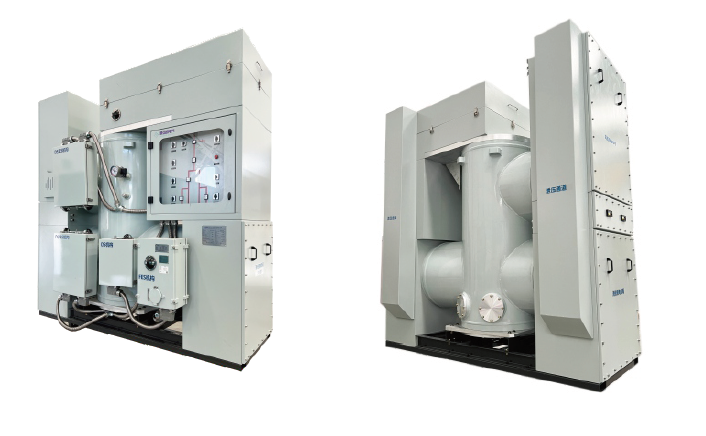
72.5kV 1250A 31.5kA SF6 free Gas-insulated Metal-enclosed Switchgear
Zhejiang Juhonkia Intelligent Electric Co., Ltd.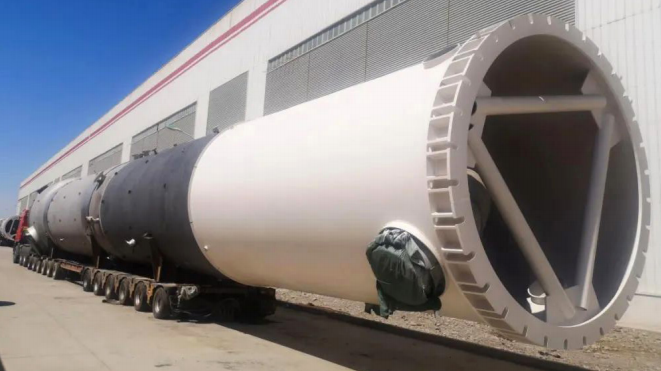
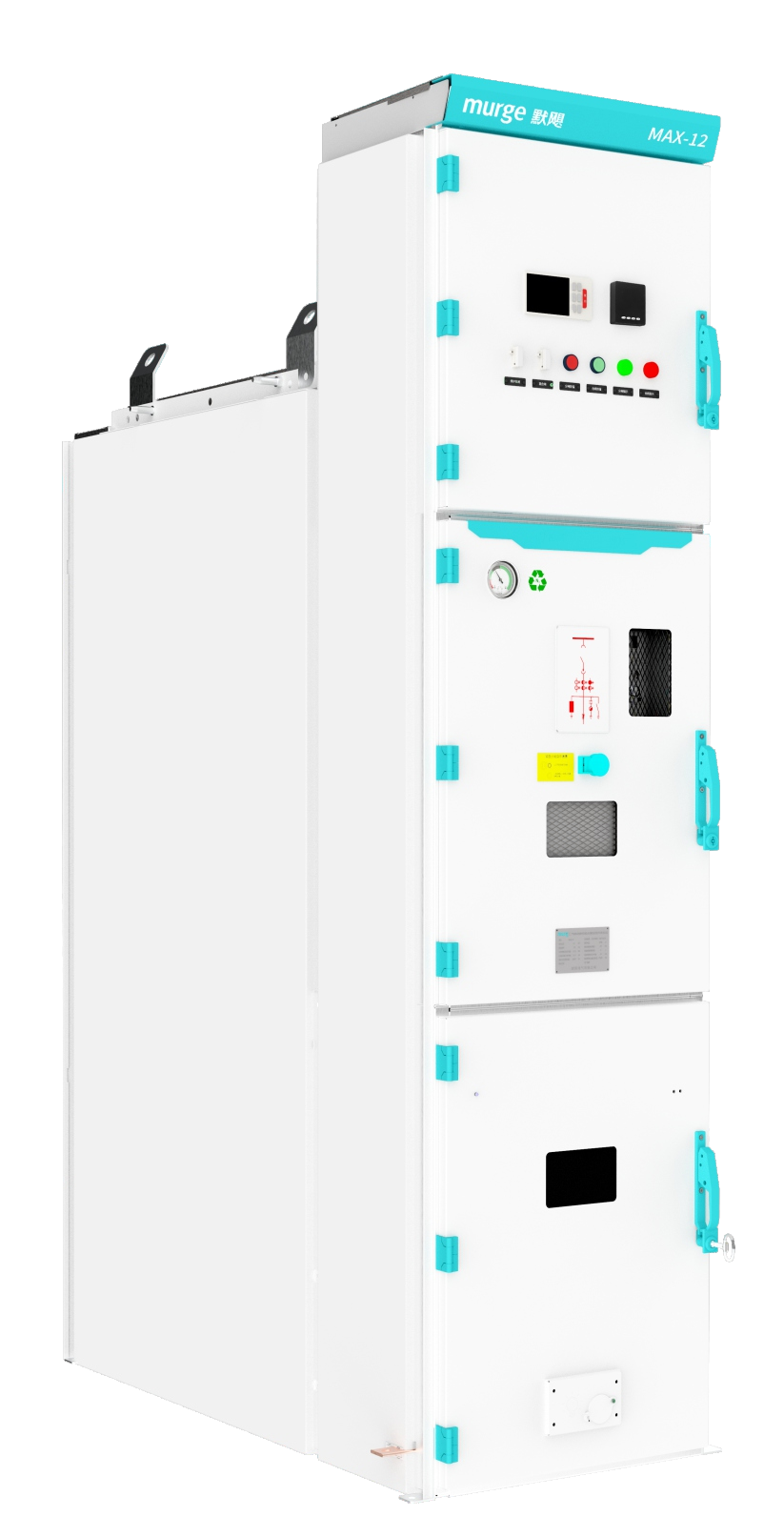
MAX-12 series Environmental Protection/SF6 gas insulated switchgear (C-GIS)
Murge Electric Co.,Ltd.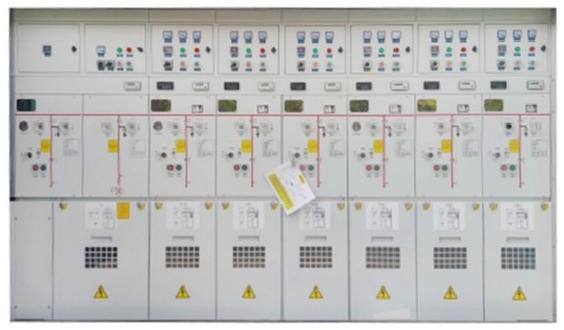
NISELA Series Environmentally Friendly Gas-Insulated Ring Main Unit
XJ DELISHIER ELECTRIC CO., LTD.