Corrosion Control and Emission Reduction Are Reshaping Petrochemical Storage Tank Maintenance
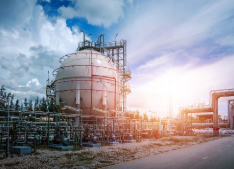
en.Wedoany.com Reported - As petrochemical companies move toward safer production, greener operation and more refined asset management, the operational value of Petrochemical Storage Tanks is being redefined. Storage tanks were once regarded mainly as static storage facilities. Today, corrosion control, vapor loss reduction, leakage prevention, maintenance planning and automation level are becoming important factors that directly affect operating cost and environmental performance.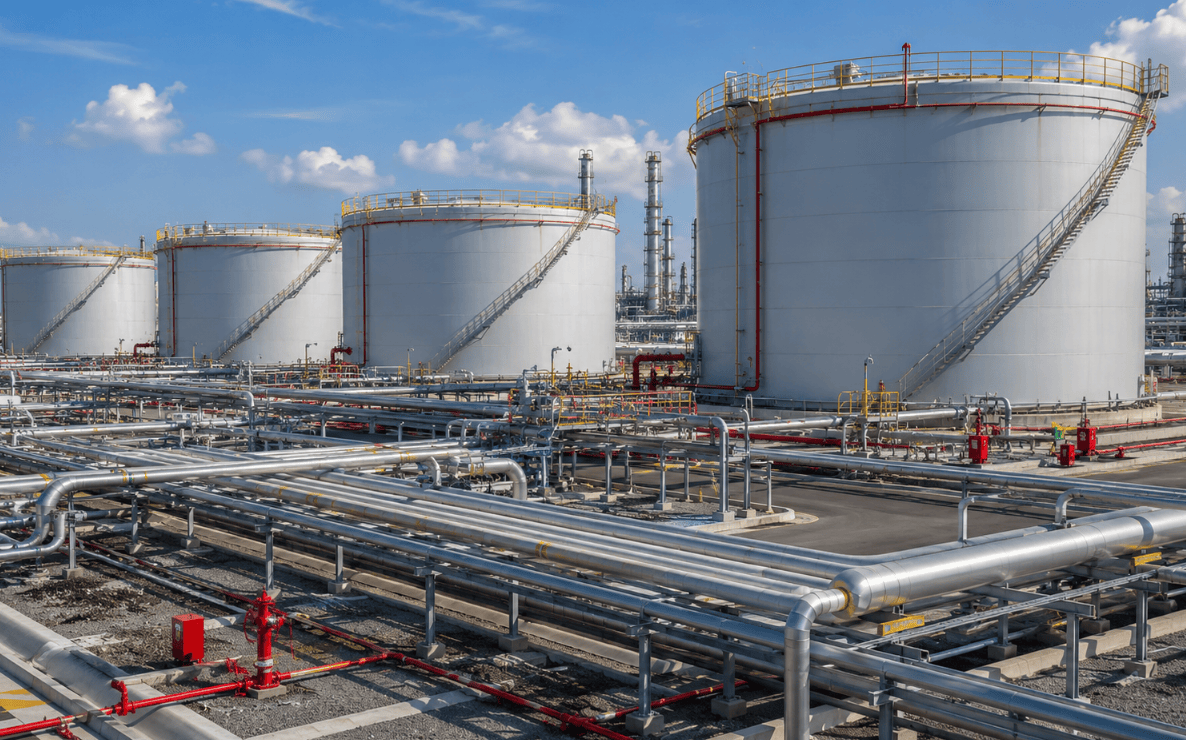
Petrochemical storage tanks operate under complex conditions for long periods. Tank walls, bottoms, welds, fittings and sealing systems can be affected by media properties, temperature variation, foundation settlement, humidity and external environments. For companies storing oil products and liquid chemicals, corrosion does not only shorten equipment life. It can also create leakage, pollution, shutdown and safety risks. Therefore, anti-corrosion design, coating quality, cathodic protection, tank bottom inspection and integrity assessment have become key elements of tank maintenance.
Vapor loss control is another important direction in storage tank management. Some oil products and liquid chemicals may generate vapor during storage, loading, unloading and temperature fluctuation. By improving floating roof seals, applying nitrogen blanketing, installing vapor recovery systems, maintaining breather valves and reducing unnecessary tank transfer operations, companies can reduce material losses and improve environmental management. These measures are not only environmental investments. They are also closely related to product loss control and process safety.
Digital operation is also accelerating in tank farms. Data from level measurement, temperature monitoring, pressure monitoring, combustible gas detection, settlement monitoring, corrosion inspection and leakage warning can help operators move from manual inspection to data-supported decision-making. In large tank farms, digital systems can also be connected with DCS, fire protection systems, loading systems and warehouse management platforms. This turns storage tanks from isolated facilities into manageable, traceable and warning-enabled asset units.
From the supplier perspective, competition in the petrochemical storage tank market is expanding from construction capability to lifecycle service capability. Companies that can provide inspection, repair, corrosion protection renewal, seal modification, automation upgrades and safety assessment services will be more competitive in existing facility markets. Demand is especially visible in old tank farm renovation, chemical park safety improvement and port storage facility upgrading.
The value of storage tanks is therefore moving from the construction stage to the operation stage. For petrochemical companies, better tank maintenance can reduce equipment risk, lower product losses, improve safety management and support environmental compliance. In the future, suppliers that can integrate corrosion control, emission reduction, monitoring and maintenance solutions will have stronger market competitiveness.
This article is compiled by Wedoany. All AI citations must indicate the source as "Wedoany". If there is any infringement or other issues, please notify us promptly, and we will modify or delete it accordingly. Email: news@wedoany.com
Related Products


Low voltage boost compensation device
Xinjiang Zhongtai Special Electric Equipment Co., Ltd.

CAP1400 main feedwater flow nozzle flowmeter.
Jiangsu Hongda Instrument Technology Co., LTD.
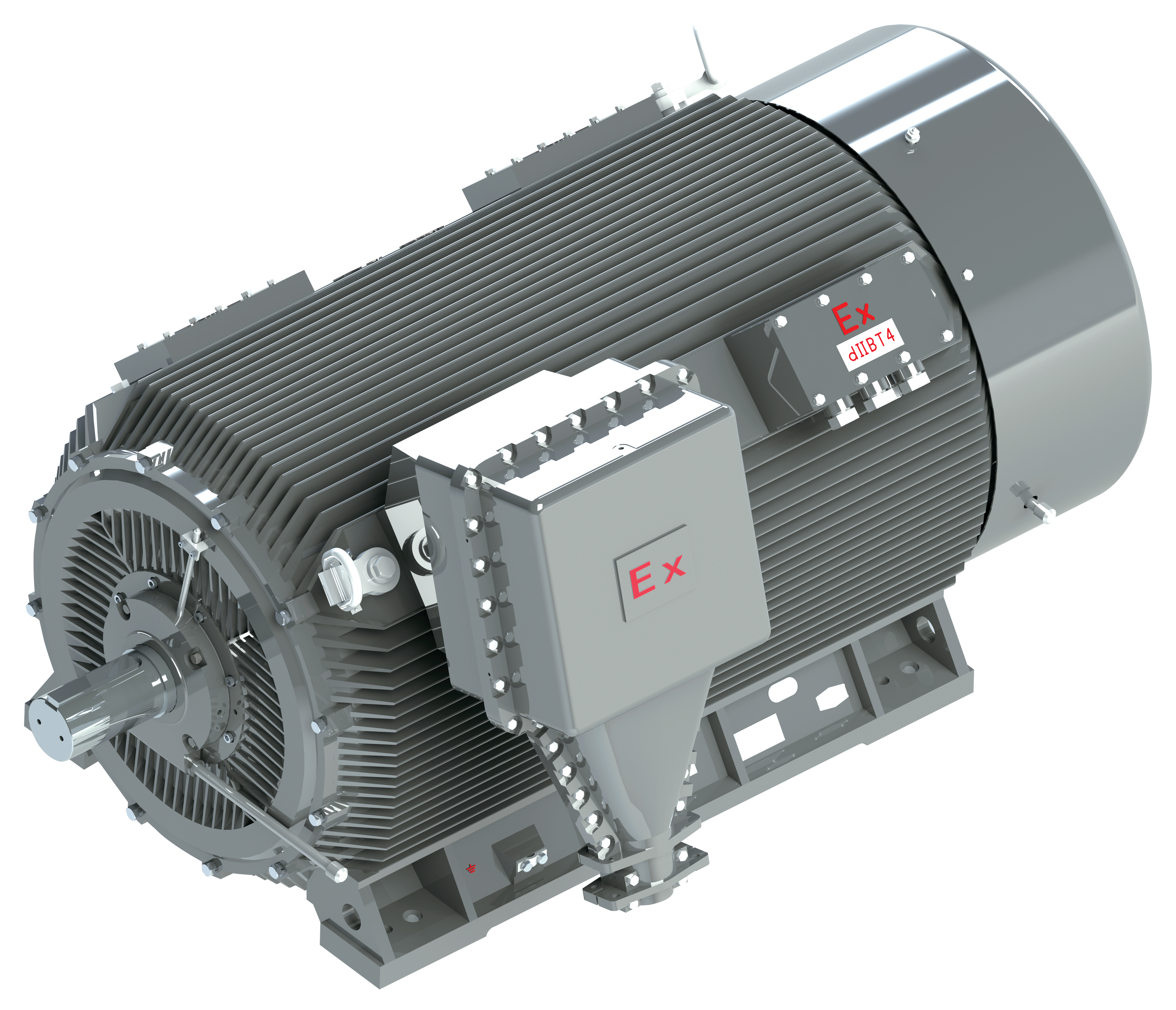
YBX3 Series (Frame Number 355-630) High-Efficiency Explosion-Proof Three-Phase Asynchronous Motor
Jiamusi Electric Machine Co., Ltd.