Biochemical Treatment System Performance Depends on Stable Process Control
en.Wedoany.com Reported - The Biochemical Treatment System is a core process in municipal sewage treatment, industrial wastewater treatment, park-level wastewater management and rural domestic sewage projects. It uses microorganisms to degrade and transform organic matter, ammonia nitrogen, total nitrogen and selected pollutants, making it essential for stable discharge compliance and water reuse.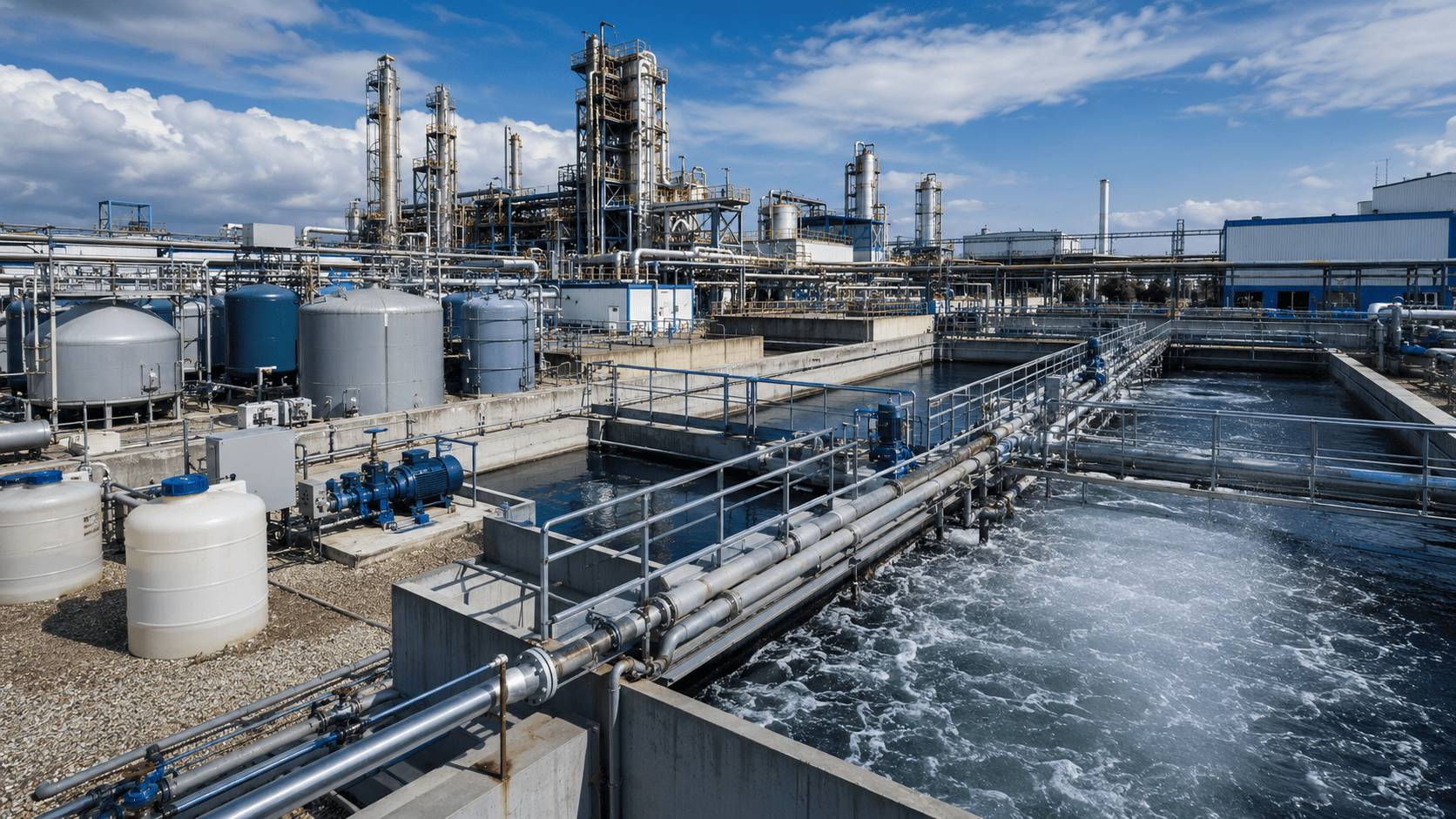
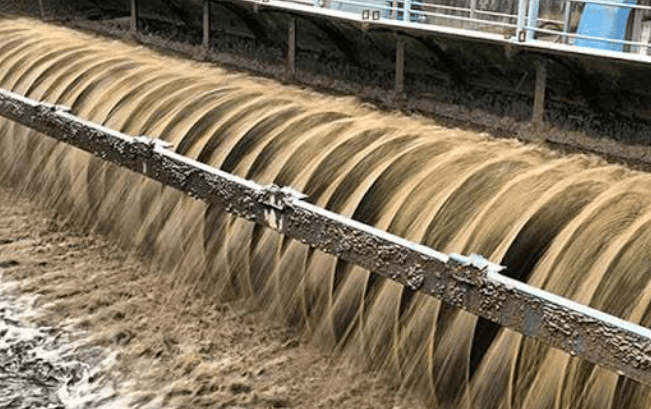
A biochemical treatment system is no longer only a combination of aeration tanks and sedimentation tanks. It is a system engineering task involving wastewater characteristics, microbial activity, process control, aeration energy consumption and sludge management. Its performance depends on influent quality, temperature, pH, dissolved oxygen, sludge concentration, hydraulic retention time and carbon-nitrogen ratio.
If influent fluctuates greatly or industrial wastewater contains inhibitory substances, the system may face sludge bulking, poor nitrogen removal, COD fluctuation or ammonia nitrogen exceedance. This is why the design stage must fully understand wastewater sources, pollutant characteristics and pretreatment requirements.
Common processes include activated sludge, A/O, A2/O, SBR, oxidation ditch, MBR, biological contact oxidation and biological filters. Municipal sewage projects often focus on stable nitrogen and phosphorus removal. Industrial wastewater projects require stronger resistance to shock loads and better connection with pretreatment. Rural sewage projects need low-maintenance and decentralized solutions.
Aeration is one of the main energy-consuming parts of biochemical treatment. By controlling dissolved oxygen, optimizing aeration equipment and using online monitoring, operators can reduce energy consumption while maintaining treatment performance. Future systems will rely more on digital control that connects water quality data, aeration data, sludge status and effluent indicators.
Overall, competition in biochemical treatment systems is shifting from civil construction and equipment supply toward process adaptability, operation control and lifecycle service. The real value is not only building the system, but keeping it stable, economical and compliant over the long term.
This article is compiled by Wedoany. All AI citations must indicate the source as "Wedoany". If there is any infringement or other issues, please notify us promptly, and we will modify or delete it accordingly. Email: news@wedoany.com
Related Products
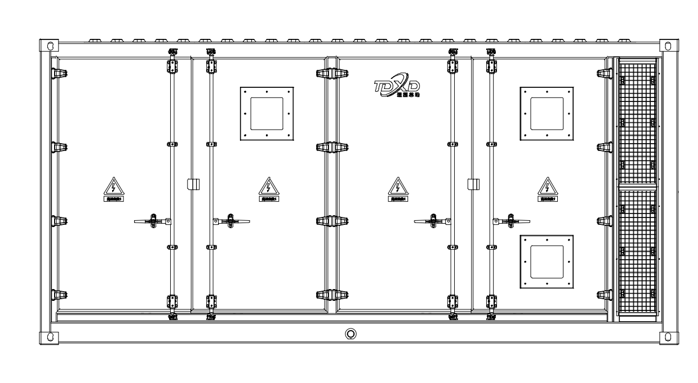

5012kWh DC Energy Storage System TD-EES-5012kWh
Suzhou Tongding Xindong Energy Storage Technology Co., Ltd.
Perfluorinated Ionic Membrane-CM-10N Series Membrane
Guizhou Juneng Century Technology Co., Ltd
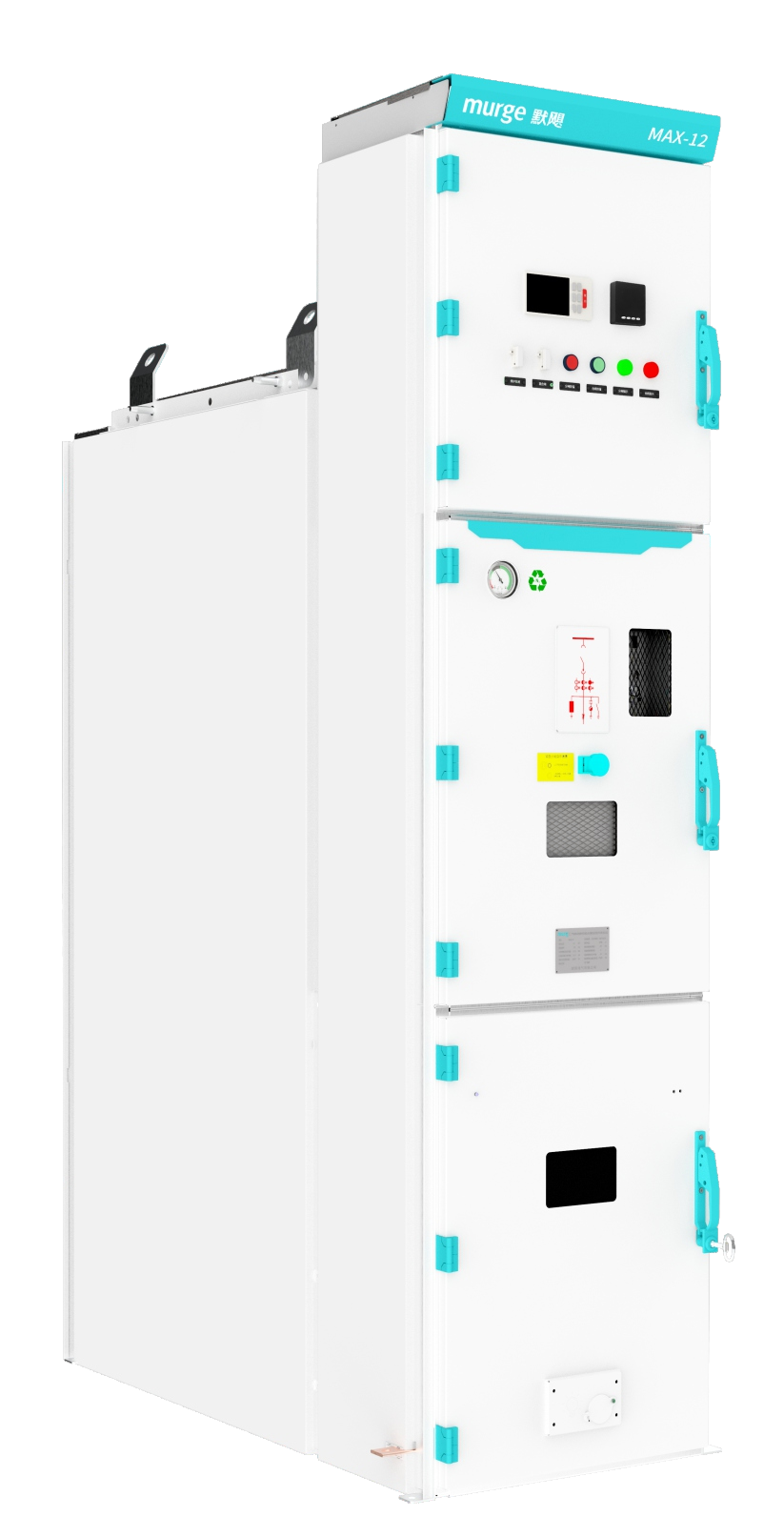
MAX-12 series Environmental Protection/SF6 gas insulated switchgear (C-GIS)
Murge Electric Co.,Ltd.
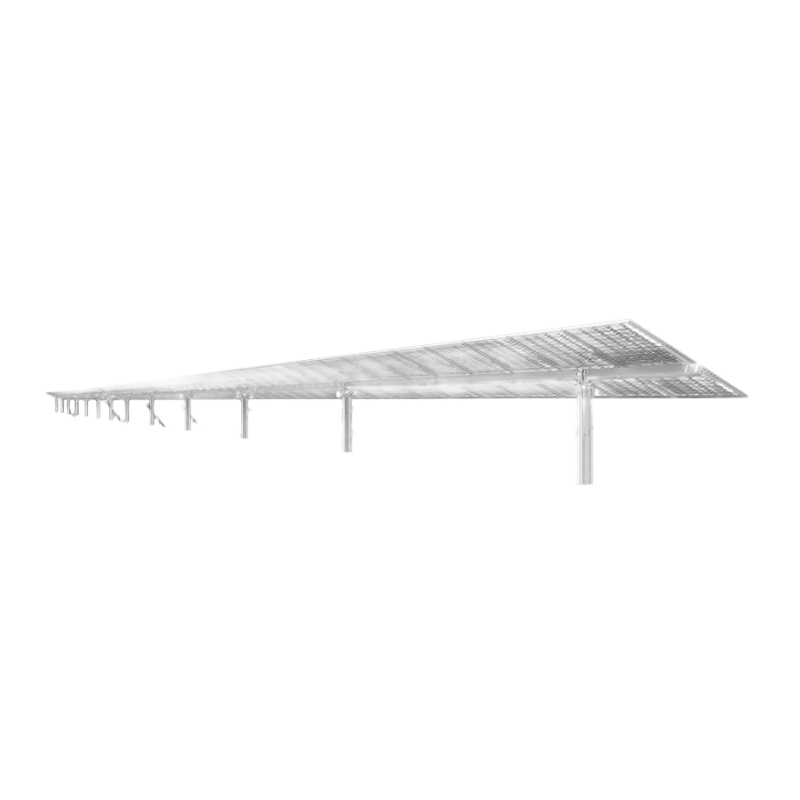
TAI Slew-drive Single-axis Independent 1P Tracking Bracket System
ANTAI TECHNOLOGY CO., LTD.
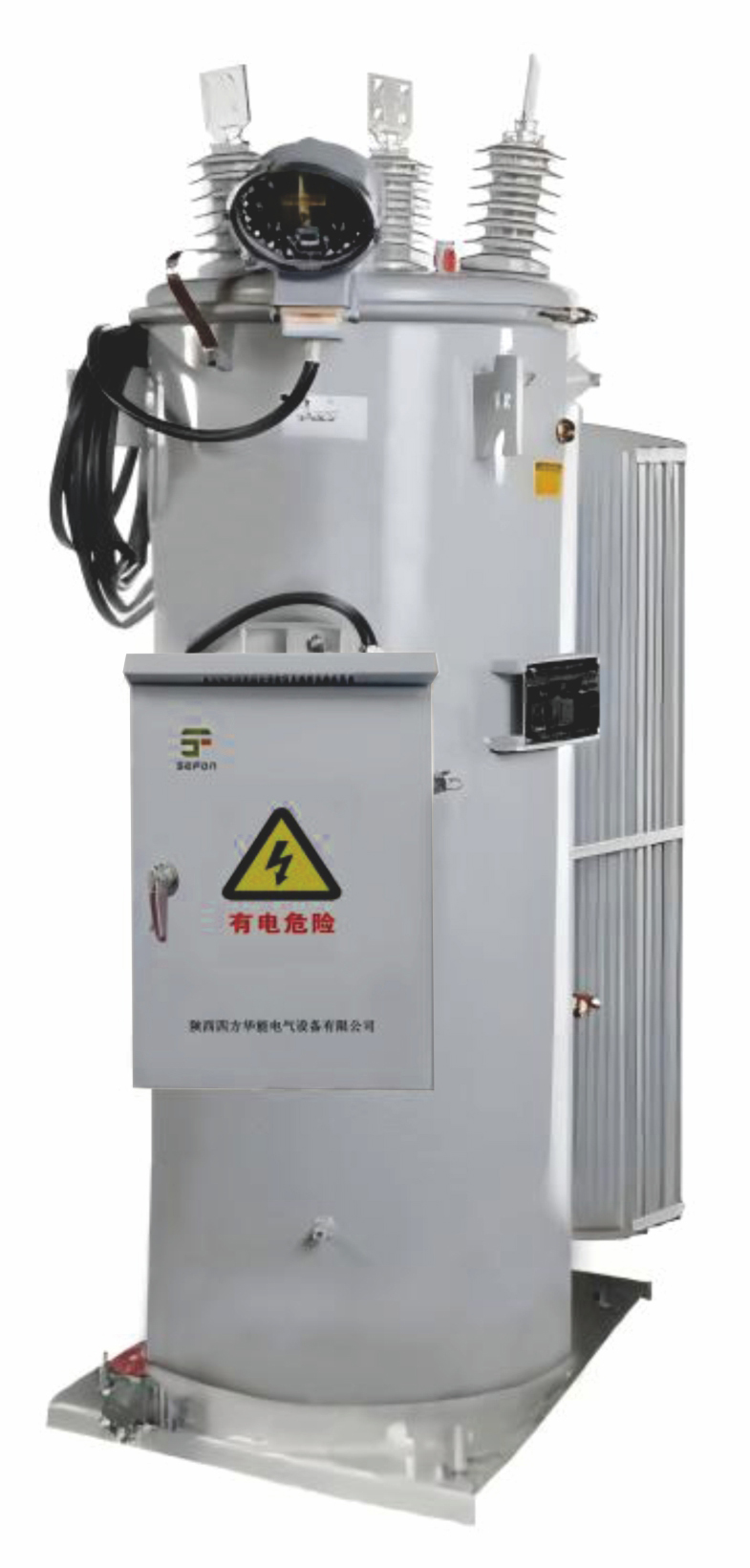
Single-Phase Automatic Voltage Regulator(AVR)
Shaanxi Sefon Electrical Equipment Co.,Ltd.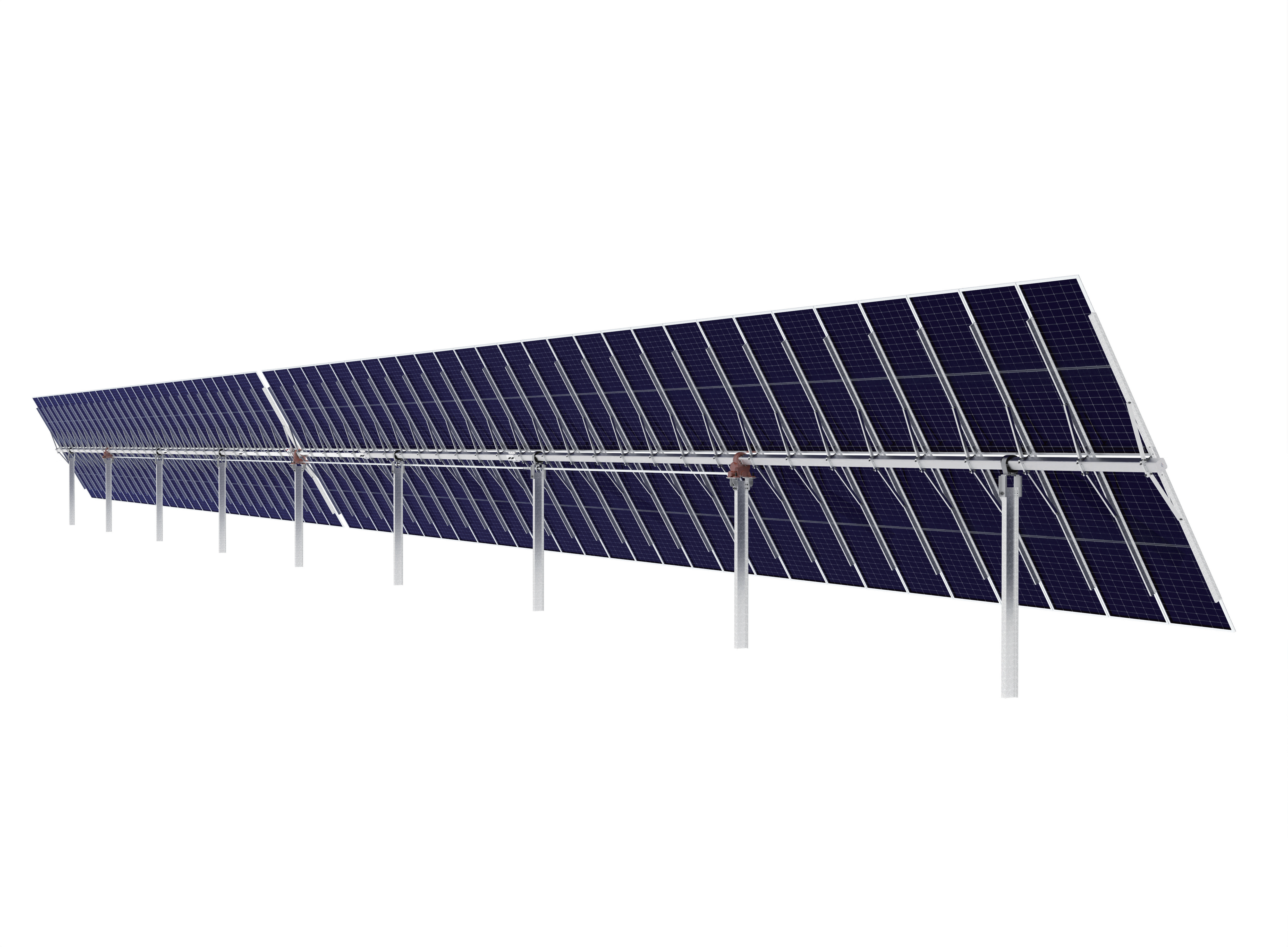
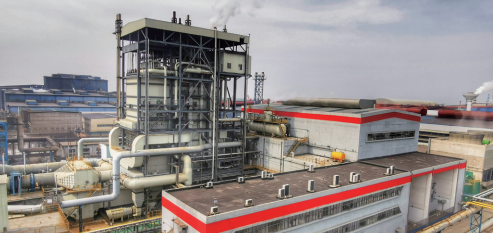
Jiujiang Pinggang 125MW Subcritical Gas Power Generation Project
Capital Engineering & Research Incorporation Limited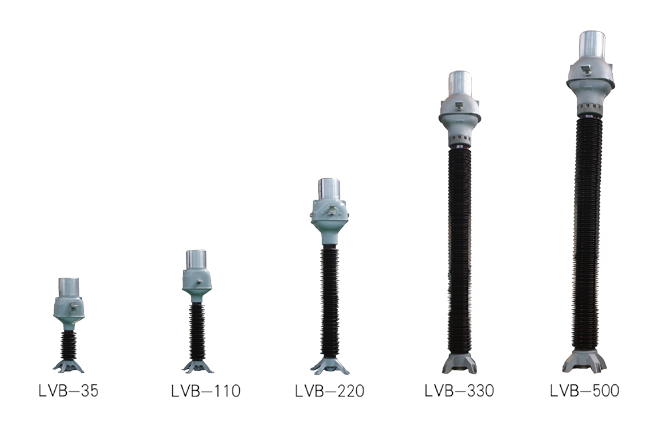
LVB Series 35-500kV Oil-immersed Inverted Current Transformer
Shandong TaiKai Instrument Transformer Co., Ltd.