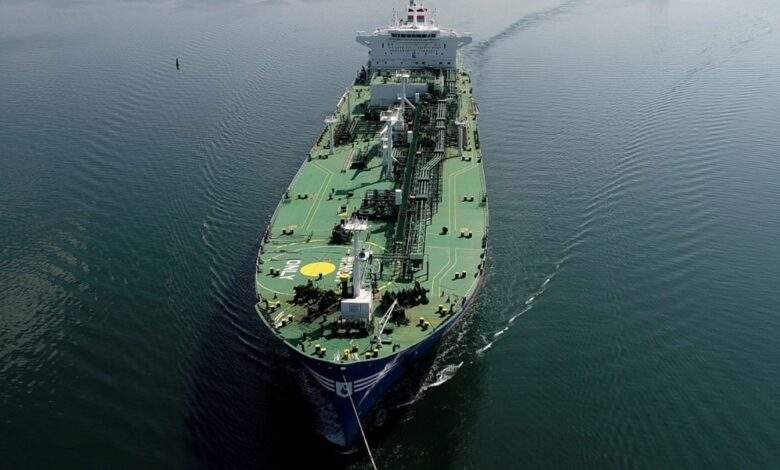
China's Funing Port in Yunnan to Be Completed and Operational This Year, Forming a Golden Waterway Directly to Beibu Gulf
en.Wedoany.com Reported - On June 3, a themed press conference series titled "Yunnan's '15th Five-Year Plan' Kickoff" was held for the Wenshan special session. Ma Zhongjun, Governor of the Wenshan Zhuang and Miao Autonomous Prefecture in Yunnan Province, stated at the meeting that the prefecture's Funing Port will be completed within the year and put into operation simultaneously with the Pinglu Canal, making it the "golden port" closest to the sea for Yunnan.
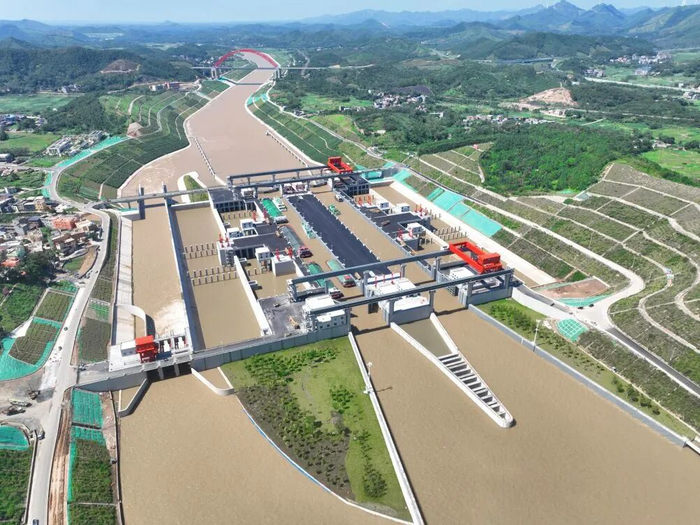
Located in Bo'ai Town, Funing County, Wenshan Zhuang and Miao Autonomous Prefecture, Funing Port occupies a key position at Yunnan's "Eastern Gateway" and is also the "first port" on the upper reaches of the Pearl River. In the second half of this year, with the completion of the "water elevator" navigation facility at the Baise Water Control Project and the opening of the Pinglu Canal—dubbed a "project of the century"—downstream, a "golden waterway" stretching directly from Yunnan to the Beibu Gulf is poised to emerge. The dream of "Yunnan reaching the sea from here" is becoming a reality.
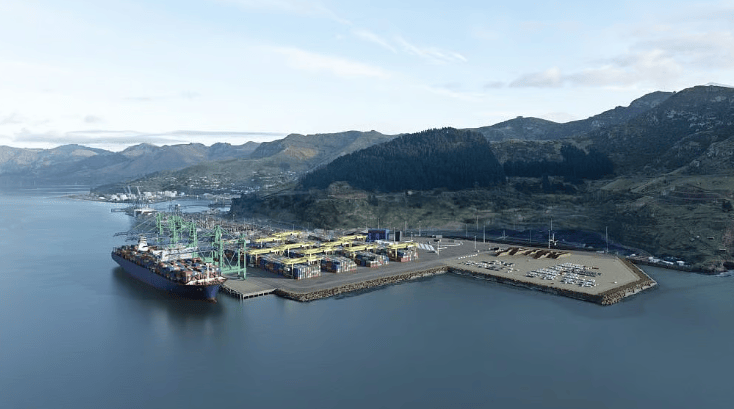
Currently, construction of Funing Port has entered its final sprint. According to the construction schedule, the first phase of Funing Port will be completed this year, including three 1,000-tonne cargo berths: one for bulk cargo, one for containers, and one for general cargo.
With the imminent completion and opening of the Pinglu Canal, Funing Port is facing a historic opportunity. According to plans, Funing Port will be completed and put into operation simultaneously with the Pinglu Canal, thereby opening up a "golden waterway" from Yunnan through Guangxi to the Guangdong-Hong Kong-Macao Greater Bay Area and the Beibu Gulf Economic Zone. "Funing Port plans to build two 330-passenger berths and nineteen 1,000-tonne cargo berths," said He Yongsheng, Chairman of Yunnan Communications Investment Funing Port Investment and Construction Co., Ltd. He added that with the navigation of the Pinglu Canal and the Baise Water Control Project, Yunnan's water transport development is facing a historic opportunity.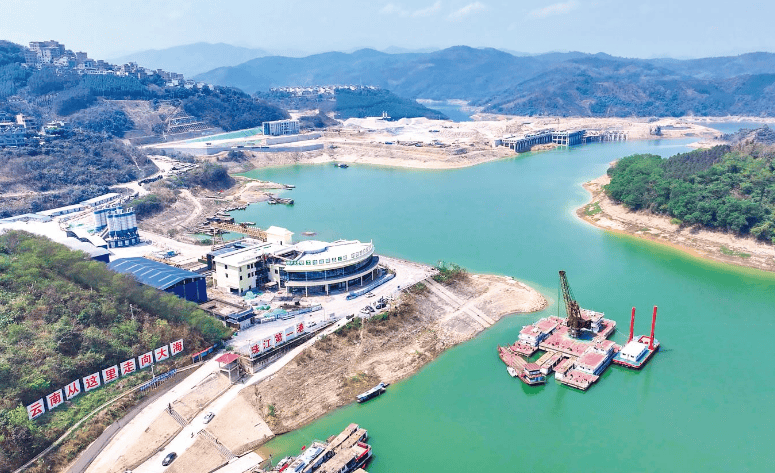
For a long time, constrained by rugged mountains, Yunnan's goods have relied mainly on road and rail transport for sea access. High logistics costs have consistently hindered the export of Yunnan products both domestically and internationally. However, the advantages of water transport—large capacity and low cost—will be fully realized once Funing Port becomes operational.
The first to benefit will be Wenshan Prefecture, where the port is located. As a main front for the "north-to-south aluminum relocation," Wenshan is striving to build a core area for "China's Green Aluminum Valley," with deep industrial park layouts in Yanshan County, Funing County, and Wenshan City. Du Yuxiang, Deputy Director of the Yunnan Funing Industrial Park Management Committee, noted that in recent years, out-of-province aluminum material deep-processing enterprises have successively settled in the industrial park, attracted not only by Yunnan's advantages in "green electricity plus advanced manufacturing" but also by the deep consideration of Funing Port's access to rivers and the sea. "In the future, raw materials needed by aluminum enterprises, such as petroleum coke and recycled aluminum, can be transported via water, which offers significant cost advantages in logistics," Du Yuxiang said.
A relevant official from Yunnan Communications Investment Funing Port Investment and Construction Co., Ltd. stated that the completion of the first phase of Funing Port and preparations for port operations are progressing simultaneously. The port will fully draw on the operational management experience of advanced Chinese ports, build a seamless "water-rail-road" multimodal transport system, innovate a "market-oriented plus professional" operational mechanism, provide customized services to key industrial cargo owners such as those in green aluminum, steel, and fertilizer sectors, and actively plan a sustainable development path integrating "port, industry, and city."
This article is compiled by Wedoany. All AI citations must indicate the source as "Wedoany". If there is any infringement or other issues, please notify us promptly, and we will modify or delete it accordingly. Email: news@wedoany.com
Related Products

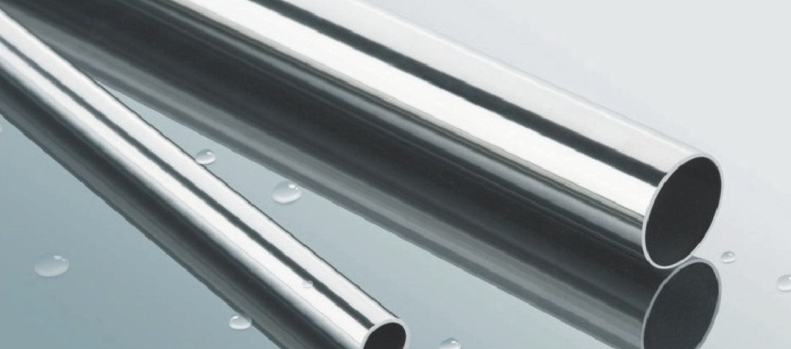
ERW Welded Pipe (Black Pipe and Hot-dip Galvanized Steel Pipe)
Handan Zhengda Steel Pipe Co., Ltd.
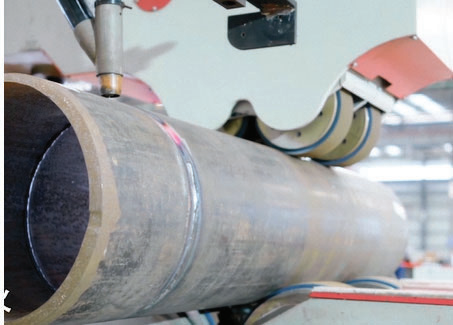
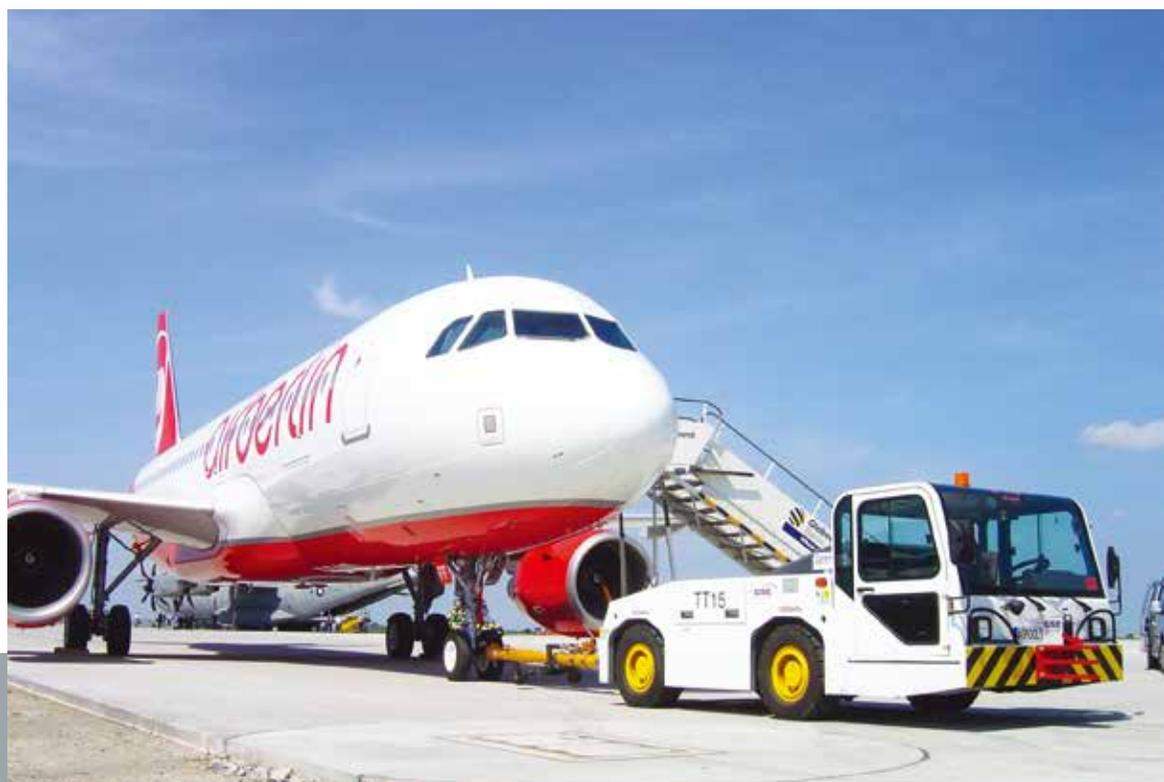
WGQY Series Aircraft Tow Tractor-WGQY15, WGQY27
Weihai Guangtai Airport Equipment Co., Ltd.


Pantograph-Catenary Comprehensive Detection Device (1C)
CHENGDU TANGYUAN ELECTRIC CO., LTD.