Industrial Wastewater Requires More Robust Biochemical Treatment Systems
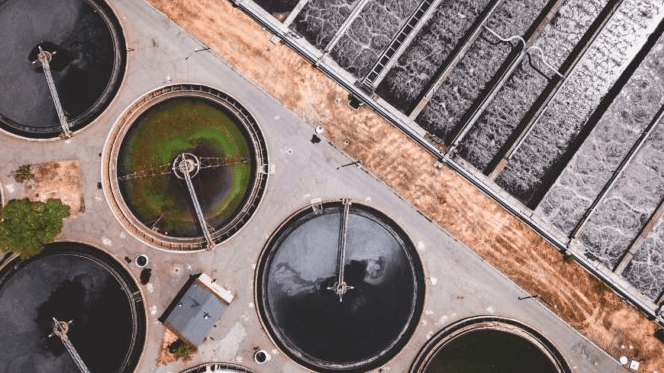
en.Wedoany.com Reported - Industrial wastewater treatment places higher requirements on the Biochemical Treatment System than ordinary municipal sewage treatment. Wastewater from chemical, pharmaceutical, food processing, textile dyeing, paper making, electroplating, coking and industrial parks may have complex composition, strong fluctuation and inhibitory substances.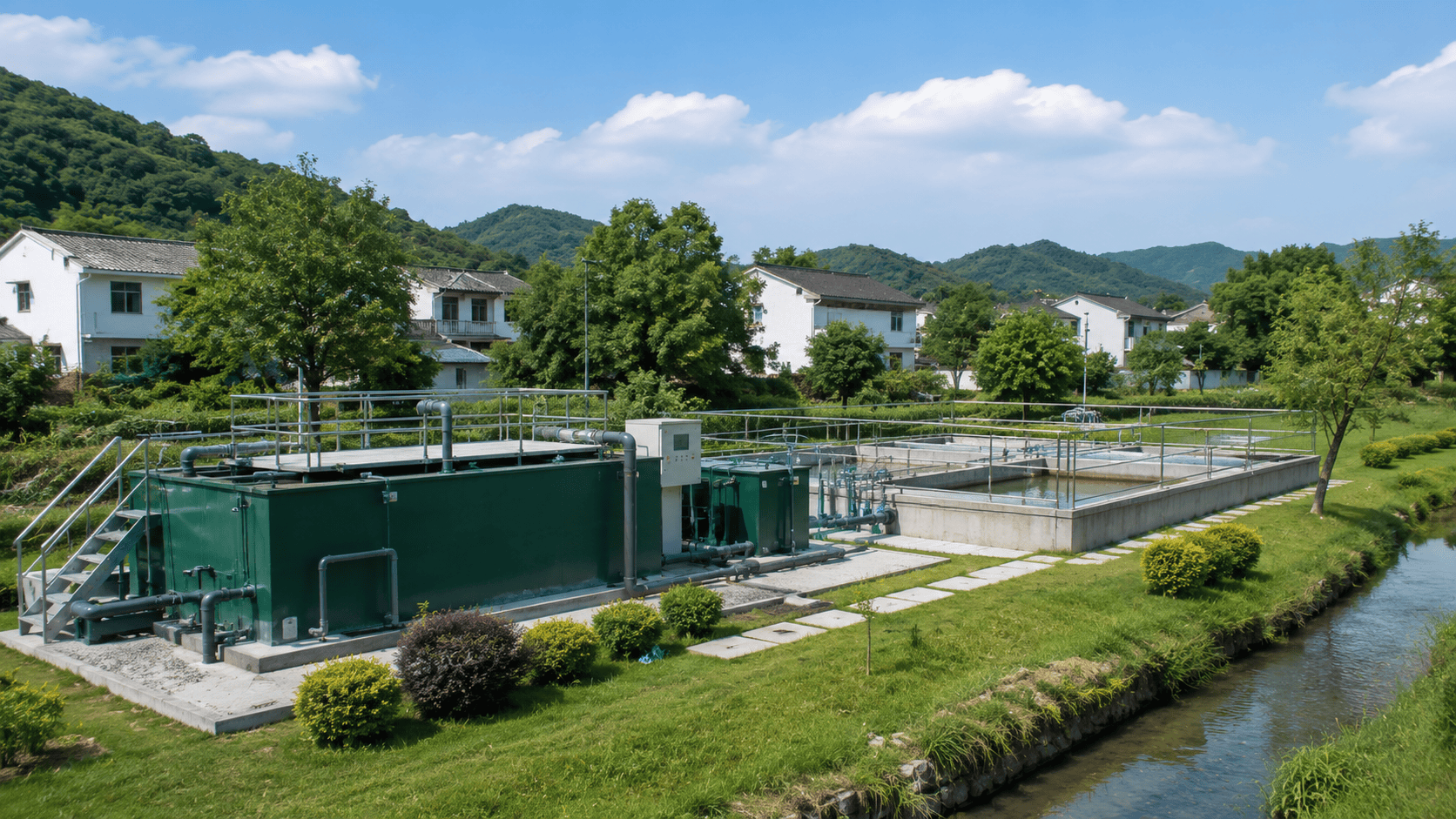
The main difficulty is that many pollutants are not easily biodegradable. If wastewater with poor biodegradability directly enters the biochemical unit, the system may face excessive load, lower sludge activity and unstable effluent quality. Therefore, pretreatment is often necessary before biological treatment.
Common pretreatment methods include coagulation sedimentation, dissolved air flotation, Fenton oxidation, hydrolysis acidification, anaerobic treatment and advanced oxidation. These processes can improve influent conditions and reduce the risk of biological system failure.
Shock load resistance is also important. Industrial production is often batch-based or cyclical, causing sudden changes in water volume, pH, salinity and pollutant concentration. Equalization tanks, homogenization, online monitoring and automatic control can reduce the impact on microbial systems.
Process selection should always be based on real wastewater characteristics. High-strength organic wastewater may require anaerobic and aerobic combinations. Ammonia-rich wastewater needs enhanced nitrification and denitrification. High-salinity wastewater requires salt-tolerant microbial management and careful acclimation.
In the future, industrial biochemical treatment will place greater emphasis on integrated process chains combining pretreatment, biochemical treatment and advanced treatment. Environmental companies that can design complete treatment routes and optimize them through operational data will be more competitive.
Overall, industrial wastewater biochemical treatment cannot simply copy municipal sewage processes. It requires customized engineering based on industry features, water quality fluctuation and operating risk.
This article is compiled by Wedoany. All AI citations must indicate the source as "Wedoany". If there is any infringement or other issues, please notify us promptly, and we will modify or delete it accordingly. Email: news@wedoany.com
Related Products

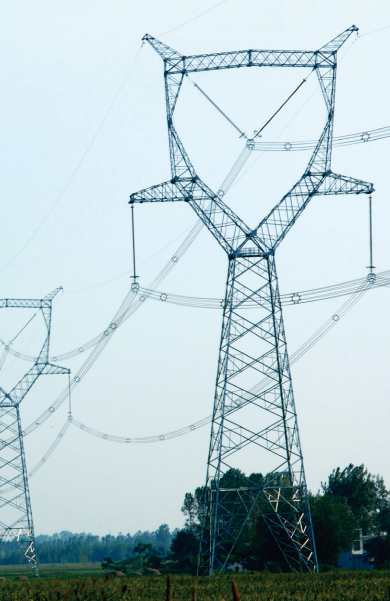
1000kV Jin Southeast-Nanyang-Jingmen UHV AC Transmission and Transformation Pilot Demonstration Project
Anhui Hongyuan Steel Tower Co., Ltd.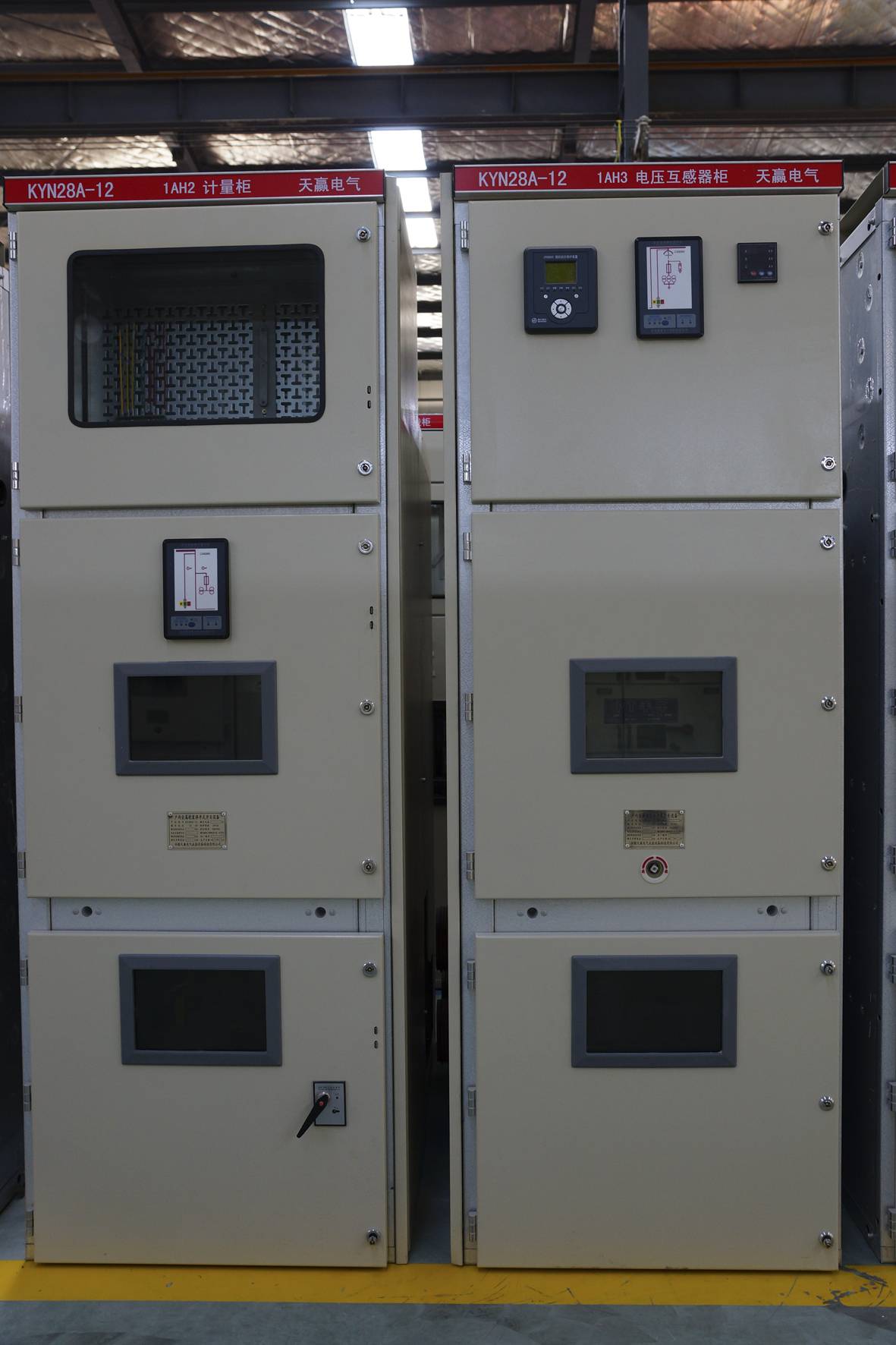
KYN28 - High Voltage Switchgear
Anhui Tianying Electrical Equipment Manufacturing Co., Ltd.
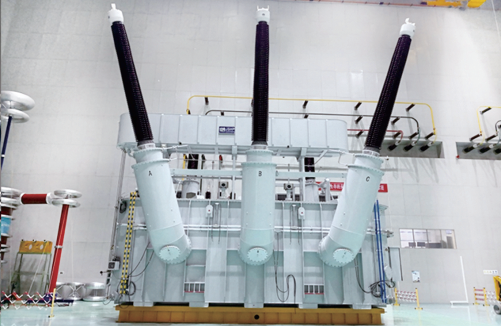

Industrial and Commercial Point-Type Gas Detector
Jinan Benan Technology Development Co., Ltd.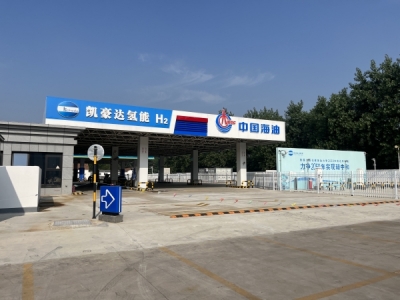
Hydrogen production and hydrogenation charging refueling gas integrated energy station
Shenzhen Kohodo Hydrogen Energy Co., Ltd.