US Sunday Robotics Launches Wheeled Home Robot Memo, with Over 99% Success Rate in Folding Clothes
en.Wedoany.com Reported - Sunday Robotics, a startup based in the San Francisco Bay Area, released its next-generation robot AI model ACT-2 on Thursday local time, which will be applied to its wheeled home robot Memo. The company claims that during tests in unfamiliar home environments, even with clothes not specifically trained on before, Memo's clothes-folding success rate exceeds 99%.
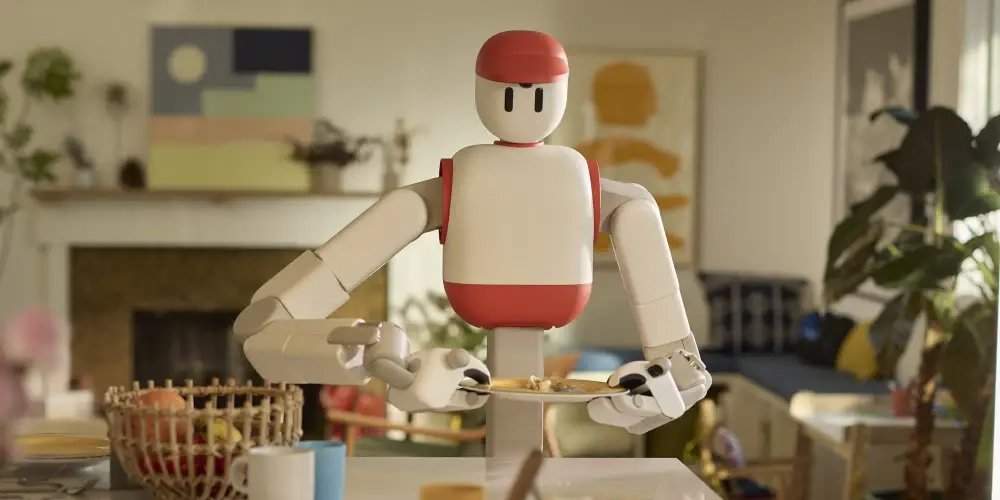
For a long time, home robot companies have struggled to balance reliability and adaptability. Robots can complete tasks in the lab but may fail when moved to a different home or encountering unfamiliar items. For example, a robot that has only learned to fold jeans might be helpless when faced with a scarf. Sunday Robotics says ACT-2's biggest advantage is its ability to transfer skills learned in one environment to a new one, avoiding the significant cost of retraining for each household.
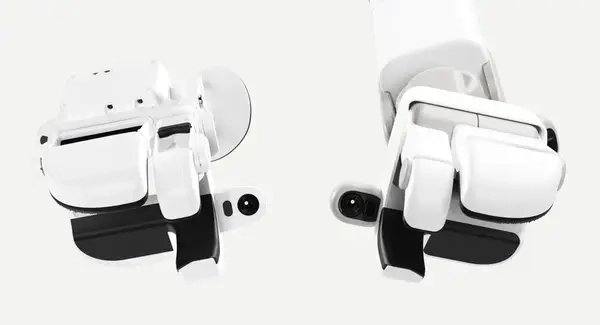
To achieve this reliability, Sunday Robotics uses a two-stage training approach. In the first stage, the robot learns basic actions through human demonstration. The company independently developed a data-collection glove equipped with sensors. Volunteers wear the glove to perform household chores, and the robot learns these actions. The manufacturing cost of the glove is approximately $200 (about 1,357 RMB), and its structure and sensor layout are nearly identical to Memo's robotic hand, allowing for more precise mapping of human actions to the robot. The second stage relies on the company's self-built robot testing platform for autonomous practice. The robot uses existing knowledge to continuously attempt new tasks and rapidly improves its capabilities within minutes through error correction.
Co-founder and CEO Tony Zhao stated that Memo's performance in the company office can be almost fully replicated in real home environments. Over the past few months, the company has been testing ACT-2 in employees' homes and Airbnb rentals to verify its adaptability in unfamiliar settings.
Earlier this year, Sunday Robotics completed a $165 million funding round, valuing the company at $1.15 billion (approximately 7.802 billion RMB at current exchange rates). The company also proposed a new evaluation standard for the robotics industry, named Solve. According to this standard, robot companies should clearly specify which tasks they can complete, the test environment, and any additional training or human assistance required when entering a new environment. The company believes that consistently folding clothes has met Memo's first Solve capability standard.
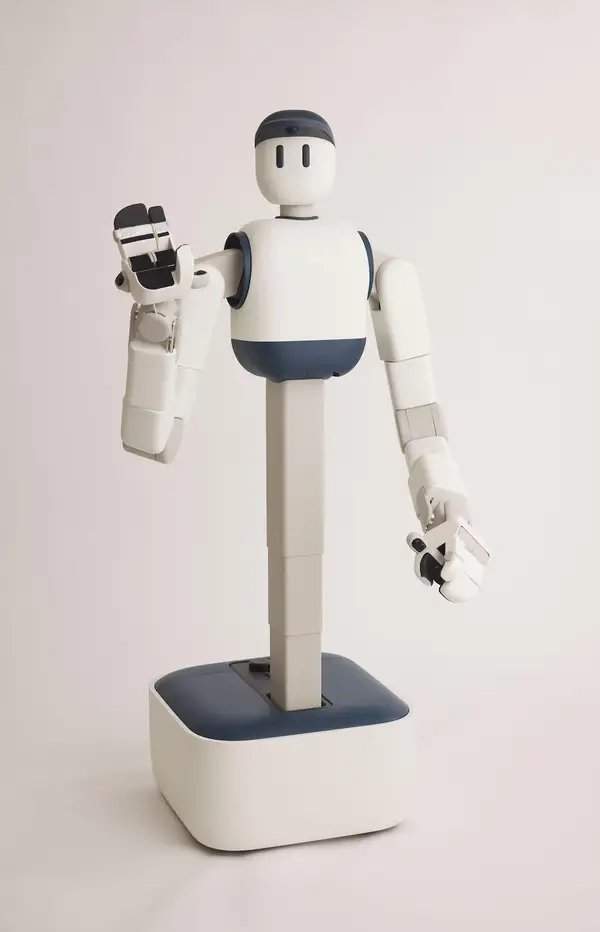
Founded in 2024 by Tony Zhao and co-founder Cheng Chi, Sunday Robotics started with Tony Zhao dropping out of a Stanford University computer science PhD program to start the company. The two formed the initial team in a hacker apartment in Silicon Valley. The company chose the home robot track because the home environment is far more complex, messy, and unpredictable than a factory. Tony Zhao believes that if robots can handle various tasks in the home, they are closer to achieving physical general artificial intelligence. The company now has over 100 employees.
Sarah Guo, partner at venture capital firm Conviction and an early investor in the company, said the investment reason is that the founding team not only has strong research capabilities but also, like Elon Musk, is determined to build large-scale products for mass consumers, rather than just staying in lab research.
In the home robot track, more companies are accelerating their efforts. Y Combinator-backed Weave Robotics plans to deliver its wheeled robot Isaac 1 in California this fall, priced at $7,999 (about 54,270 RMB), with primary functions including folding clothes. Another robot company, 1X, plans to launch its humanoid robot NEO at around $20,000 (about 136,000 RMB) during the same period. Tesla is also advancing its Optimus humanoid robot into the home market.
Sunday Robotics plans to launch a Beta testing program this fall, allowing Memo to be trialed in some homes. Tony Zhao did not disclose the specific number of participating households but said Memo will primarily operate autonomously in users' homes, with remote staff intervening only when users need help, similar to Waymo's remote support team model for autonomous vehicles. The company explicitly stated it will not use the remote assistance process to collect data from users' homes to train AI models. Tony Zhao said true full autonomy is the best way to build user trust.
Previously, Sunday Robotics demonstrated its previous-generation model ACT-1, capable of tasks such as clearing tables, placing dishes in the dishwasher, and making espresso. The company hopes ACT-2 will make these capabilities more stable and reliable, with folding clothes being just the first step. Currently, ACT-2 is also learning tasks like vacuuming, tidying toys, zipping zippers, and making coffee, but these functions have not yet reached a sufficiently stable level for formal deployment.
Related Products

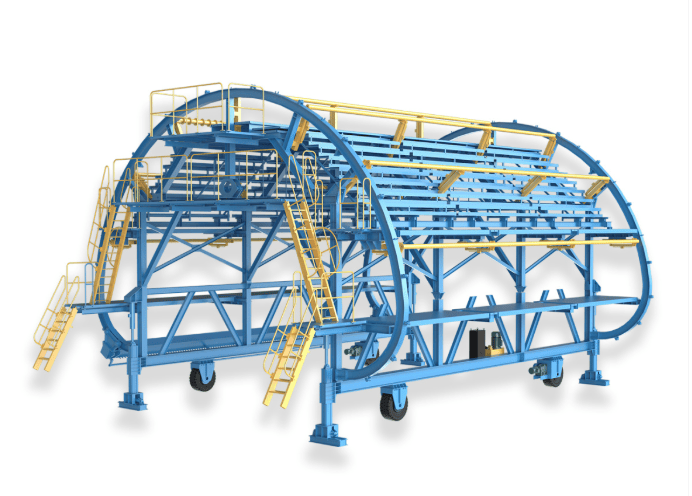
QLZNGJ Intelligent Steel Reinforcement Trolley
Luoyang China Railway Qiangli Machinery Co., Ltd.
Pneumatic high-pressure wear-resistant ball valve
Zhejiang Deca Control Valve Meter Co., Ltd.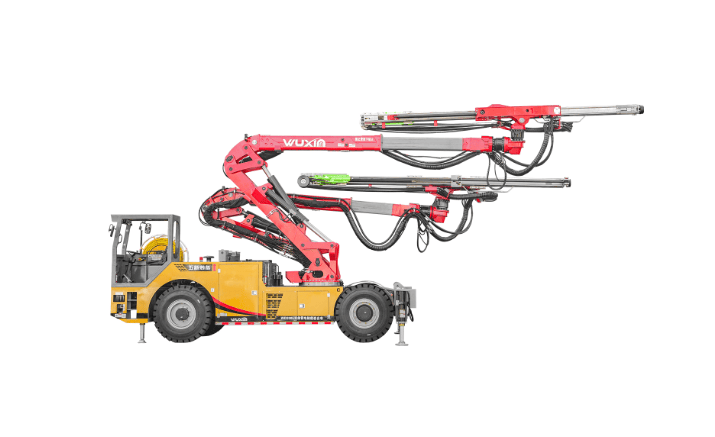
Double-Boom Computerized Rock Drilling Jumbo WD200E
Hunan Wuxin Intelligent Equipment Group Co., Ltd.

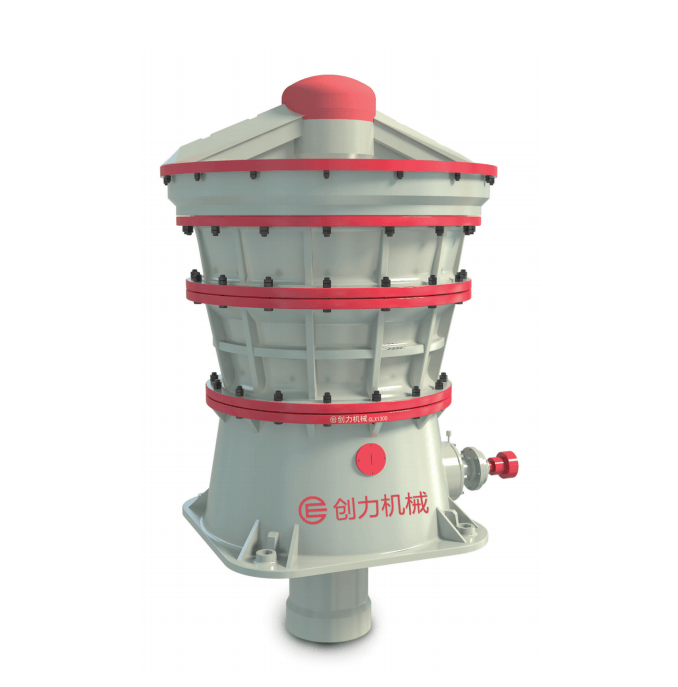
CLX Series Intelligent Hydraulic Gyratory Crusher
Guangdong CHUANGLI intelligent machinery Equipment Co., LTD

CAP1400 main feedwater flow nozzle flowmeter.
Jiangsu Hongda Instrument Technology Co., LTD.