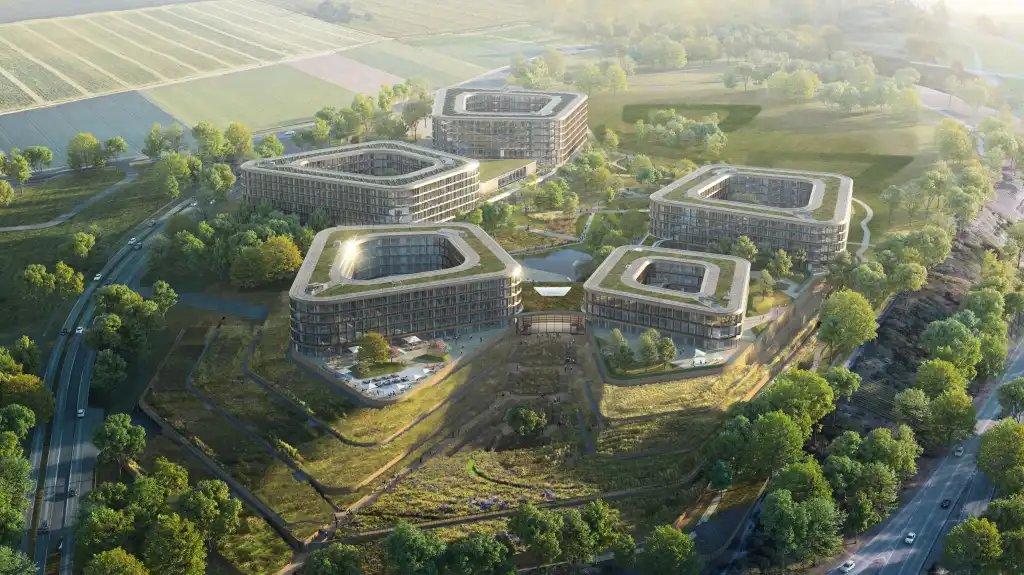
Singapore's STT GDC Secures $500 Million Green Financing to Expand Jakarta Data Center Campus in Indonesia
en.Wedoany.com Reported - Singapore-based data center operator ST Telemedia Global Data Centres has recently secured 8.8 trillion Indonesian rupiah in financing, approximately $500 million, for its Jakarta data center campus in Indonesia. The financing includes the company's first green term loan tranche in Indonesia and will be used to support the expansion of the STT Jakarta campus and cover the ongoing construction of the STT Jakarta 3 data center.
STT GDC has obtained an expanded dual-currency financing arrangement, comprising both U.S. dollar and Indonesian rupiah components, arranged by financial institutions including OCBC NISP, HSBC Indonesia, and BNI. OCBC and OCBC NISP also serve as coordinating banks, green coordinators, and facility agents. The dual-currency structure enhances fund allocation flexibility during the construction phase, accommodating different capital needs for local Indonesian expenditures, imported equipment procurement, engineering construction, and long-term operations. For data center projects, financing is not merely a financial arrangement but a critical condition determining whether projects can expand on schedule, meet client capacity demands, and support high-power-density deployments. Located in Cikarang, Bekasi, West Java, the STT Jakarta campus is a key digital infrastructure node in the greater Jakarta metropolitan area, serving cloud service providers, content platforms, enterprise clients, and AI computing demand users. As Indonesia's digital economy, fintech, e-commerce, enterprise cloud adoption, and AI applications continue to expand, demand for highly reliable data center capacity around Jakarta is rising. STT GDC's use of green financing to support campus expansion indicates that the Indonesian data center market has moved beyond early-stage server room supply competition into a new phase more dependent on capital structure, energy efficiency, sustainability certification, and high-density computing capabilities.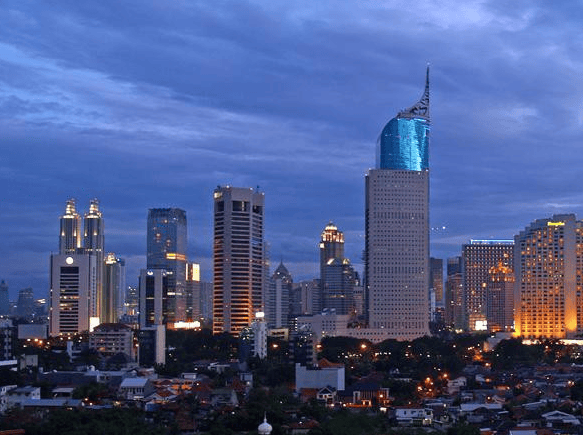
STT Jakarta 3 is the key project under this financing.
According to plans, STT Jakarta 3 will be built in Cikarang and integrated into the larger STT Jakarta data center campus. Upon full completion, the campus is designed to support over 360 megawatts of IT load capacity, making it one of the larger data center clusters in Indonesia. STT Jakarta 3 will support both liquid cooling and air cooling architectures to accommodate the higher power density required for next-generation cloud computing and AI workloads. Traditional enterprise colocation and standard cloud services have relatively limited power density requirements per rack, but AI servers and GPU clusters significantly increase per-rack power consumption, further raising demands for cooling, power redundancy, power distribution systems, and operational management. The inclusion of liquid cooling capability in the design indicates that this project is not merely for standard server room colocation but is pre-positioning infrastructure conditions for AI training, inference, high-performance computing, and large-scale cloud services. The project also targets a power usage effectiveness of 1.30 and aims for LEED Gold certification, while adopting ultra-low global warming potential cooling systems. These metrics show that competition in data center projects is no longer solely about capacity scale but also about unit energy consumption, cooling efficiency, green certification, and long-term operational costs. For an emerging data center market like Indonesia, the ability to control energy consumption and carbon emissions while rapidly expanding capacity will directly impact its ability to attract international cloud providers and AI infrastructure clients.
Indonesia is becoming a key market in the Southeast Asian digital infrastructure competition. Following land and power resource constraints in Singapore, regional data center capacity is spilling over into markets such as Malaysia, Indonesia, Thailand, Vietnam, and the Philippines. As Indonesia's political, financial, and internet service hub, Jakarta offers local data compliance, population scale, enterprise digitalization, and cloud service growth demand. However, data center construction still needs to address issues such as power stability, network interconnection, cooling efficiency, land supporting facilities, and sustainable financing. STT GDC's use of green loans to support campus expansion helps align financial institutions, data center operators, energy supporting facilities, and engineering construction within a unified sustainable framework. The project will subsequently drive demand across the industrial chain, including power equipment, cooling systems, racks, building automation, network connectivity, fire protection systems, data center operations and maintenance, and green building services. It will also enhance the capacity of the Jakarta area to host AI and cloud computing workloads.
With this financing secured, STT GDC's expansion path in the Indonesian market becomes clearer. STT Jakarta 1 has been operational since 2023, supporting up to 19.5 megawatts of IT capacity. As STT Jakarta 3 progresses, the entire campus will upgrade into a larger-scale, higher-density, and greener digital infrastructure cluster. For international cloud providers and enterprise clients, demand for localized data processing, low-latency services, and AI computing deployment in Indonesia will continue to grow. For Indonesia's domestic digital economy, high-standard data center capacity will also support the long-term cloud adoption of finance, manufacturing, retail, government, media, and internet platforms. STT GDC's securing of $500 million in green financing signifies that Indonesian data center construction is entering a new phase characterized by intensified capital intensity, technology intensity, and low-carbon constraints. The Jakarta area will continue to be a key destination for AI and cloud infrastructure investment in Southeast Asia.
This article is compiled by Wedoany. All AI citations must indicate the source as "Wedoany". If there is any infringement or other issues, please notify us promptly, and we will modify or delete it accordingly. Email: news@wedoany.com
Related Products


G.652.D Wavelength-extended Non-dispersion Shifted Single-mode Optical Fiber
HONGAN GROUP CO., LTD.
GYTA Type Non-Self-Supporting Aerial/Duct Optical Cable
TONGDING INTERCONNECTION INFORMATION CO., LTD.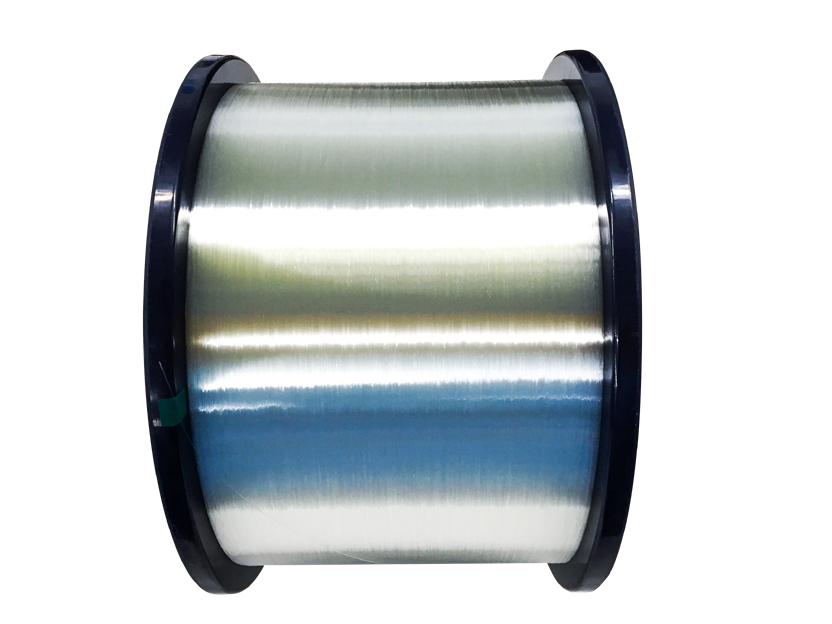



Industrial and Commercial Point-Type Gas Detector
Jinan Benan Technology Development Co., Ltd.
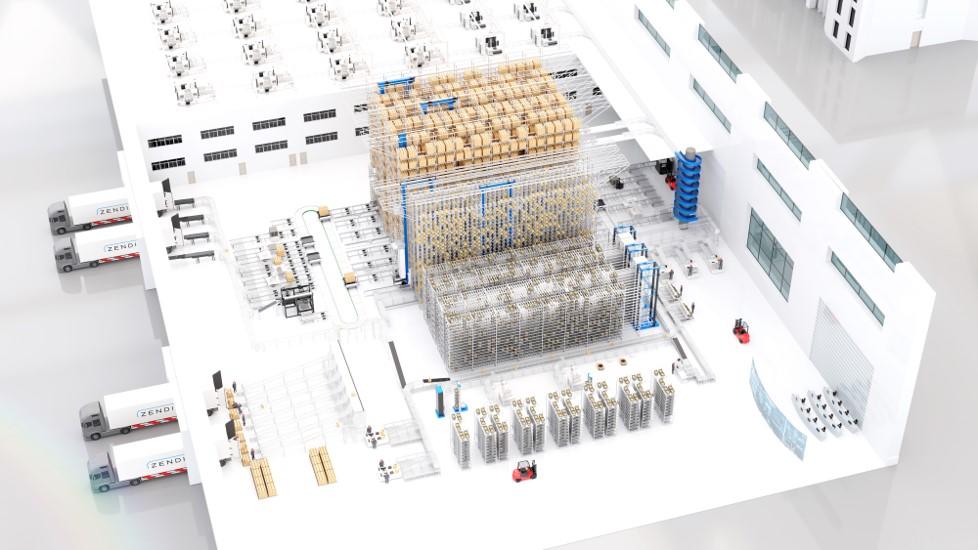
One-Stop Steward Service for the Entire Logistics System Integration Chain
Zhongding Intelligent (Wuxi) Technology Co., Ltd.
Hot Selling 10 Inch Intel N5100 I5 I7 FHD 8 +128GB 16+256GB Win10 Pro Win11 Pro 4G 5G Rugged Tablet PC Pad with NFC Barcode
Highton Electronics Co., Ltd.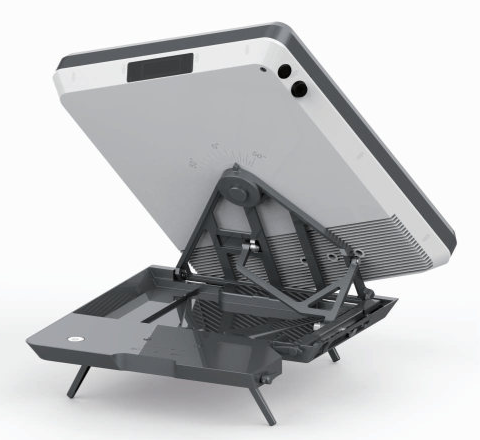
Flat Portable Satellite Terminal 0.35m Aperture Manual Portable Terminal
China Starwin Science & Technology Co., Ltd.