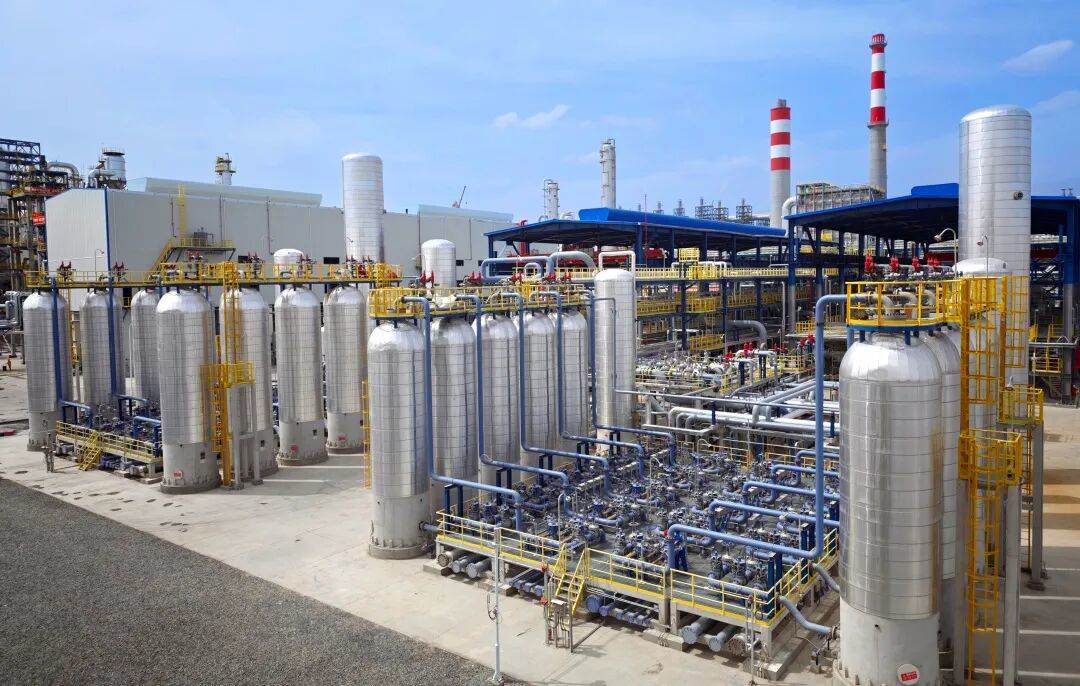
en.Wedoany.com Reported - Petrochemical Pipeline Fittings are important basic components in oil refining, chemical plants, natural gas processing, storage and transportation projects, coal chemical production, fine chemicals and energy engineering. They are used for connection, direction change, branching, diameter transition, sealing and support in pipeline systems. Although a single fitting may not look large, its quality directly affects media transportation safety, continuous plant operation and maintenance cost.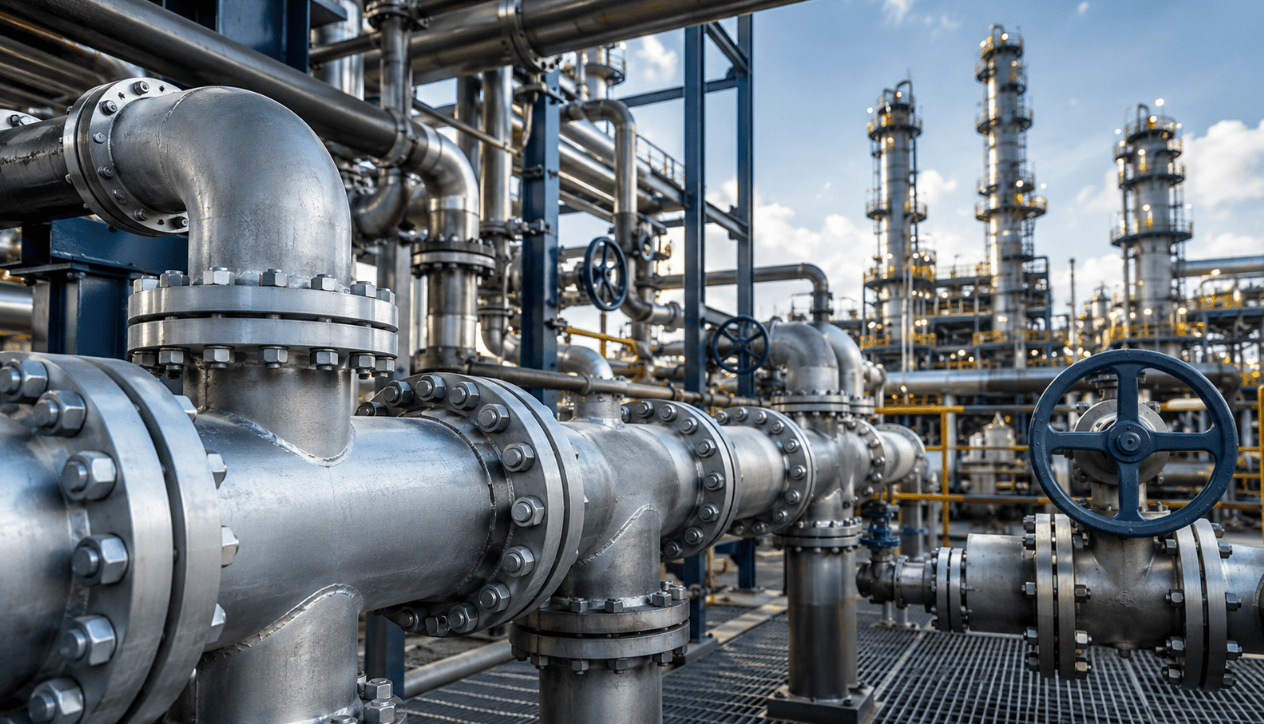
Petrochemical pipeline systems often handle complex media, including crude oil, refined oil products, natural gas, liquefied gas, acid and alkali solutions, organic solvents, high-temperature steam, corrosive gases and flammable or explosive fluids. Different media create different requirements for fitting materials, connection methods, sealing structures and manufacturing standards.
High-temperature and high-pressure applications require attention to material strength and creep resistance. Sulfur-containing or chloride-containing media require stronger corrosion resistance. Flammable and explosive media require higher sealing reliability and leakage control.
Common petrochemical pipeline fittings include elbows, tees, reducers, flanges, caps, blind plates, gaskets, fasteners, supports, hangers, expansion joints and quick connectors. Elbows change pipeline direction. Tees support flow branching or merging. Reducers connect pipes with different diameters. Flanges and gaskets provide detachable connection and sealing functions.
If any fitting is poorly selected or installed, leakage, stress concentration, accelerated corrosion or pipeline vibration may occur. This is why fittings should be treated as engineering components rather than simple standard parts.
Material selection is at the core of petrochemical pipeline fitting quality. Carbon steel, stainless steel, alloy steel, duplex stainless steel, nickel-based alloys, titanium, plastic-lined and fluorine-lined materials all have different application boundaries. Project owners should not select materials only according to price. Corrosiveness, design pressure, design temperature, erosion, external environment and maintenance cycle should be evaluated together.
Manufacturing quality is equally important. Petrochemical fittings must meet requirements for dimensional accuracy, wall thickness, welding quality, heat treatment, nondestructive testing and pressure testing. In pressure pipeline systems, fitting defects may appear gradually during long-term operation and become leakage points or safety risks.
In the future, petrochemical pipeline fittings will place more emphasis on standardization, corrosion resistance and lifecycle management. As petrochemical plants become larger, more continuous and more safety-sensitive, fitting suppliers need to move from simple delivery toward material advice, application-based selection, quality documentation, site technical support and spare parts services.
Overall, petrochemical pipeline fittings are basic components, but their engineering value is significant. Suppliers with material adaptation, precision manufacturing, quality inspection and engineering service capabilities will be better able to meet petrochemical project requirements for safety, reliability and long-term operation.
This article is compiled by Wedoany. All AI citations must indicate the source as "Wedoany". If there is any infringement or other issues, please notify us promptly, and we will modify or delete it accordingly. Email: news@wedoany.com