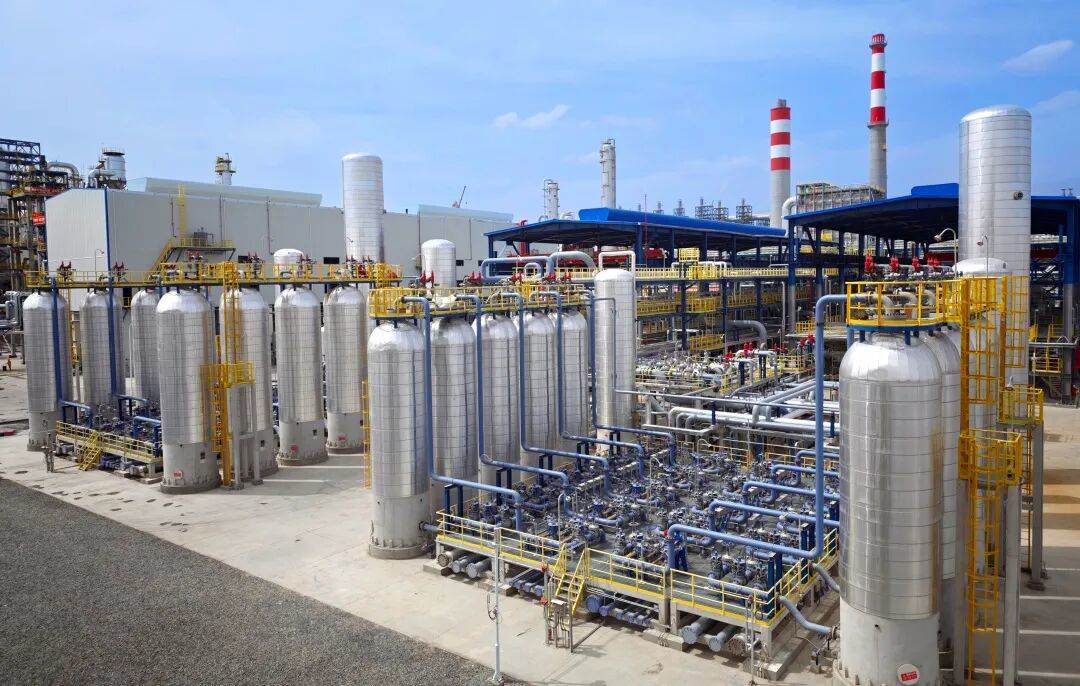
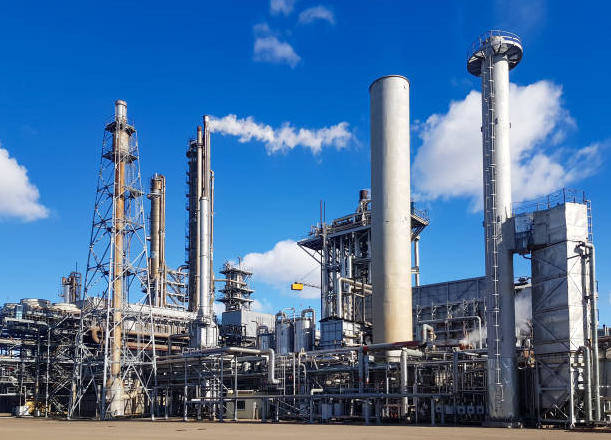
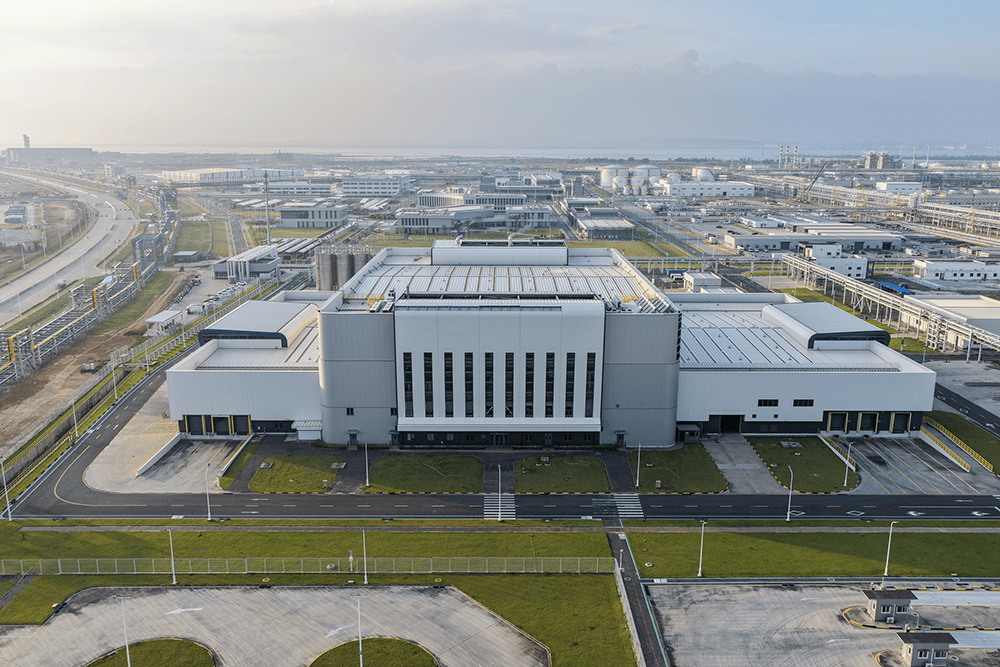
en.Wedoany.com Reported - In oil refining, ethylene plants, coal chemical projects, natural gas purification, hydrogenation units, steam systems and high-pressure reactors, Petrochemical Pipeline Fittings operate under high temperature, high pressure, corrosion and continuous production conditions. Flanges, elbows, tees, reducers, gaskets and fasteners may look like scattered basic components, but together they form critical nodes for pressure pipeline safety.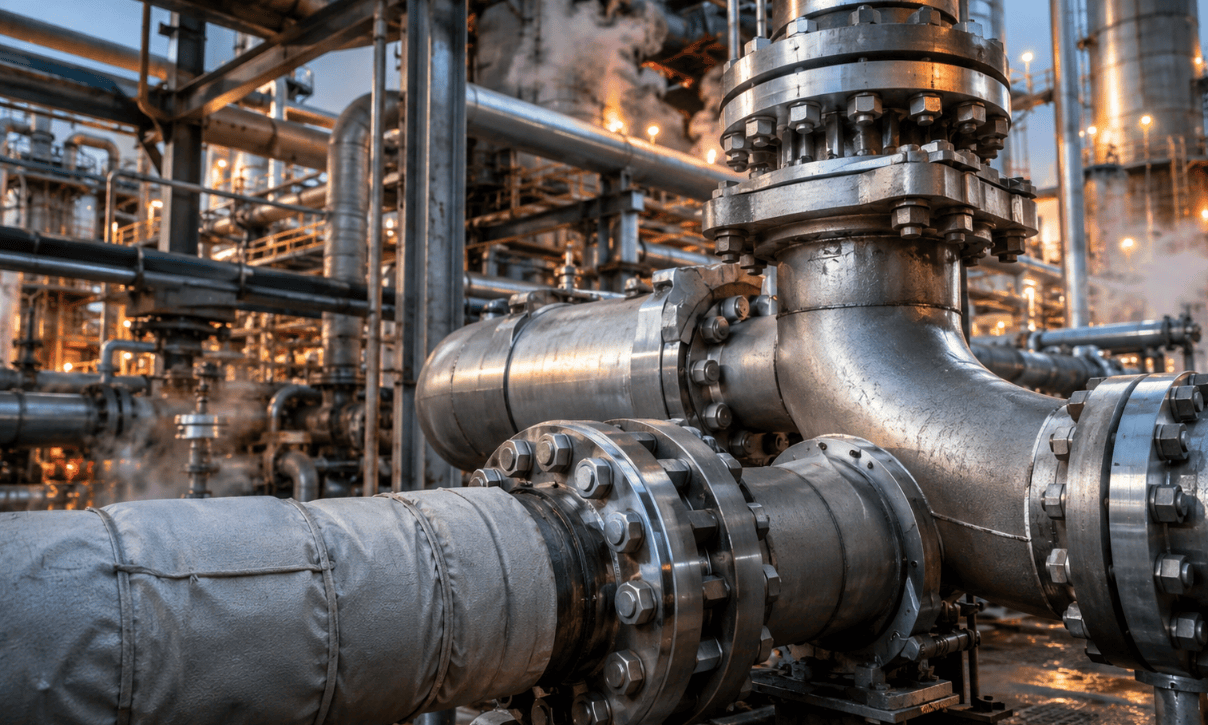
High-temperature and high-pressure environments create strict requirements for fitting materials and structures. Fittings must withstand internal pressure, thermal stress caused by temperature changes, pipeline vibration, media erosion and external loads. If material strength is insufficient, wall thickness is poorly designed or heat treatment is inadequate, deformation, cracking or fatigue damage may occur during long-term operation.
Elbows and tees are areas where stress concentration and flow disturbance are common. When media changes direction, branches or merges, erosion, pressure drop and local turbulence may increase. For fluids containing solids, corrosive media or high-speed flow, the inner wall of elbows and the intersection area of tees face higher wear and corrosion risk.
Project owners should evaluate bend radius, wall thickness, material grade, welding method and flow velocity during selection. Local failure in one fitting can affect the safety of the entire pipeline system.
Flanges and sealing components determine leakage risk at detachable connection points. In petrochemical plants, many leakage problems are related to flange sealing surfaces, gasket selection, bolt preload and installation quality. Under different media, temperature and pressure conditions, suitable flange standards, sealing face forms, gasket materials and fastener grades should be selected.
For flammable, toxic or highly corrosive media, sealing design must be more conservative and reliable. Leakage control is not only a maintenance issue, but also a safety and environmental responsibility.
Petrochemical pipeline fittings also need to consider maintenance convenience. Large plants often operate continuously for long cycles. If a fitting leaks or fails, shutdown maintenance may be required. High-quality manufacturing, complete inspection, proper spare parts planning and standardized installation can reduce later maintenance difficulty.
In the future, the market for high-temperature and high-pressure petrochemical fittings will pay more attention to reliability verification and full-process quality management. Raw material procurement, forging, forming, welding, heat treatment, machining, nondestructive testing and pressure testing all influence final quality.
Overall, petrochemical pipeline fittings in high-temperature and high-pressure plants are not only pipe connectors. They form part of the safety boundary of pressure systems. Only by considering materials, structure, sealing, inspection and installation together can petrochemical plants achieve stable long-term operation.
This article is compiled by Wedoany. All AI citations must indicate the source as "Wedoany". If there is any infringement or other issues, please notify us promptly, and we will modify or delete it accordingly. Email: news@wedoany.com