China's Yongliu Expressway officially opens to traffic on July 24, adding a new channel for the mountainous northern Guangxi to connect to the sea
en.Wedoany.com Reported - On July 24, the Yongfu Sanhuang to Liuzhou section of the Guilin to Qinzhou Port Expressway (referred to as the "Yongliu Expressway"), invested and constructed by China Railway Seventh Group and operated and managed by China Railway Transportation, officially opened to traffic, marking a new high-speed channel for the mountainous northern Guangxi region to strengthen its connection to the sea.
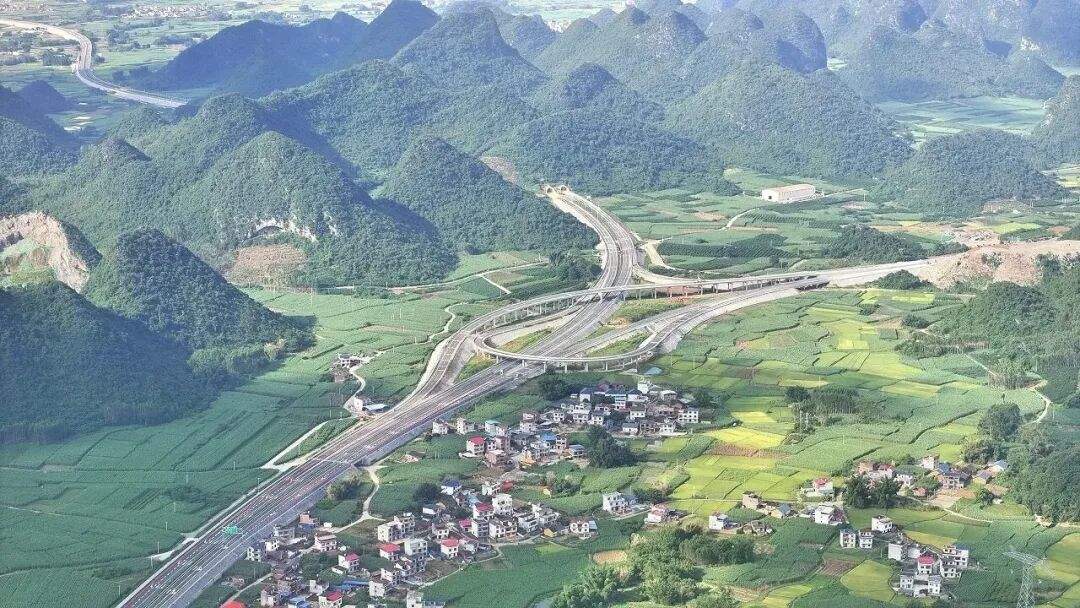
The Yongliu Expressway is located in Liubei District, Liucheng County, Luzhai County, Rong'an County of Liuzhou City, and Yongfu County of Guilin City, with a total length of 78.918 kilometers. It is constructed to the standard of a two-way four-lane expressway, featuring 62 bridges, 7 main line tunnels, 1 connecting line tunnel, 7 interchanges, 2 service areas, 1 management center, 1 maintenance station, and 4 toll stations across the entire line. After the expressway opens, the travel time from Liuzhou to Rong'an will be reduced from the original 2 hours and 10 minutes to 40 minutes, and the travel time from Liuzhou to Guilin Liangjiang International Airport will be shortened from 1 hour and 50 minutes to 1 hour and 20 minutes.
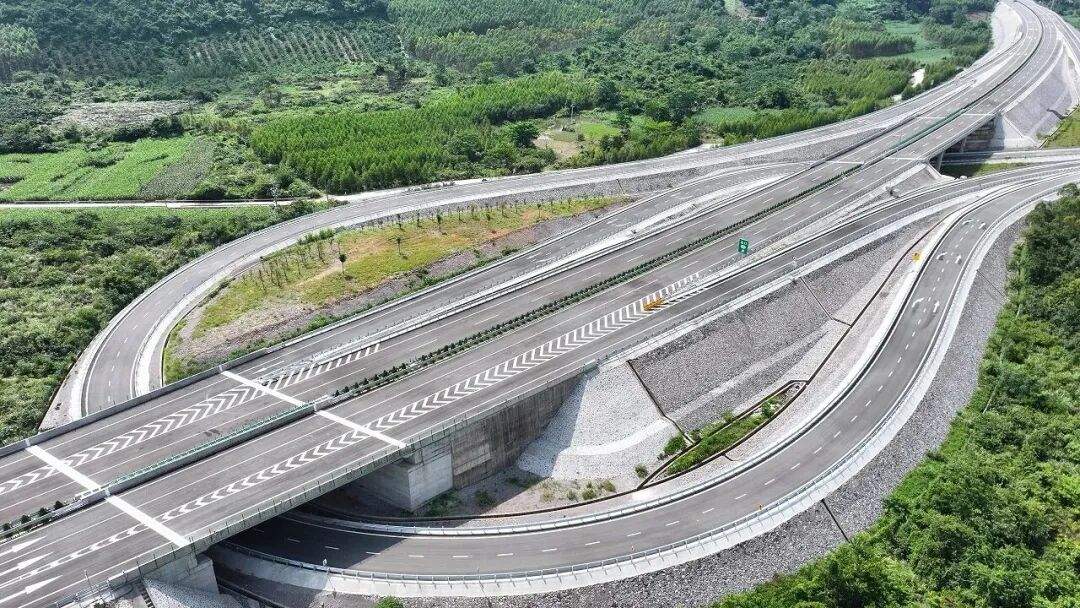
Cutting through mountains and bridging waters, the project area experiences abundant rainfall, with adverse geological conditions such as rock collapses, unstable rock masses, and karst formations distributed along the route. The deepest bridge pile foundation passes through a beaded karst cave reaching 72 meters, and multiple tunnels traverse fault zones, presenting multiple challenges including complex geology, railway and road crossings, and high safety risks. The construction team adhered to a full life-cycle scientific management concept, coordinating safety management, construction progress, and technical quality, while continuously optimizing resource allocation. The entire line adopted standardized and intelligent construction approaches, independently developing tools such as mobile sheds for beam yards, adjustable arc plates for tunnel water-stop steel plates, and positioning fixtures for pier embedded steel bars. They actively promoted "four new" technologies, including welding robots for cap beam skeletons, plasma laser cutting machines, ecological base material protection, intelligent automated monitoring of high slopes, full-section geological radar scanning in karst areas, and linear monitoring of large-span T-structure rotation construction using the Beidou system, effectively ensuring the smooth progress of the project.
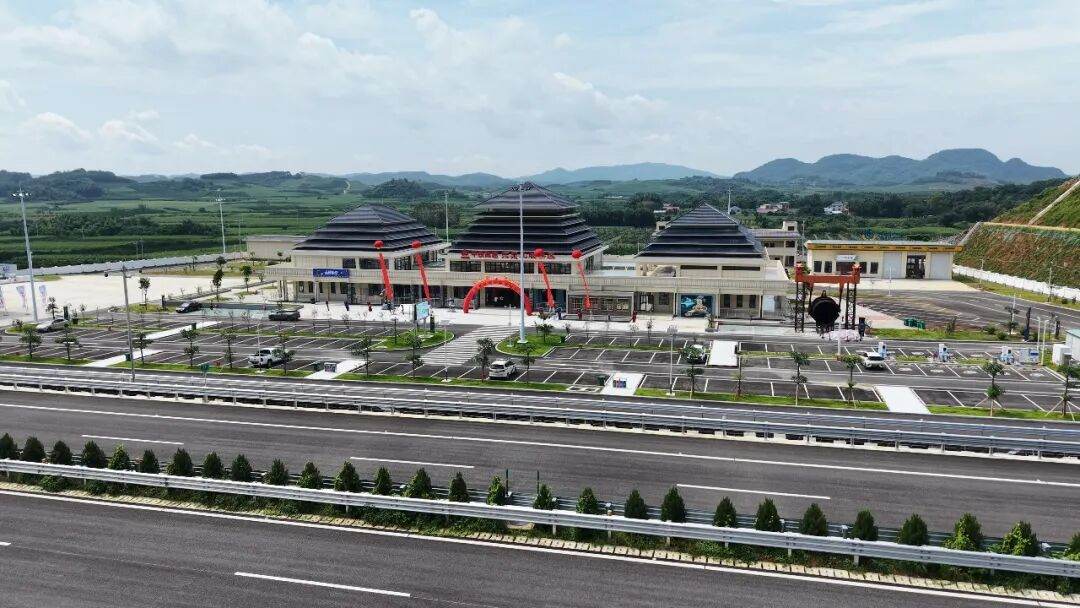
As an important supporting facility of the project, the Dongquan North Service Area of the Yongliu Expressway was put into use simultaneously. Designed in the style of Dong village culture and built to the standard of a national AAA-level tourist attraction, the service area adopts the "Liu³" design concept to construct a three-dimensional cultural experience system encompassing humanities, industry, and the future. Inside the service area, there are distinctive experience spaces such as the Liuzhou Iron and Steel industrial heritage ladle, the Liuzhou Transportation-themed study and research experience hall, the Liuzhou Industrial Museum photo wall and corridor, the Xiake Tong mecha IP, the "Liu³" trendy coffee and tea, the Zhuang brocade intangible cultural heritage space of Master Tan Xiangguang, the Liuhou cultural exhibition area, the Tonghe Paradise and market, and the Pangdonglai hot-selling product area. It is also equipped with Sinopec gas stations, new energy fast-charging piles, and driver rest areas, integrating transportation rest, cultural tourism check-ins, study practices, cultural popularization, and specialty product exhibitions, meeting the diverse travel needs of different drivers and passengers.
After the project opens, it effectively connects Yongfu County in Guilin City with Rong'an County, Luzhai County, Liucheng County, and Liubei District in Liuzhou City, directly benefiting the people in villages and towns along the route. Local bamboo and wood products, Rong'an kumquats, and other specialty agricultural products can now reach the sea and the world directly via the expressway. It will also link and drive the development of cultural tourism industries along the route, such as Zhongdu Ancient Town, Xiangqiao Karst National Geopark, and Rong'an Arcade Buildings, opening up a connection channel between the Guilin International Tourist Destination and the Beibu Gulf Urban Agglomeration. This will further activate the vitality of industries along the route, empower the rural revitalization of the Zhuang region, and inject strong momentum into the high-quality development of the regional economy and society.
Related Products
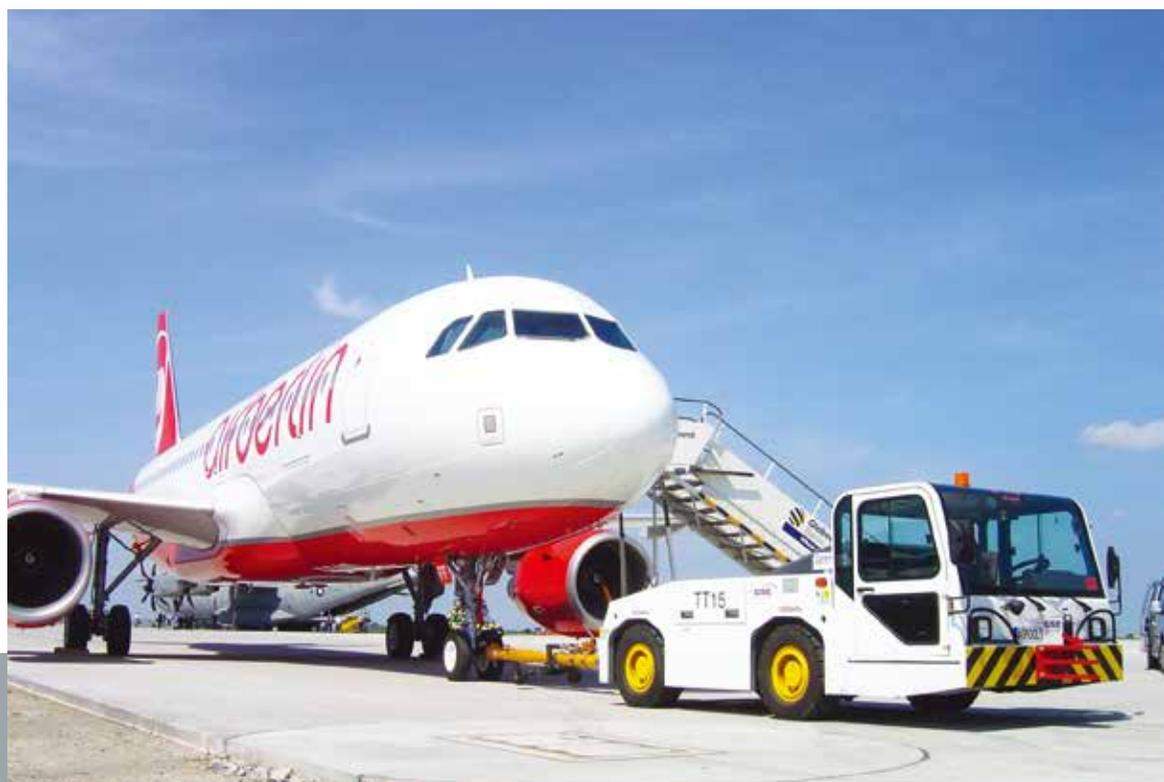

WGQY Series Aircraft Tow Tractor-WGQY15, WGQY27
Weihai Guangtai Airport Equipment Co., Ltd.
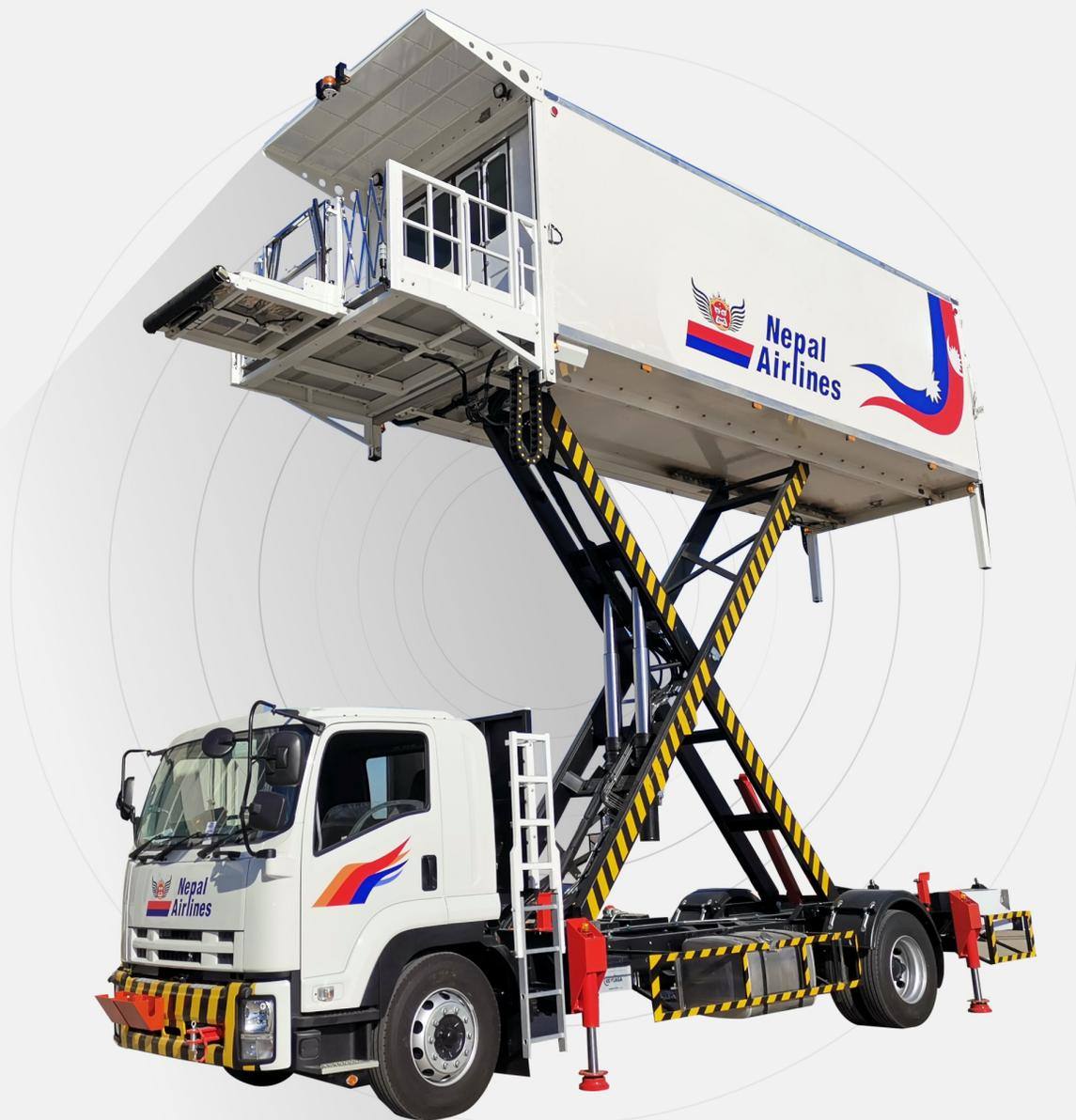
XC-6000e Type Aviation Catering Truck (Fuel Type)
Shenzhen CIMC-TianDa Airport Support Ltd.
Industrial and Commercial Point-Type Gas Detector
Jinan Benan Technology Development Co., Ltd.
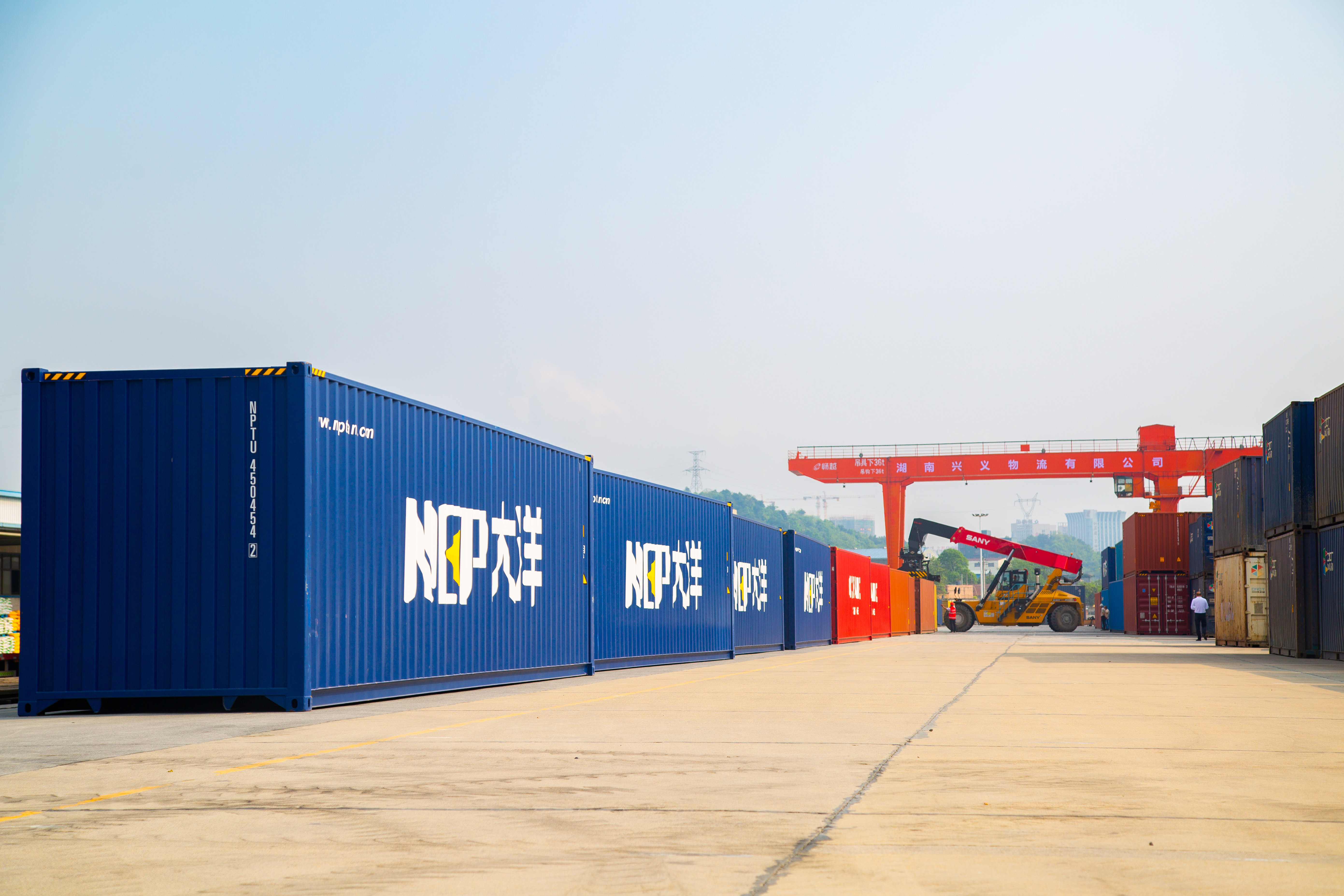
China - Alashankou/Khorgos - Europe Full Range Transportation (Mala/Hamburg/Duisburg/Budapest, etc.)
Shenzhen Neptune Logistics Co., Ltd.