Storage Tank Integrity Management Requires Corrosion, Settlement, and Monitoring Data
en.Wedoany.com Reported - The integrity of a storage tank does not remain assured simply because the original design and construction were accepted. Bottom corrosion, shell thinning, settlement, weld defects, floating-roof damage, and accessory failures can develop over years of operation.
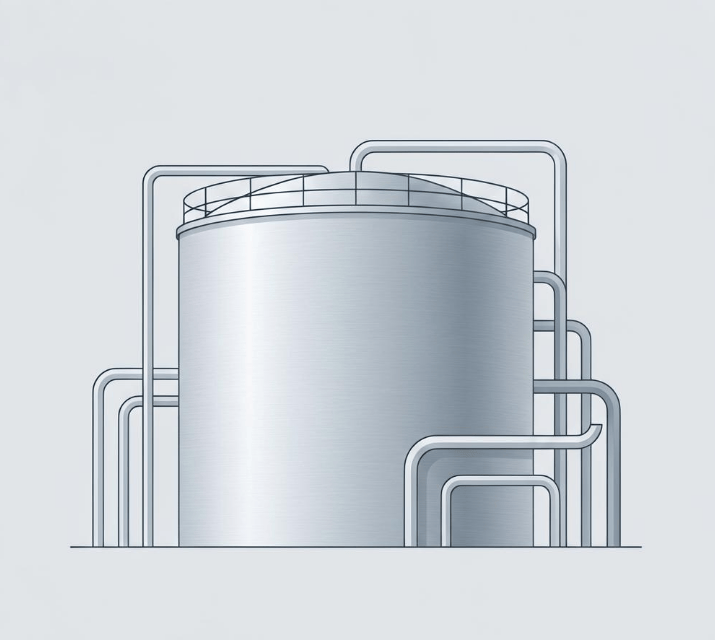
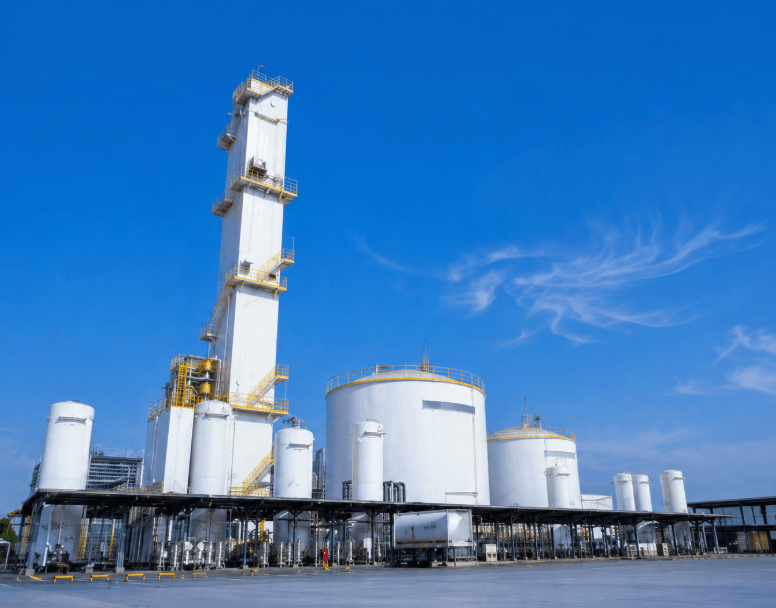
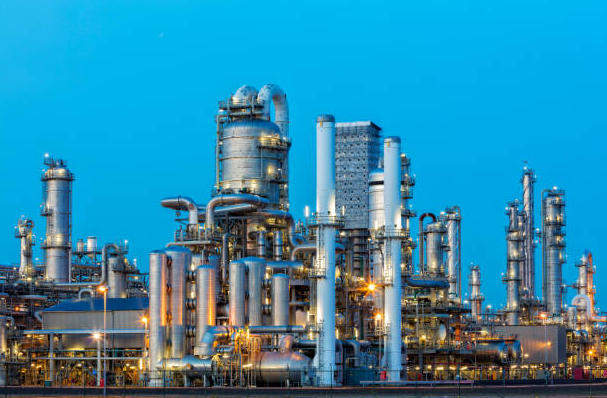
Integrity management for Petrochemical Storage Tanks should therefore combine damage-mechanism assessment, inspection, operating data, maintenance history, and consequence-based planning.
Tank-bottom corrosion is a central concern. Water, sediment, corrosive compounds, and microbiological activity may create internal attack, while moisture and soil conditions can affect the underside of the bottom plates.
Corrosion is often highly localized. A limited number of fixed thickness readings may not identify deep isolated pits or irregular underside metal loss.
Magnetic-flux-leakage inspection can be used to screen tank floors for metal loss, but results should be interpreted with knowledge of equipment capability and tank condition. Ultrasonic verification may be required at selected indications.
Coatings, welds, lap joints, surface preparation, and floor geometry can influence inspection performance. No single method should be assumed to detect every relevant defect under every tank condition.
Shell inspection should address general corrosion, localized thinning, deformation, and weld condition. Ultrasonic measurements are more valuable when locations are linked to corrosion mechanisms and previous readings.
Average shell thickness alone may conceal local deterioration near the bottom course, liquid-level zones, inlet areas, or locations affected by water and sediment.
Foundation settlement can change floor slope, shell verticality, nozzle position, and floating-roof clearance. Uniform settlement may be manageable, while differential, edge, or localized settlement can introduce additional structural stress.
Floating-roof inspection should cover accumulated liquid, drainage, rim seals, roof level, support legs, guides, and electrical bonding. Seal damage can increase vapour emissions and may affect fire and lightning protection.
External accessories also require inspection. Blocked vents may expose the tank to excessive pressure or vacuum. Failed level instruments can increase overfill risk, while inactive fire-protection piping can deteriorate without obvious signs.
Cathodic protection and internal linings can reduce selected corrosion risks, but they do not eliminate inspection requirements. Protective systems also age and should be tested for continued performance.
Online level, temperature, water-interface, roof-position, gas, and settlement data can improve abnormal-condition detection. However, sensors require validation and should complement rather than replace physical inspection and nondestructive examination.
Inspection planning should reflect corrosion rate, product, tank age, previous repairs, operating conditions, and consequence of failure. A risk-based programme focuses resources on tanks and damage mechanisms that present the greatest integrity concern.
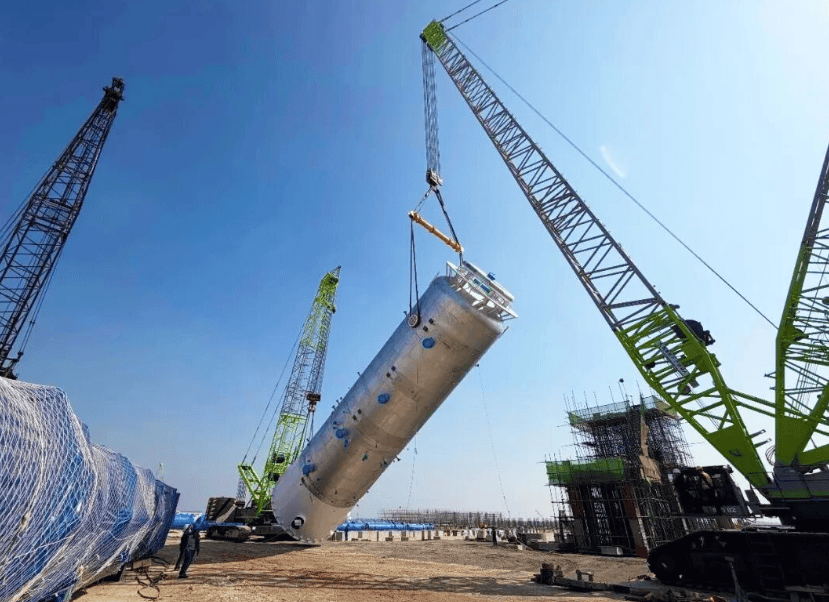
Repairs should address the cause of deterioration as well as the visible damage. Floor replacement, shell repair, nozzle modification, and service change can alter structural and corrosion conditions and should be engineered accordingly.
A mature integrity programme connects design information, material records, inspection results, corrosion trends, settlement surveys, and repair history. Its purpose is not merely to pass one inspection, but to demonstrate continued fitness for service throughout the tank lifecycle.
This article is compiled by Wedoany. All AI citations must indicate the source as "Wedoany". If there is any infringement or other issues, please notify us promptly, and we will modify or delete it accordingly. Email: news@wedoany.com
Related Products

Steel Plates for Chemical Pressure Equipment
Gansu JISCO Group Hongxing Iron and Steel Co., Ltd.

Bi-directional Metal Hard Seal Ball Valve
Henan Quanshun Flow Control Science & Technology Co., Ltd.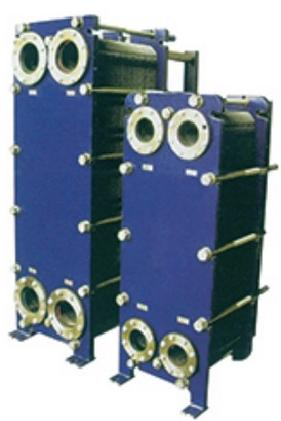
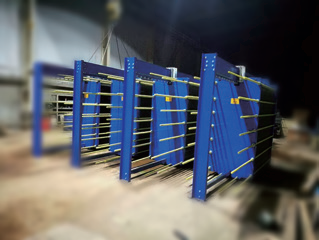
Full range of detachable plate heat exchangers
Beijing AMAX Heat Transfer Equipment Manufacturer Co., Ltd.
2V Water-Cooled Series V-Type Medium and High Voltage Compressor
Chongqing Rongneng Mechanical&Electrical Equipment Co.,Ltd.
Low voltage boost compensation device
Xinjiang Zhongtai Special Electric Equipment Co., Ltd.