Farmland Soil Improvement Requires Coordinated Management of Organic Matter and Structure
en.Wedoany.com Reported - Improving agricultural soil is not achieved simply by applying more fertilizer or carrying out one deep-tillage operation. It is a long-term process involving soil structure, organic matter, water, nutrients, biological activity, and erosion control.
Organic matter is one of the central elements of Farmland Soil Improvement. It influences aggregation, water retention, nutrient availability, biological activity, and the response of soil to cultivation.
Stable aggregates create a more favourable arrangement of pores for air, water, and roots. They can also reduce surface crusting and make the soil less vulnerable to rainfall impact and erosion.
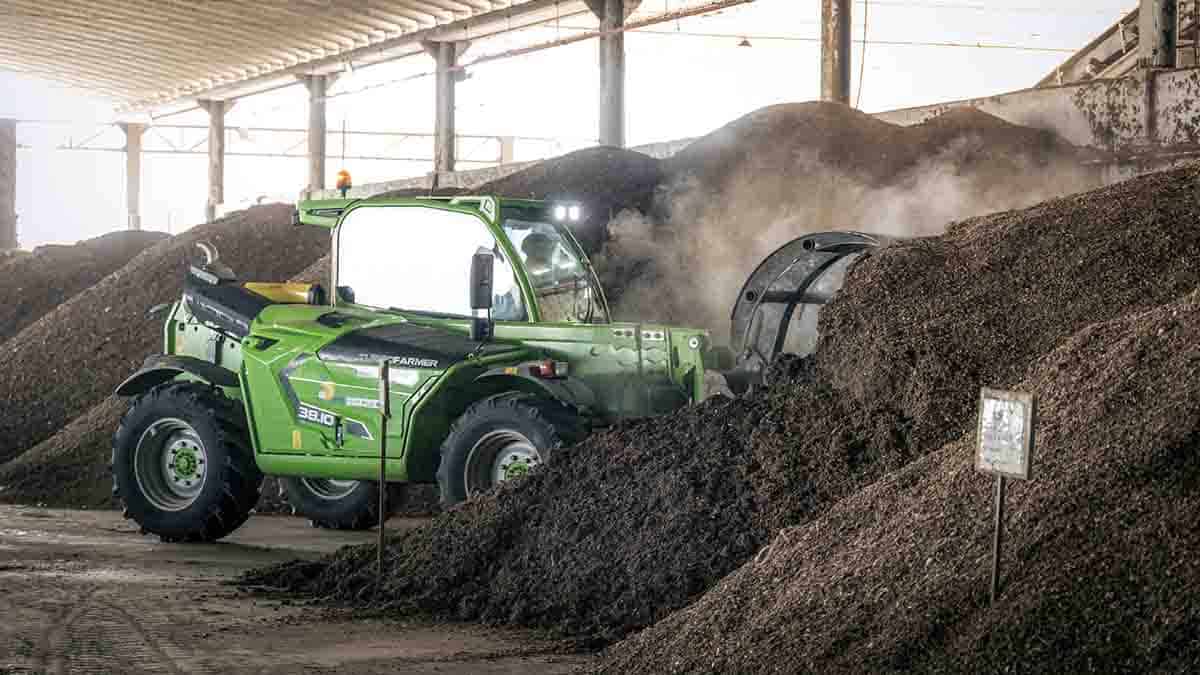
Crop residues, compost, organic fertilizers, green manure, and cover crops can return carbon and nutrients to the soil. Their effectiveness depends on decomposition, carbon-to-nitrogen ratio, salinity, contamination risk, climate, and crop management.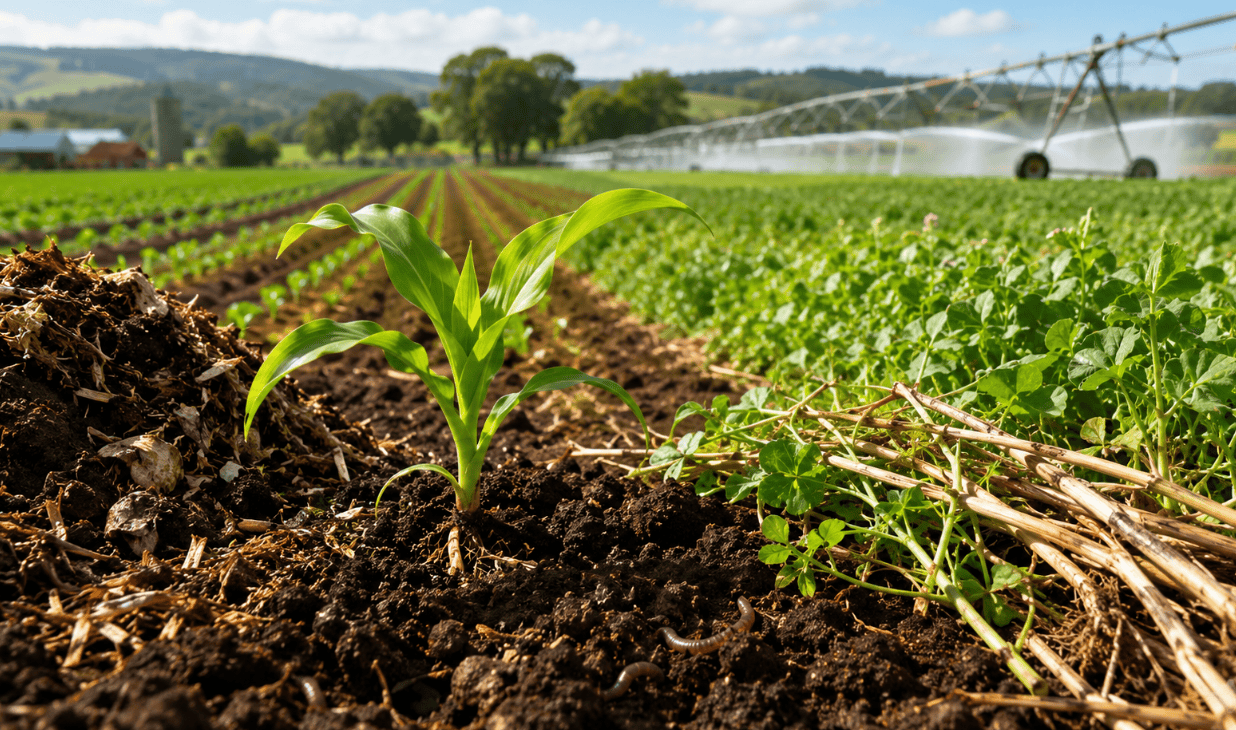
Insufficiently decomposed material may temporarily immobilize nitrogen, while poorly controlled compost can introduce salts, weed seeds, pathogens, or unwanted contaminants.
Cover crops and surface residues protect soil when the main crop is absent. They can reduce direct rainfall impact, recycle nutrients, add organic material, and support soil organisms.
Tillage also affects improvement. Frequent intensive cultivation can break aggregates, accelerate organic-matter decomposition, and increase erosion risk. Reduced tillage, conservation agriculture, and strategic subsoiling may help, but their suitability depends on soil texture, compaction depth, climate, and cropping system.
Mechanical loosening alone may not solve compaction. If heavy machinery continues to operate repeatedly on wet soil, the loosened profile can quickly become compacted again. Controlled traffic, suitable tyre pressure, and appropriate field timing should accompany physical remediation.
Water management determines whether roots can use soil nutrients and organic matter effectively. Poor drainage creates oxygen deficiency, while excessive irrigation can cause nutrient leaching, salinity, and rising groundwater.
Soil testing should guide amendment selection. pH, organic carbon, salinity, texture, bulk density, nutrient availability, and exchange capacity help distinguish acidification, salinization, nutrient depletion, compaction, and combined problems.
Soil recovery is rarely immediate. Organic matter, structure, biological communities, and rooting depth may require several seasons of consistent management before substantial improvement becomes visible.
The objective is not a short-lived change in soil appearance or one-season yield. It is to rebuild the physical, chemical, and biological capacity required for stable crop production over time.
This article is compiled by Wedoany. All AI citations must indicate the source as "Wedoany". If there is any infringement or other issues, please notify us promptly, and we will modify or delete it accordingly. Email: news@wedoany.com
Related Products
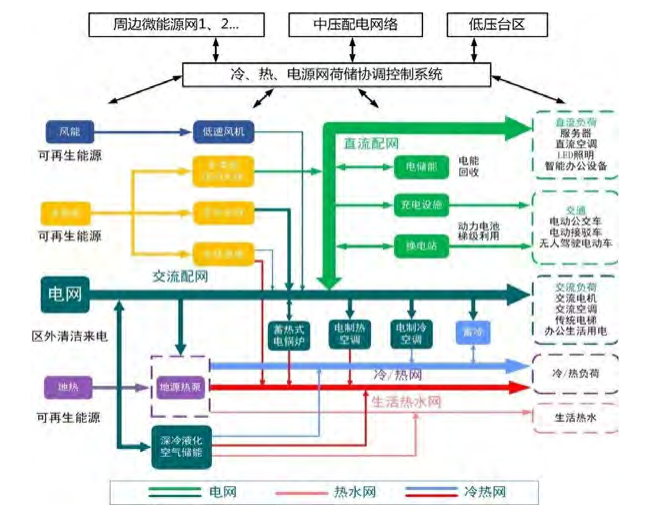

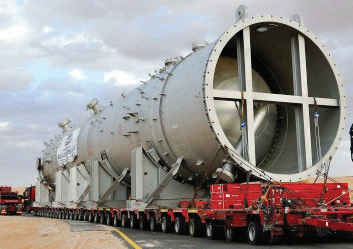

Industrial and Commercial Point-Type Gas Detector
Jinan Benan Technology Development Co., Ltd.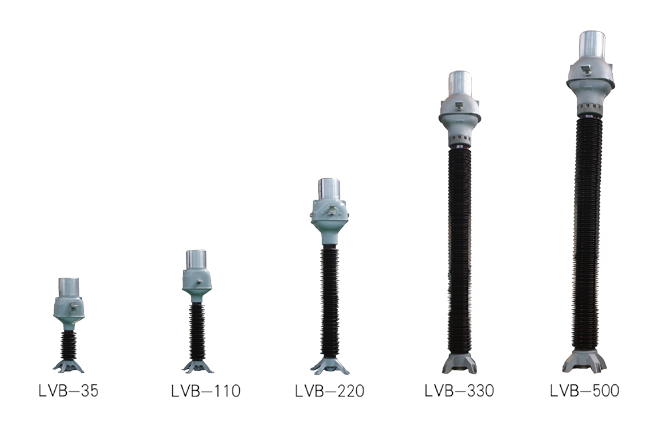
LVB Series 35-500kV Oil-immersed Inverted Current Transformer
Shandong TaiKai Instrument Transformer Co., Ltd.
CAP1400 main feedwater flow nozzle flowmeter.
Jiangsu Hongda Instrument Technology Co., LTD.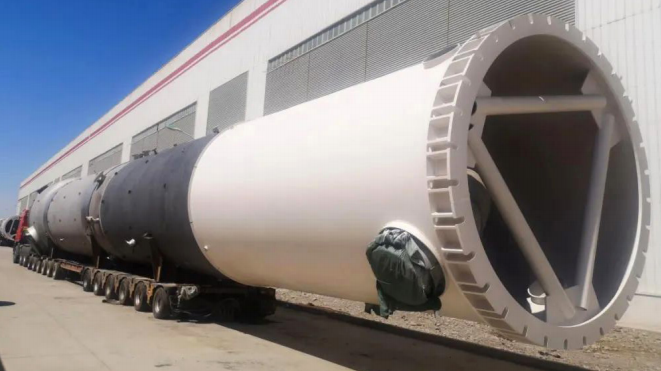
Photovoltaic and Wind Power Generation Technology
Beijing Boqi Electric Power SCI-TECH Co., Ltd.