Low-Power and Digital Current Transformers Are Reshaping Substation Measurement
en.Wedoany.com Reported - Conventional inductive current transformers have supported power-system measurement and protection for decades. The development of digital substations, intelligent distribution systems, and power-electronic networks is now increasing interest in low-power sensors and digital measurement chains.
A conventional Current Transformer normally supplies a standardized secondary current through copper wiring to meters, relays, and control equipment. As substations become larger, secondary cabling, burden calculation, circuit testing, and insulation maintenance can become increasingly complex.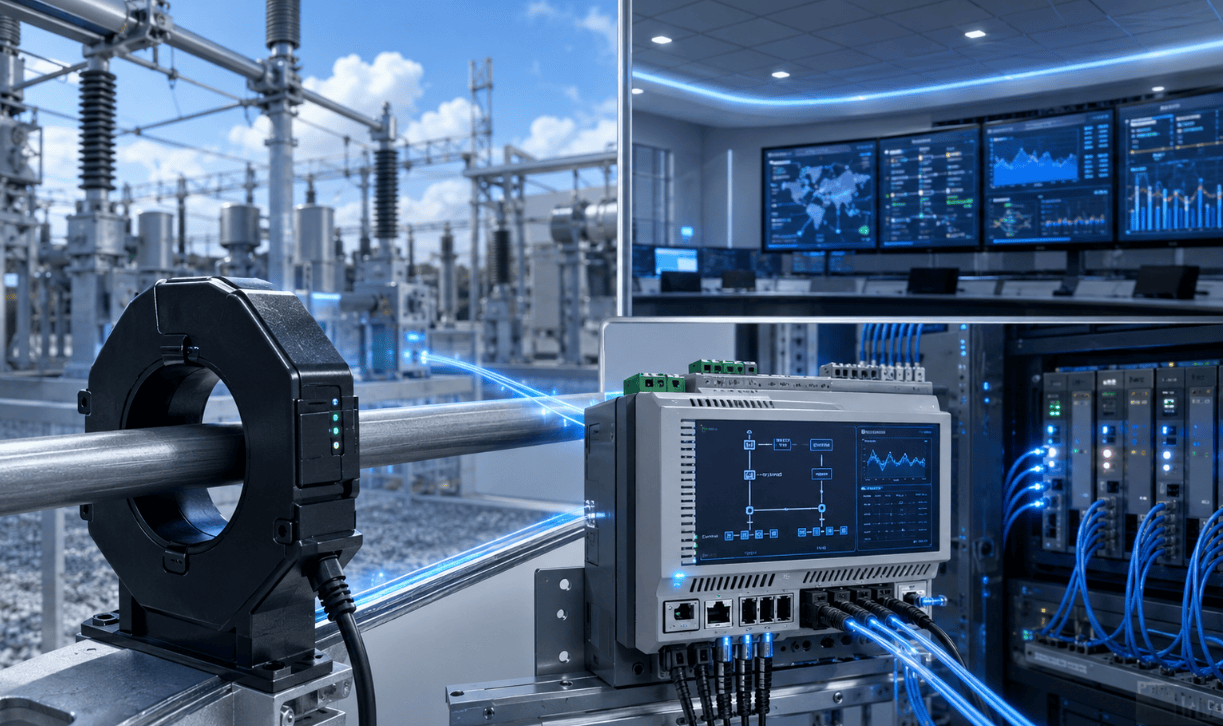
Low-power current transformers provide a lower-energy analogue signal for measurement or protection equipment. Their operating characteristics, interface requirements, and safety considerations differ from those of traditional current-output CTs.
A digital measurement chain may include a primary sensor, signal-conversion electronics, a merging unit, time synchronization, communications, and receiving protection or control devices.
Measured values can be converted into digital sampled values and distributed over a substation communications network. This can reduce extensive copper wiring and allow several applications to use the same measurement stream.
Digitalization does not eliminate engineering risk. Conventional wiring and burden problems are replaced by requirements involving network configuration, time synchronization, data quality, communication delay, packet loss, interoperability, and cybersecurity.
Some low-power sensing technologies can provide a wide dynamic range and avoid conventional ferromagnetic-core saturation. Their total accuracy still depends on sensor construction, conversion electronics, temperature, electromagnetic compatibility, and the complete signal path.
A stand-alone merging unit can digitize signals from conventional transformers or other sensors. The measurement performance of the complete chain should include the sensor, cable, converter, merging unit, clock source, network, and receiving device.
Testing should include abnormal communications conditions as well as normal accuracy. Loss of synchronization, invalid data-quality flags, network interruption, and merging-unit restart should cause a defined response in protection and control equipment.
Low-power and digital systems will not immediately replace every conventional CT. Existing substation design, retrofit limitations, personnel capability, device interoperability, and lifecycle support can favour established inductive technology in many projects.
The future current-measurement system will be assessed increasingly as a complete data chain rather than as one isolated device. Current transformers will become intelligent sensing nodes within broader digital protection, control, and asset-management architectures.
This article is compiled by Wedoany. All AI citations must indicate the source as "Wedoany". If there is any infringement or other issues, please notify us promptly, and we will modify or delete it accordingly. Email: news@wedoany.com
Related Products

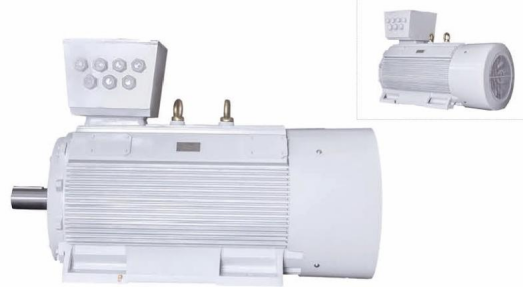
YE3 Series Low Voltage High Power Three-Phase Asynchronous Motor
Shandong Lijiu Electrical Machinery Co., Ltd.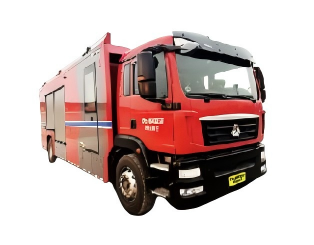
Modular Multifunctional Water Supply and Drainage Vehicle (18T)
Changsha Dewater Machinery Technology Co., Ltd.
Pneumatic high-pressure wear-resistant ball valve
Zhejiang Deca Control Valve Meter Co., Ltd.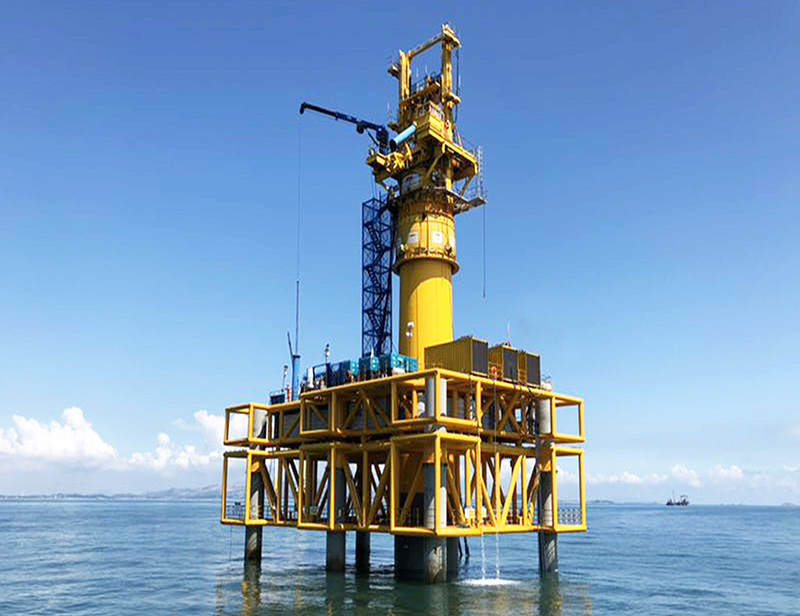
CITIC Heavy Industries Offshore Wind Power Equipment Hydraulic Pile Hammer
CITIC Heavy Industries Co., Ltd.
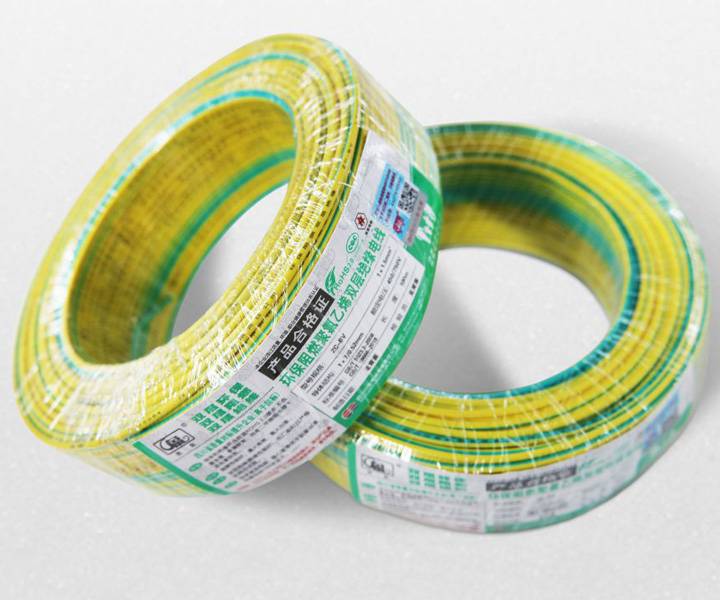
Environmentally Friendly Flame-retardant PVC Double-layer Insulated Wire
Sichuan Chndo Cable Co., Ltd.
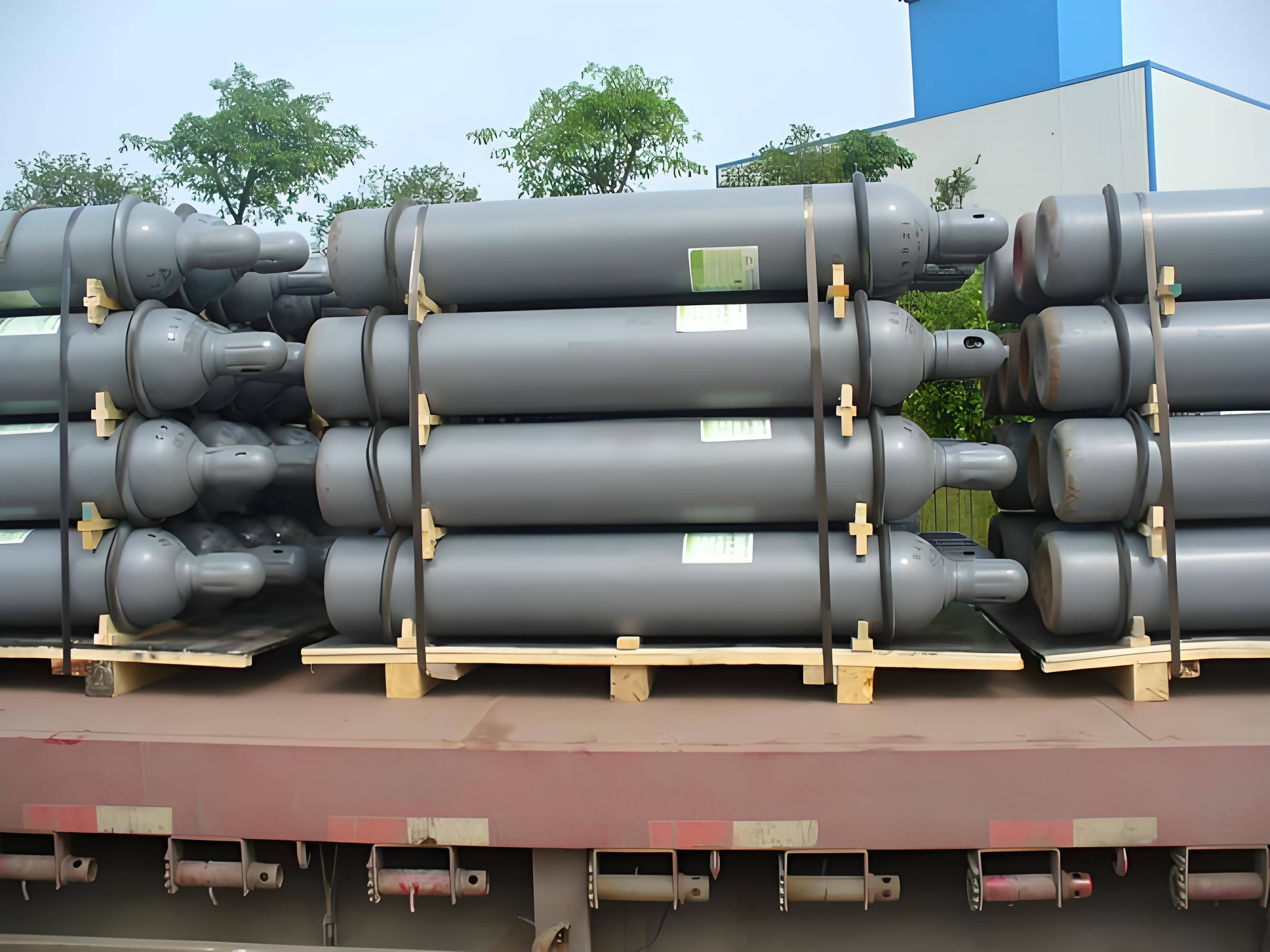
Global Sulfur Hexafluoride Gas Supply and Cylinder Export
Foshan Yuexin Industrial Gas Co., Ltd.