Reclaimed Water Is Becoming Part of Industrial Water-Supply Strategy
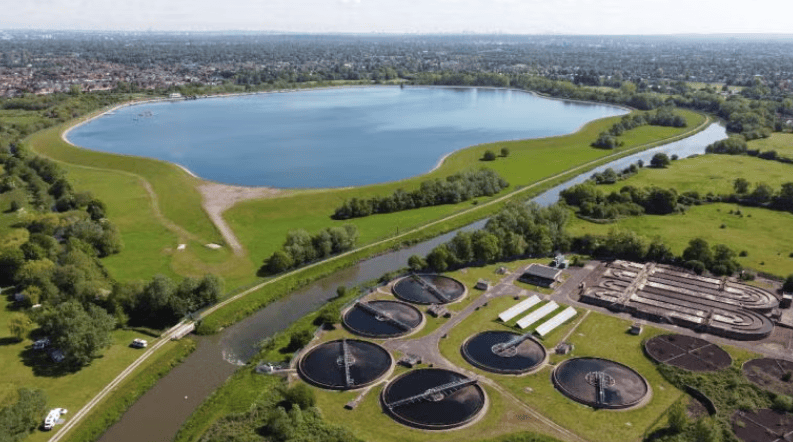
en.Wedoany.com Reported - Water reuse is moving beyond the final stage of wastewater treatment and becoming an important supply option for industrial parks, municipal facilities, and water-stressed regions.
Properly designed Reclaimed Water Reuse systems can supply cooling towers, landscaping, street cleaning, toilet flushing, environmental water features, and selected industrial processes.
The first design decision is the intended use. Water for landscape irrigation or road cleaning does not require exactly the same control of dissolved salts, microorganisms, organic matter, and hardness as water entering a boiler, membrane system, or precision manufacturing process.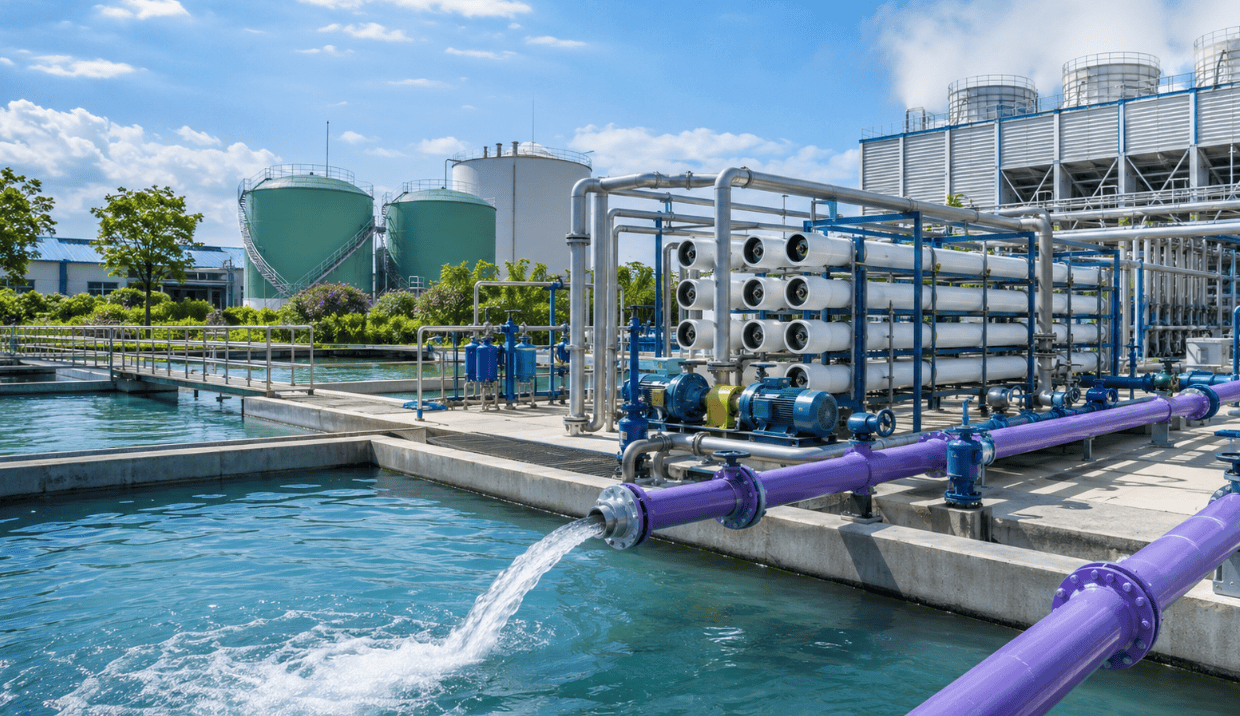
Biologically treated municipal wastewater may still contain suspended solids, nutrients, microorganisms, dissolved organics, and salts. Additional treatment can include coagulation, clarification, filtration, membrane separation, activated carbon, disinfection, or advanced oxidation.
Cooling-water reuse requires evaluation of scaling, corrosion, microbiological growth, and salt concentration. As water circulates through a cooling tower, evaporation can increase the concentration of calcium, magnesium, chloride, sulfate, and total dissolved solids.
Water that meets a general discharge limit may therefore be unsuitable for direct use in a high-cycle cooling system without additional treatment or chemical control.
Boiler make-up normally requires more stringent removal of hardness, silica, dissolved salts, and selected organics. Reverse osmosis, ion exchange, electrodeionization, and related processes may be required, together with plans for membrane fouling, chemical consumption, and concentrate disposal.
Reuse-system influent quality can change because of storms, industrial discharges, seasonal demand, or biological-treatment variation. Equalization, storage, bypass arrangements, emergency disposal, and online monitoring can protect downstream users.
Reclaimed-water distribution should remain clearly separated from drinking-water networks. Identification, cross-connection control, backflow prevention, access management, and operator procedures are essential even when the water meets the requirements of its intended use.
Economic analysis should include more than the difference between drinking-water price and treatment cost. Discharge fees, abstraction limits, supply interruptions, future expansion, and local water scarcity can significantly affect lifecycle value.
The purpose of reuse is not to treat every water stream to the highest possible quality. It is to match treatment performance to a defined application through fit-for-purpose treatment, separate distribution, and continuous verification.
This article is compiled by Wedoany. All AI citations must indicate the source as "Wedoany". If there is any infringement or other issues, please notify us promptly, and we will modify or delete it accordingly. Email: news@wedoany.com
Related Products
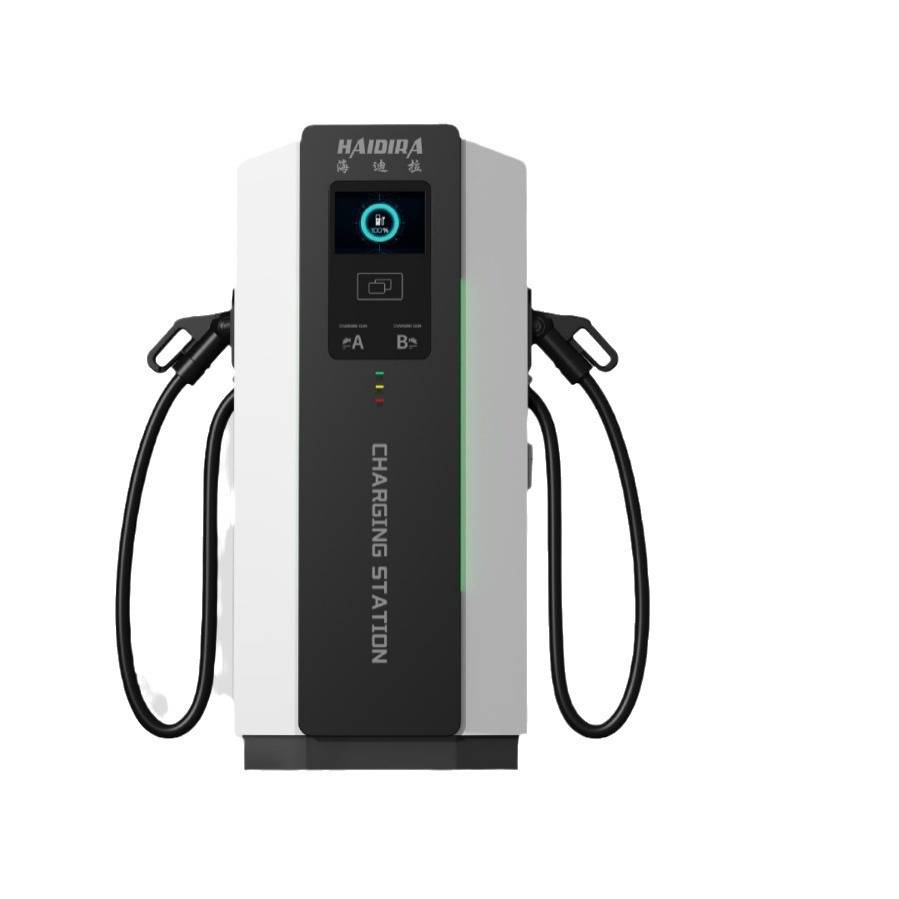

Manufacturer Direct Sales Tesla New Energy Electric Vehicle Universal DC 180kW Dual-gun Charging Pile Commercial Fast Charger
Anhui Haidira Electric Technology Co., Ltd.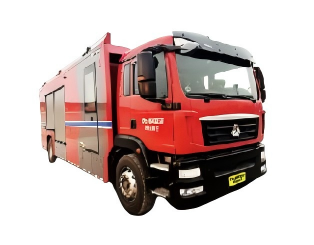
Modular Multifunctional Water Supply and Drainage Vehicle (18T)
Changsha Dewater Machinery Technology Co., Ltd.

Off-Grid Fuel Cell Supercharging Station (180kW Configuration)
Shanghai REFIRE Group Limited
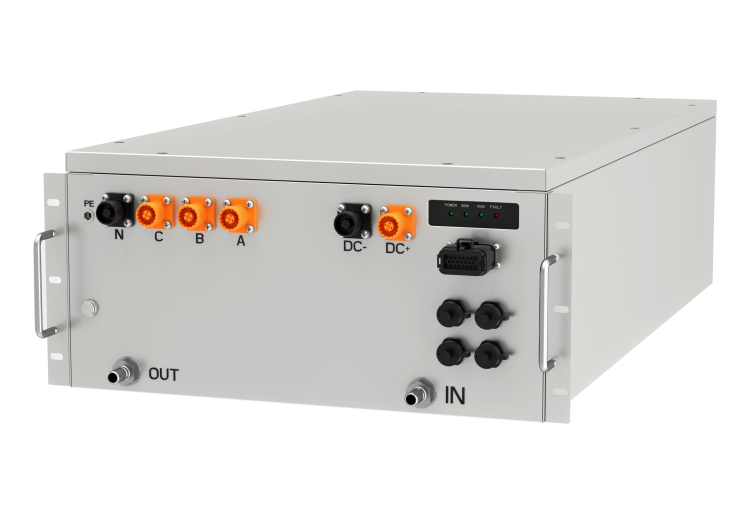
Mars (Liquid Cooling) Series Industrial and Commercial Energy Storage Converter High Protection Module
Shenzhen Winline Technology Co., Ltd.
714CD Series C-Band Weather Radar
Chengdu Zhongdian Jinjiang Information Industry Co., Ltd.