Fixed Roof or Floating Roof: Matching Tank Design to Petrochemical Service
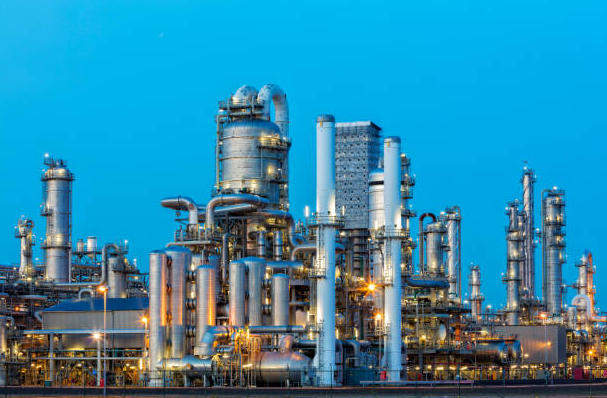
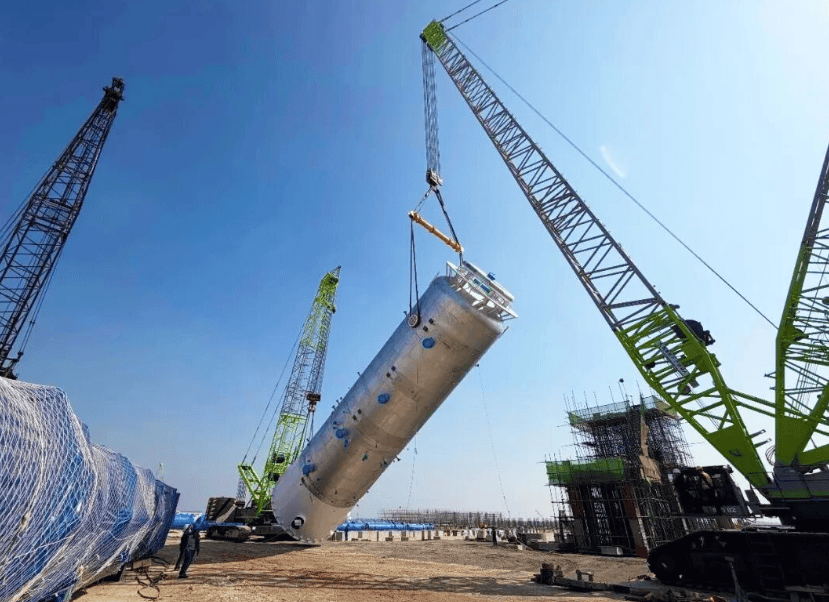
en.Wedoany.com Reported - Storage tanks hold crude oil, refined products, chemical feedstocks, intermediates, and other liquids across petrochemical facilities. Although their geometry appears relatively simple, large tanks operate under liquid head, temperature cycling, corrosion, settlement, wind, and other long-term loads.
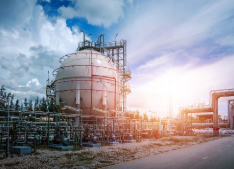
The structural configuration of Petrochemical Storage Tanks should therefore be selected according to product volatility, operating pressure, throughput, emissions requirements, climate, and inspection strategy.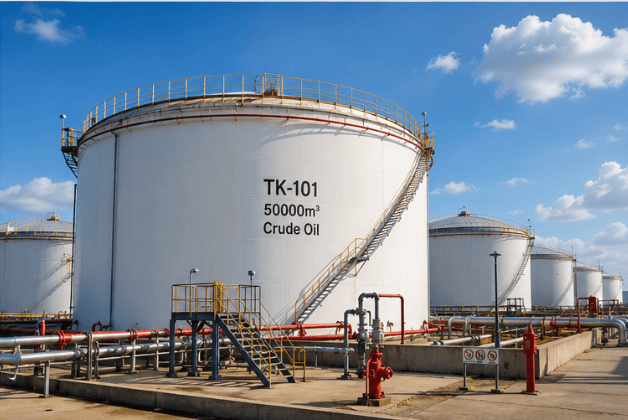
Fixed-roof tanks commonly use cone, dome, or other permanent roof structures. They are generally suited to lower-volatility liquids or services in which the vapour space can be controlled through venting, vapour recovery, blanketing, or other measures.
As liquid level rises and falls, the vapour space changes volume. Normal venting, pressure-vacuum protection, and emergency relief must be coordinated with filling rate, emptying rate, thermal breathing, and credible abnormal conditions.
Internal floating-roof tanks place a movable deck beneath a fixed external roof. The deck follows the liquid surface and reduces the exposed vapour space, while the fixed roof protects the floating system from direct weather exposure.
External floating-roof tanks use a roof that floats directly on the stored liquid. They are commonly applied to large-volume storage of volatile petroleum products. Rim seals reduce vapour release between the floating roof and tank shell.
Floating-roof drainage, seals, support legs, guide systems, anti-rotation devices, and roof position require regular inspection. A blocked drain or damaged seal can create operational and environmental problems even when the main tank shell remains sound.
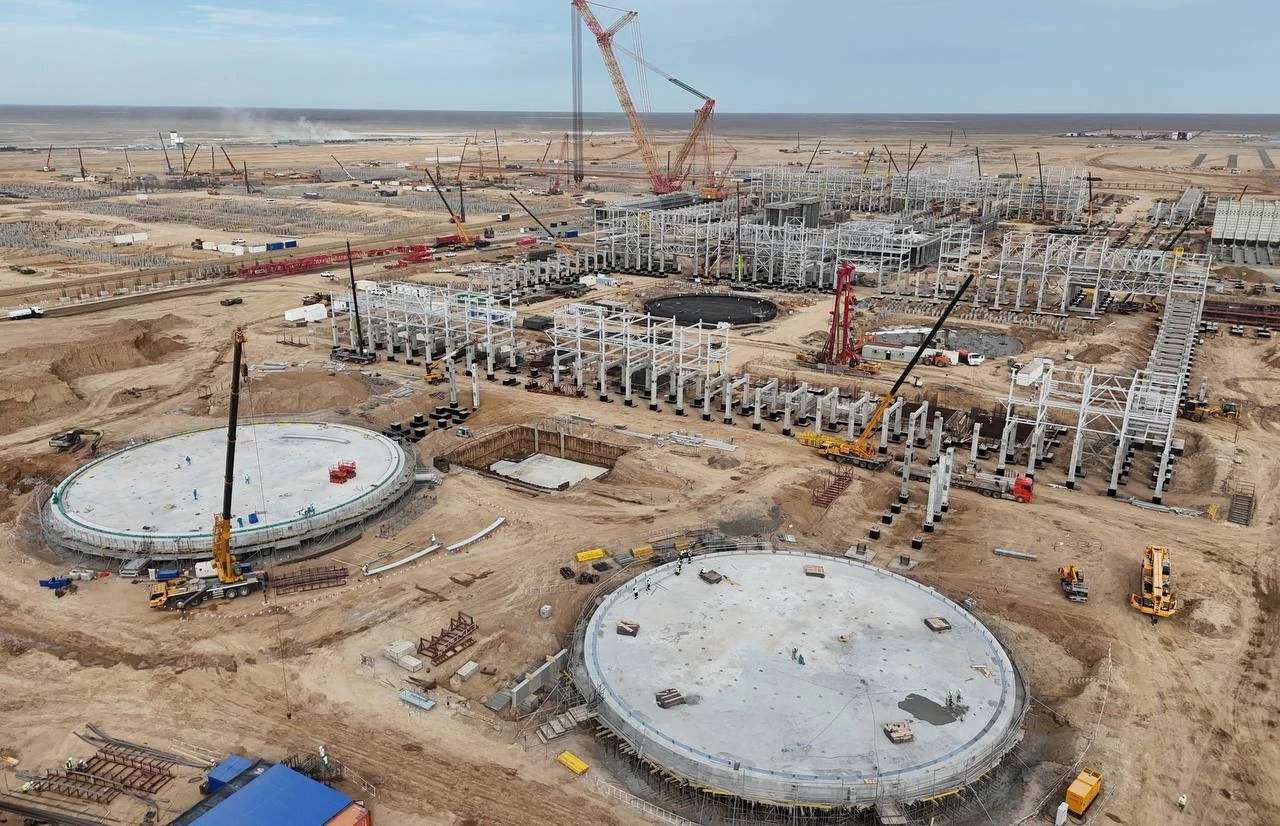
Tank design must account for shell stress, wind, seismic action, vacuum, temperature, and foundation settlement. Large-diameter tanks can be particularly sensitive to nonuniform settlement and changes in shell roundness.
Connected piping should be designed so that settlement and thermal movement do not impose excessive loads on shell and bottom nozzles. Flexible layout and suitable support arrangements may be required.
The tank bottom is a major integrity-management area. Its upper surface is exposed to the stored product, water, and sediment, while the underside may be affected by moisture and soil-side corrosion. Linings, cathodic protection, leak detection, and foundation drainage should be selected for the actual environment.
Tank accessories are also safety-critical. Vents, emergency relief, level measurement, independent high-level protection, sampling systems, manways, grounding, and fire-protection equipment must be included in the complete design.
Tank selection should not be based only on capacity and construction cost. Product properties, emissions control, operating cycle, cleaning, inspection access, fire protection, and possible future service changes all influence lifecycle suitability.
The best tank configuration balances structural integrity, vapour control, operational practicality, and long-term inspection rather than simply applying the most familiar tank type.
This article is compiled by Wedoany. All AI citations must indicate the source as "Wedoany". If there is any infringement or other issues, please notify us promptly, and we will modify or delete it accordingly. Email: news@wedoany.com