Institute of Acoustics, Chinese Academy of Sciences Develops Novel Nitrogen Dioxide Sensor
en.Wedoany.com Reported - On July 22, a research team led by Professor Wang Wen from the Institute of Acoustics, Chinese Academy of Sciences, successfully developed a novel sensor capable of highly sensitive detection of nitrogen dioxide at room temperature. The relevant research findings were published in the journal Nano Research.
Nitrogen dioxide is a common harmful gas found in industrial and automotive exhaust, posing potential risks to the human respiratory system and the ecological environment. Traditional nitrogen dioxide sensors typically require high-temperature heating to achieve high sensitivity, which presents issues such as high energy consumption and limited stability. Trace gas detection technology that operates stably at room temperature has long been a research focus in the field of environmental monitoring.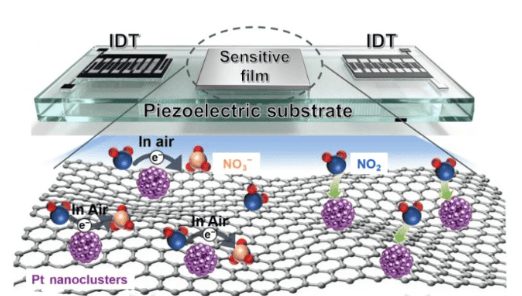
Professor Wang's team innovatively combined platinum nanocluster materials with surface acoustic wave device technology, synthesizing platinum metal clusters with an average size of approximately 2.4 nanometers. These clusters were uniformly loaded onto the surface of graphene oxide as a sensitive layer and integrated into a surface acoustic wave delay line device. When nitrogen dioxide molecules are captured by the sensitive layer, they trigger electron transfer. The surface acoustic wave device converts the adsorption process into measurable electrical signals through mass loading and acoustoelectric coupling effects.
Experimental data show that the sensor can detect nitrogen dioxide at concentrations as low as 20 ppb at room temperature, with a sensitivity of 45.4 mV/ppm, a theoretical detection limit of approximately 6 ppb, and a response time of about 50 seconds. The device exhibits good selectivity against common interfering gases such as hydrogen, ammonia, and methane. After 30 days of storage, it retains 90.5% of its initial performance, demonstrating good repeatability and long-term stability.
Wang Wen stated that this research provides a new approach for developing low-power, highly sensitive room-temperature gas sensors, which is expected to play a significant role in areas such as air quality monitoring and industrial production safety.
Related Products


CAP1400 main feedwater flow nozzle flowmeter.
Jiangsu Hongda Instrument Technology Co., LTD.
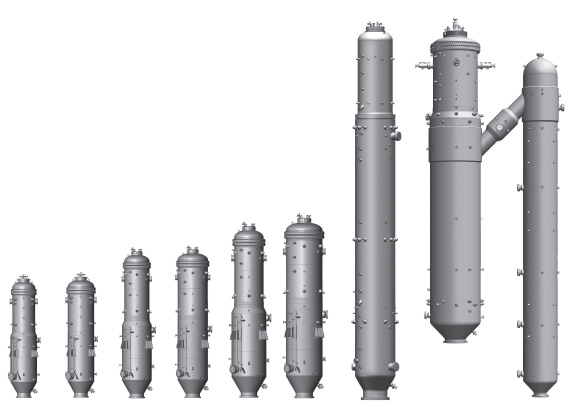
Gasification Furnace Series: Freely Combinable Aerospace Furnace
CHANGZHENG ENGLINEERING CO., LTD.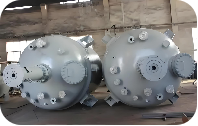
Steel Plates for Chemical Pressure Equipment
Gansu JISCO Group Hongxing Iron and Steel Co., Ltd.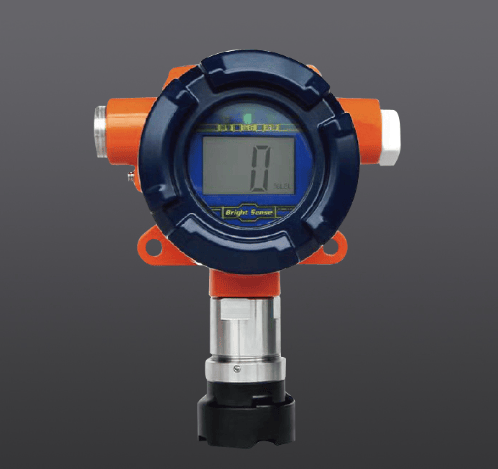
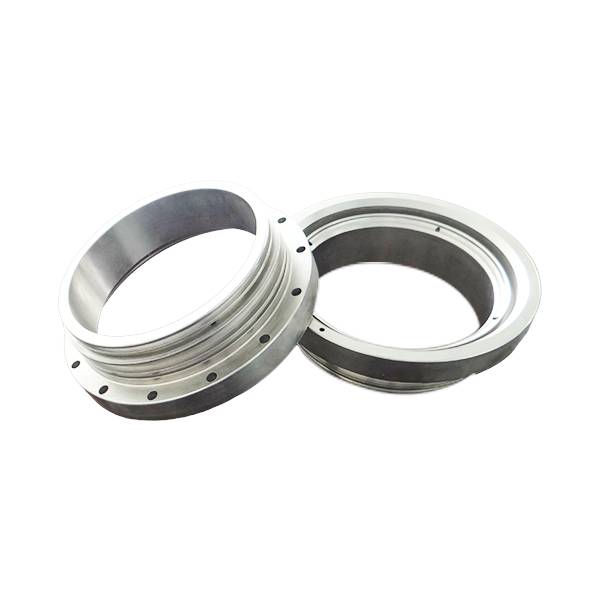
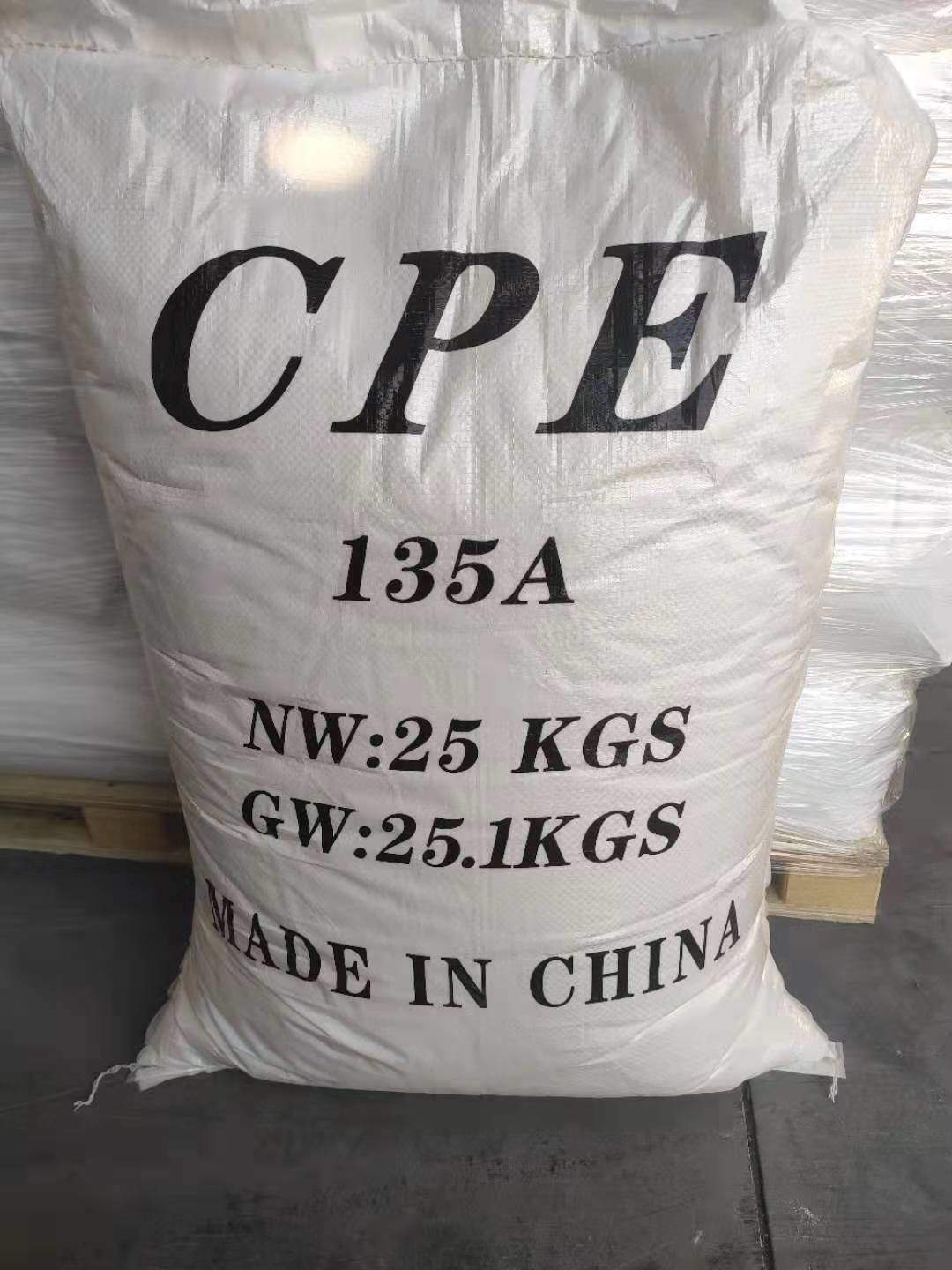
PVC Impact-Modified Chlorinated Polyethylene
Gansu Jinchuan Hengxin Polymer Technology Co., Ltd.