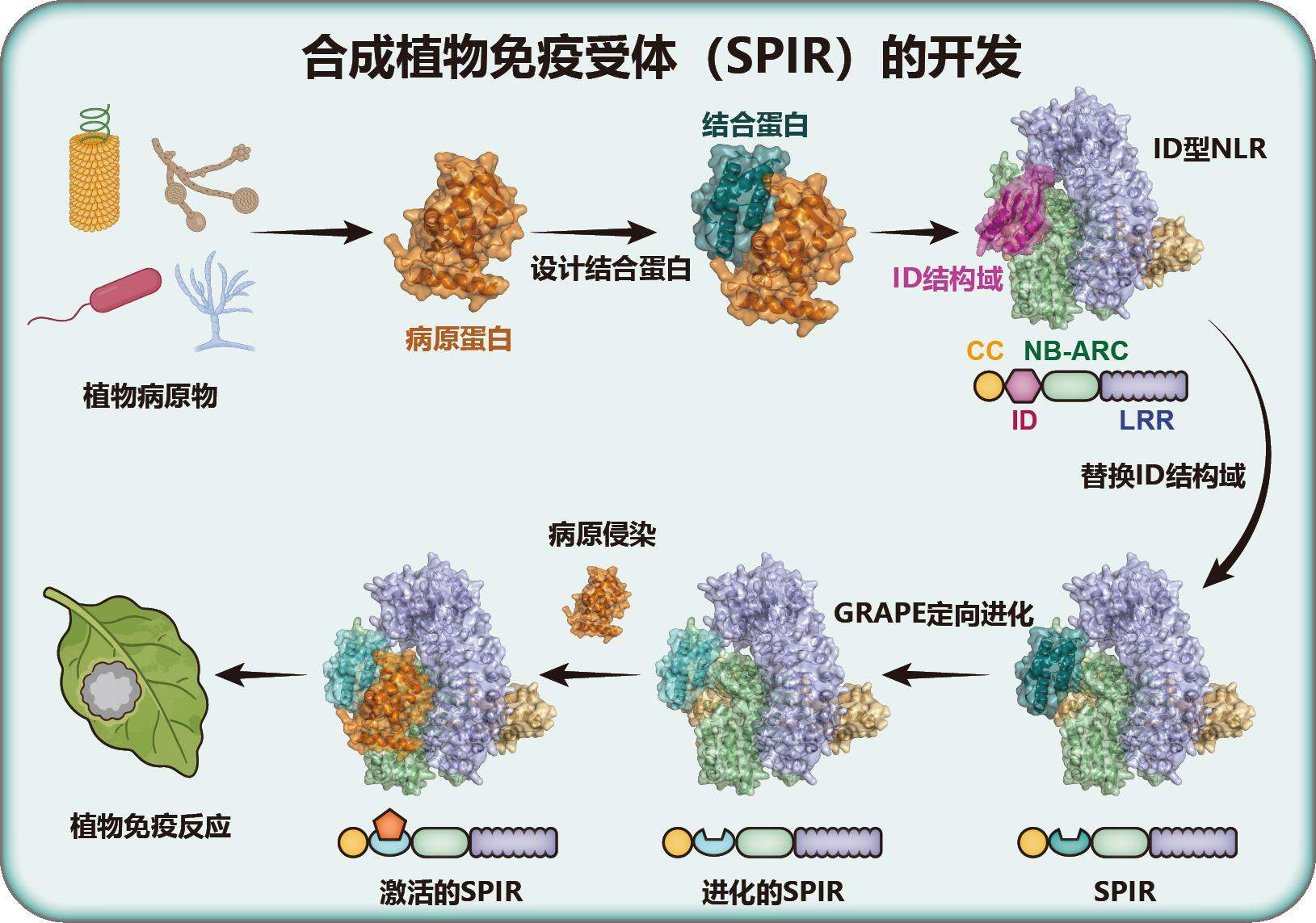
Cloning Efficiency Stable at Nearly 100%! Breakthrough in China's One-Line Hybrid Rice Research
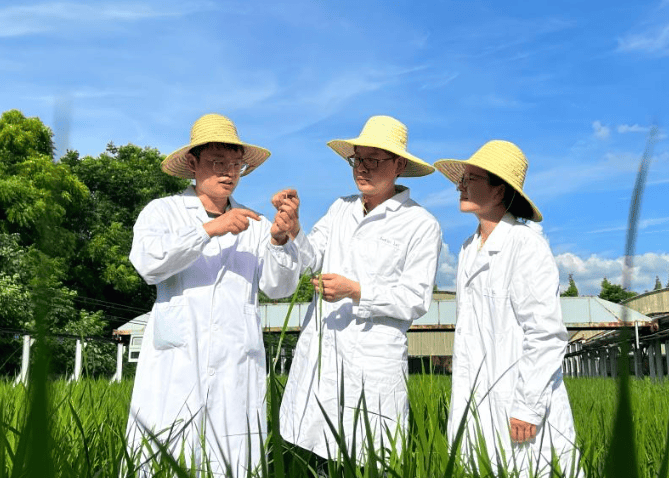
en.Wedoany.com Reported - A research team led by Wang Kejian from the China National Rice Research Institute has recently successfully developed one-line hybrid rice with stable cloning efficiency of nearly 100% and normal seed setting, pioneering a leap "from 1 to 100" in this field. The original research findings were published in Vita on July 21.
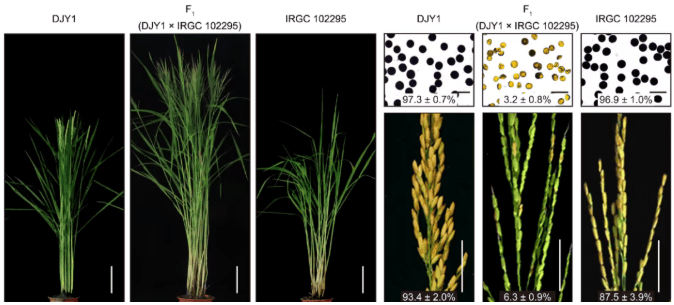
Currently, the minimum requirement for seed purity in hybrid rice production—the proportion of seeds that truly possess heterosis (i.e., genotypes consistent with hybrid offspring of parents)—is 97%.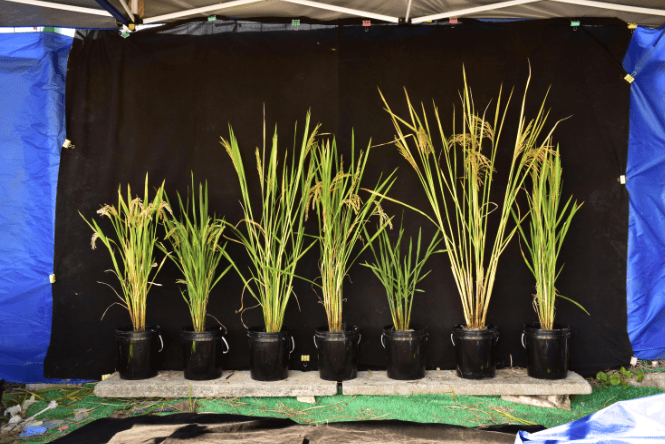
Cloning efficiency refers to the percentage of seeds with genotypes identical to the mother plant (i.e., cloned seeds) during artificially induced apomixis, used to measure the technical success rate of "fixing heterosis." It directly affects seed purity. In 2017, the first hybrid rice apomixis system established by Wang Kejian's team had a cloning efficiency far below the standard for production application. To address this challenge, the team set a goal of "from 1 to 100"—one-line hybrid rice with 100% cloning efficiency and seed setting rates comparable to normal plants.
Wang Kejian stated that the widely applied three-line and two-line hybrid rice systems cannot be reused for seed retention due to genetic segregation in offspring, requiring annual artificial seed production using male sterile lines and restorer lines. The core goal of the one-line system is to enable hybrid crops to self-propagate through apomixis, producing cloned seeds to fix heterosis, achieving "one hybridization, usable for generations." In theory, only one hybrid seed is needed for continuous utilization of hybrid rice, eliminating the need for annual seed production.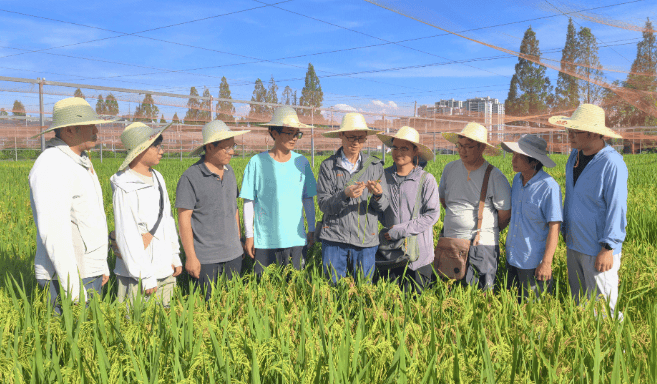
After years of persistent research, the team successfully identified an endogenous rice gene, named "Huaxu." This gene encodes a sperm cell-specific transcription factor protein, inspired by the ancient Chinese myth of Huaxu, who gave birth to Fuxi and Nüwa by stepping on a footprint, metaphorically reflecting the biological characteristics of parthenogenesis.
Studies show that ectopic expression of the Huaxu gene in hybrid rice egg cells efficiently induces parthenogenesis, producing haploid offspring. Combined with a clonal gamete strategy (knocking out three key meiotic genes to convert meiosis into mitosis), multiple apomictic lines developed achieved nearly 100% cloning efficiency—under conditions of multiple hybrid rice varieties, different generations, various planting populations, and large field populations, cloning efficiency remained stable above 99%, while yield maintained normal levels. This marks the preliminary realization of the "from 1 to 100" goal for one-line hybrid rice, taking a key step toward the vision of "generation-to-generation" propagation.
Wang Kejian stated that this achievement solves a recognized global challenge in crop breeding—enabling hybrid rice to permanently fix heterosis through seeds—potentially fundamentally changing the traditional model of annual seed production for hybrid rice, providing new technical support for global food security.
Related Products



714CD Series C-Band Weather Radar
Chengdu Zhongdian Jinjiang Information Industry Co., Ltd.

Industrial and Commercial Point-Type Gas Detector
Jinan Benan Technology Development Co., Ltd.
4HS-8 High-efficiency Peanut Inverted-laying Harvester
Hebei Yongfa Hongtian Agricultural Machinery Manufacturing Co., Ltd.