France's Engie receives administrative approval for 200 MW standalone energy storage project in Spain
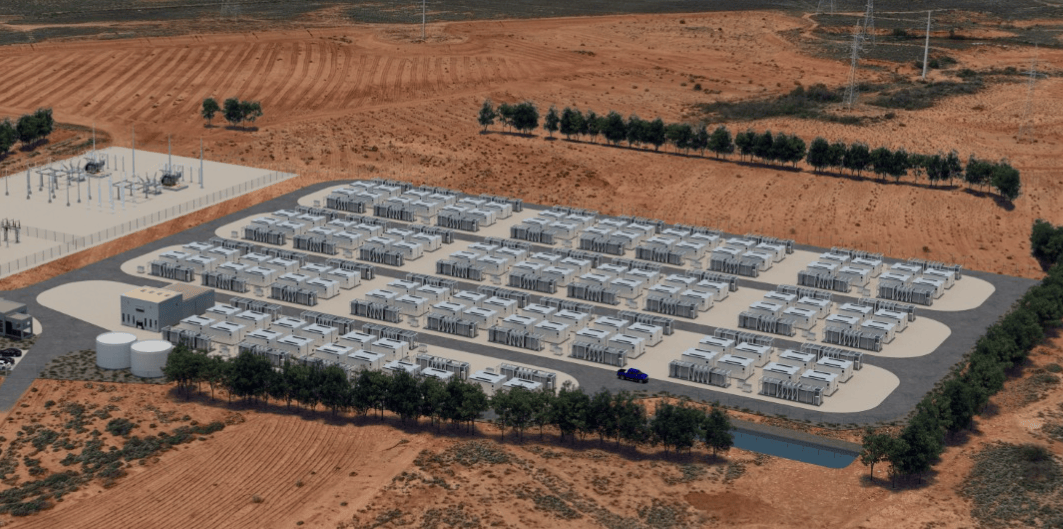
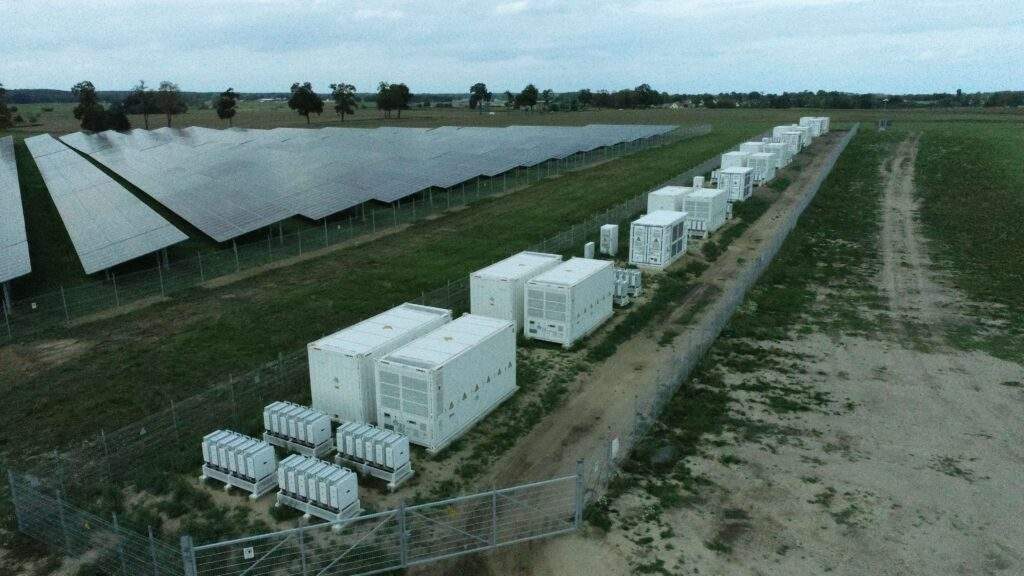
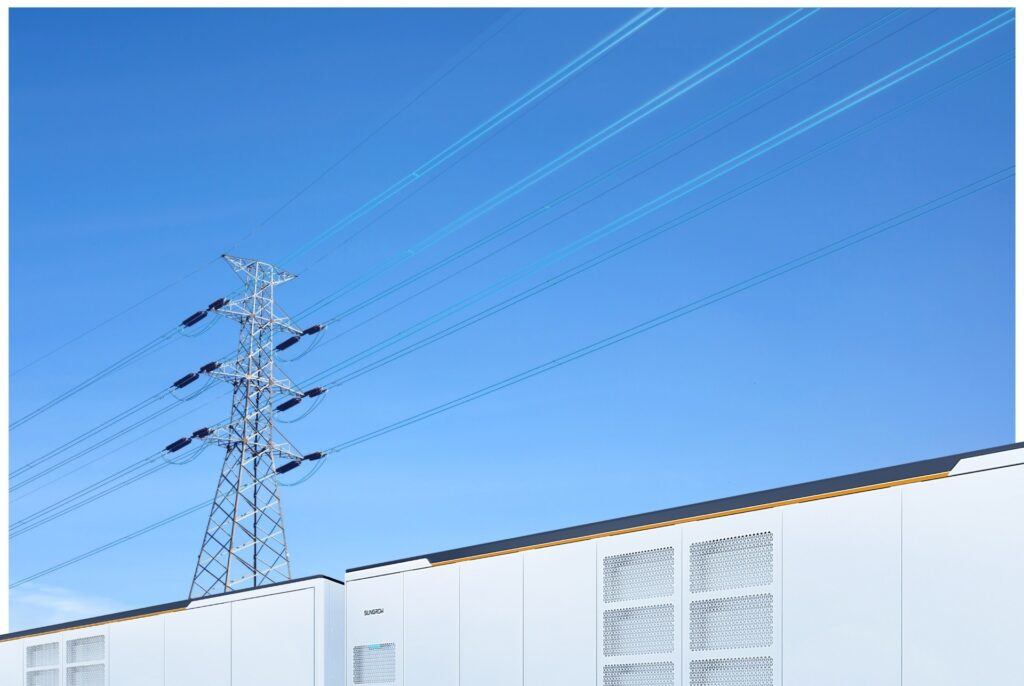
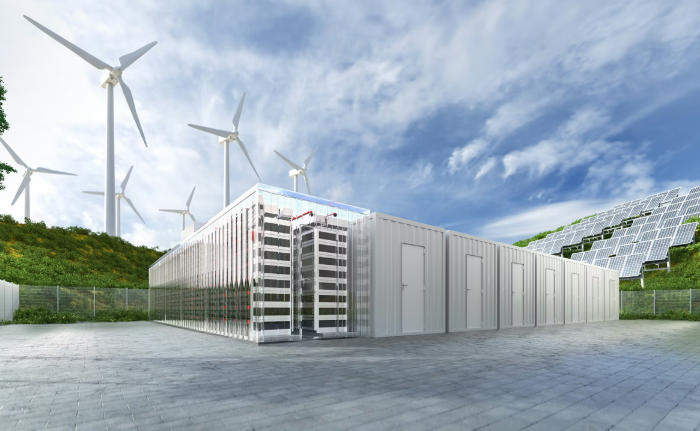
en.Wedoany.com Reported - Recently, French energy company Engie received administrative approval for the ST Palmosilla standalone battery energy storage project in Andalusia, Spain. Located in Tarifa, Cádiz Province, the project has a planned installed capacity of 200 megawatts and an energy storage capacity of 885 megawatt-hours, and will be connected to the grid as an independent energy storage power station.
ST Palmosilla was initially developed by Spain's Rolwind Renovables and later acquired by Engie, becoming part of its large-scale energy storage portfolio in Andalusia. The project utilizes lithium-ion battery technology with a designed discharge duration of approximately 4 hours. It has a 200 MW generation-side connection capacity and a 200 MW consumption-side connection capacity, allowing it to absorb electricity when renewable energy output is high, grid absorption pressure is significant, or electricity prices are low, and to release power to the grid when demand rises, wind and solar output declines, or the system requires support. The project's supporting infrastructure includes battery systems, inverters, transformers, control systems, on-site step-up facilities, and transmission works. Electricity will be transmitted via underground lines to the SET Palmosilla 30/220 kV substation, and then connected to the Puerto de la Cruz grid node. According to current plans, the project investment exceeds 100 million euros, with construction scheduled to begin in 2027 and operations targeted to start in 2028.
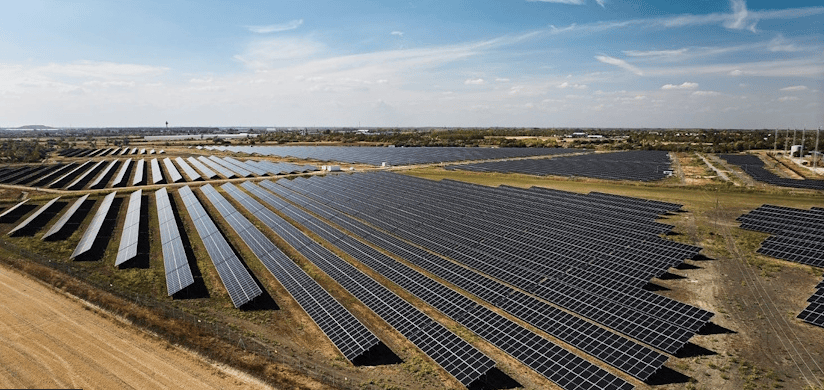
Southern Andalusia, where Tarifa is located, is a region in Spain with a high concentration of wind energy, photovoltaic, and grid connection resources. The implementation of large-scale standalone energy storage projects will directly serve the stable operation of a power system with a high proportion of renewable energy. Unlike energy storage paired with photovoltaic or wind farms, ST Palmosilla, as an independent station connected to the grid, derives its operational value primarily from flexible regulation, peak shaving and valley filling, ancillary services, and local grid support. The addition of synchronous condensers enables the project to provide inertia, voltage control, and reactive power support beyond energy shifting, helping to mitigate system stability issues arising from the large-scale integration of new energy power through power electronic devices. For the Spanish electricity market, such projects will drive demand for battery compartments, energy storage converters, step-up equipment, fire safety systems, temperature control systems, dispatch platforms, construction general contracting, and long-term operation and maintenance services. They will also promote the transition of energy storage from demonstration configurations to larger-scale grid infrastructure construction.
Engie's previously acquired energy storage portfolio in Andalusia also includes the Cerrillo project in Alora, Málaga, bringing the total of the two assets to 278 MW/1112 MWh. With the administrative approval of ST Palmosilla, Engie's large-scale energy storage deployment in Spain is moving closer to the execution phase. Subsequent project variables will focus on final construction permits, equipment procurement, financing arrangements, grid connection commissioning, and market revenue mechanisms. If the project proceeds as planned, Tarifa will gain a key energy storage facility for grid flexibility and new energy consumption, and southern Spain will establish a more representative standalone energy storage engineering benchmark.
This article is compiled by Wedoany. All AI citations must indicate the source as "Wedoany". If there is any infringement or other issues, please notify us promptly, and we will modify or delete it accordingly. Email: news@wedoany.com
Related Products

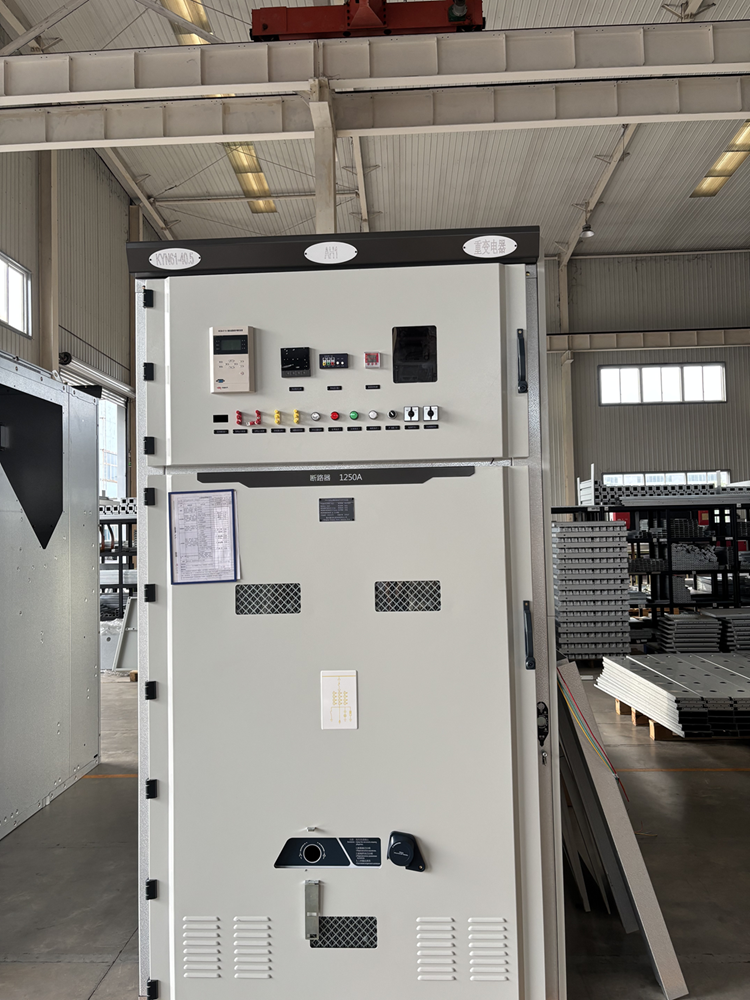
KYN61-40.5 Indoor AC Metal-clad Removable Switchgear
Chongqing Transformer Co., Ltd.
Perfluorinated Ionic Membrane-CM-10N Series Membrane
Guizhou Juneng Century Technology Co., Ltd

Prefabricated Houses and Electrical Energy Boxes
Chengdu Ruilong Machinery Manufacturing Co., Ltd.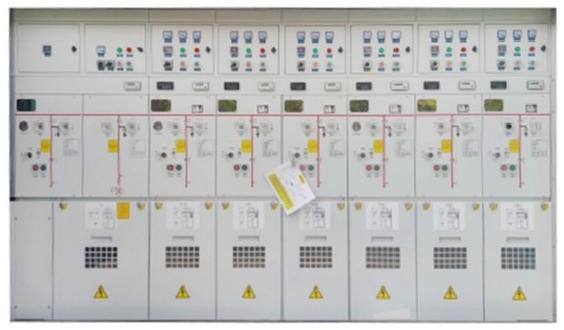
NISELA Series Environmentally Friendly Gas-Insulated Ring Main Unit
XJ DELISHIER ELECTRIC CO., LTD.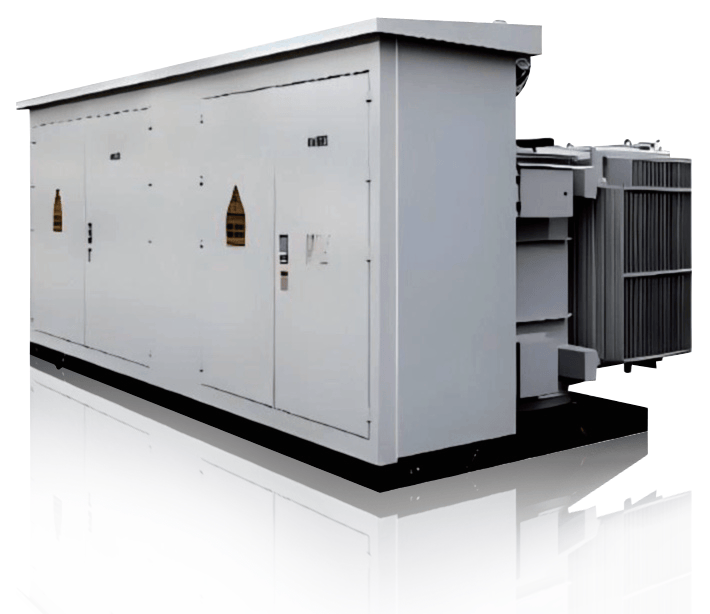
H-40.5/0.4~1.14kV New Energy Power Generation Dedicated High Voltage/Low Voltage Prefabricated Substation
XJ (Xiamen) Intelligent Power Equipment Co., Ltd.
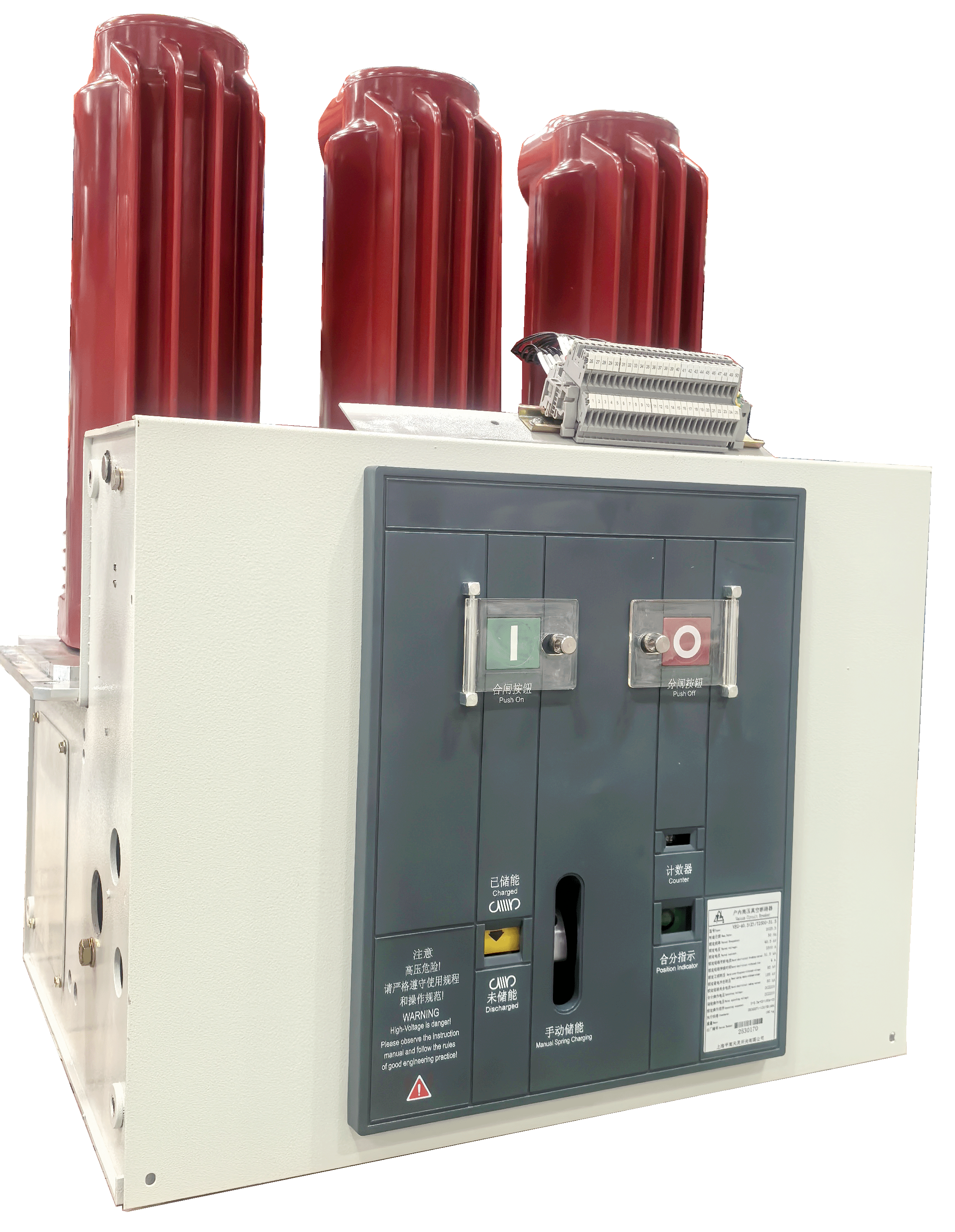
VEG-12/24/40.5 Series Vacuum Circuit Breaker
SHANGHAI PINGGAO TIANLING SWITCHGEAR CO., LTD.
IGBT Hydrogen Production Power Supply - High Power Air Cooling
Beijing Zhengzhuo Engineering Technology Co., Ltd.