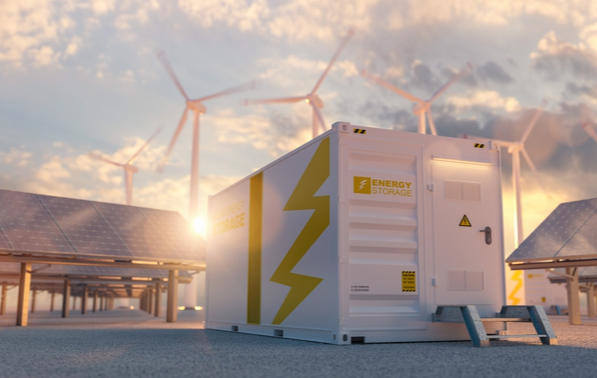
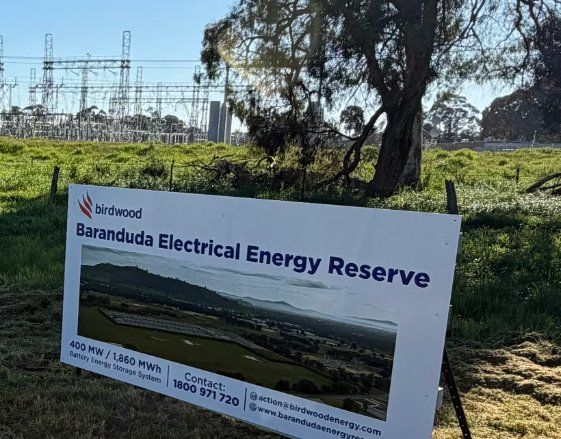
UK Proposes Grid Connection Queue Fee for Energy Storage Projects, Up to £25,000/MW
en.Wedoany.com Reported - On September 17, UK energy regulator Ofgem launched a consultation on a grid connection queue charging mechanism for battery energy storage systems, proposing to approve a new "Oversubscribed Technologies Commitment Fee" (OTCF) under the Connection and Use of System Code (CUSC). Under the current proposal, battery storage projects in the queue would need to provide additional financial security based on their declared capacity in order to retain their grid connection position. The consultation will close at 17:00 on October 1, and Ofgem plans to make a final decision in late 2026.
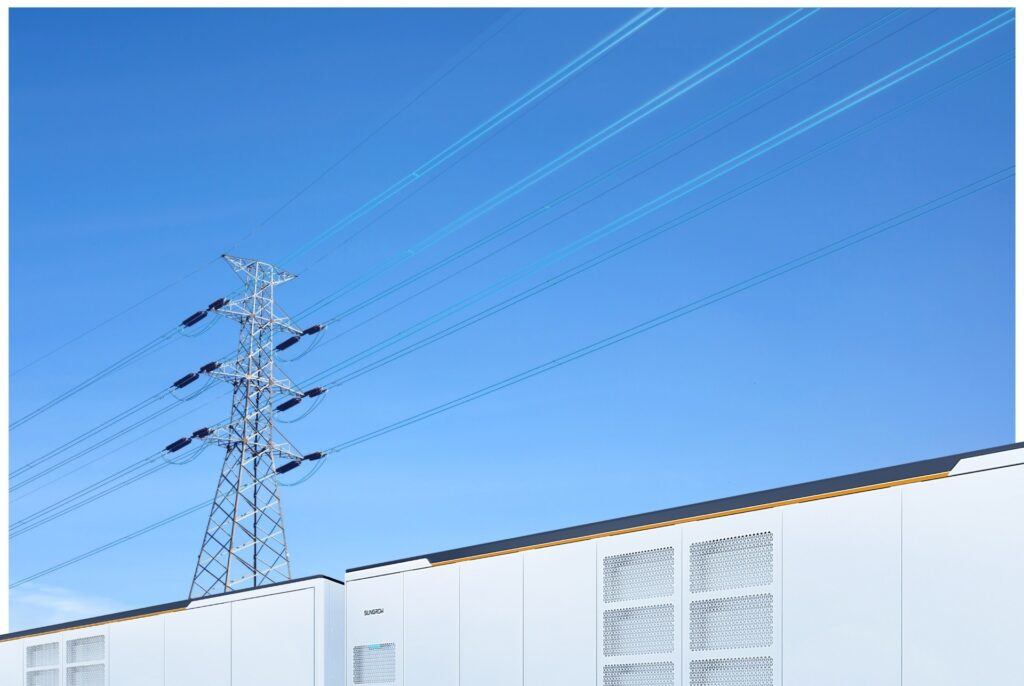
The proposed mechanism is numbered CMP470. The original proposal set the starting commitment fee at £3,000/MW; if the queued scale of energy storage projects continues to exceed planned demand, the fee level may be gradually increased, reaching a maximum of £25,000/MW. The mechanism is proposed to be triggered when the grid connection queue capacity for a certain type of technology exceeds the relevant government capacity target by more than 50%, and to cease applying when the excess level falls below 25%. If a project's existing security amount already meets the corresponding fee standard, it does not need to provide additional equivalent security separately due to CMP470.
According to data published by Ofgem, the UK's National Energy System Operator NESO has already cut about 40% of capacity from the grid-scale battery storage queue through grid connection reform, but about 83 GW of battery storage projects still hold priority positions in the new queue, and together with about 7 GW of energy storage capacity already in operation, the total scale is about 90 GW. NESO estimates that the UK needs about 24 GW of energy storage to achieve its 2030 clean power target, and related demand will be about 29 GW by 2035; the current queued and operational capacity remains significantly higher than planned demand.
CMP470 will be implemented through the UK's existing project commitment and grid connection security mechanism. If a project exits the grid connection queue and does not actually enter operation, the relevant commitment fee may be included in the project cancellation fee and returned to consumers through the transmission network use of system charging mechanism; projects that continue to proceed will need to maintain the corresponding financial security in accordance with applicable rules. The current consultation also includes adjustments to provisions such as the fee cap, whether charging will be cancelled after project construction begins, and whether co-located projects such as solar-plus-storage will continue to enjoy exemptions.
The mechanism was first proposed by battery storage developer Field Energy in March 2026, and if approved, is expected to be implemented in July 2027. The UK previously implemented the CMP448 grid connection project commitment fee mechanism in January 2026, with CMP448 starting at £2,500/MW, increasing by £2,500/MW every six months, up to a maximum of £10,000/MW; CMP470 further establishes a dedicated commitment fee for technologies such as energy storage whose queued scale significantly exceeds planned demand.
Related Products

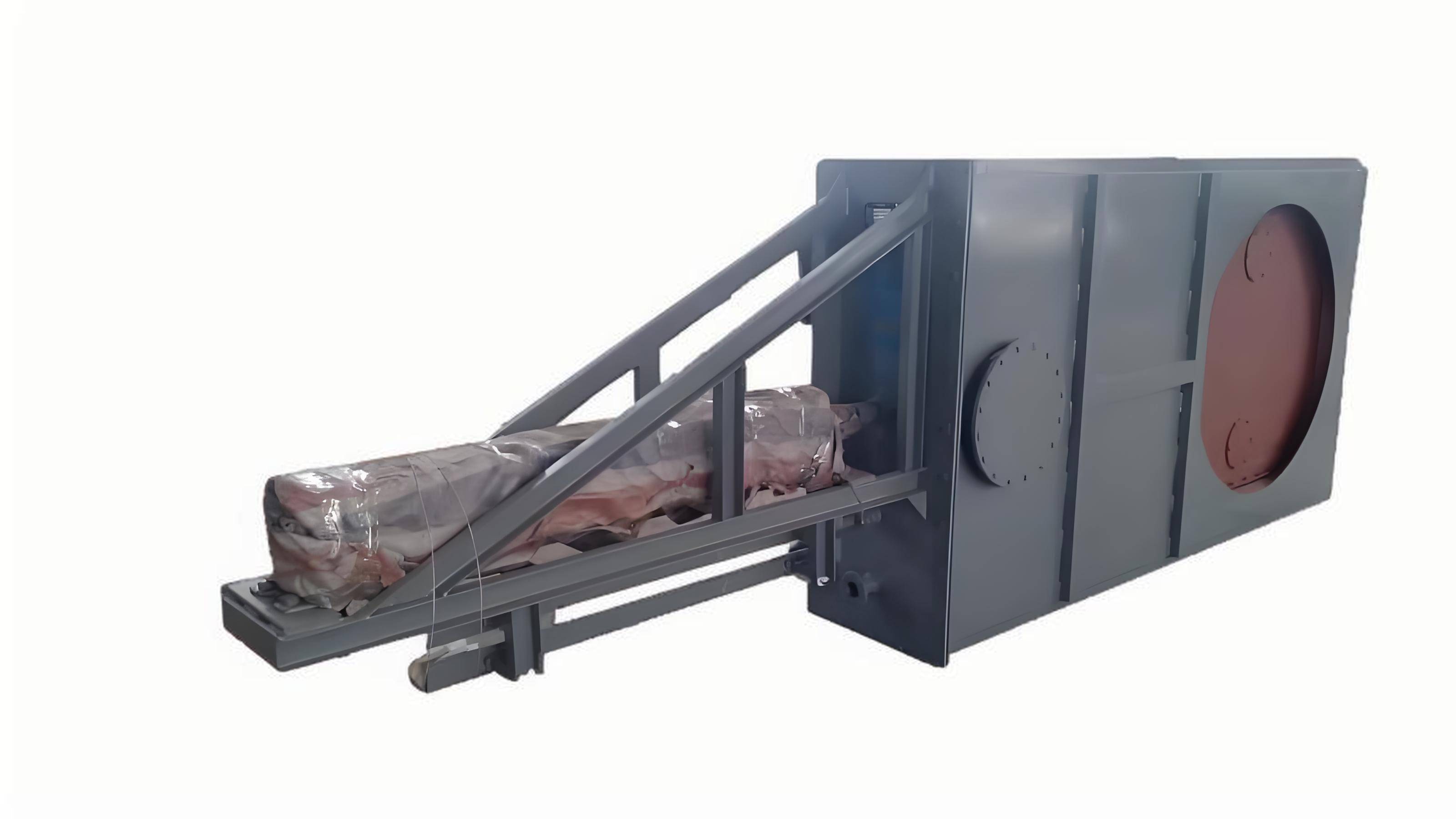
Double-slide Triple-sealed Hot Air Isolation Door
Xi'an Yingchuan Electric Power Equipment Co., Ltd.
Electromagnetic Fluid Seawater Floating Oil Separation and Recover Equipment
Huate Magnet Group Co., Ltd.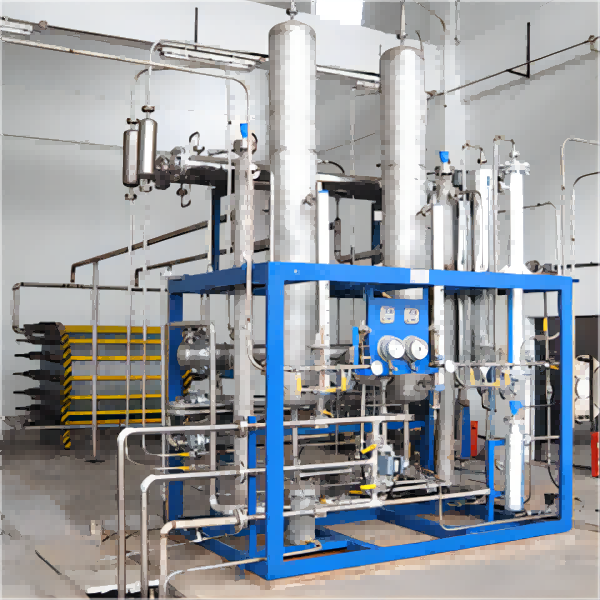

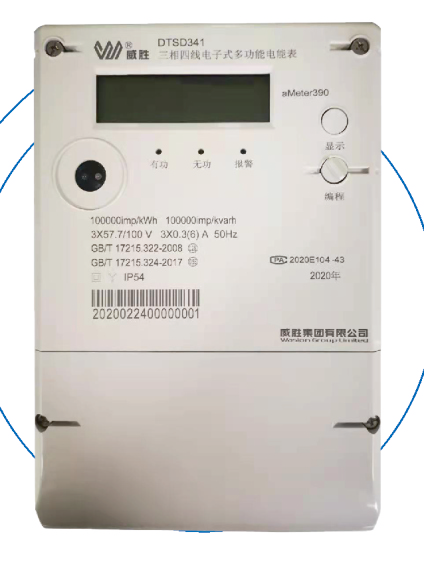
Overseas IEC Gateway Energy Meter - DTSD341/DSSD331-aMeter390
Wasion Group Limited Co., Ltd.

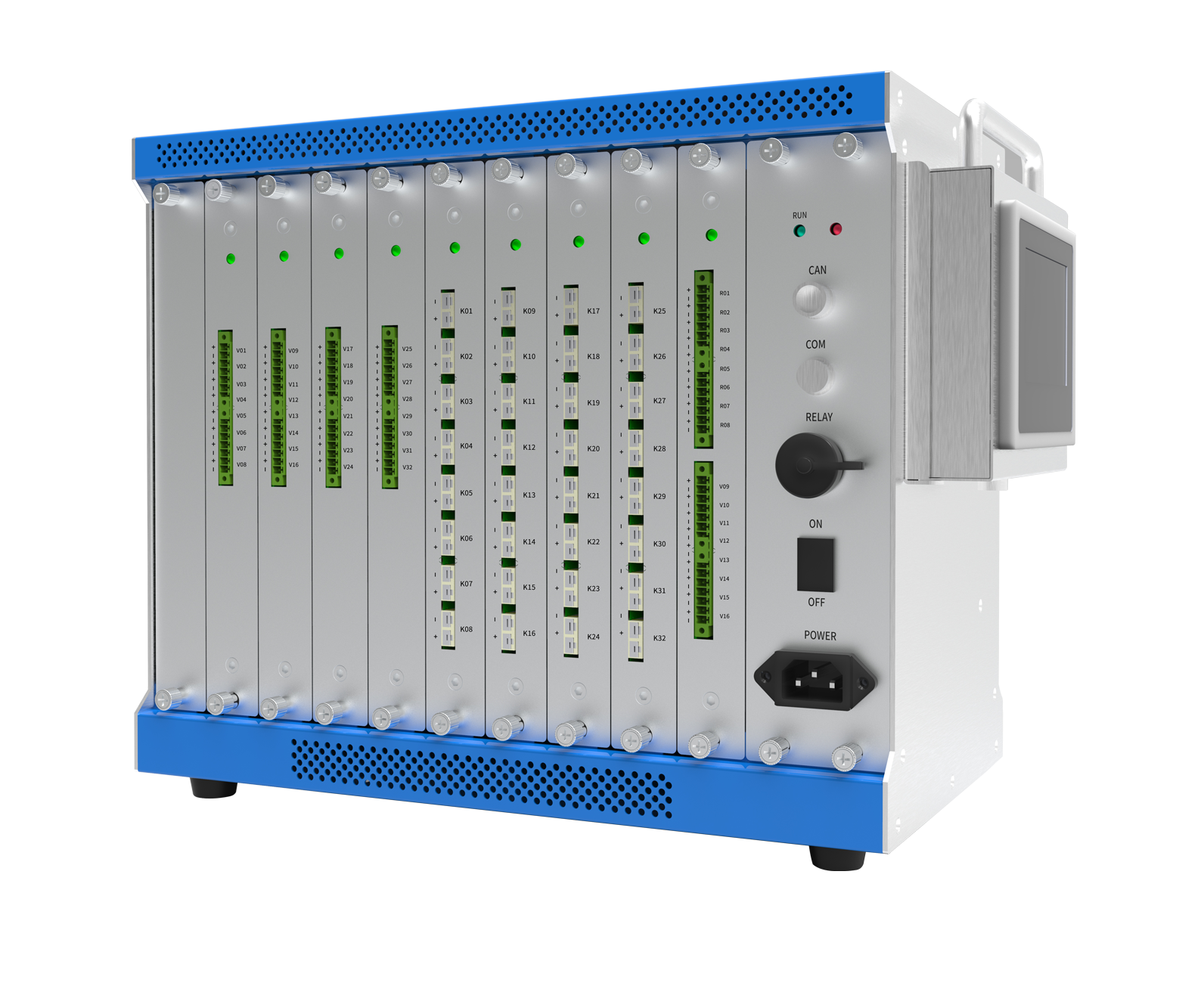
Optional Accessory - Auxiliary Sampling Module
Beijing Soaring Electric Technology Co., Ltd.