en.Wedoany.com Reported - Recently, Shanghai Ladder Medical Technology Co., Ltd. underwent industrial and commercial changes, adding Alibaba-affiliated Hangzhou Haoyue Enterprise Management Co., Ltd. and Tencent-affiliated Shanghai Qishan Investment Co., Ltd. as shareholders, while its registered capital increased from RMB 1 million to approximately RMB 3.006 million. The company was established in August 2021, with legal representative Zhang Shiqiang. Its business scope includes sales of Class II medical devices, production of Class II medical devices, and production of Class III medical devices. It is now jointly held by Zhao Zhengtuo, Li Xue, and the aforementioned new shareholders.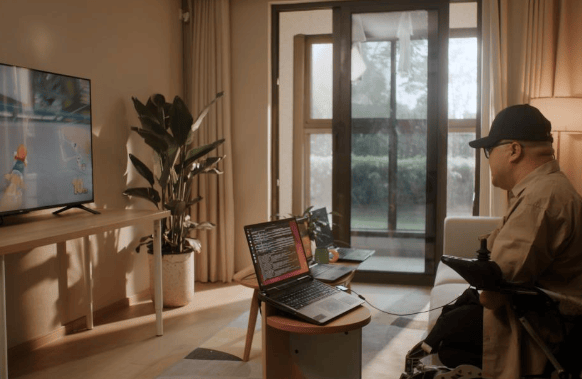
According to Ladder Medical's official website, the company focuses on the field of implantable brain-computer interfaces, with operations centered around neural interfaces, electrodes, implantable brain-computer interface platform systems, and the commercialization of related scientific research results. Target application areas include motor control, monitoring and regulation of neurological disease lesions, and sensory restoration.
This industrial and commercial change represents the further implementation of previous financing actions at the equity registration level. Public information shows that Ladder Medical completed a strategic financing of RMB 500 million in March this year, led by Alibaba, with follow-on investments from SDIC Chuanghe, and continued participation from Tencent, Yuanhe Capital, OrbiMed, Oriza Seed, Qiming Venture Partners, Lilly Asia Ventures, Source Code Capital, and Shanghai State Investment Guidance Fund. With the entry of Alibaba and Tencent affiliates into the industrial and commercial shareholder list, the cooperative relationship at the capital level has become clearer. Brain-computer interface companies face long R&D cycles, high clinical validation thresholds, and complex product registration pathways. Relying solely on early-stage scientific research results is insufficient to support subsequent productization, clinical trials, surgical support systems, medical-grade production systems, and algorithm platform construction. Although the absolute increase in Ladder Medical's registered capital is not large, the new shareholder structure reflects that internet platform companies are participating more deeply in the brain-computer interface track from the perspectives of computing power, large models, smart hardware, and ecosystem resources.
An important background is that Ladder Medical has entered the clinical translation stage of invasive brain-computer interfaces.
Previous reports from Securities Times indicate that Ladder Medical has accumulated total financing exceeding RMB 1.1 billion over the past year, and it is also the first company in which Alibaba and Tencent have invested in the brain-computer interface field. In early 2026, the company completed the clinical implantation of a planned 256-channel wireless high-throughput invasive brain-computer interface system and obtained verification of brain-controlled interaction functions. For implantable brain-computer interfaces, the technology chain spans ultra-flexible electrodes, implants, signal acquisition, wireless transmission, algorithm decoding, surgical robots, clinical trials, and medical device registration. A shortcoming in any single link could affect the final product's market launch. With the entry of industrial capital from Alibaba and Tencent, Ladder Medical can gain more synergy in computing platforms, smart terminals, data processing, interactive systems, and subsequent application ecosystems, which also helps improve its capacity to support subsequent multi-center clinical trials, product registration, and industrialization construction.
In recent years, brain-computer interfaces have gradually moved from frontier laboratory research into the industrialization window for medical devices. The invasive route targets high-difficulty scenarios such as high-level spinal cord injury, movement disorders, and neural regulation, requiring higher safety, stability, and long-term implantation performance, and relies more heavily on clinical resources, regulatory pathways, and engineering capabilities. Following this update to Ladder Medical's shareholder structure, the focus for subsequent observation will be on the progress of registered clinical trials, the approval progress of core products, the construction of medical-grade manufacturing systems, and the actual synergy from shareholders like Alibaba and Tencent in computing power, algorithms, smart hardware, and application scenarios.
This article is compiled by Wedoany. All AI citations must indicate the source as "Wedoany". If there is any infringement or other issues, please notify us promptly, and we will modify or delete it accordingly. Email: news@wedoany.com