Sparrow of South Korea Proposes Software Supply Chain Security Vision
en.Wedoany.com Reported - At the Sparrow Application Insights (SAI) 2026 event, Jang Il-soo, CEO of South Korean application security company Sparrow, stated on the 11th that the team has discontinued the job title "developer," replacing it with "Artificial Intelligence (AI) Native Engineer." This change reflects a shift in focus toward comprehensively utilizing AI models and agents for operations and validation, aiming to enhance the utilization and verification capabilities of AI applications.
Recently, Sparrow held its customer event SAI 2026 at the Nine Tree Premier Rocause Hotel in Yongsan-gu, Seoul, under the theme "Software Supply Chain Security through AI Innovation," unveiling its vision and security solutions related to AI. Jang Il-soo pointed out that with the deep integration of AI, internal development teams find it difficult to grasp detailed information about code or libraries they did not directly write, leading to increasing supply chain security threats. He noted that opaque vulnerability statuses and licensing issues cause organizational responses to lag when problems arise, making it difficult to effectively address and pinpoint the root cause.
He emphasized the need to automate security throughout the entire development lifecycle and focus on leveraging tools to proactively prevent security threats. Jang Il-soo introduced Sparrow's integrated security vision for supply chain security, stating that generating and submitting an SBOM (Software Bill of Materials) list is merely a foundational step. True supply chain security requires that all content undergo manual review, shared content remains unaltered or undamaged, and the entire process is visible. Even when introducing open-source code from external sources or using AI-generated code, strict import management and security vulnerability analysis must be enforced.
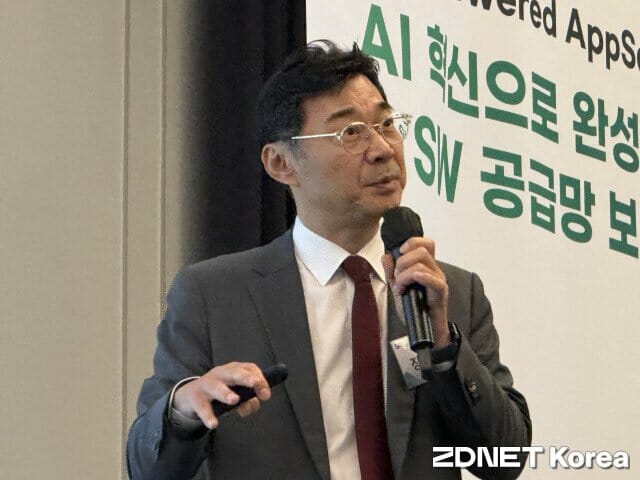
To achieve these goals, Jang Il-soo proposed leveraging the Sparrow MCP protocol to ensure the security of code and the supply chain implementation process. Specifically, code written by developers must be verified for security using the Sparrow SAST static analysis tool, and corresponding SBOMs should be generated using Sparrow SCA, with the entire flow automated. Sparrow SCA is an open-source management solution that diagnoses open-source content in source code or binary files, providing licensing and vulnerability information; Sparrow SAST is used to analyze source code vulnerabilities and offer remediation solutions.
The event also featured a special Q&A session with Lee Man-hee, Chairman of the Supply Chain Security Research Committee of the Korea Information Security Society and Professor of Computer Engineering at Hannam University, alongside Jang Il-soo. Jang Il-soo posed questions on how demand-side and supply-side entities in supply chain security should prepare for future related policies. Lee Man-hee stated that the government will lead the establishment of a supply chain security crisis management system, noting that individual enterprises have limitations in addressing vulnerabilities, so a national-level response system will be built. He predicted that this year will mark the beginning of the supply chain security vulnerability response era, with formal implementation expected between 2027 and 2028. The Supply Chain Security Research Committee of the Korea Information Security Society will hold a seminar on the 24th and 25th of this month, where enterprises can gain insights into response strategies.
In response to a question from the audience about how enterprises using original open-source code can reduce zero-day attacks in the AI era when facing a large number of vulnerabilities, Lee Man-hee pointed out that individual enterprises cannot handle numerous vulnerabilities alone. The government has formulated an AI-based comprehensive countermeasure. When major vulnerabilities are disclosed, it is necessary to mobilize nationwide AI model capabilities for prioritization, quickly create and deploy patches, and build an efficient remediation system.
This article is compiled by Wedoany. All AI citations must indicate the source as "Wedoany". If there is any infringement or other issues, please notify us promptly, and we will modify or delete it accordingly. Email: news@wedoany.com
Related Products


MUX Series Communication Interface Device for Security and Stability Control System
Nanjing NR Electric Co., Ltd.
TWP16 P-Band Tropospheric Wind Profile Radar
China Huayun Meteorological Technology Group Co., Ltd.

Automatic Aiming Laser Remote Obstacle Removal Robot
Pinggao Group Weihai High-Voltage Apparatus Co., Ltd.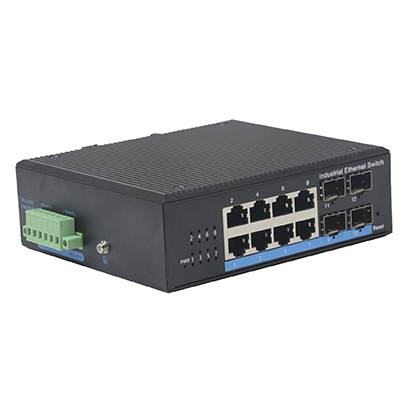
GYTA Type Non-Self-Supporting Aerial/Duct Optical Cable
TONGDING INTERCONNECTION INFORMATION CO., LTD.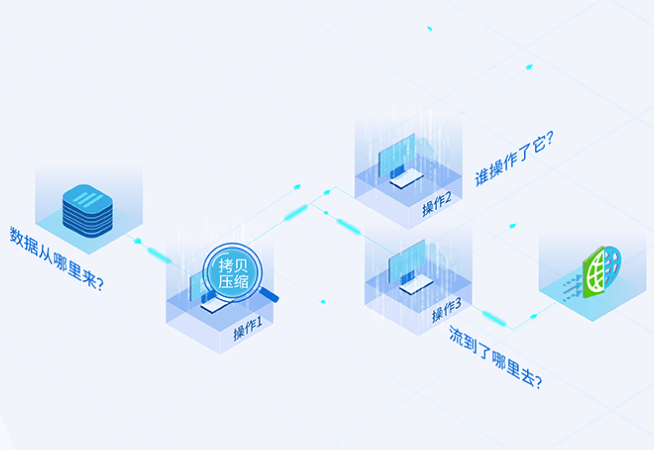

Multi-function Marine Monitoring Low-altitude Detection Radar Sea-air Boundary Ocean Dynamic Environment Measurement
Chengdu Dixin Technology Co., Ltd.
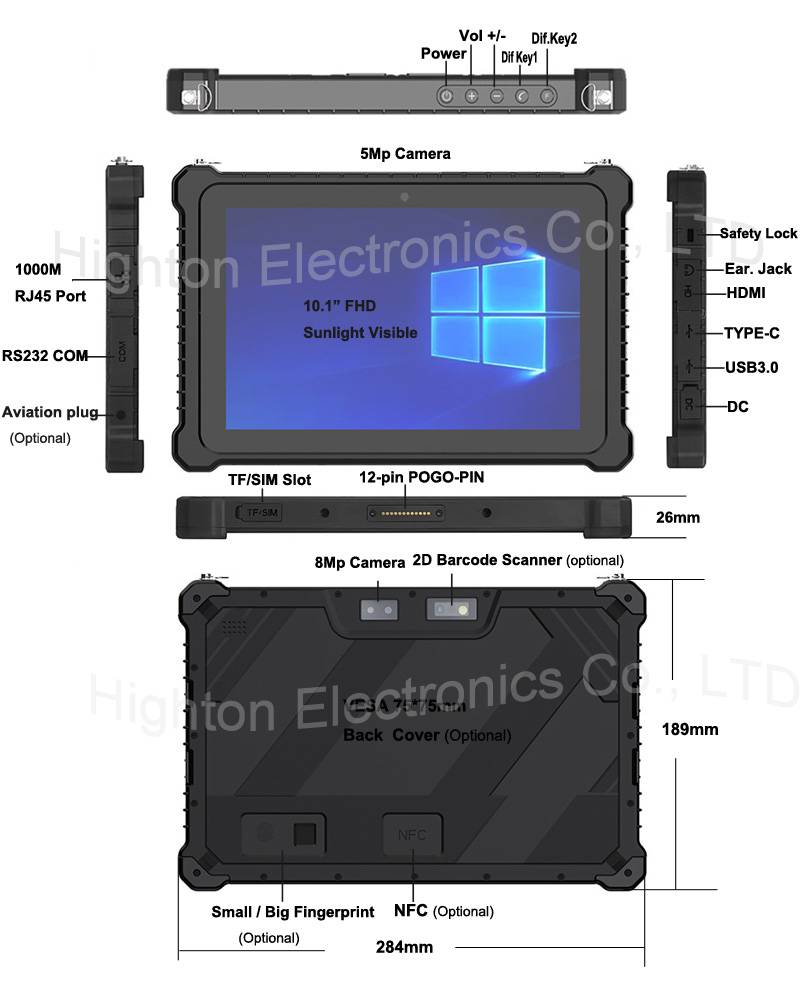
Hot Selling 10 Inch Intel N5100 I5 I7 FHD 8 +128GB 16+256GB Win10 Pro Win11 Pro 4G 5G Rugged Tablet PC Pad with NFC Barcode
Highton Electronics Co., Ltd.