Zimbabwe's Arcadia Mine Plans to Produce Crude Lithium Carbonate by End of 2026
en.Wedoany.com Reported - Prospect Lithium Zimbabwe (PLZ), operator of the Arcadia lithium mine in Zimbabwe, is expanding its processed lithium product portfolio after making history with Africa's first exports of lithium sulfate, and plans to produce crude lithium carbonate by the end of 2026. In an interview with Mining Zimbabwe, PLZ General Manager Zhu Haijun revealed that the wholly-owned subsidiary of Zhejiang Huayou Cobalt is adding new equipment at the Arcadia mine in Goromonzi to enable crude lithium carbonate production. Once operational, PLZ aims to split its output equally between lithium sulfate and lithium carbonate, making it one of Africa's most diversified battery mineral processors.
PLZ's Arcadia mine represents the country's most advanced downstream lithium processing facility. After commissioning a $400 million processing plant at the end of 2025, the company began exporting lithium sulfate in April 2026. The plant currently has a nameplate capacity of 50,000 tonnes of lithium sulfate per year. The planned crude lithium carbonate is a different intermediate product that requires further refining to reach battery-grade purity. As a key raw material for lithium iron phosphate (LFP) batteries, lithium carbonate is rapidly gaining market share in energy storage systems and electric vehicles, while PLZ's existing lithium sulfate is typically refined into lithium hydroxide for high-nickel cathodes (e.g., NMC) used in premium EVs. Thus, a 50/50 product mix will allow the company to supply both major battery chemistries—LFP and NMC—reducing reliance on a single market segment.
PLZ's crude lithium carbonate timeline coincides with a tightening global lithium market. UBS has raised its 2026 China lithium carbonate spot price forecast by 18% to RMB 200,000 per tonne, and predicts prices could reach RMB 250,000 per tonne between May and June 2026. UBS estimates a global supply-demand deficit of approximately 65,000 tonnes LCE. According to InfoLink data, battery-grade lithium carbonate is trading in the range of RMB 190,000 to 200,000 per tonne, up 12.7% week-on-week, while spodumene concentrate CIF prices have reached $2,750 to $2,850 per tonne, a weekly increase of 12.4%. China's lithium carbonate production is in an expansion cycle, but lithium ore supply is tight. Demand for energy storage batteries is the core driver of market revaluation, with UBS estimating global energy storage battery demand will grow 60% year-on-year.
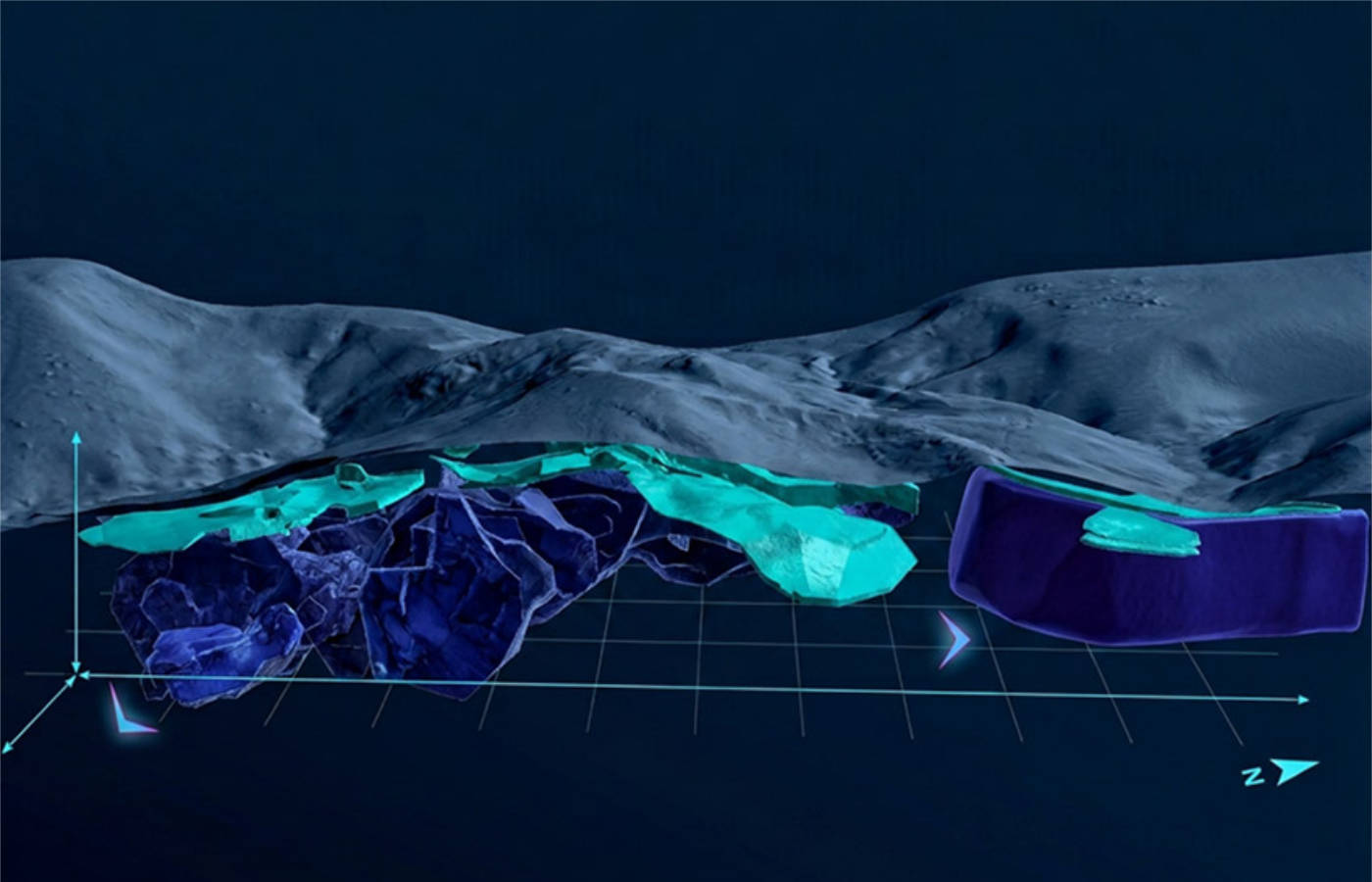
PLZ has also built a 70 MW on-site power plant that can supply electricity to both PLZ and its sister company, Arcadia Technology Zimbabwe (ATZ). PLZ Public Relations Manager Patience Chizodza stated that the power plant is designed to power both entities, with the hope that both will be fully operational in the second half of 2026. The Arcadia complex currently directly employs 2,000 workers and indirectly creates another 2,000 jobs, with most employees coming from surrounding communities. The company is also rehabilitating roads, building dams, constructing schools and clinics, and implementing community development programs covering health improvement, youth vocational education, women's empowerment, and energy equity. The mine is wholly owned by Zhejiang Huayou Cobalt, and further exploration has increased the mine's remaining lithium carbonate equivalent (LCE) resources from 1.5 million tonnes to 2.45 million tonnes, with ore grades rising to 1.34%. If the crude lithium carbonate production line succeeds, the company could move toward a target of producing over 60,000 tonnes of processed lithium annually. Zimbabwe as a whole is expected to produce approximately 124,000 to 180,000 tonnes of LCE in 2026, accounting for about 7-8.4% of global supply. Under the government's Mineral Classification and Declaration enacted on May 22, 2026, lithium has been officially designated as a "critical mineral." PLZ's early compliance has made it a model partner in Zimbabwe's processing-driven resource strategy.
This article is compiled by Wedoany. All AI citations must indicate the source as "Wedoany". If there is any infringement or other issues, please notify us promptly, and we will modify or delete it accordingly. Email: news@wedoany.com
Related Products
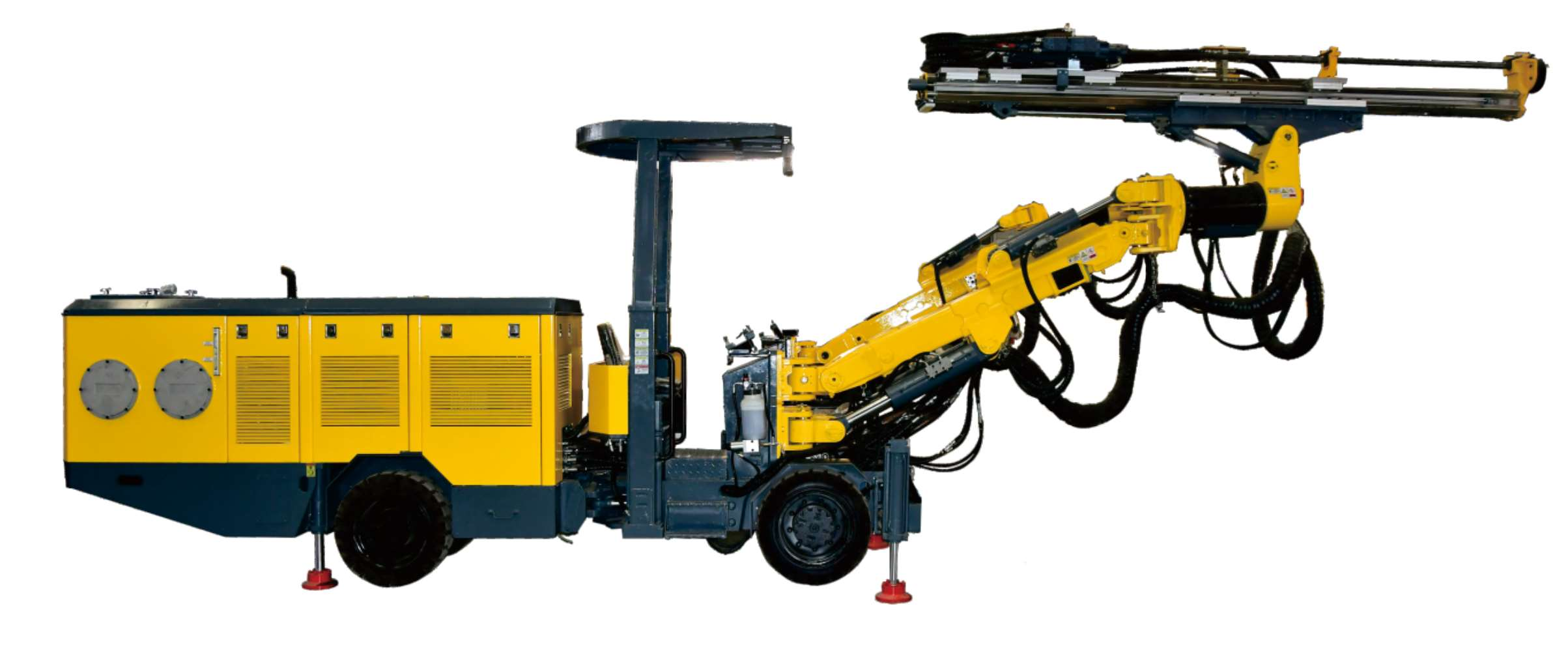

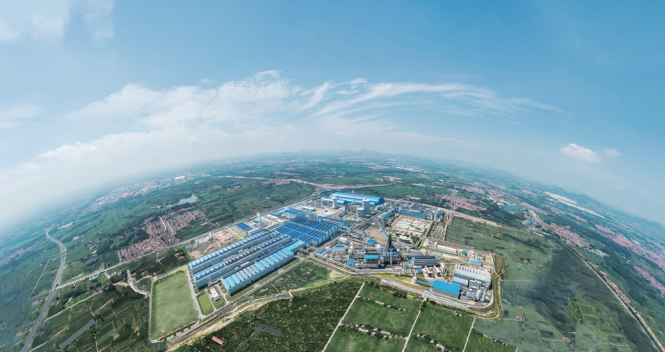
Linyi Steel Investment Special Steel 2.7 Million Tons per Year High-quality Special Steel Project
Capital Engineering & Research Incorporation Limited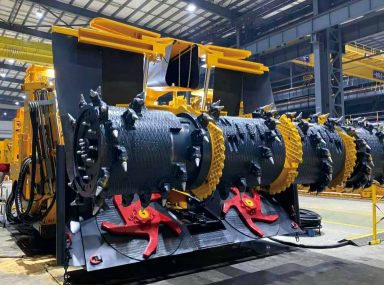
Integrated Excavation and Anchoring Machine (EJM Series)
China Railway Construction Heavy Industry Corporation Limited
High-temperature Equal Wall Thickness High-power Screw Drilling Tool
Orient Energy & Technologies Co., Ltd.

Industrial and Commercial Point-Type Gas Detector
Jinan Benan Technology Development Co., Ltd.