Botswana Pushes Ethical Diamond Strategy Amid Lab-Grown Diamonds' 20% Market Share
en.Wedoany.com Reported - Facing rapid erosion of market share by lab-grown diamonds, Botswana is intensifying efforts to defend its natural diamond industry. The country's decision to join the World Federation of Diamond Bourses (WFDB) alongside Angola reflects an attempt to regain dominance in pricing, branding, and traceability as synthetic diamonds impact the economic models of major African producers.
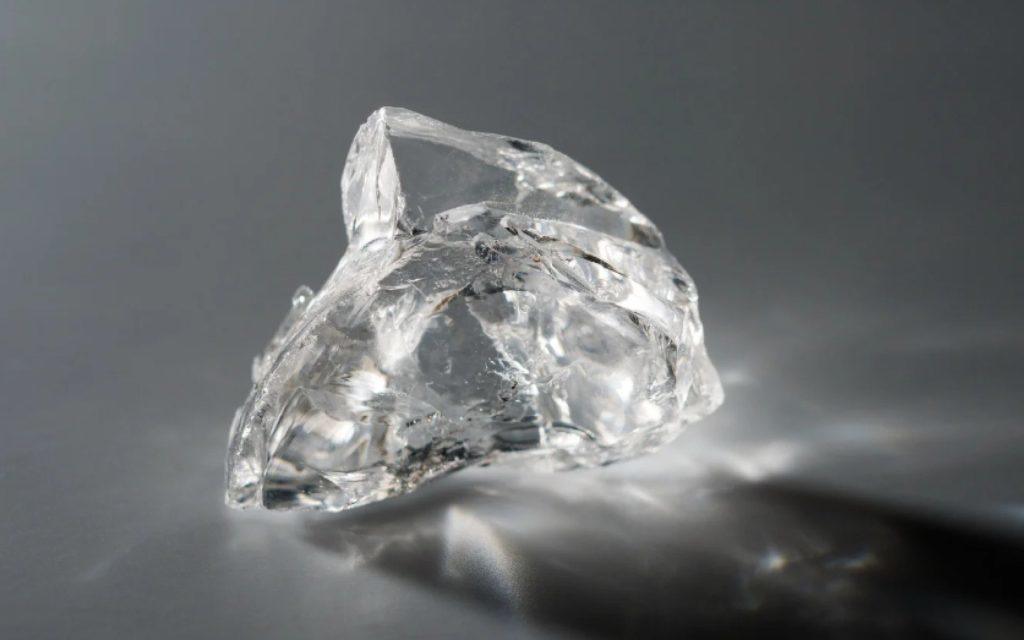
This is a critical moment for Botswana, where diamonds still account for 70% of export revenue and one-third of government fiscal income. Falling natural diamond prices, weakening demand from the Chinese market, and the rapid expansion of lab-grown alternatives have forced producers and miners to rethink the industry's future. Botswana is attempting to position natural diamonds as "responsible luxury" linked to national development, transparency, and ethical sourcing.
Lab-grown diamonds are structurally reshaping the industry. These synthetic gems have evolved from a niche product to a mainstream jewelry category in less than a decade, attracting consumers with identical physical composition but significantly lower prices. The pressure on natural diamonds is evident: prices have fallen 40% since 2016, while lab-grown diamond prices have dropped even faster; by value, synthetic diamonds now account for 20% of the global diamond jewelry market; and reportedly, more than half of engagement rings sold in the United States in 2025 contained lab-grown diamonds. Diamond miner De Beers confirmed a $2.3 billion asset impairment in 2025, partly due to shifting consumer preferences toward lab-grown diamonds. Global miner Anglo American also wrote down the value of its sister company De Beers by $2.9 billion to reflect weak demand and competition from synthetics.
The crisis has directly impacted producer economies. Debswana, Botswana's joint venture with De Beers, has repeatedly cut production due to weak global demand and rising inventories. In March last year, S&P downgraded Botswana's sovereign credit rating from BBB to BBB-.
In response, Botswana aims to rebrand natural diamonds as "responsible luxury," emphasizing their origin, traceability, and nation-building value. This strategy reflects African producers' recognition that they cannot compete on price with lab-grown diamonds. Botswana seeks to differentiate natural diamonds through provenance, scarcity, and developmental impact, highlighting that diamond revenues fund roads, schools, and hospitals. Joining the WFDB also gives Botswana more direct access to traders, manufacturers, and downstream markets—a crucial move as producer countries seek greater influence over branding and certification systems. The repositioning effort is also tied to beneficiation, as Botswana has long worked to move beyond raw material exports by expanding local sorting, cutting, and trading activities. Under a renewed agreement with De Beers in 2025, Botswana is gradually increasing government control over diamond sales through the Okavango Diamond Company, whose share of Debswana's output will rise from 25% to 30%, reaching 40% by the end of the ten-year deal. This structure gives Gaborone greater influence over sales channels and pricing strategies.
But challenges are mounting. Lab-grown diamonds are expanding rapidly, particularly in China and India, while younger consumers prioritize affordability and sustainability over rarity. Botswana's window of opportunity is narrowing as it seeks to defend natural diamonds' premium positioning while reducing economic dependence on the sector. For African producers, this diamond battle will determine fiscal stability, industrial policy, and long-term economic sovereignty.
This article is compiled by Wedoany. All AI citations must indicate the source as "Wedoany". If there is any infringement or other issues, please notify us promptly, and we will modify or delete it accordingly. Email: news@wedoany.com
Related Products

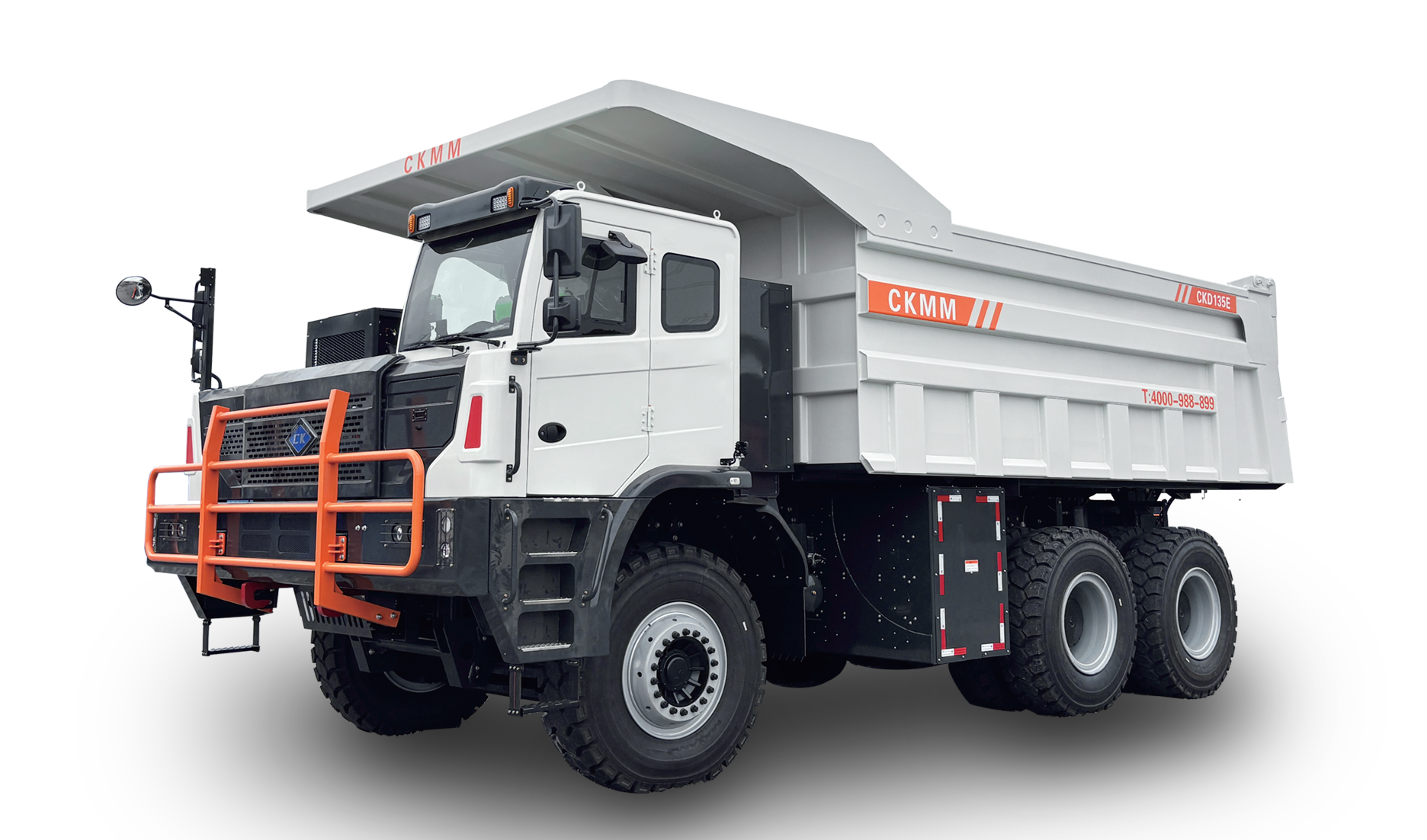
CKD135E Pure Electric Wide-body Dump Truck
Jiangsu Changkuang Engineering Machinery Co. Ltd.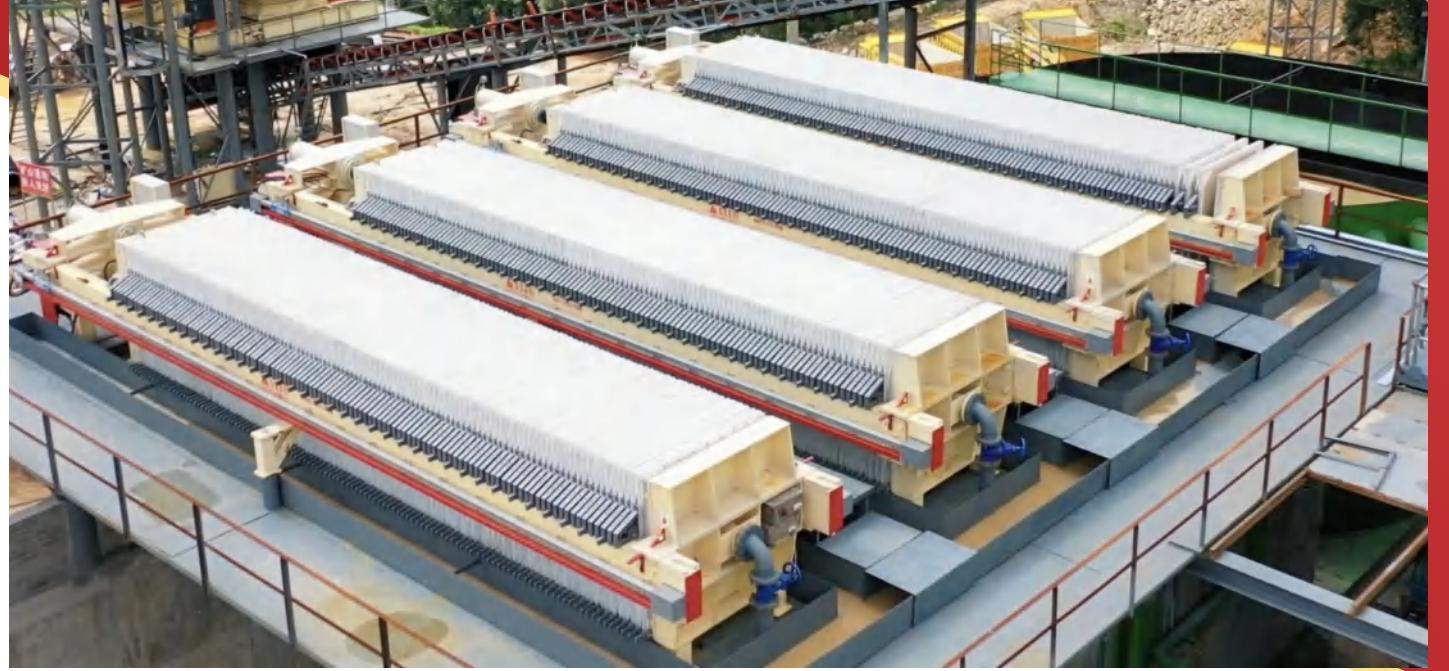
Hydraulic Plate and Frame Filter Press
Guangdong Leimeng Intelligent Equipment Group Co., Ltd.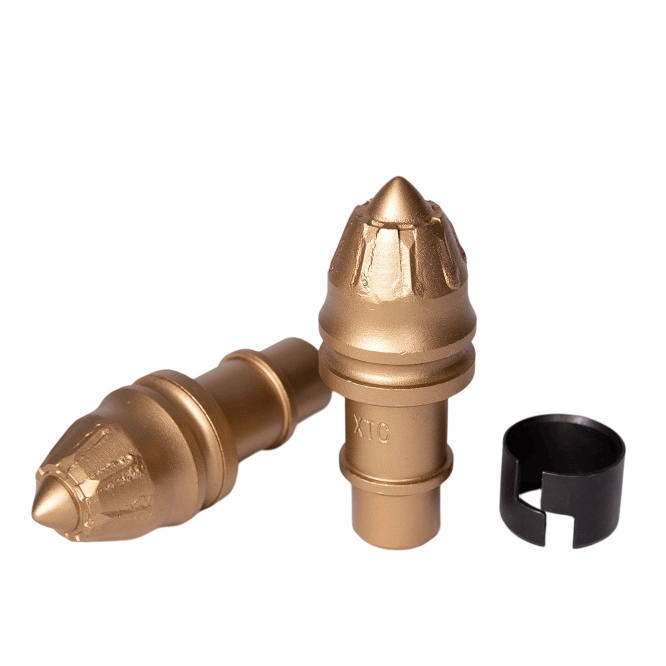
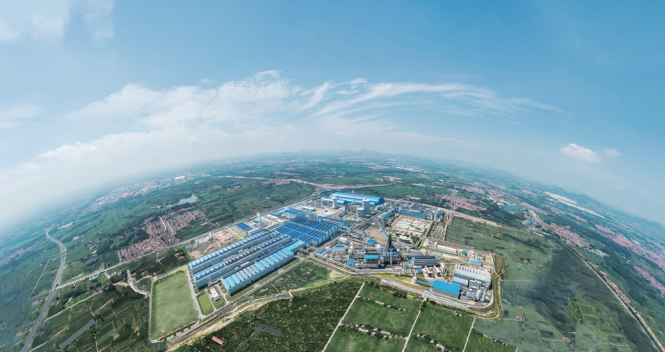
Linyi Steel Investment Special Steel 2.7 Million Tons per Year High-quality Special Steel Project
Capital Engineering & Research Incorporation Limited
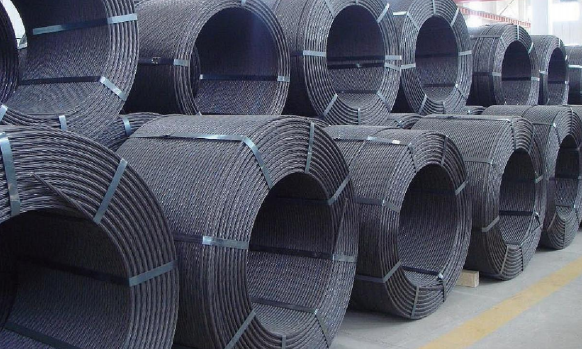
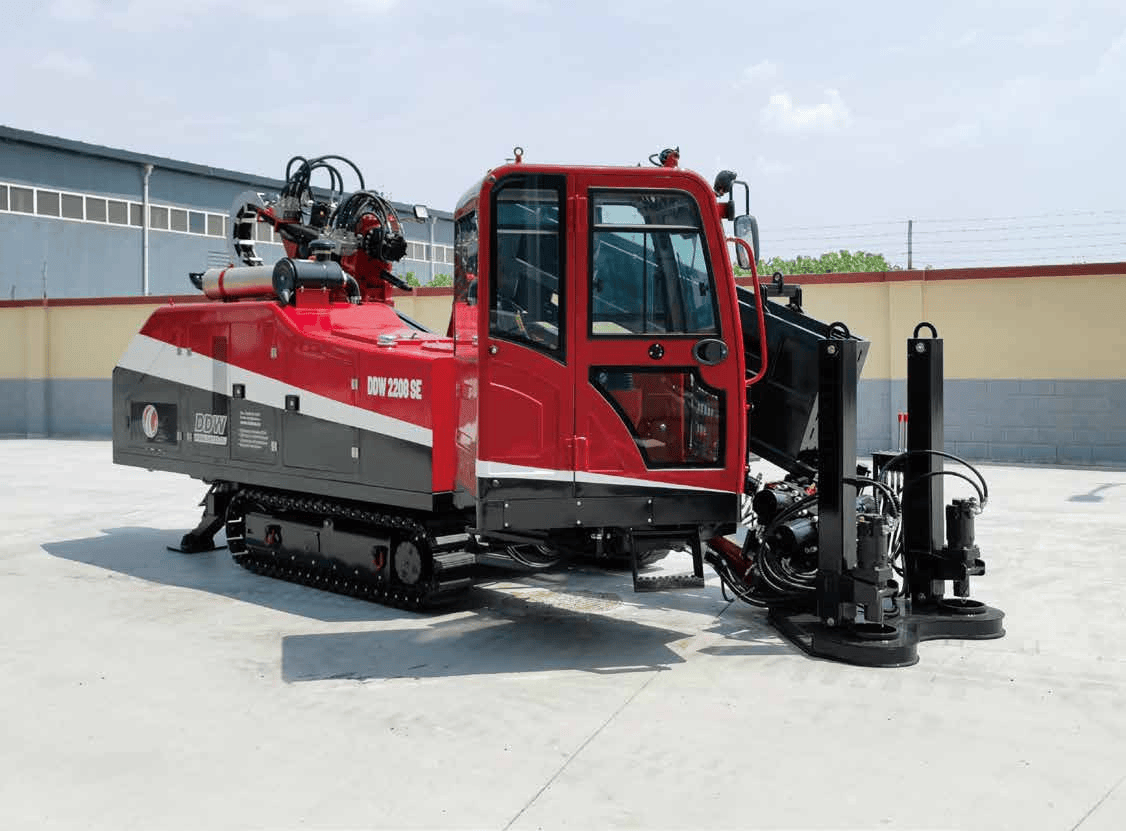
DDW22/08SE-HORIZONTAL DIRECTIONAL DRILL
DW/TXS Construction Equipment (Beijing) Co., Ltd.
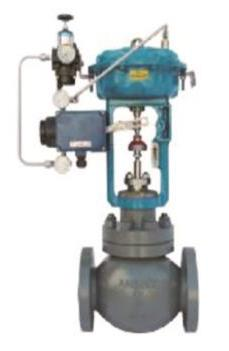
Quick-Change Single-Seat Control Valve / Quick-Change High-Pressure Single-Seat Control Valve
Beijing Consen Automation Technology Co., Ltd.