Mexico Extends Anti-Subsidy Duties on Chinese Stainless Steel Sinks for Five Years
en.Wedoany.com Reported - Mexico's Ministry of Economy has decided to extend anti-subsidy duties on stainless steel sinks originating from China for an additional five years, effective from May 9, 2025, with duty rates ranging from $4.14 to $5.40 per net kilogram. The authorities determined that lifting the measure would lead to a recurrence of dumping and harm the domestic industry.
The duties were initially imposed in May 2015, and this marks the second extension. In the Official Gazette of the Federation, the Ministry stated that the measure aims to protect domestic manufacturers from imports under unfair international trade conditions.
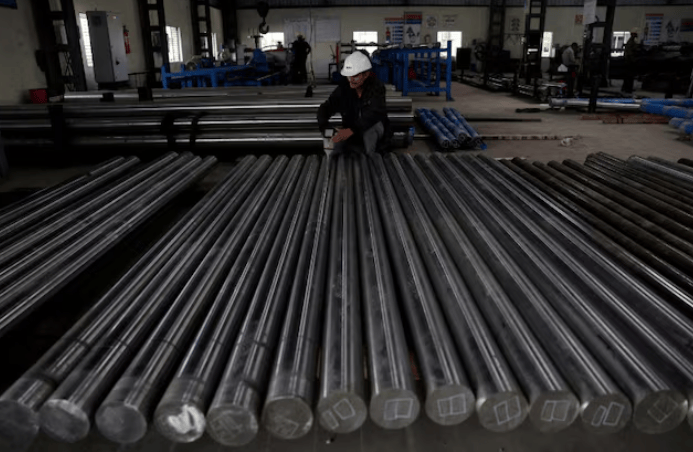
This policy comes amid global steel market oversupply pressures. The OECD's "Steel Outlook 2026" report projects that global excess steelmaking capacity will rise from 640 million tons in 2025 to 745 million tons in 2028, while demand growth remains weak. The organization noted that countries with excess capacity are increasing exports abroad, distorting competition and depressing prices.
China remains central to this trend. In 2025, Chinese steelmakers exported a record 131 million tons, accounting for about 14% of the country's crude steel production, a 153% increase from 2020. According to the OECD, weak domestic demand in China is driving producers to overseas markets, with medium-sized Chinese steel companies receiving subsidies relative to their asset size that are 15 times higher than the median producer in other regions, and subsidy levels have nearly doubled since 2019.
The OECD also documented circumvention of trade measures, identifying 88 cases where exports of Chinese products subject to trade restrictions to ASEAN countries increased, followed by increased exports of these products from ASEAN economies to OECD markets. China's exports of semi-finished steel to Southeast Asia surged by 300%, indicating that third-party processing is being used to bypass restrictions.
Brazil, Canada, India, Mexico, and the United States all raised tariffs on various basic steel products in 2025, but the OECD warned that trade diversion is undermining the effectiveness of these measures. The report argues that trade tools adopted by importing countries are enforcement responses to dumping and subsidies, but address consequences rather than causes.
Mexico's domestic steel market is already under pressure. Crude steel production fell nearly 6% in 2025, and domestic steel demand dropped about 4.6% due to low-priced Asian imports and slowing industrial activity. According to World Steel Association data, Mexico's apparent use of finished steel fell to approximately 25 million tons, a decline of about 10%, dropping its global ranking from eighth to tenth place, surpassed by Germany with 29.2 million tons and Brazil with 26.8 million tons. U.S. steel tariffs have exacerbated difficulties, with Luis Méndez, President of the Mexican Chamber of the Construction Industry, stating that these tariffs have increased project costs by an average of 3% to 6%. Mexico consumes approximately 28 million tons of steel annually, 60% of which is used in construction, but produces only 19 to 20 million tons, leaving a gap of about 8 million tons.
To address the situation, the Mexican Congress approved reforms in late 2025, raising tariffs on steel imports from countries without trade agreements with Mexico. The federal government signed an agreement with the steel and construction industries to prioritize the use of locally produced steel in public procurement under the "Plan México" framework, involving the Ministry of Public Administration, the Ministry of Economy, and the Ministry of Finance, with working groups already launched. Public works projects will drive demand: building 3,000 kilometers of railways will consume 1.5 million tons of steel, 150,000 tons of rebar, and 50,000 tons of structural steel, while passenger train projects will consume a total of 1 million tons over the six-year term. Mexico's construction industry accounts for 6.8% of GDP, employs 5 million people, and represents 60% of total productive investment.
With excess capacity expected to continue rising through 2028 and China planning to increase steelmaking capacity, the OECD sees no clear signs of easing pressure. Steel demand in the USMCA region is projected to grow by only 0.6% in 2026. Steel issues will be central to the upcoming USMCA review, with Mexican officials arguing that the region should jointly address subsidized Asian exports rather than erecting barriers within the region.
This article is compiled by Wedoany. All AI citations must indicate the source as "Wedoany". If there is any infringement or other issues, please notify us promptly, and we will modify or delete it accordingly. Email: news@wedoany.com
Related Products

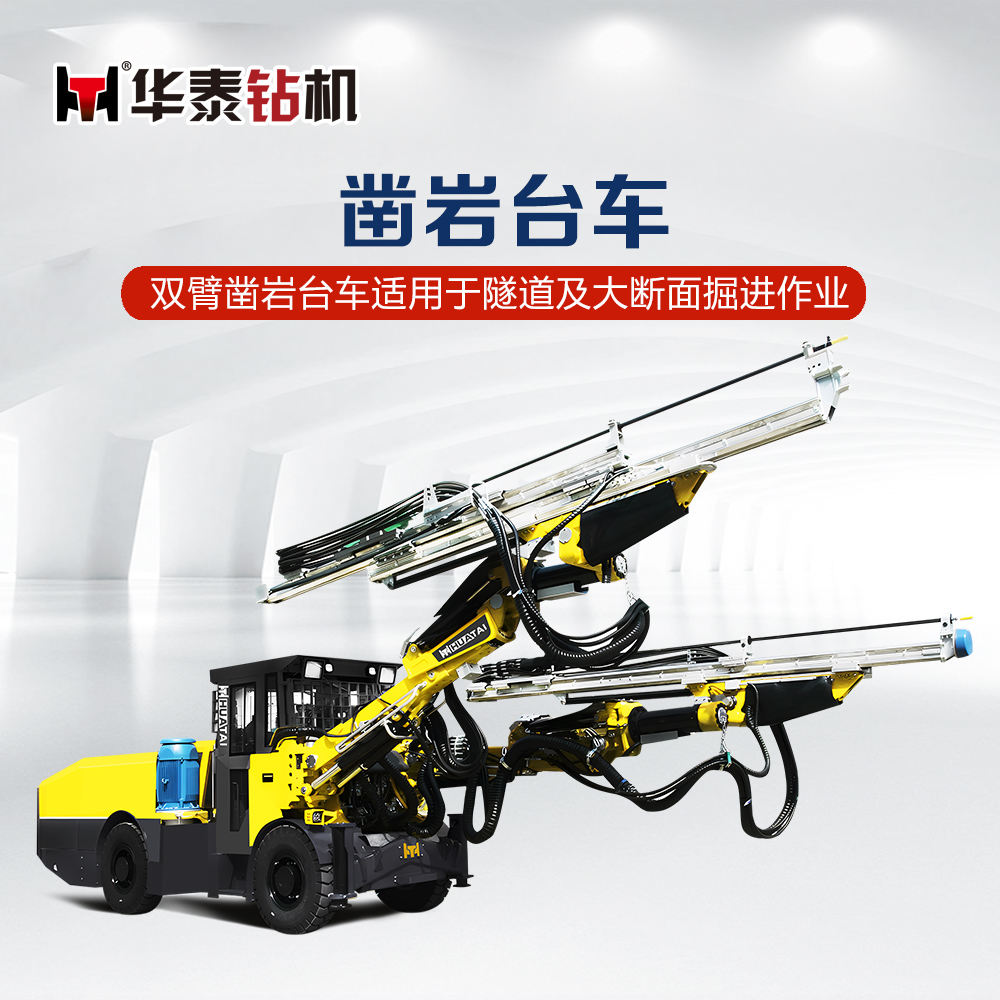
CYTJ45/2 Mining Hydraulic Tunneling Drill Rig
Zhangjiakou Xuanhua Huatai Mining and Metallurgical Machinery Co., Ltd.
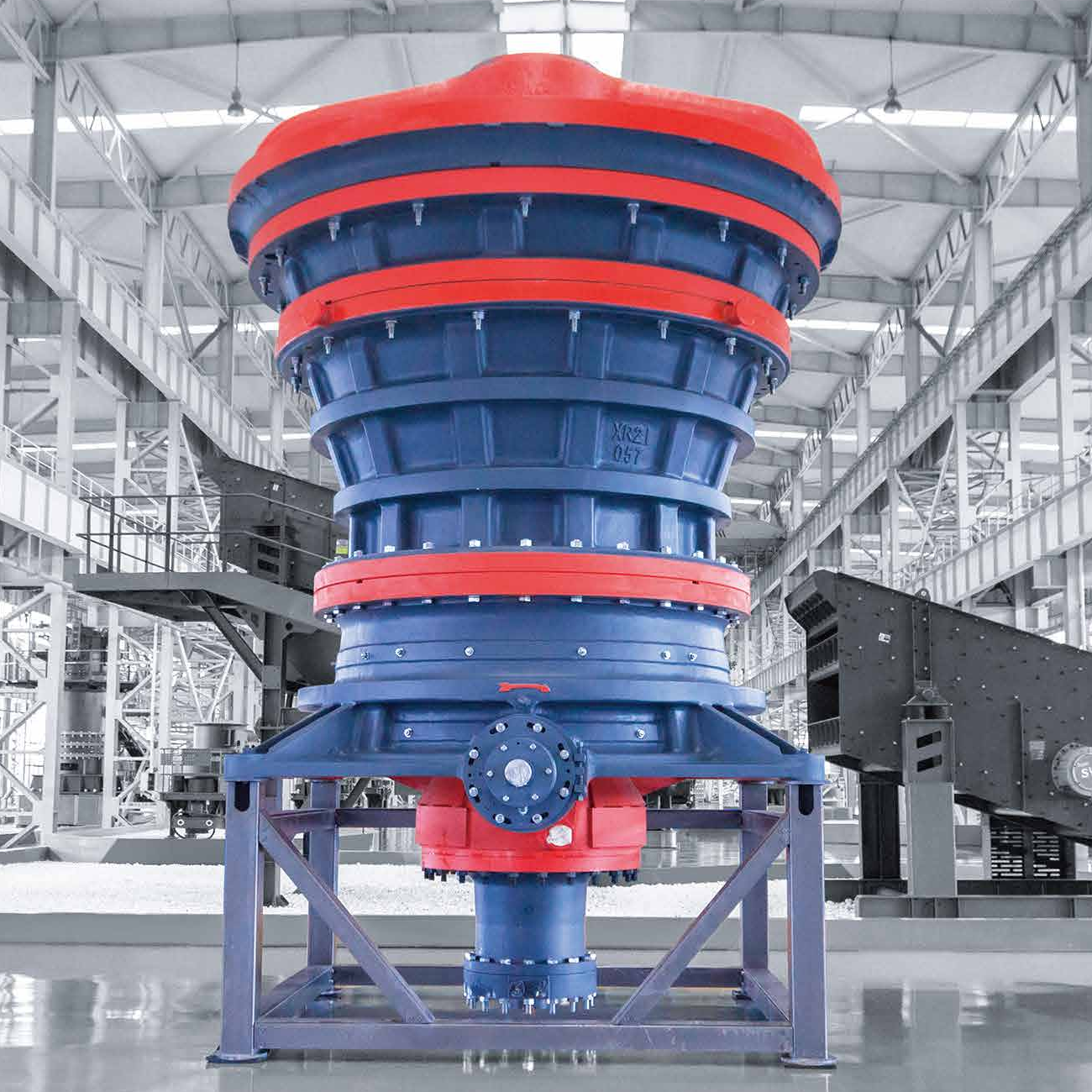
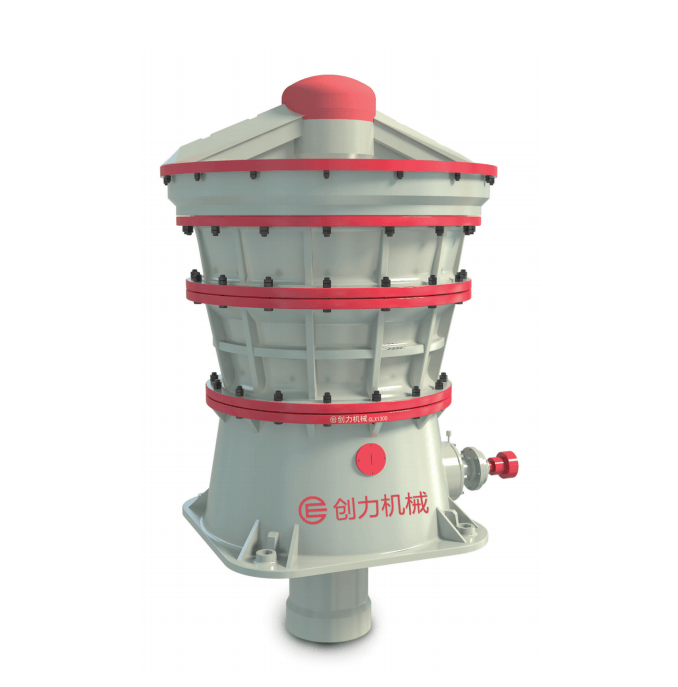
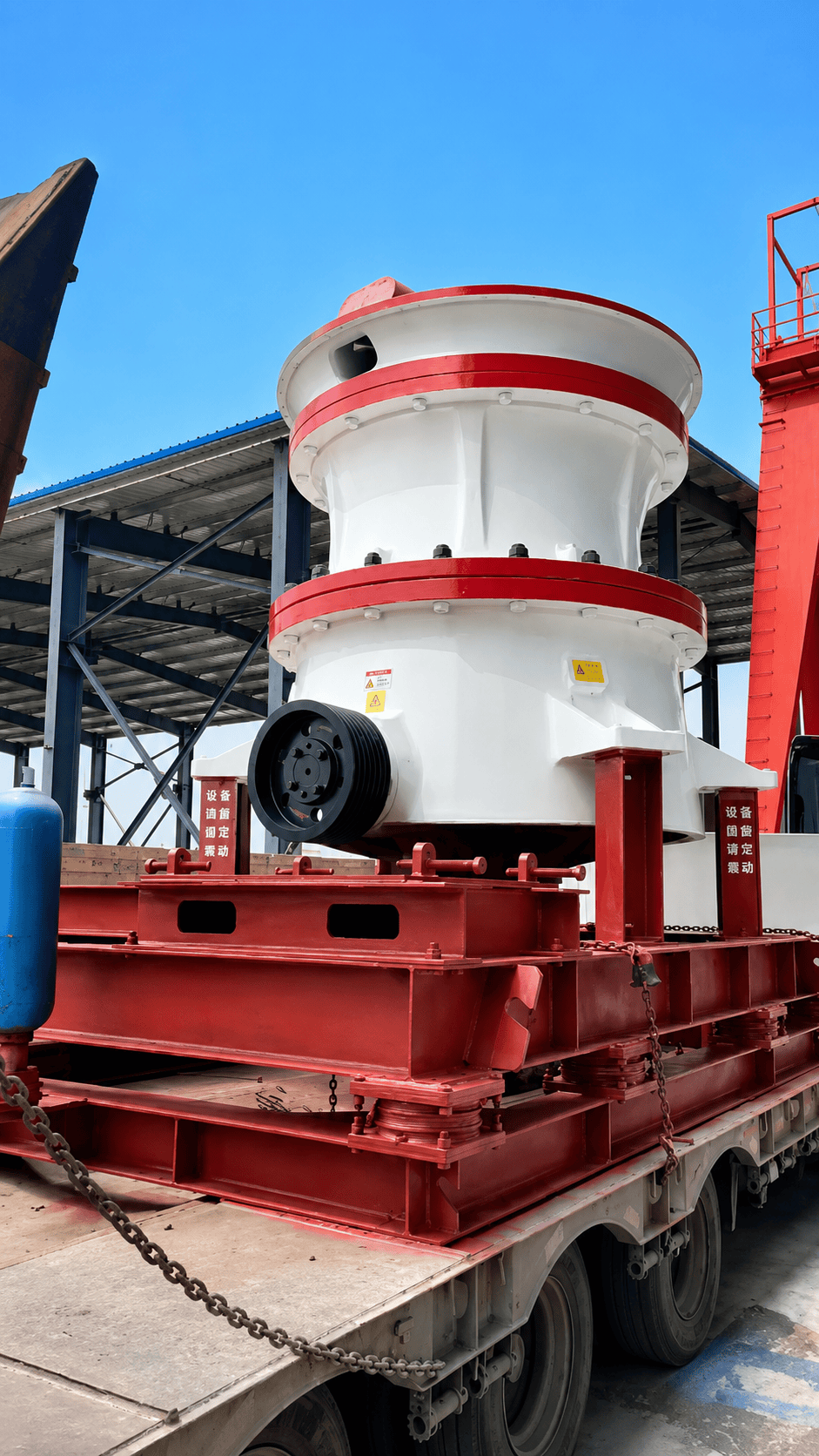
CLX Series Intelligent Hydraulic Gyratory Crusher
Guangdong CHUANGLI intelligent machinery Equipment Co., LTD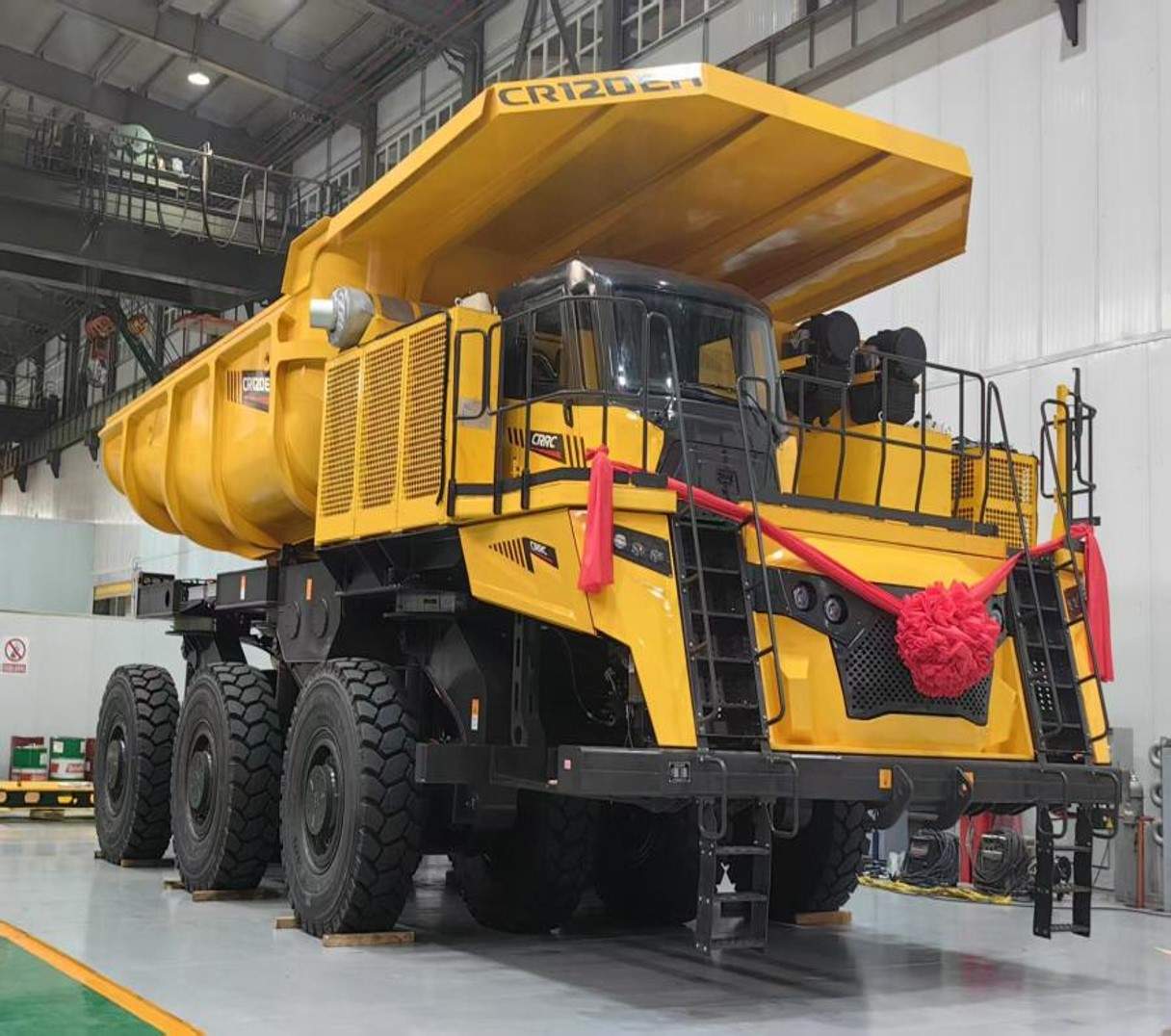
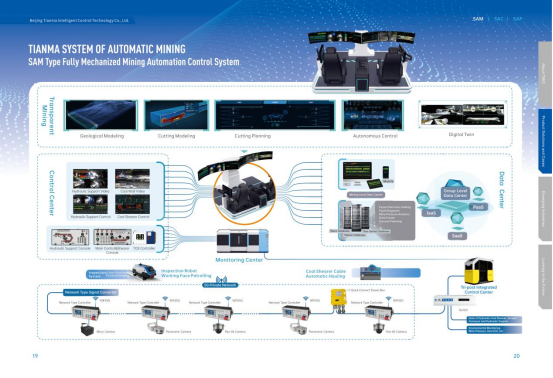
Comprehensive Mining Automation Control System
Beijing Tianma Intelligent Control Technology Co., Ltd.