Kansas DSO Cooperative Purchases Two NOMAD Mobile Battery Systems
en.Wedoany.com Reported - DSO Electric Cooperative, a Kansas electric cooperative, decided to stop leasing and directly purchase two units of NOMAD Power Solutions' mobile battery systems after a trial, incorporating them into seasonal ongoing operations. The cooperative had completed a peak-shaving pilot in 2025 and, after evaluation, determined the cost savings were real enough to transition from pilot participant to asset owner.
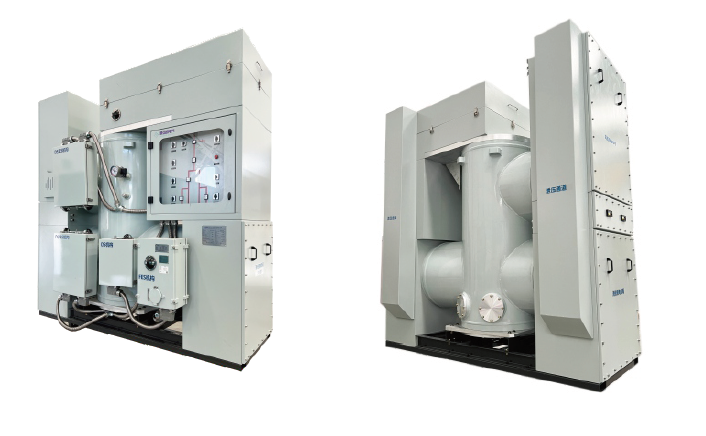
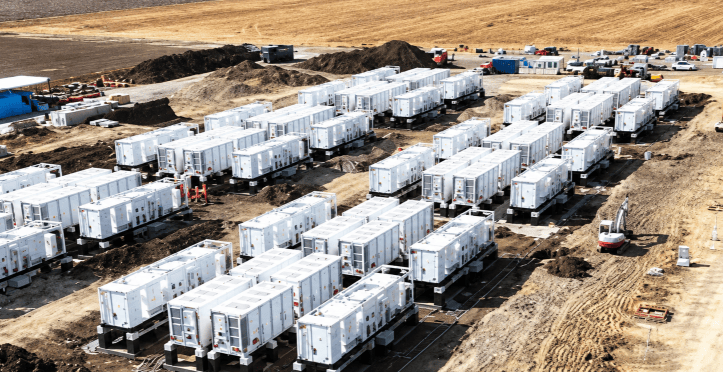
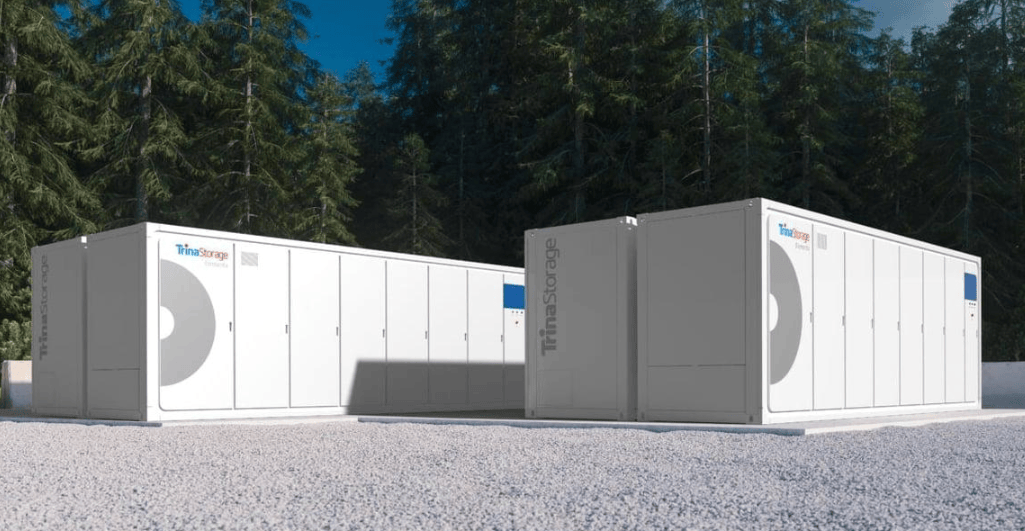
NOMAD Power Solutions, Inc. (Nasdaq: NMAD) announced this through its wholly owned subsidiary, NOMAD Transportable Power Systems. The equipment involved consists of NOMAD Travelers, which are transportable battery energy storage units. When electric cooperatives purchase wholesale power, part of the pricing is based on their peak demand periods, and brief spikes in usage can significantly impact monthly electricity bills. By charging during low-demand periods and releasing stored energy during peak load events, utilities can reduce the resulting demand charges.
DSO executed this strategy during its 2025 pilot, with projected savings of more than $100,000 in seasonal demand charges. The two NOMAD Traveler units were integrated into DSO's distribution network in less than a day, requiring minimal on-site preparation. The pilot results led the cooperative to purchase the two units for continued use rather than returning them.
NOMAD CEO Geordan Pursglove stated that DSO's transition from pilot participant to asset owner validates the company's technology and the value proposition of transportable energy storage. Utilities need new approaches to address growing electricity demand, aging infrastructure, and the lengthy cycles of traditional grid expansion, and mobile battery systems enable them to deploy utility-scale storage where needed, reposition it as operational demands shift, and avoid the siting and construction constraints associated with fixed installations.
Transportability is the core feature of NOMAD's products. Most utility-scale energy storage systems are built where needed and remain fixed there for life, with siting, permitting, and construction cycles lasting 15 to 20 years. A system that can be repositioned changes that logic, allowing utilities to use a single asset across multiple locations and applications as operational needs evolve. This flexibility can be applied to scenarios such as planned maintenance, temporary substation capacity, emergency response, storm recovery, and renewable energy integration. The company noted that similarly rapidly deployable systems can also help address electricity demand growth associated with AI infrastructure and hyperscale data center deployments.
John Travaglini, President of NOMAD Transportable Power Systems, stated that the future grid requires infrastructure that is not only intelligent and resilient but also flexible. As electricity demand grows and utilities face increasingly prolonged infrastructure development cycles, mobility will become a defining feature of next-generation grid assets. DSO's shift to ongoing operations demonstrates that transportable storage can evolve from targeted pilot projects into an integral component of a utility's long-term operational strategy.
In terms of market context, U.S. developers plan to build approximately 24 gigawatts of new utility-scale battery storage in 2026, and global energy storage installations have been growing at double-digit rates. Utilities rely on batteries to firm up intermittent renewable energy and absorb electricity demand shocks from electrification and data centers. NOMAD is attempting to capitalize on this trend, but it remains a relatively small company.
For reference, Fluence Energy is the global leader in grid-scale battery storage, combining its hardware with AI-optimized software and holding billions of dollars in backlog orders. GE Vernova provides power generation and electrification equipment, demonstrating the substantial capital flowing into the gap between surging electricity demand and slow traditional grid expansion. Eaton addresses the same demand wave from an electrical equipment perspective, offering switchgear, power management, and grid modernization equipment purchased by data centers and utilities. Vertiv provides the critical power and cooling infrastructure that keeps hyperscale facilities running, with a backlog of approximately $15 billion. These companies illustrate the breadth of the electrification buildout, and the flexible capacity issue NOMAD targets sits within a larger-scale grid transformation.
For NOMAD, the value of this announcement lies in its template effect. Whether the company can replicate the pilot-to-purchase conversion with other cooperatives and utilities, and whether its application list translates into a diversified order book, are the next points of focus. The macro environment is favorable for the energy storage industry, with utility-scale storage being built at record speed, AI-driven electricity demand growth being structural, and transportable assets being a logical answer to the mismatch between demand growth and the slow pace of permanent infrastructure construction. NOMAD, as a small company, competes in a field that includes large, well-capitalized power infrastructure enterprises, but it already has a customer that tried the product, calculated the costs, and chose to own it.