PwC: Canada's Critical Mineral Infrastructure Faces a $34 Billion Annual Shortfall by 2050
en.Wedoany.com Reported - A new report from PwC Canada warns that unless the country accelerates infrastructure investment and project approvals, Canada risks losing its competitive edge in critical minerals, energy, and other strategic sectors.

The report projects cumulative infrastructure investment in Canada will reach CAD 4.7 trillion by 2050. However, the country's current infrastructure spending as a share of the economy lags behind several high-performing peers, putting it at risk of falling behind in rapidly growing global sectors. Canada currently invests 6.6% of its GDP in infrastructure, compared to 7.4% in leading nations. PwC estimates that to close this gap, Canada needs an additional CAD 34 billion annually by 2050. The report states: "Canada could exceed or fall short of this projection, depending on the next steps taken."
The report identifies the resource sector as Canada's largest infrastructure opportunity, with cumulative spending expected to reach CAD 1.6 trillion by 2050. As global demand for critical minerals and energy grows, and countries seek reliable alternatives to concentrated global suppliers, annual investment in resource infrastructure is expected to rise from the current CAD 53 billion to CAD 63 billion.
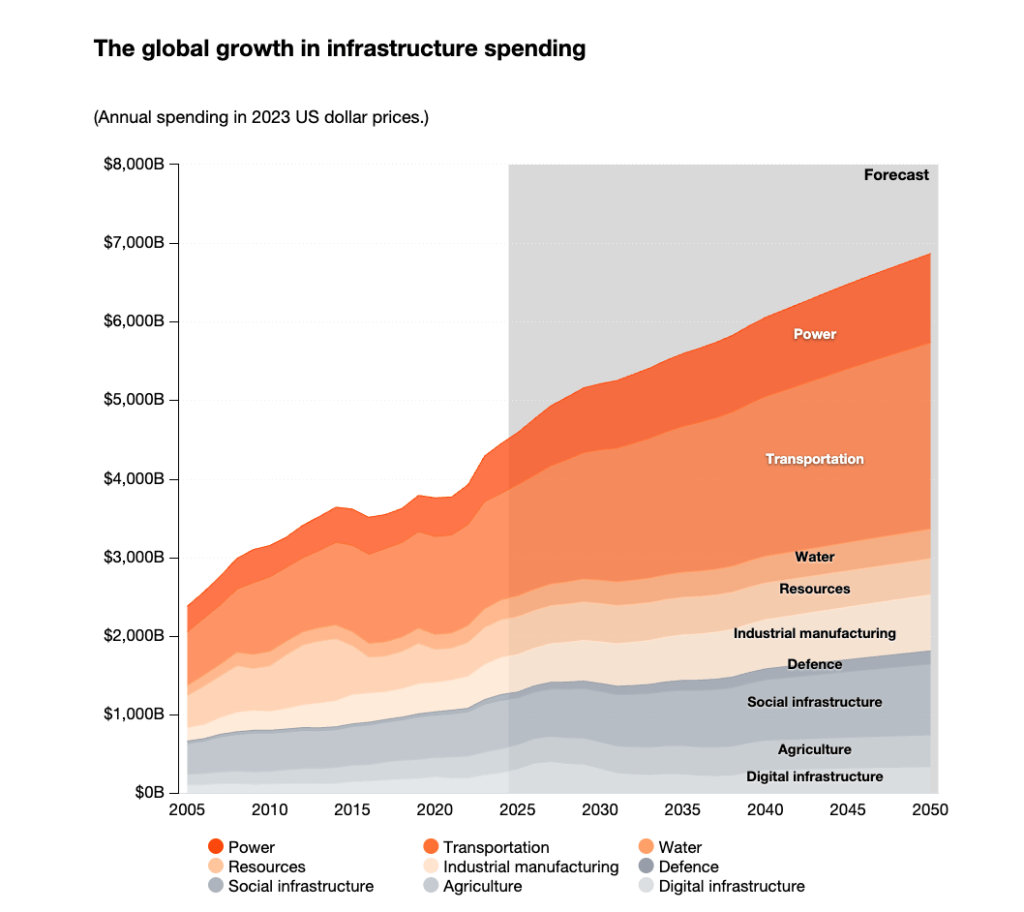
PwC notes that the biggest opportunities increasingly depend on integrated infrastructure rather than standalone projects. Taking Ontario's Ring of Fire mining district as an example—one of Canada's largest undeveloped mining areas—roads, power transmission, digital connectivity, and community infrastructure must be built simultaneously before large-scale mining can commence.
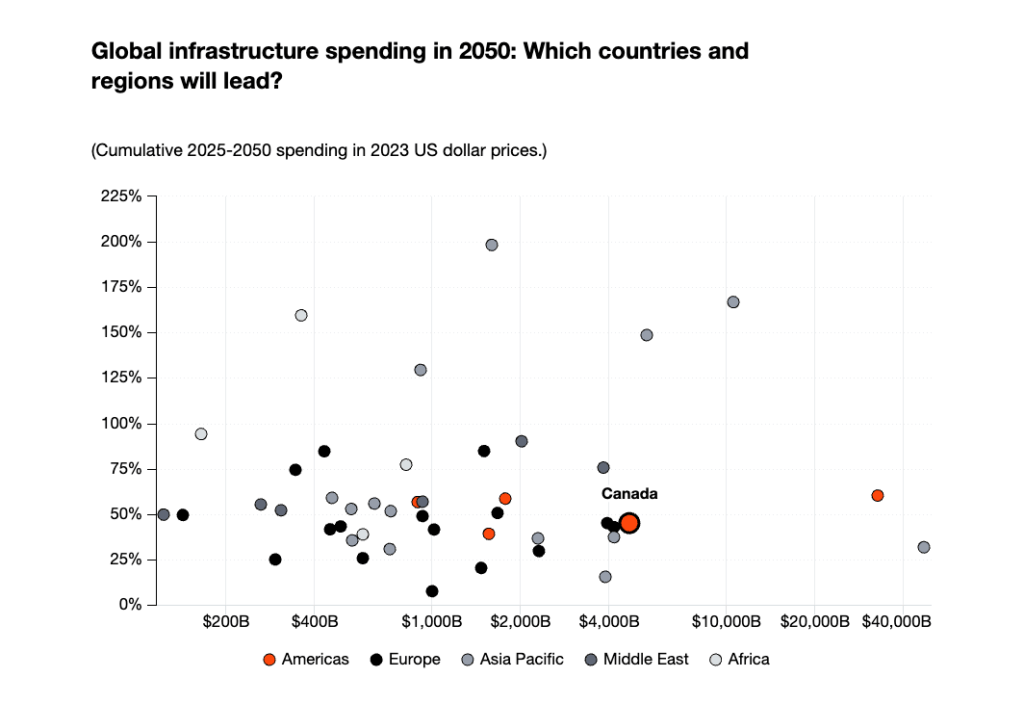
The report points out that Canada's lengthy regulatory approval process remains one of the biggest obstacles to seizing this growth opportunity. Projects often face years of review and overlapping regulatory requirements, increasing costs and uncertainty compared to competing jurisdictions. While resource investment will dominate spending, the report warns that Canada is underinvesting in several areas relative to global peers. By 2050, Canada's nuclear power investment is expected to grow by only 11%, compared to 45% globally. The United States is also projected to outpace Canada in investments in airports, data centers, and other strategic infrastructure categories.
PwC echoes years of industry calls: if Canada wants to capitalize on global supply chain shifts and growing demand for critical minerals, it needs to accelerate approvals, strengthen partnerships with First Nations, increase private sector participation, and adopt new financing models. The firm believes that infrastructure projects serving multiple purposes and users—such as transportation, energy, and communication networks—will play a central role in unlocking future economic growth. The report comes as governments and companies race to secure critical mineral supplies for electrification, defense, and advanced manufacturing, while strengthening domestic supply chains amid heightened geopolitical competition.
This article is compiled by Wedoany. All AI citations must indicate the source as "Wedoany". If there is any infringement or other issues, please notify us promptly, and we will modify or delete it accordingly. Email: news@wedoany.com
Related Products
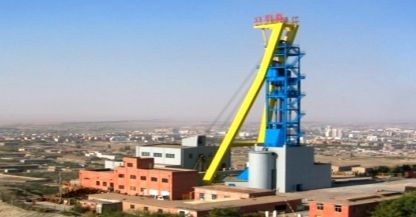

Core Technologies of the Mining Technology and Equipment Business Unit: Efficient Mining Methods and Processes
CHANGSHA INSTITUTE OF MINING RESEARCH CO., LTD.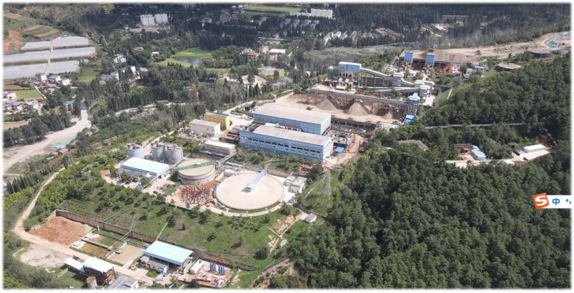
Yunnan Phosphorus Chemical Group Co., Ltd. 2 Million t/a Phosphorus Ore Mining and Beneficiation Project
China Bluestar Lehigh Engineering Corporation
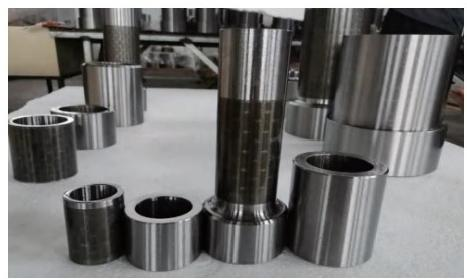
High-temperature Equal Wall Thickness High-power Screw Drilling Tool
Orient Energy & Technologies Co., Ltd.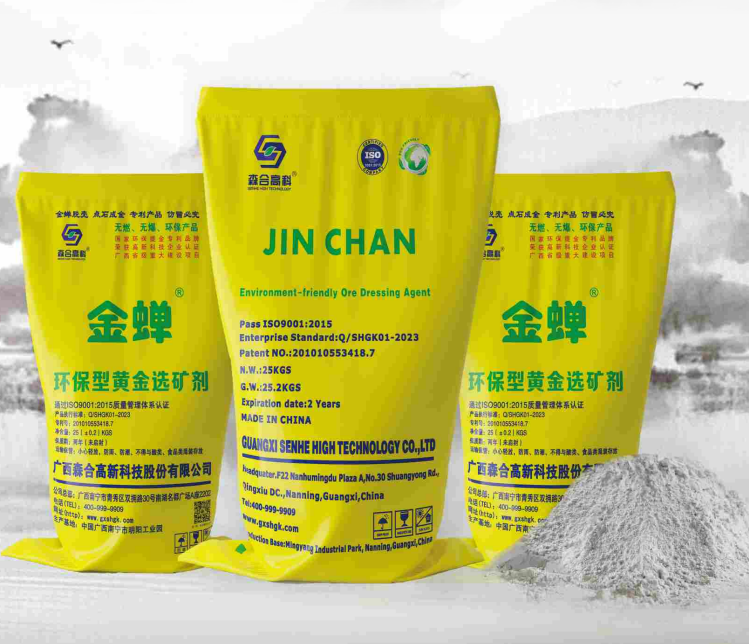
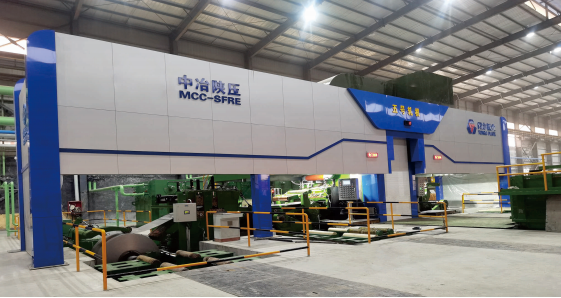
1050-1750mm Steel Strip Single-stand Reversible Cold Rolling Production Line
MCC-SFRE HEAVY INDUSTRY EQUIPMENT CO., LTD.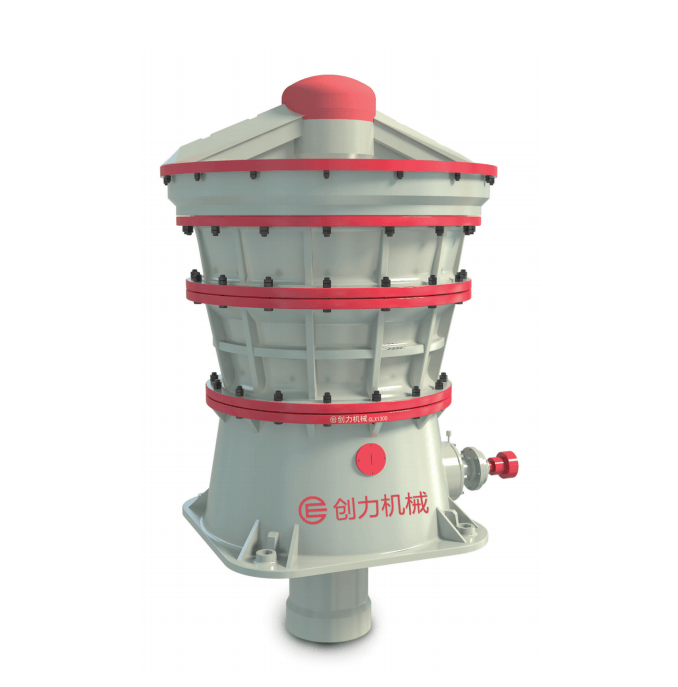
CLX Series Intelligent Hydraulic Gyratory Crusher
Guangdong CHUANGLI intelligent machinery Equipment Co., LTD

Industrial and Commercial Point-Type Gas Detector
Jinan Benan Technology Development Co., Ltd.