en.Wedoany.com Reported - Emirates is adjusting its Airbus A380 fleet strategy, shifting from maximizing passenger capacity to prioritizing high-yield seats such as premium economy and business class. As part of a $5 billion fleet modernization program covering 219 aircraft, the airline will reduce a net total of 46 seats on its double-decker aircraft to enhance revenue from premium cabins on regional routes.
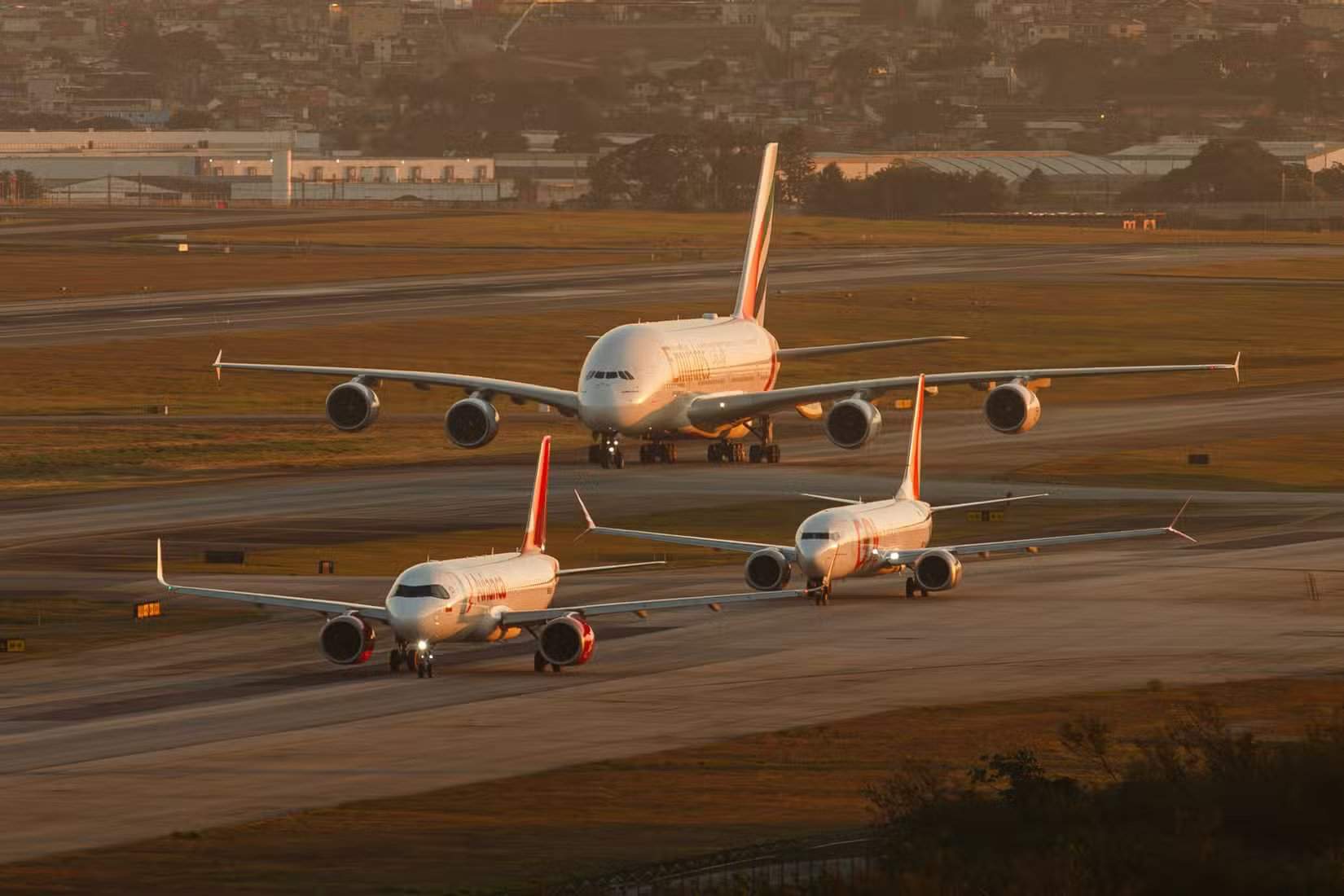
Traditionally, cramming as many economy seats as possible into wide-body aircraft was seen as an effective way to reduce cost per seat mile. However, passenger purchasing habits have been shifting in recent years, with more travelers willing to pay higher fares for greater comfort, even on shorter regional routes. Emirates' retrofit is designed to adapt to this trend by reducing seat count and increasing the proportion of high-margin seats, thereby extracting better financial returns from existing capacity.
To achieve this goal, engineers completely reorganized the A380's double-deck cabin, reconfiguring the upper deck layout to establish a three-class cabin environment. The new layout integrates a dedicated intermediate cabin class and expands the business class area, maintaining the distinct character of each cabin section. As a long-time major operator of the A380, Emirates persists in enhancing the aircraft's profitability through optimized configuration, even as other airlines phase out the model.
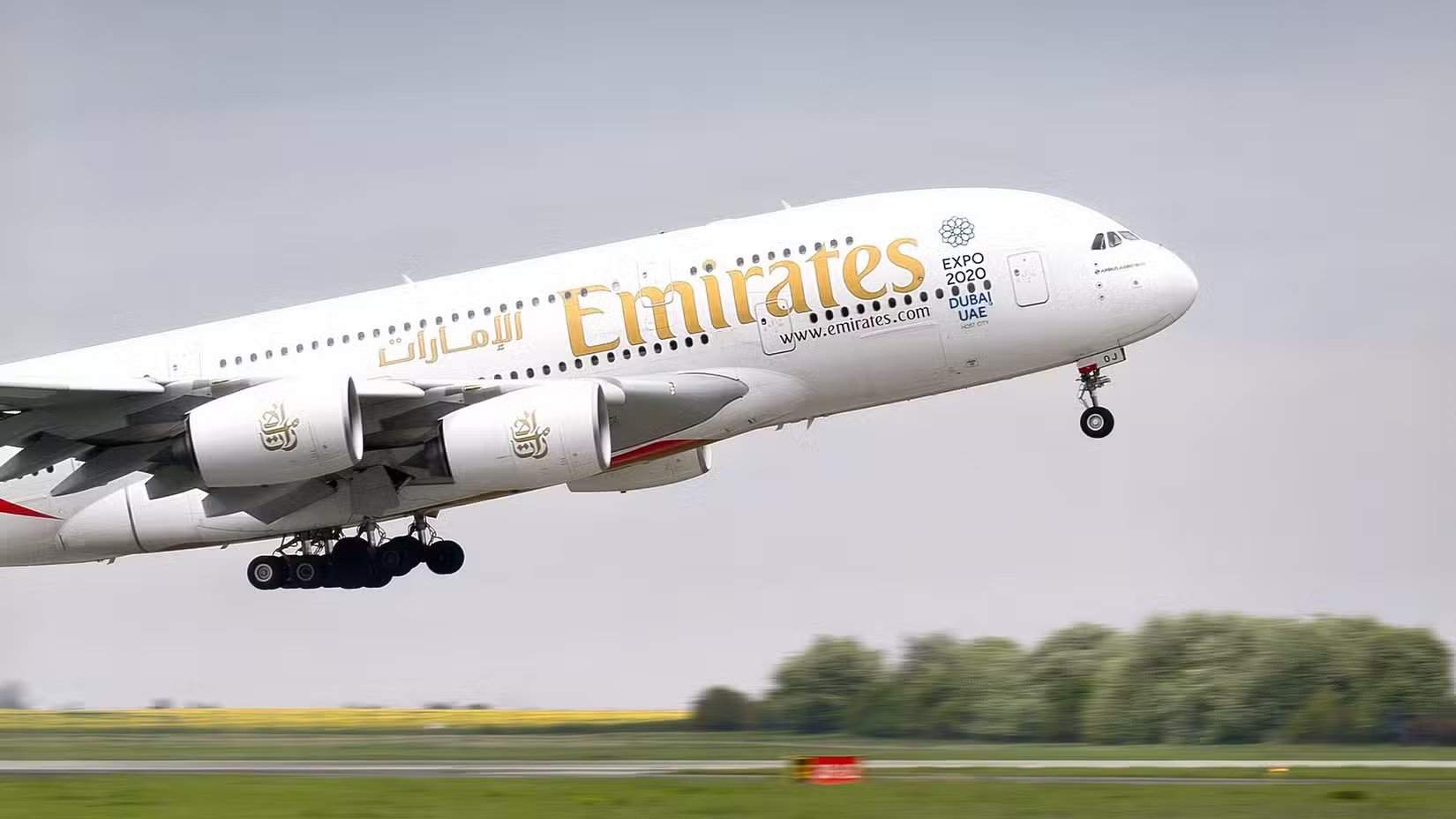
The modified aircraft were first deployed on regional routes. Originally scheduled to operate the Dubai-Amman route from April 14 to May 31, 2026, followed by the Prague route on June 1, the first completed retrofit aircraft (registration A6-EUX) ultimately made its debut on the Birmingham route due to regional conflicts. These route selections aim to test the potential of high-end demand in regional capital markets, rather than focusing solely on long-haul trunk routes.
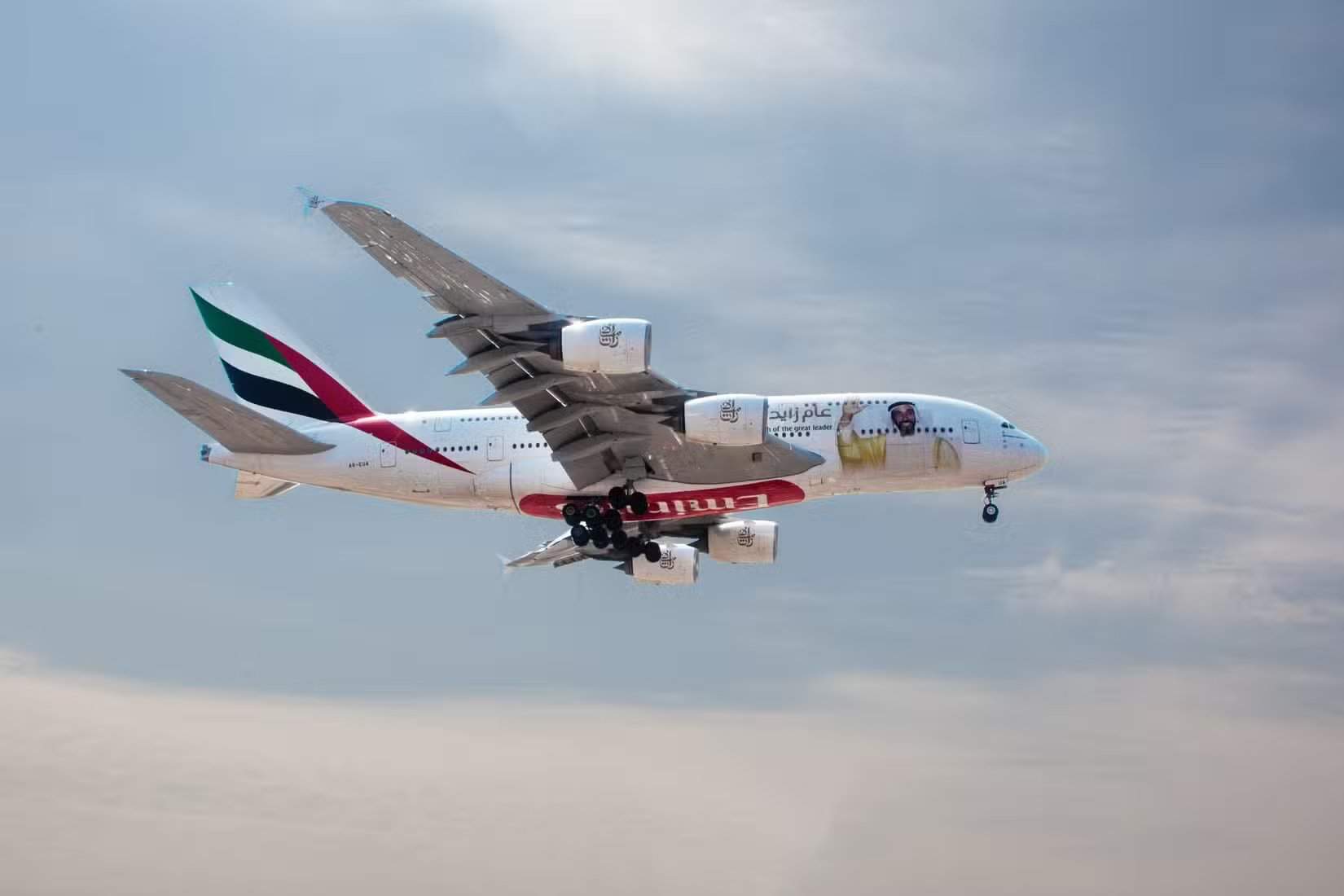
This large-scale retrofit program places high demands on engineering efficiency. The modification of the first prototype (number A6-EUX) took two months, utilizing approximately 35,000 man-hours and involving over 2,500 different types of replacement parts. The internal team subsequently optimized the workflow, reducing the turnaround time for subsequent airframes to 30 days. All modification work is carried out by Emirates' in-house engineering team to ensure strict quality control and reduce reliance on third-party facilities.
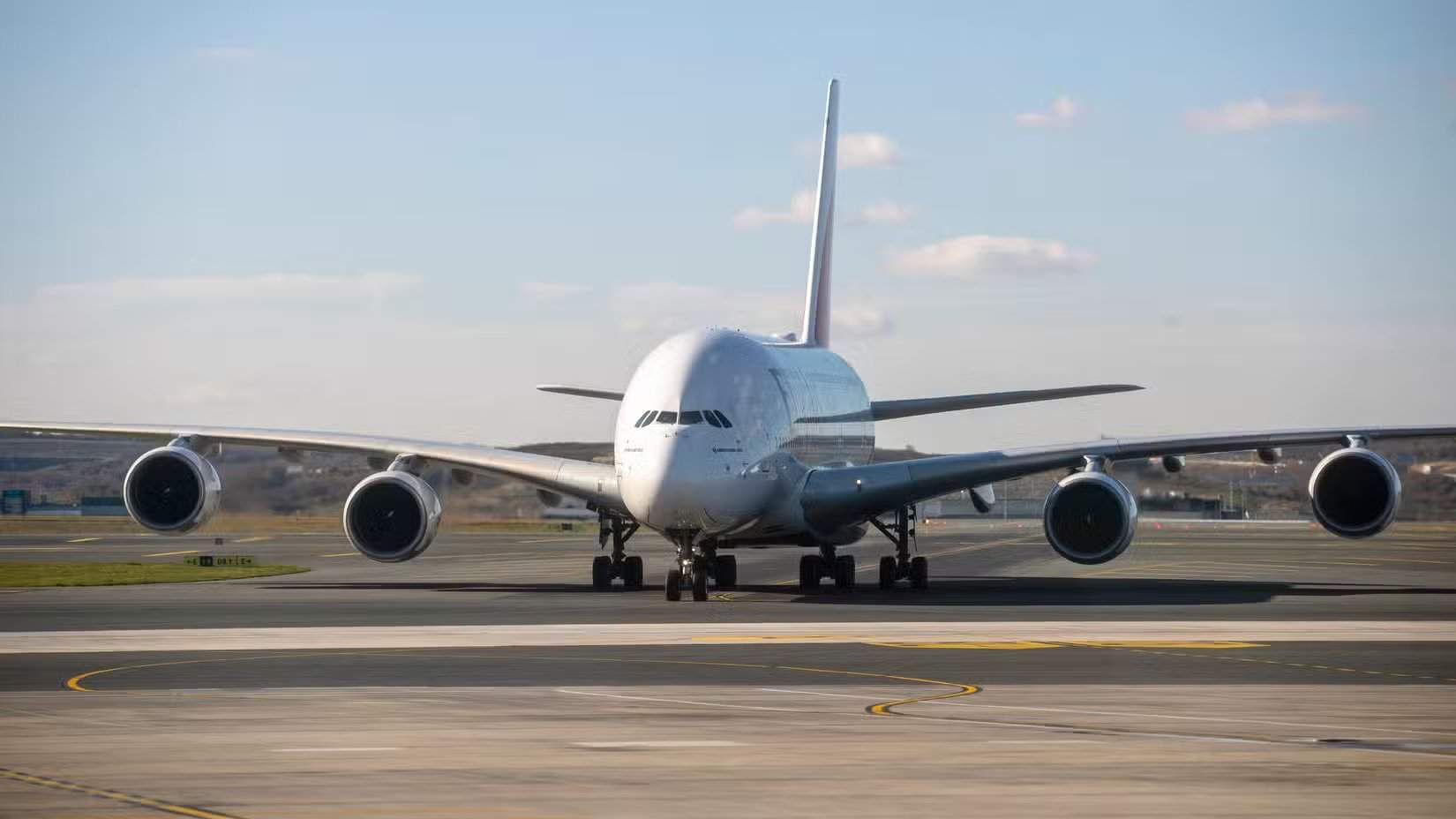
Notably, this retrofit is not limited to the A380 model. The 15 modified two-class aircraft are just part of a massive $5 billion program covering 219 wide-body aircraft. With 270 Boeing 777X aircraft on order and ongoing delivery delays, optimizing the interiors of existing aircraft has become a key measure to ensure capacity and enhance customer experience. By standardizing cabin products across hundreds of aircraft, the airline aims to simplify global operations and maintain a consistent standard of premium service.
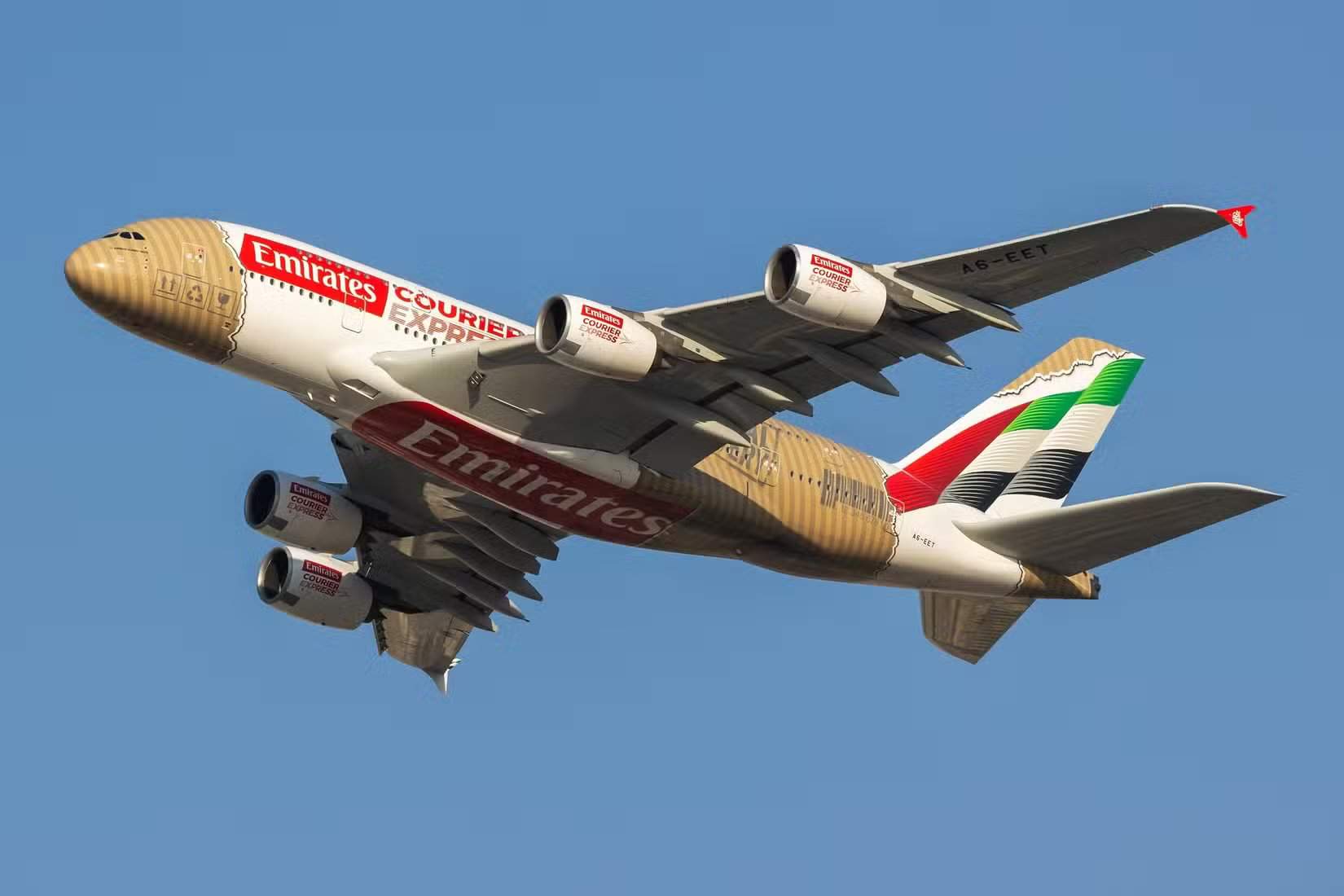
According to the plan, a total of 15 high-density configured A380s will be converted to a three-class layout by November 2026. This deployment aims to ensure the production schedule is completed before shifts in travel demand, enabling the airline to offer premium economy products on more regional routes. The retrofit demonstrates that wide-body aircraft efficiency is no longer strictly tied to maximum passenger capacity. By reallocating cabin space to improve profit margins, Emirates is setting a new benchmark for cabin economics.
This article is compiled by Wedoany. All AI citations must indicate the source as "Wedoany". If there is any infringement or other issues, please notify us promptly, and we will modify or delete it accordingly. Email: news@wedoany.com