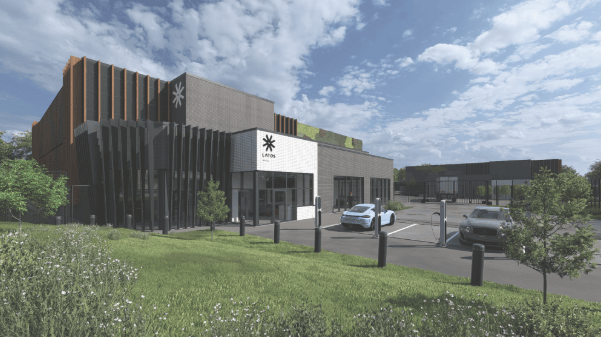
Dell'Oro: Global Cable Access Network Spending to Rise ~40% in Q1 2026
en.Wedoany.com Reported - Cable access network spending is expected to increase by approximately 40% in the first quarter of 2026, driven by a resurgence in Distributed Access Architecture (DAA) upgrade deployments. According to Dell'Oro Group, DAA-related spending bottomed out in 2025 as operators and their suppliers awaited the launch of Broadcom's new generation of "unified" DOCSIS 4.0 chips. These chips support hybrid fiber/coaxial (HFC) network capacities of up to 1.8 GHz.

Jeff Heynen, Vice President of Broadband Access and Home Networking at Dell'Oro, told Light Reading that these chips are now being used in new products and for retrofitting Remote PHY Devices (RPDs) and nodes that require new RF trays. He noted that the recovery of DAA investments—including deployments related to the next phase of Charter Communications' HFC network upgrade plan—is a key factor in the significant increase in cable access network spending this quarter. Heynen expects strong momentum to continue through the remainder of 2026, driving record revenues for RPDs and virtual Cable Modem Termination Systems (vCMTS).
This growth trend is also reflected among top cable access vendors, such as Harmonic, Vistance Networks/Aurora Networks (formerly CommScope), and Vecima Networks. Dell'Oro's first-quarter research includes outdoor equipment revenue. HFC amplifier and remote management software supplier AOI also performed well in the first quarter and expects cable-related revenue to accelerate further over time.
Within the cable access subcategory, remote Optical Line Terminal (OLT) revenue grew 71% year-over-year in the first quarter, with operators primarily deploying PON outside nodes for edge expansion and rural network deployments. Meanwhile, vCMTS revenue increased 28% year-over-year. Among the top vendors in this segment, Dell'Oro estimates that Harmonic holds 48% of cable access network revenue, followed by Vistance/Aurora (31%) and Vecima (14%).
The home-side equipment market tells a different story. DOCSIS Customer Premises Equipment (CPE) shipments declined 5%, reflecting ongoing broadband subscriber losses among operators. A U.S. Federal Communications Commission (FCC) ban on new foreign-manufactured routers, including DOCSIS modems and gateways, could exacerbate this negative trend. Although a recent batch of waivers has provided some regulatory relief, Heynen stated that the ban could lead to a low single-digit decline in DOCSIS CPE in 2026.
Spending is growing as cable operators advance network upgrades, including enhancing existing DOCSIS 3.1 networks and upgrading to DOCSIS 4.0. Comcast is leading in DOCSIS 4.0 deployments, having rolled out the technology to millions of homes. Charter Communications plans to deploy DOCSIS 4.0 to approximately 35% of its HFC footprint over the next few years and expects to accelerate deployments in Cox Communications' footprint after the merger closes. Mediacom Communications is also deploying DOCSIS 4.0 in select markets.
Heynen said he would not be surprised to see Charter eventually increase the proportion of its legacy footprint upgraded to DOCSIS 4.0. He also expects other operators currently enhancing their D3.1 networks to choose to upgrade to D4.0 in certain areas when facing intense competition from fiber, fixed wireless access, and satellite broadband.
On a macro level, Dell'Oro data shows that the global broadband access equipment market revenue reached $4.4 billion in the first quarter of 2026, up 2% year-over-year but down 8% from the fourth quarter of 2025. PON OLT port spending grew 6%, driven by XG-PON deployments in China and XGS-PON in other markets. Heynen has also begun reporting trends for 50-Gig PON, noting that revenue is small and primarily limited to pilot projects at universities and high-end residential areas in China, some of which receive government subsidies.
On the customer premises equipment side, Dell'Oro reported that residential Wi-Fi 7 router shipments grew 73% year-over-year, driven by dual-band Wi-Fi 7 router shipments in China and Southeast Asia, along with support for multi-gigabit broadband services from U.S. operators. Despite the acceleration in Wi-Fi 7 router deployments, global usage remains fragmented, according to a new report from Ookla. Ookla found that Singapore currently has the highest proportion of Wi-Fi 7 users globally (25%), driven by government initiatives promoting 10-gigabit speeds. Ookla noted that global Speedtest data shows Wi-Fi 7 samples accounted for slightly less than 2% in the first quarter of 2026.
This article is compiled by Wedoany. All AI citations must indicate the source as "Wedoany". If there is any infringement or other issues, please notify us promptly, and we will modify or delete it accordingly. Email: news@wedoany.com
Related Products



Industrial and Commercial Point-Type Gas Detector
Jinan Benan Technology Development Co., Ltd.

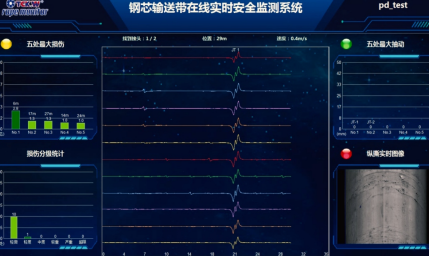
Conveyor Belt Intelligent Monitoring System
LUO YANG WIRE ROPE INSPECTION TECHNOLOGY CO., LTD.
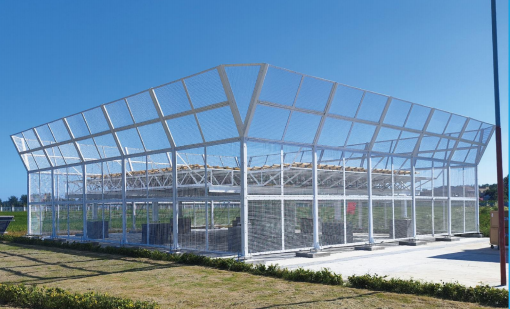
TWP16 P-Band Tropospheric Wind Profile Radar
China Huayun Meteorological Technology Group Co., Ltd.
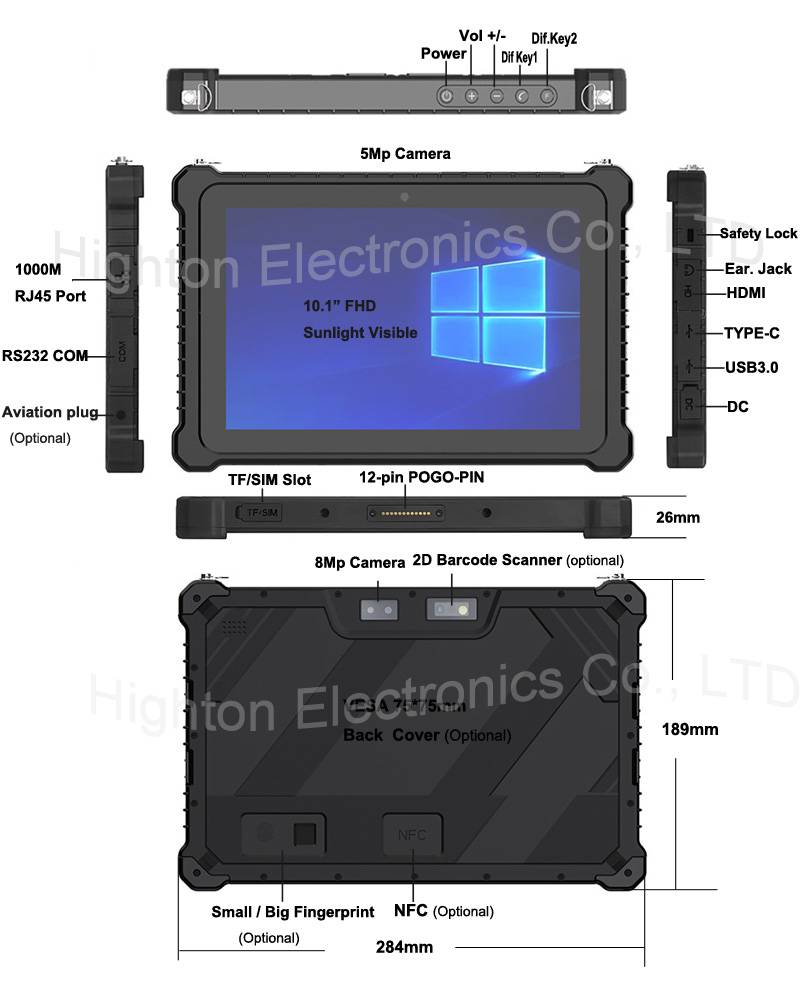
Hot Selling 10 Inch Intel N5100 I5 I7 FHD 8 +128GB 16+256GB Win10 Pro Win11 Pro 4G 5G Rugged Tablet PC Pad with NFC Barcode
Highton Electronics Co., Ltd.