French Scaleway Secures €180 Million Sovereign Cloud Contract and Co-Builds AI Factory
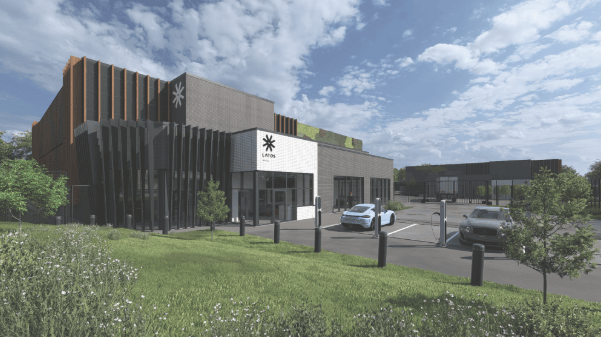
en.Wedoany.com Reported - Scaleway, the cloud services provider under the French Iliad Group, has recently achieved two key milestones in the digital sovereignty domain. The company has replaced Microsoft as the host of the French health data platform and has been selected for a €180 million sovereign cloud tender project by the European Commission. Additionally, Scaleway is co-leading the AION Alliance, which plans to build an AI Gigafactory in France to provide industrial-scale computing power.
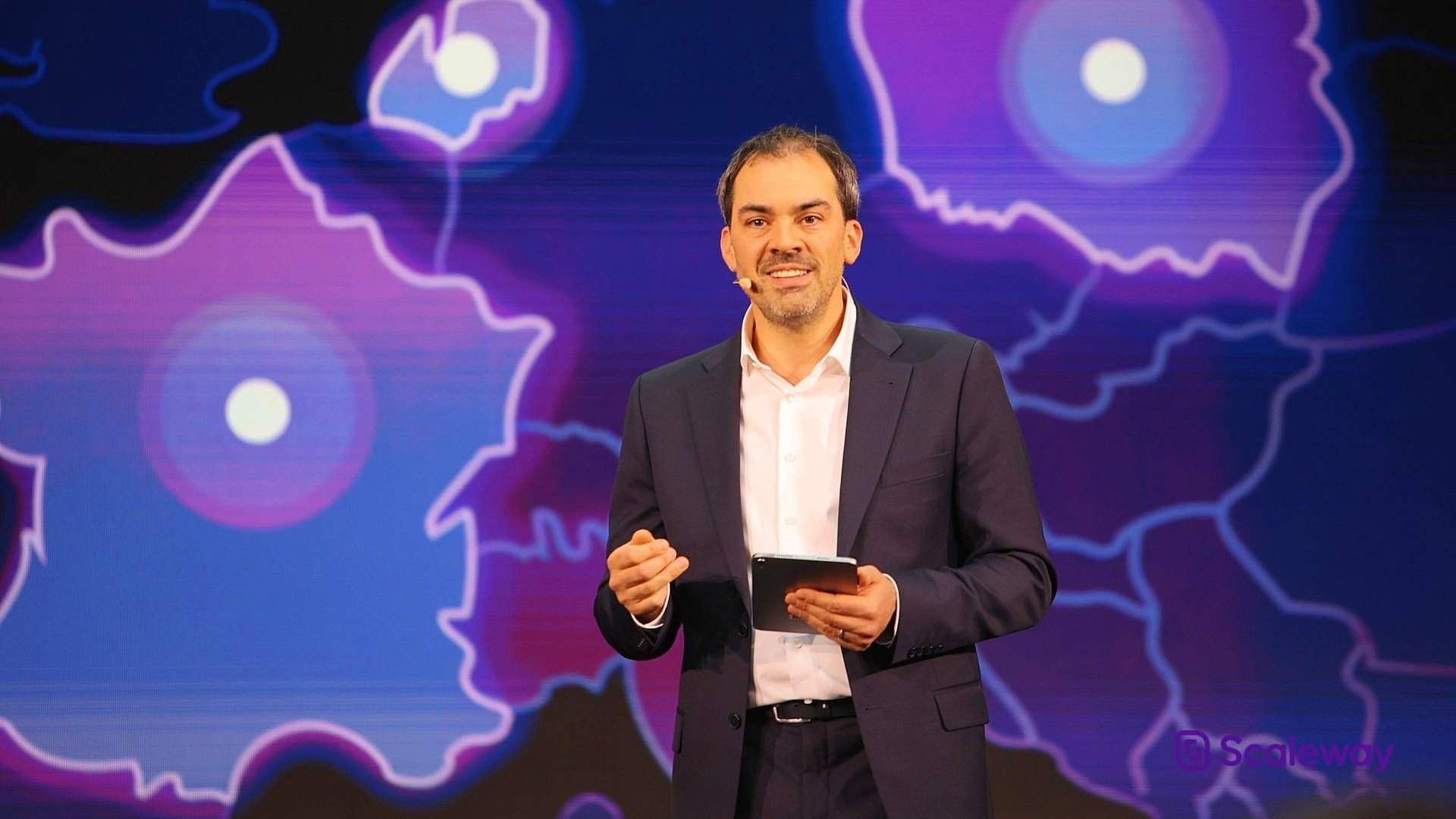
On the eve of VivaTech 2026, Scaleway CEO Damien Lucas gave an exclusive interview, sharing his views on these developments and the future of artificial intelligence (AI). Regarding the AI Gigafactory, Lucas explained that it is first and foremost "industrial computing power for artificial intelligence," which can be simply described as a "token factory" used for AI models to understand, reason, and generate answers. He believes that Europe still has advantages in the AI field, including researchers, engineers, startups, and decarbonized electricity, but lacks computing power. The strategic significance of this facility lies in enabling France and Europe to build and run their own AI.
On data sovereignty and security issues, Lucas pointed out that hacker risks are ubiquitous, but for medical, public, or critical data, the problem goes far beyond cybersecurity. When sensitive data relies on non-European technologies and is operated by entities subject to extraterritorial laws (such as the CLOUD Act), strategic vulnerabilities arise. Large-scale service outages have already shown society's deep dependence on a few key technologies. The location of data storage, legal jurisdiction, and access rights directly relate to citizen trust and collective security. Lucas clarified that Scaleway's goal is not to launch a "French version of ChatGPT" for the masses, but to provide technical components that enable companies to develop applications in a secure and controllable European environment.
Regarding the energy consumption brought by AI, Lucas stated that the key lies in where supercomputers are built, the energy used, and the environmental rules followed. France and Europe have abundant decarbonized energy and strict regulations. If Europe refuses to build these facilities, such capabilities will be deployed in regions with lower environmental requirements, potentially leading to higher carbon emissions. Scaleway adjusted some prices on June 1, and Lucas explained that this reflects rising chip and computing costs. He emphasized that AI should not be exclusive to large companies, but Europe must avoid fragmentation of efforts, cultivate a few strong champion enterprises, and concentrate capabilities so that startups, researchers, and SMEs can all access computing resources.

Discussing future technologies, Lucas believes that quantum computing will not enter everyone's pocket within 5 to 10 years, but it could have a significant impact on fields such as medical research, new material design, logistics optimization, and cybersecurity. Cloud computing algorithms may in the future combine CPUs, GPUs, and QPUs (quantum processing units). The current key is to integrate quantum machines into the cloud so that researchers can test them and identify valuable use cases. On the eve of VivaTech, Lucas stated that the willingness of European players to achieve technological autonomy is growing, and Scaleway will make several announcements during the exhibition, including partnerships. He encouraged young people dreaming of entering the tech field, pointing out that France has advantages such as quality education, cutting-edge research, and an entrepreneurial network. In the AI field, technological innovations occur weekly, and Europe has the opportunity to become a place where technology is created.
This article is compiled by Wedoany. All AI citations must indicate the source as "Wedoany". If there is any infringement or other issues, please notify us promptly, and we will modify or delete it accordingly. Email: news@wedoany.com
Related Products



TWP16 P-Band Tropospheric Wind Profile Radar
China Huayun Meteorological Technology Group Co., Ltd.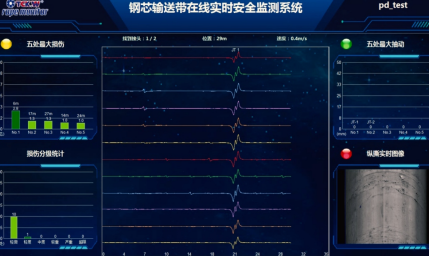
Conveyor Belt Intelligent Monitoring System
LUO YANG WIRE ROPE INSPECTION TECHNOLOGY CO., LTD.
MUX Series Communication Interface Device for Security and Stability Control System
Nanjing NR Electric Co., Ltd.
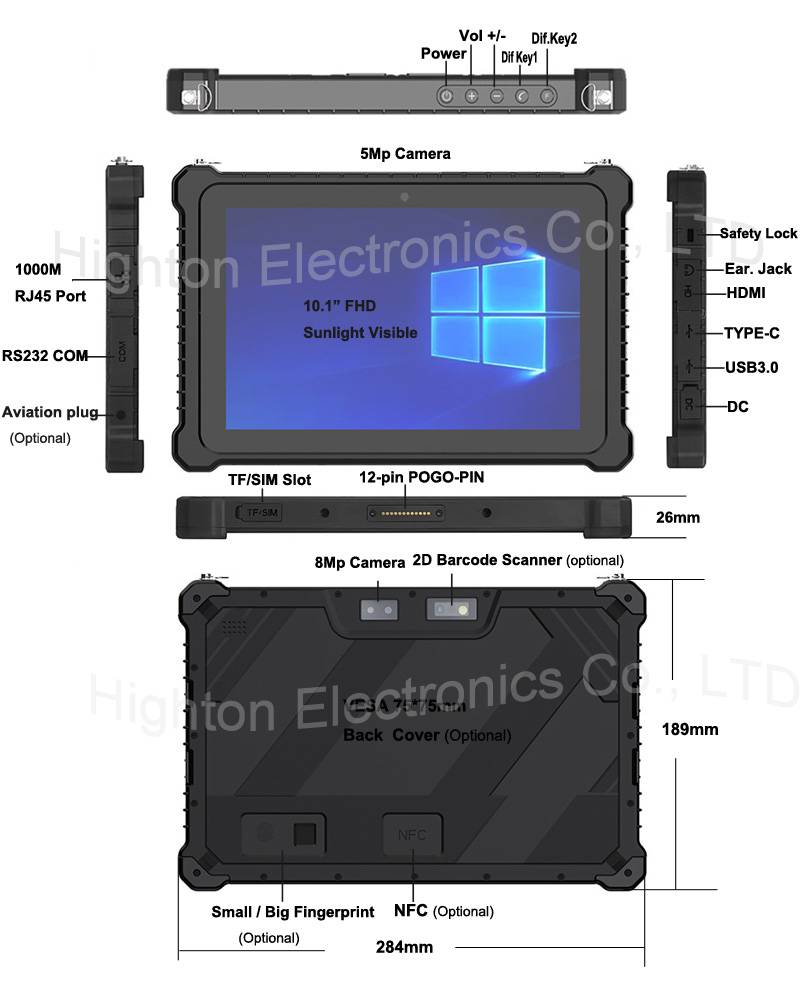
Hot Selling 10 Inch Intel N5100 I5 I7 FHD 8 +128GB 16+256GB Win10 Pro Win11 Pro 4G 5G Rugged Tablet PC Pad with NFC Barcode
Highton Electronics Co., Ltd.
20 Inch 1600*900 Full HD 60Hz TFT LED Monitor with VGA and DP Interfaces for Desktop Computers-Business Use
Guangzhou Zanying Optoelectronics Technology Co., Ltd.
Flat Portable Satellite Terminal 0.35m Aperture Manual Portable Terminal
China Starwin Science & Technology Co., Ltd.
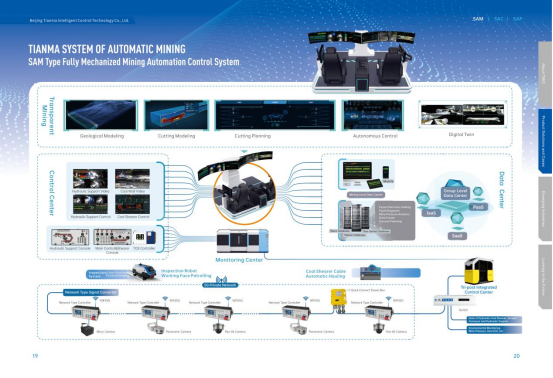
Comprehensive Mining Automation Control System
Beijing Tianma Intelligent Control Technology Co., Ltd.