en.Wedoany.com Reported - Calder Stewart, New Zealand's largest industrial property owner, plans to invest over NZ$110 million in the next decade to deploy rooftop solar and battery energy storage systems across its industrial property portfolio. The company says this move will reduce business electricity costs and ease pressure on the national grid.
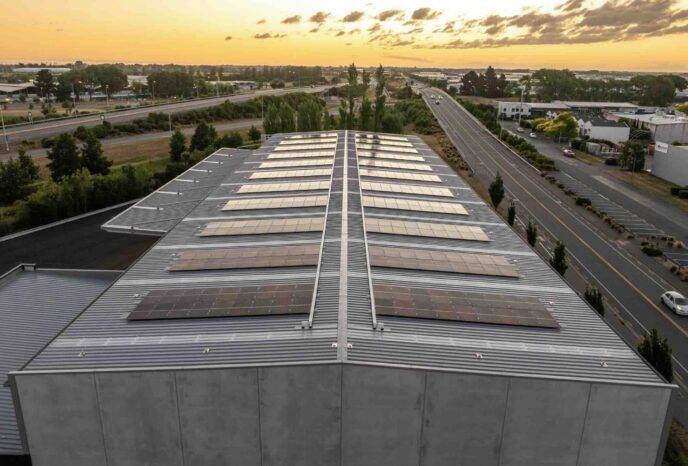
Under the plan, Calder Stewart will install up to 170,000 solar panels across its industrial property portfolio, creating a rooftop solar generation capacity with a peak output of 85 megawatts, along with supporting battery energy storage systems. The company owns over 900 hectares of planned industrial land in Auckland, Canterbury, Otago, and Southland, making it one of New Zealand's largest distributed generation platforms. Its energy division has already installed solar systems at 17 industrial sites, covering over 152,000 square meters of rooftop space, with a peak photovoltaic output of 3.6 megawatts. These systems are expected to generate approximately 4.2 gigawatt-hours of electricity annually, equivalent to the yearly consumption of more than 500 households.
Company director Sam Stewart said that broader adoption of rooftop solar in industrial properties could save users millions of New Zealand dollars in transmission and distribution costs while reducing the need for additional investment in power infrastructure. He noted that industrial rooftops have historically been an underutilized asset, despite their vast scale and proximity to major electricity users. "We build these buildings, and the rooftops sit idle. The opportunity lies in turning them into productive assets that support tenants, support the grid, and generate long-term returns." He also mentioned that this model avoids land-use conflicts associated with large-scale ground-mounted solar projects, as it uses previously idle industrial rooftop space.
Calder Stewart Energy manager Ben Krieble explained that tenants can access low-cost solar power without capital outlay or owning the infrastructure. Since the electricity is generated on the rooftop, there are no line charges, no network transmission losses, and no additional fees, allowing it to be supplied at a cost lower than standard retail electricity. He said the company can also offer longer-term electricity pricing arrangements, providing greater certainty for industrial customers facing rising power and network costs.
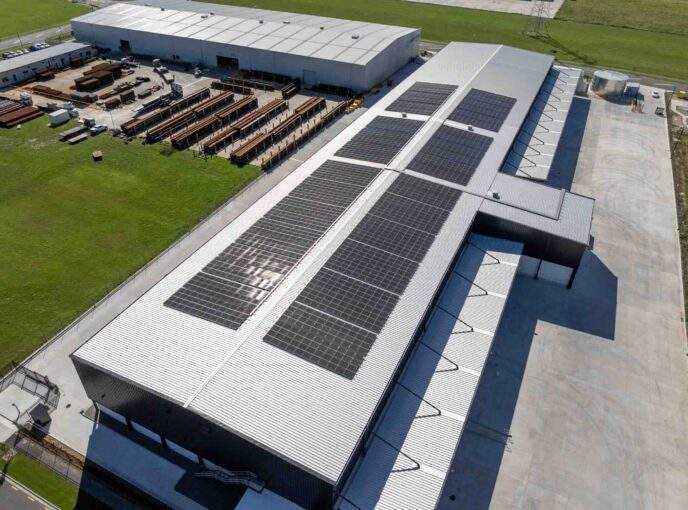
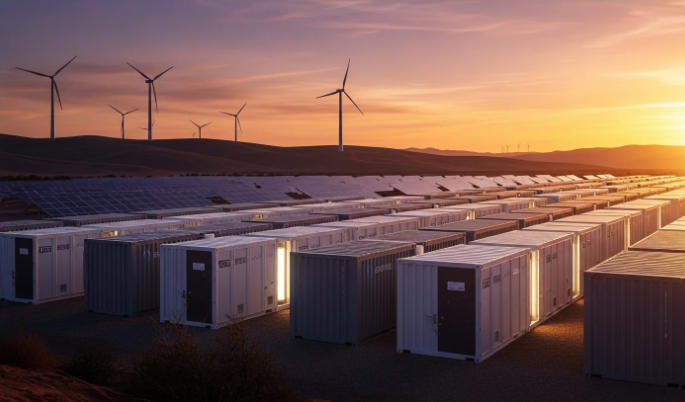
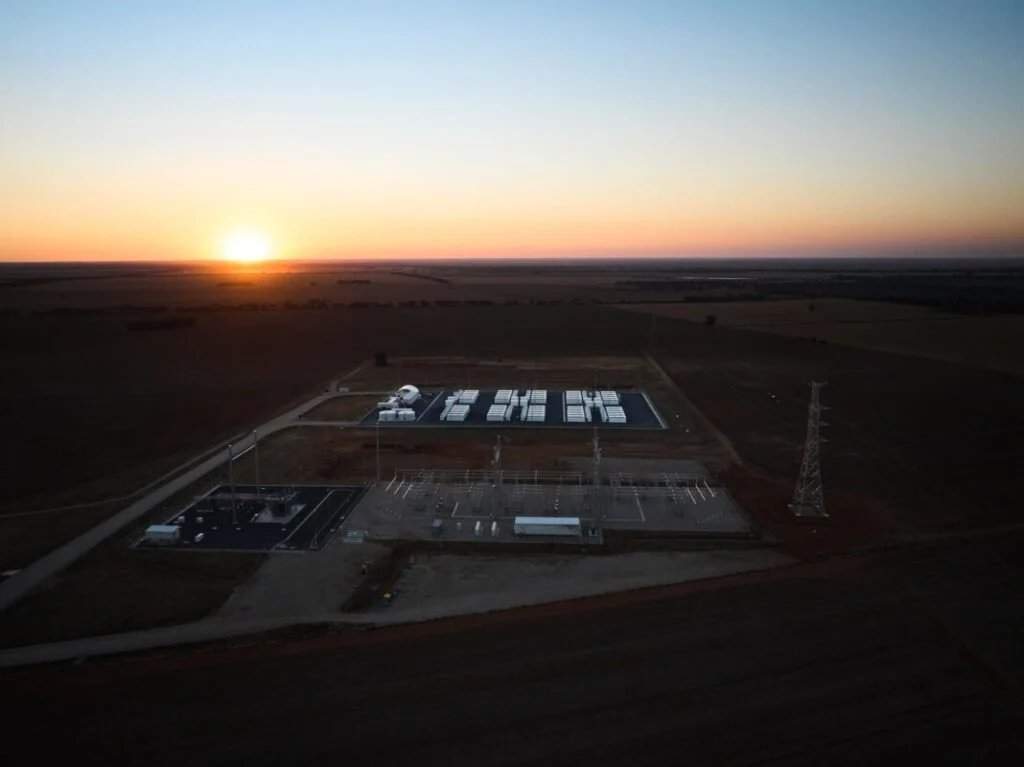
The company also plans to deploy battery energy storage systems to store excess solar power and reduce demand on the grid during peak periods. Sam Stewart said batteries can help alleviate pressure on local grids during morning and evening peak demand. "New Zealand's two peak periods are around six in the morning and six in the evening. If electricity is stored on-site, or if batteries are charged at night when electricity prices are lower, that power can be used instead of drawing from the grid during peak times. This helps ease pressure on both the national grid and local networks." Ben Krieble further noted that deploying solar and batteries at scale across the entire portfolio could ultimately operate as a virtual power plant, providing services to the network and reducing demand during periods of grid stress.
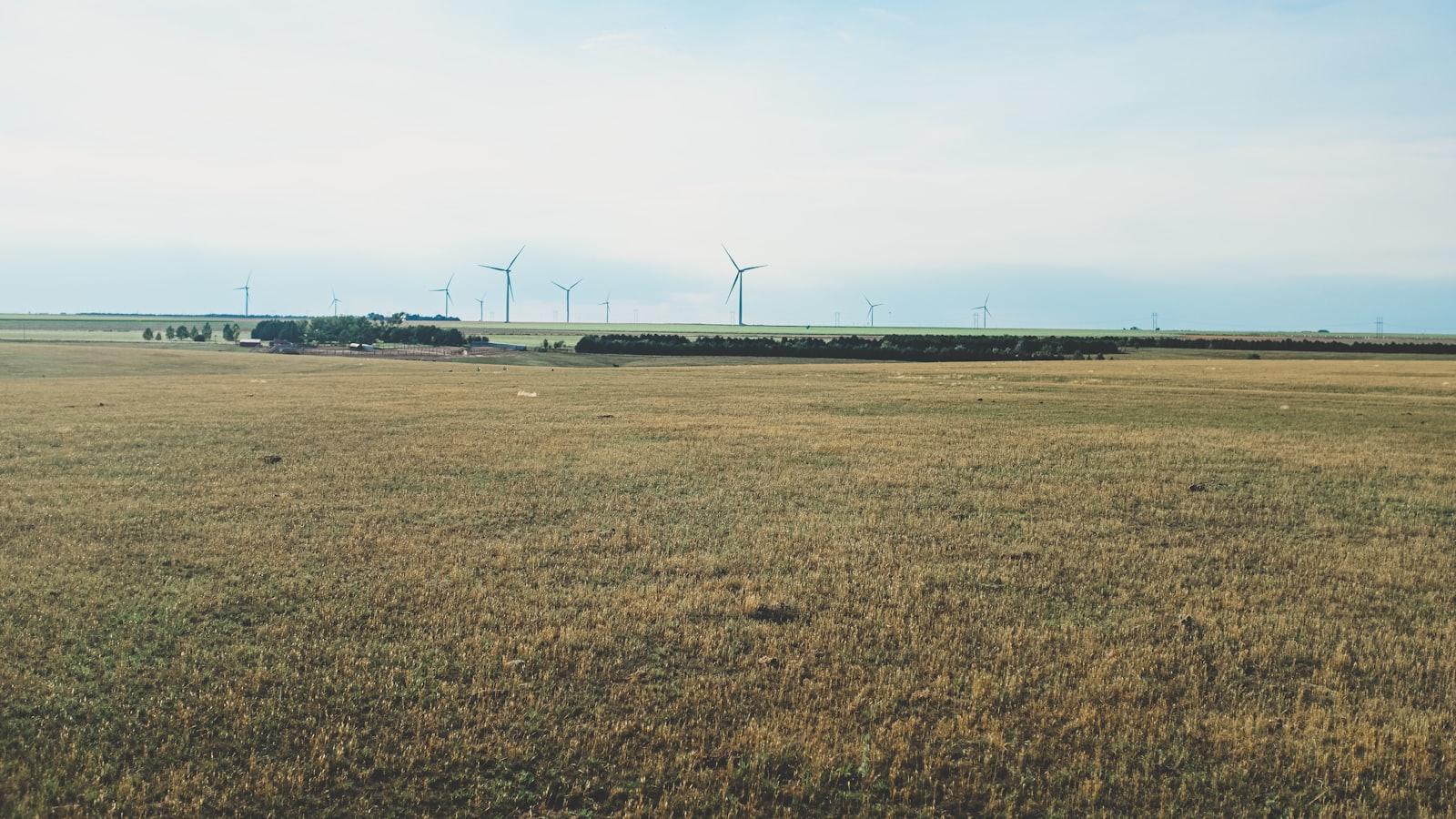
Sam Stewart said solar power will become a standard feature in Calder Stewart's future industrial developments, with many existing buildings expected to be retrofitted within the next year. Reducing electricity delivery costs helps improve the competitiveness of manufacturers, logistics operators, and other energy-intensive businesses. The rooftop solar initiative is part of the company's broader energy strategy, which also includes investigating opportunities for utility-scale wind power across its wider land portfolio.
This article is compiled by Wedoany. All AI citations must indicate the source as "Wedoany". If there is any infringement or other issues, please notify us promptly, and we will modify or delete it accordingly. Email: news@wedoany.com