en.Wedoany.com Reported - Bluetti has introduced the Balco Transfer Hub, a device that intelligently connects portable power stations with solar panels and the home grid. Traditionally used only for camping or power outage backups, portable batteries can now serve as home energy buffers, storing solar energy during the day to power appliances at night when electricity rates are higher.
Launched in Paris in mid-May, the hub connects balcony solar panels and portable power stations via a plug. Bluetti states that the Balco Transfer Hub can inject up to 800 watts into the home circuit, compatible with its own brand of portable batteries (including the Elite 300 model) and some third-party power stations. However, features like automatic configuration, intelligent charge/discharge management, and multi-device coordination are limited to same-brand products and cannot be fully realized with third-party batteries.
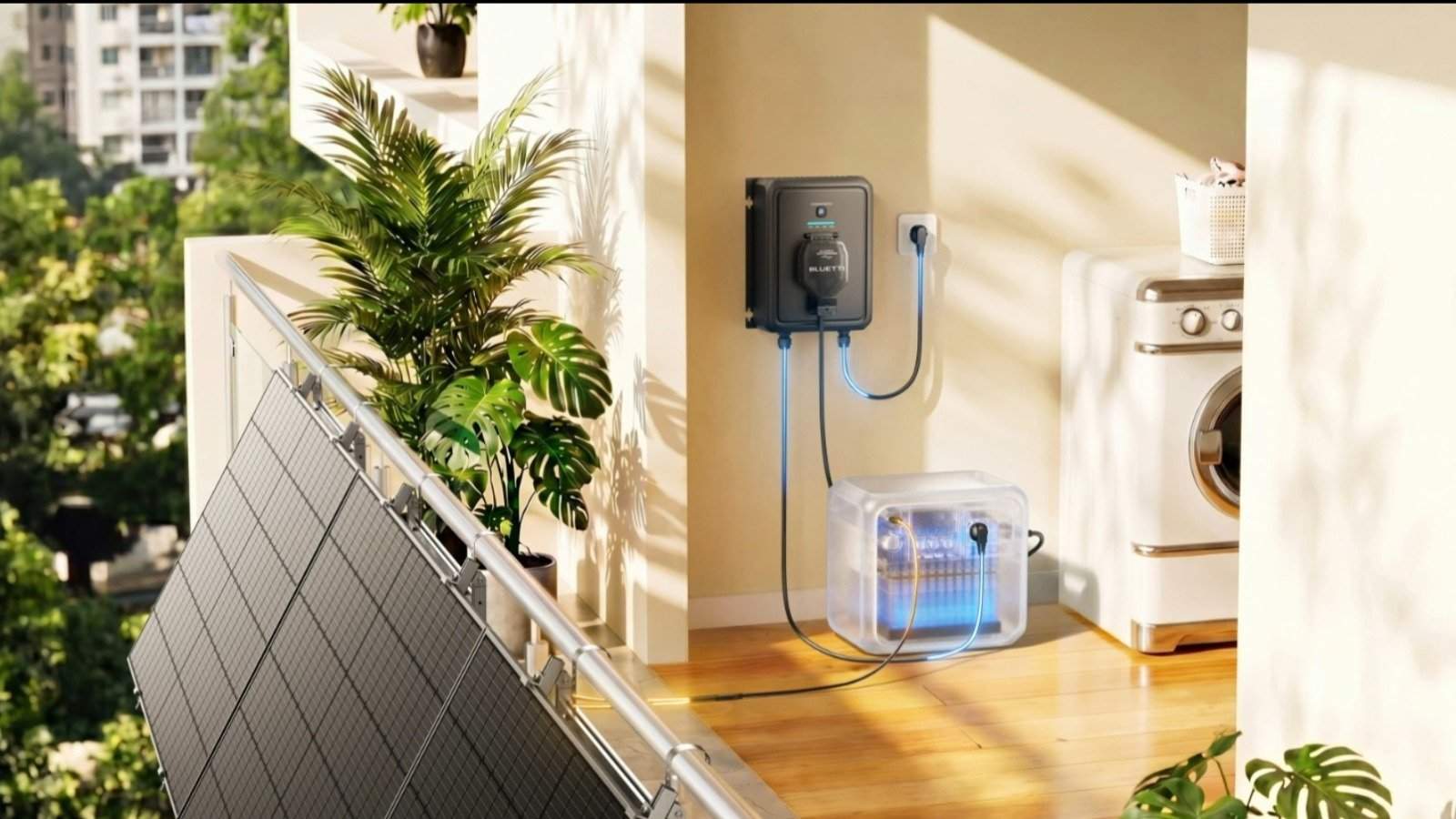
The installation process for users is straightforward: plug the hub into a wall outlet, connect the portable battery, and then connect the solar panels to the battery (not the hub). Once set up, the portable power station can supply power to devices like network routers, refrigerators, and TVs, or supplement high-power appliances during peak demand periods.
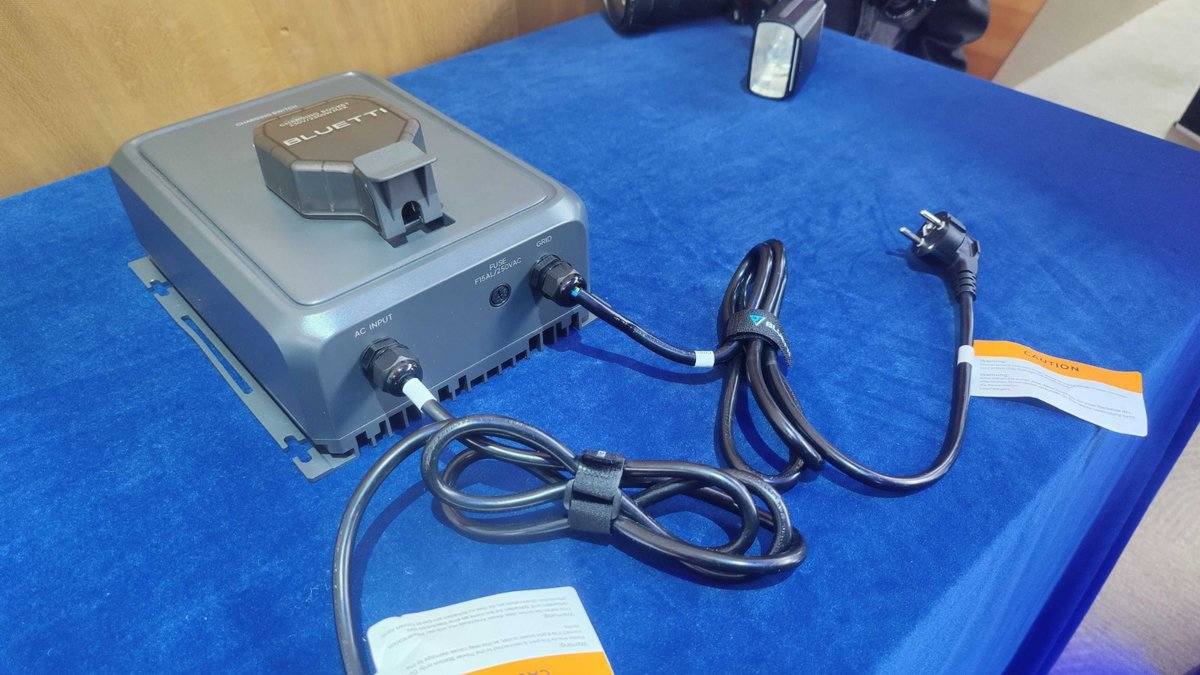
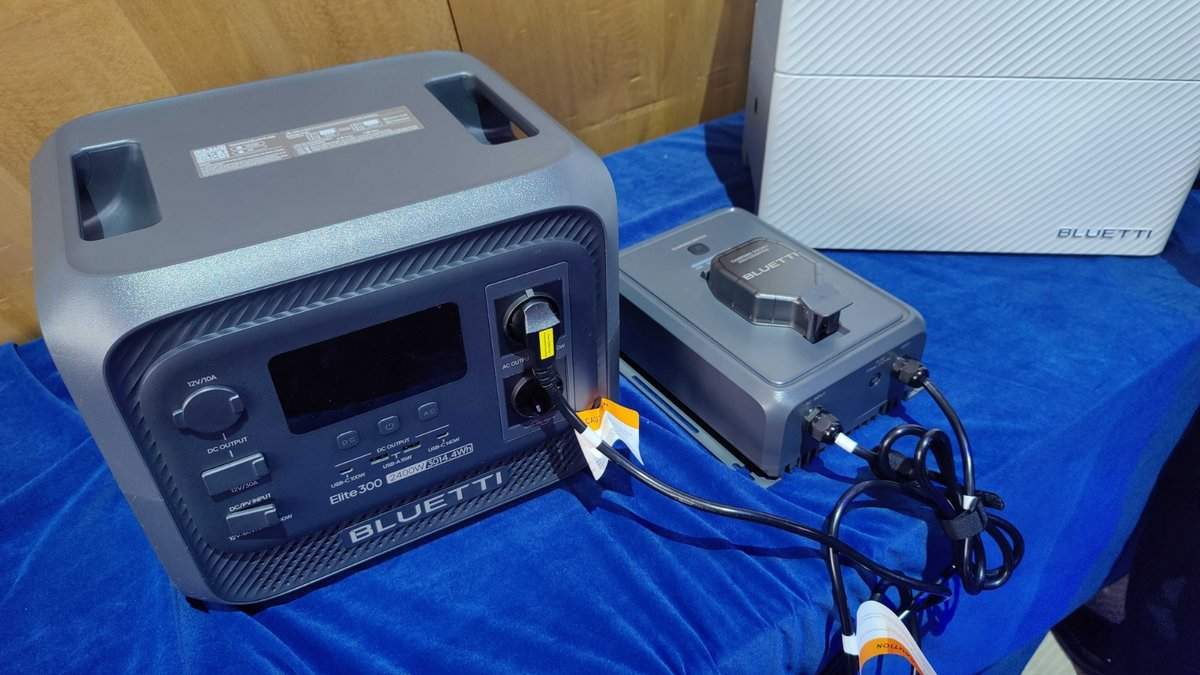
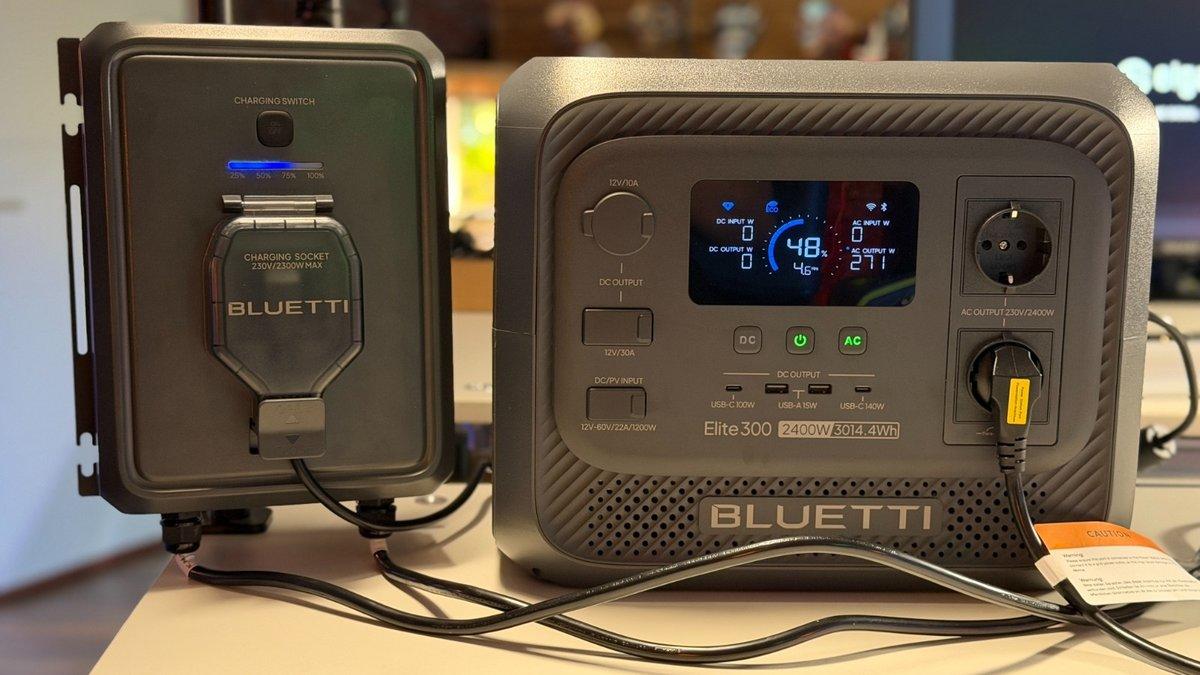
The core innovation of the system lies in its energy management algorithm. The hub can consider factors such as forecasted solar generation, real-time electricity prices, and data from outlets and meters to charge the battery when energy supply is abundant or rates are low, and discharge power during peak household usage.
The device can be integrated into smart home ecosystems like Shelly, everHome, Google Home, or Amazon Alexa. Within the Bluetti ecosystem, up to six Balco units can work together, but fully automated intelligent operation requires installing a smart meter in the distribution box or opting for brand-compatible smart outlets.
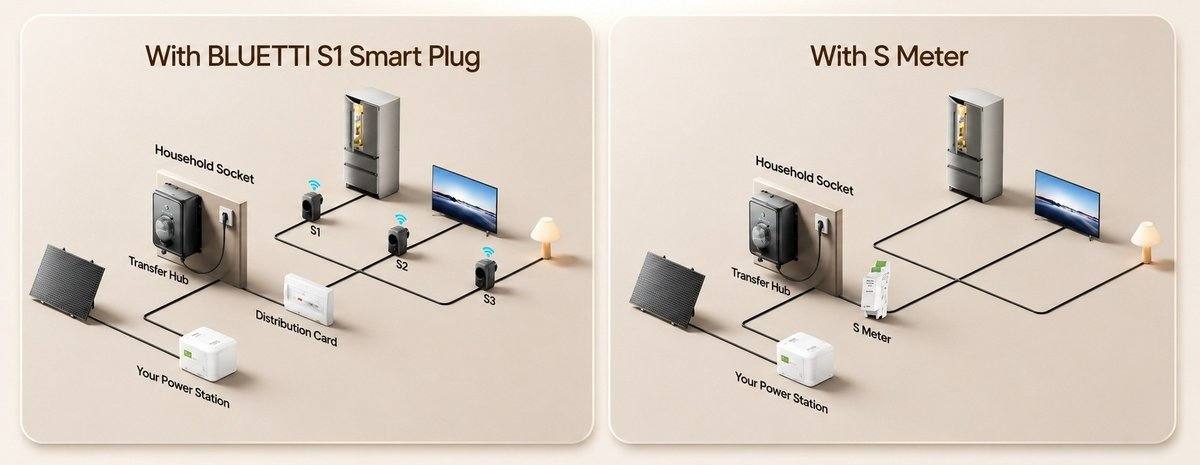
The launch of the Balco Transfer Hub comes at a time of transition in the European balcony solar market. Balcony solar installations have evolved from DIY projects to a standard option for tenants and households without roof access. Meanwhile, feed-in tariffs for surplus electricity from individuals to the grid continue to decline (around €0.04/kWh for some small installations), encouraging users to opt for direct self-consumption of solar energy. The lower the feed-in tariff, the higher the added value of each kilowatt-hour of self-consumed solar power. Systems like the Balco Transfer Hub can adjust electricity usage periods: storing power when solar panels generate or during off-peak hours, and releasing it at opportune times.
In France, installing such a system still requires compliance with regulations. Even if the setup is used solely for self-consumption, it must be declared to Enedis, and a non-injection self-consumption agreement must be signed if no electricity is planned for sale. If the setup injects surplus power into the grid or alters the home circuit, stricter procedures are required, involving connection compliance issues and, in some cases, Consuel certification.
The Balco Transfer Hub is priced at €349 in France. Bluetti also offers bundles including the Elite 300 (€1,849) and the Elite 200 V2 bundle (€1,499), both at launch prices. For users who already own compatible portable power stations and solar panels, the €349 hub is an attractive option. However, the complete bundles, in direct competition with fixed home batteries, require users to weigh their portability and dual-use characteristics.
This article is compiled by Wedoany. All AI citations must indicate the source as "Wedoany". If there is any infringement or other issues, please notify us promptly, and we will modify or delete it accordingly. Email: news@wedoany.com