Technip Energies and Three Other Companies Develop Rebound Project to Produce Approximately 160,000 Tons of SAF Annually
en.Wedoany.com Reported - Technip Energies, Airbus, Safran, and the French agricultural cooperative Tereos have announced a collaboration to advance the Rebound project in Dunkirk, France. The project, which utilizes the Alcohol-to-Jet (AtJ) technology pathway, aims to produce approximately 160,000 tons of sustainable aviation fuel (SAF) annually. Once completed, it will be among the largest facilities of its kind in Europe.
Under the agreement, the partners have committed to funding the project's development phase, covering engineering studies and other activities required to make a final investment decision. SAF is considered a primary means of decarbonizing aviation. The EU's "ReFuelEU Aviation" regulation requires a gradual increase in the SAF blending mandate, reaching 6% by 2030 and 70% by 2050, implying an eightfold increase in demand between 2030 and 2050. Among existing production pathways, AtJ is emerging as a scalable and cost-competitive option. This process converts advanced ethanol, produced from agricultural and forestry residues, into a ready-to-use aviation fuel that can be blended with conventional jet fuel for use in existing engines and aircraft.
During the project development phase, Technip Energies serves as the lead developer and engineering services provider, responsible for technology scaling and complex project execution. Airbus and Safran, as global aerospace companies, join as industrial partners, offtake drivers, and potential SAF offtakers. Tereos, a European leader in ethanol production, plans to supply the advanced ethanol required for the project. The four partners cover the complete value chain from feedstock supply to end-use in aviation, forming a European-led initiative.
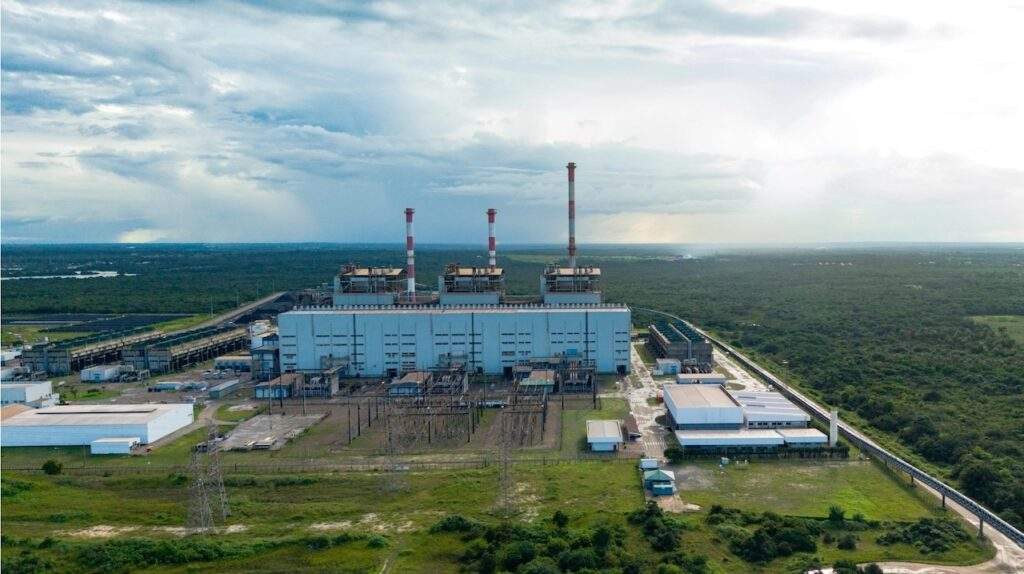
The project has reached a key milestone: the Port of Dunkirk has granted Technip Energies an industrial site in northern France. Following the final establishment of the joint venture, this site will provide the Rebound project with logistical advantages for feedstock and product transportation, as well as streamline the permitting process.
The partners will proceed through a rigorous, phased development process. Subsequent steps include selecting a technology licensor, advancing licensing activities, initiating pre-front-end engineering design and front-end engineering design activities, finalizing feedstock supply and SAF offtake agreements, and securing financing for asset construction. The establishment of the joint venture is subject to customary closing conditions and approvals, with finalization expected in the second half of 2026.
Benjamin Lechuga, Chief Strategy and Sustainability Officer at Technip Energies, stated that SAF is one of the most critical means for aviation decarbonization, and the AtJ pathway offers a credible and scalable development route. Through the Rebound project, the company will execute its strategy to capture greater value through adjacent business models, initiating and developing projects with industry leaders such as Airbus, Safran, and Tereos in the rapidly growing energy transition market.
Julie Kitcher, Chief Sustainability and Communications Officer at Airbus, stated that the Rebound project is a vote of confidence in SAF and in Europe's ambition to become a leader in aviation decarbonization. Facing global headwinds for renewable energy, Airbus, together with its partners, will forge a new SAF pathway in France. The project aims to increase the availability of low-carbon fuels, helping to reduce aviation emissions, strengthen Europe's energy supply security, and create new job markets.
Nathalie Stubler, Chief Sustainability Officer at Safran, stated that large-scale development of SAF is crucial for decarbonizing air transport. This project brings together top French and European expertise to support the emergence of a competitive SAF industry. Through this collaboration, Safran reaffirms its commitment to innovation and environmental responsibility.
Jérôme Bos, Chief Strategy Officer at Tereos, stated that the company is delighted to contribute to the emergence of the AtJ pathway in France through the Rebound project, supporting the decarbonization of the aviation sector. The project aligns with Tereos' mission to develop low-carbon industrial value chains by creating value from agricultural production. Tereos will bring its expertise and industrial assets for producing advanced ethanol to the project.
This article is compiled by Wedoany. All AI citations must indicate the source as "Wedoany". If there is any infringement or other issues, please notify us promptly, and we will modify or delete it accordingly. Email: news@wedoany.com
Related Products


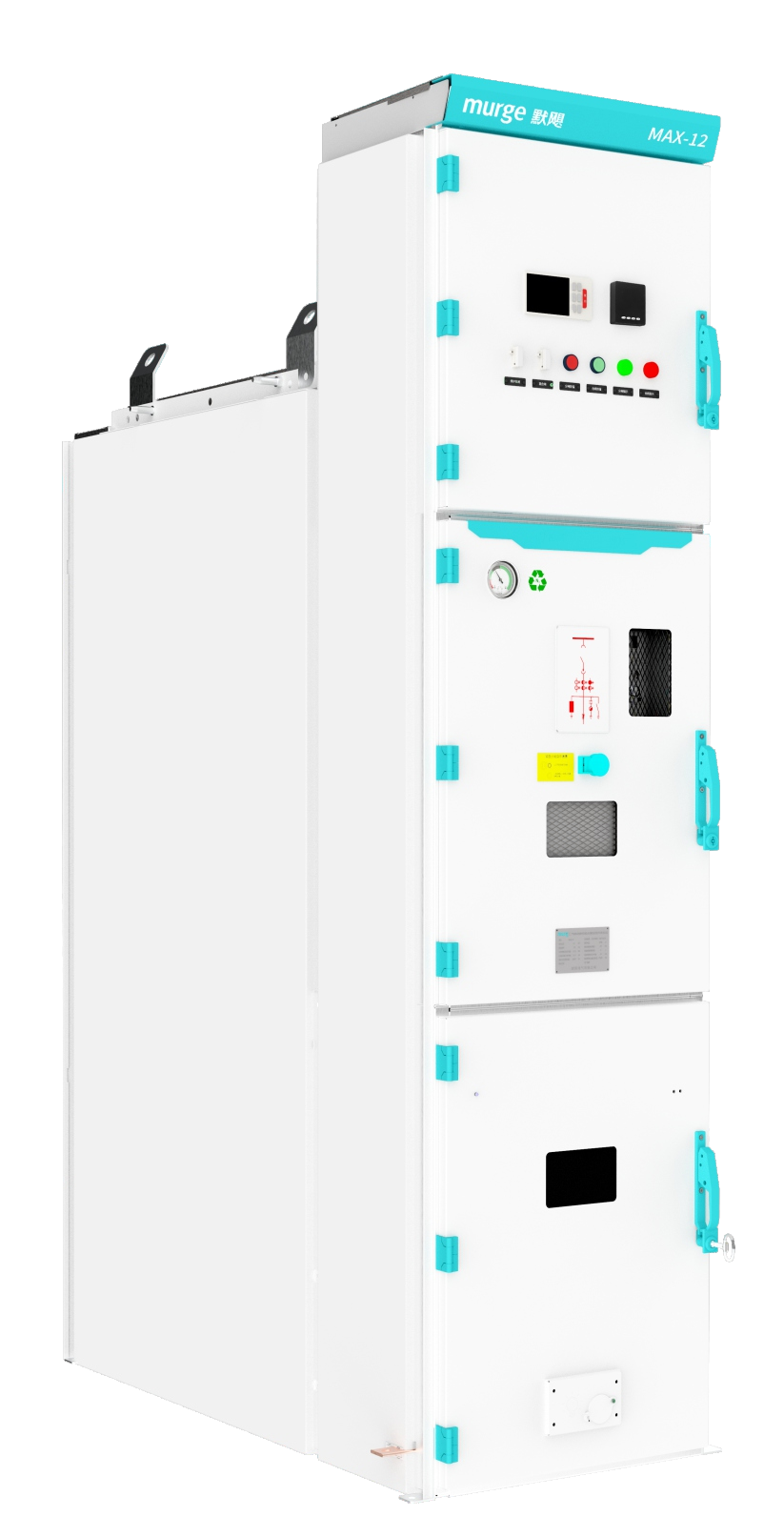
MAX-12 series Environmental Protection/SF6 gas insulated switchgear (C-GIS)
Murge Electric Co.,Ltd.
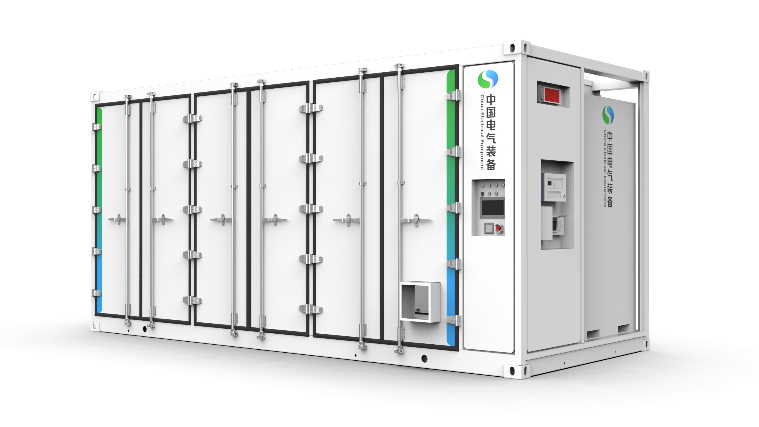
MESS8201-2507/5015-BN Prefabricated Liquid-cooled Energy Storage Battery Container
Xuchang Xuji Electric Science Energy Storage Technology Co., Ltd.

0.66kV Power Supply Instrument Transformer
Guangdong Sihui Instrument Transformer Works Co., Ltd.
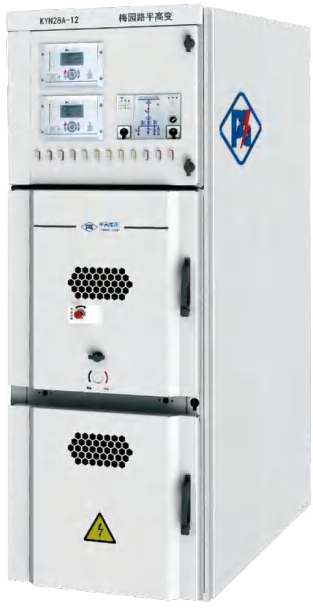
KYN28A-12 Metal Armored Removable Switchgear
Tianjin Ping Gao Intelligent Electric Co., Ltd.