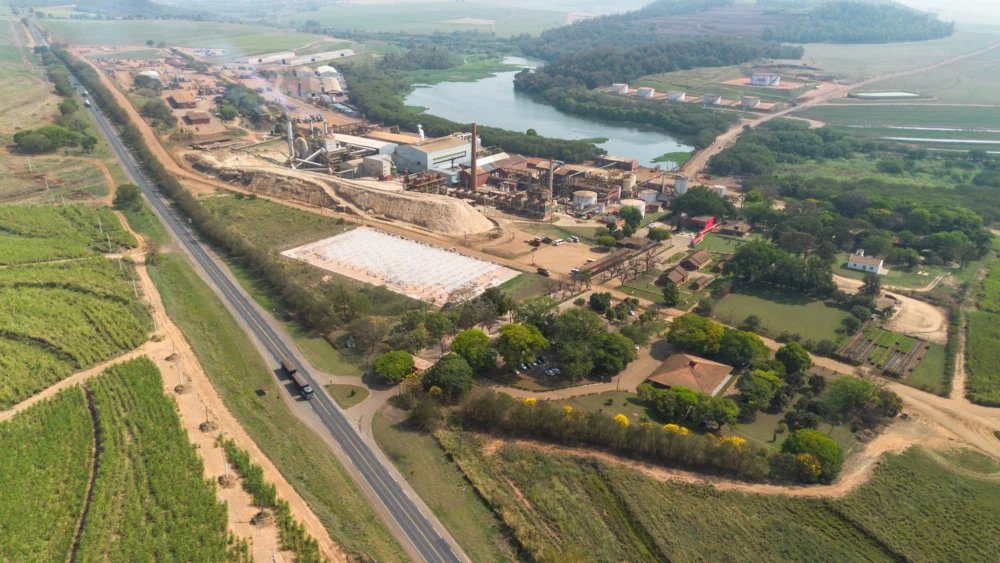
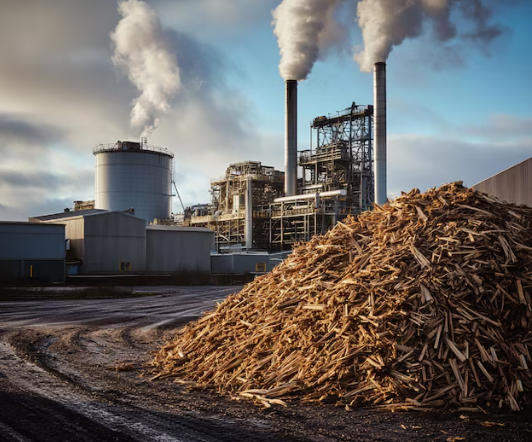
en.Wedoany.com Reported - Binatural, one of Brazil's leading biodiesel producers, called for expanding the use of biofuels across various economic sectors during the 32nd Fenasucro & Agrocana (São Paulo Sugar and Alcohol Energy Fair). The event was held at the Zanini Event Center in Sertãozinho, São Paulo State, with the 2026 edition bringing together more than 600 exhibiting brands, approximately 3,000 products, and visitors from over 80 countries.
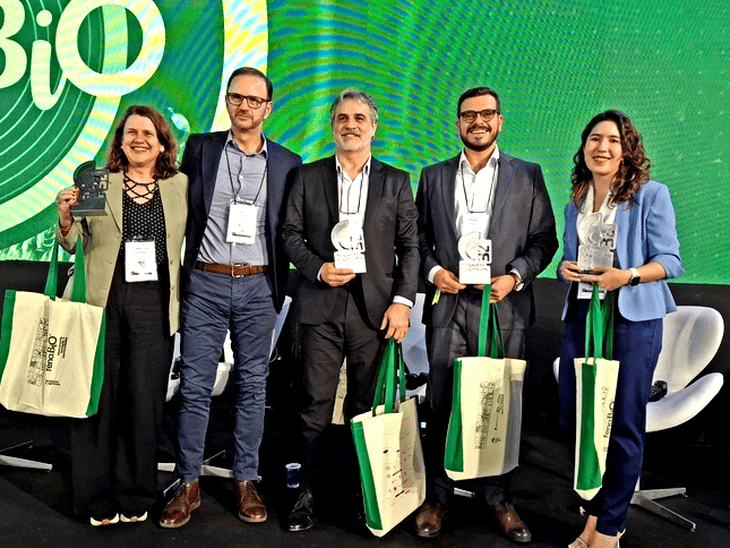
Binatural's Commercial Director, Manuel Viveiros, represented the company at Fenabio, the bioenergy conference held during the fair. In his remarks, he stated that Brazil's biodiesel industry already has the scale, technology, installed capacity, and raw material supply to expand its decarbonization contribution, noting that sectors such as maritime transport, rail transport, and thermoelectric power generation can adopt existing solutions to advance emissions reduction. Viveiros pointed out that the energy transition should not focus exclusively on technologies that will only reach scale in years to come, but should also value options that can deliver immediate results. He also serves as coordinator for alternative biodiesel uses at the Brazilian Union of Biodiesel and Biojet Fuel (Ubrabio).
"Biodiesel is already produced at scale in Brazil. When we look at industries that need to reduce emissions, there are solutions available right now. Expanding these applications is an opportunity to turn decarbonization into development," Viveiros said.
Maritime transport is one application scenario Viveiros highlighted. The shipping industry accounts for approximately 3% of global greenhouse gas emissions, consumes around 300 billion liters of marine fuel annually, and must achieve net-zero emissions by around 2050 in line with International Maritime Organization (IMO) targets. Biodiesel can be directly integrated into existing infrastructure and operations as a drop-in fuel, offering more immediate emissions reduction advantages than other technologies still under development. "Maritime transport does not need to wait until 2050 to start reducing emissions—biodiesel can begin this effort now. Every liter of fossil fuel we replace today means emissions reductions start counting immediately," Viveiros said. For end users, biodiesel also allows corporate climate goals to advance in parallel with the development of new technologies that may complement the maritime energy mix in the coming decades.
Regulatory changes have lowered the barriers to adopting new uses. The Future Fuels Law exempts applications such as rail transport, river and maritime navigation, closed fleets, mining, and power generation from the requirement of prior approval by the National Agency of Petroleum, Natural Gas and Biofuels (ANP). Interested parties in these segments only need to notify the ANP to use B100 or blends above the mandatory ratio. Viveiros said the simplified process has led to a notable increase in companies seeking advice on adopting biodiesel: "When we reduce barriers for companies that want to decarbonize, we create conditions for more businesses to actually learn about the possibilities of biodiesel."
Brazil's biodiesel industry has already accumulated significant scale. Since the launch of the national program, Brazil has produced over 90 billion liters of biodiesel, corresponding to a reduction of approximately 300 million tons of CO2 emissions, while avoiding more than US$45 billion in fossil diesel imports. The production chain supports over 300,000 family farmers, with 58 production plants and an annual installed capacity exceeding 15 billion liters. Viveiros stated that biodiesel is not merely a fuel substitution, but a nationwide production chain capable of reducing emissions, lowering import dependence, driving industrial development, and generating income for farmers—the more it is expanded into new sectors, the greater its contribution to Brazil's economy and energy security.
Binatural has been operating since 2006 and ranks among the top ten producers in Brazil's biodiesel industry, employing a diversified raw material portfolio and continuously investing in innovation, research, and development. In addition to biodiesel, the company produces fatty acids, glycerin, and soapstock (borra), with the first two exported to multiple international markets. The company has been listed for six consecutive years in the Financial Times' ranking of the 500 fastest-growing companies in the Americas, and holds ISCC certification as well as GPTW certification, the latter placing it among the top ten best companies to work for in Brazilian agribusiness.
Related Products

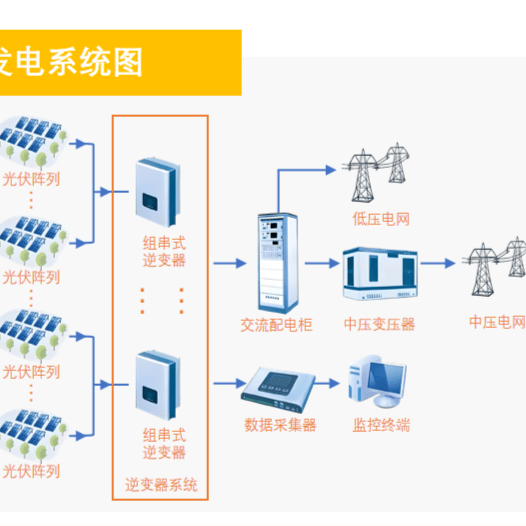
Photovoltaic and Wind Power Generation Technology
Beijing Boqi Electric Power SCI-TECH Co., Ltd.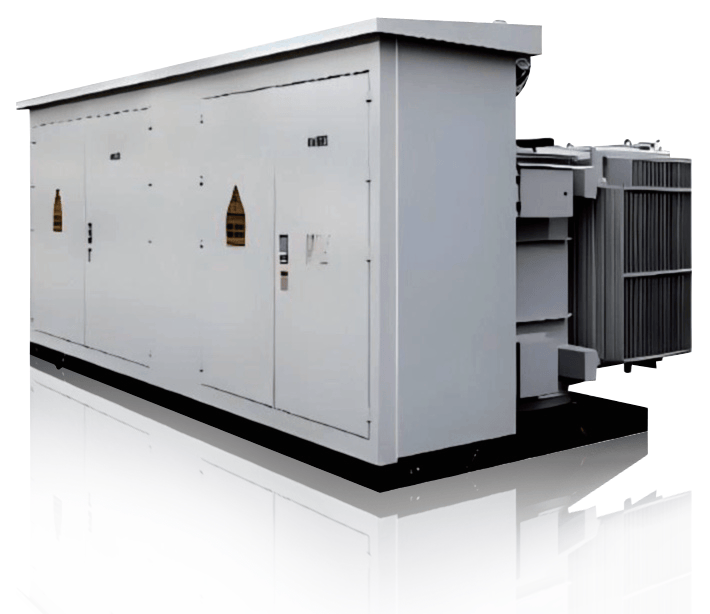
H-40.5/0.4~1.14kV New Energy Power Generation Dedicated High Voltage/Low Voltage Prefabricated Substation
XJ (Xiamen) Intelligent Power Equipment Co., Ltd.


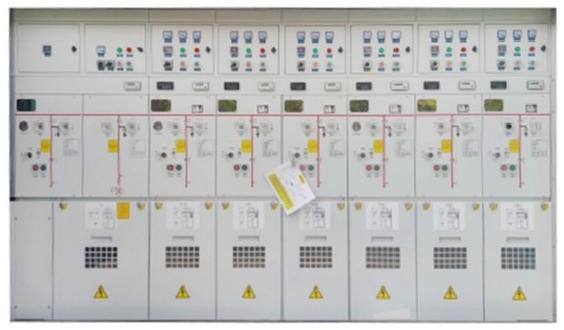
NISELA Series Environmentally Friendly Gas-Insulated Ring Main Unit
XJ DELISHIER ELECTRIC CO., LTD.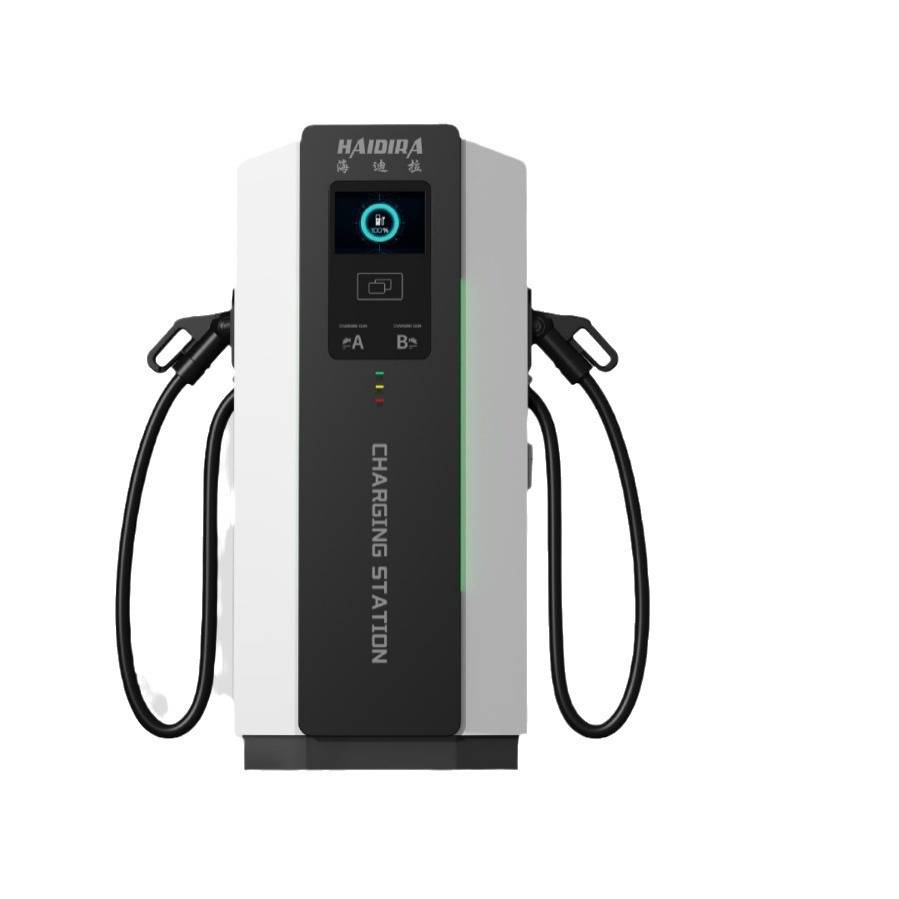
Manufacturer Direct Sales Tesla New Energy Electric Vehicle Universal DC 180kW Dual-gun Charging Pile Commercial Fast Charger
Anhui Haidira Electric Technology Co., Ltd.

"Shunyi 1600" Deep-submerging Bottom-sitting Multi-functional Wind Power Engineering Vessel
Zhengli Offshore Engineering Co., Ltd.