Montana Renewables Aims for 300 Million Gallons Annual SAF Capacity in the US
en.Wedoany.com Reported - The US sustainable aviation fuel (SAF) supply system has recently advanced on multiple fronts simultaneously: a federally backed plant in Montana plans to ultimately reach an annual capacity of 300 million gallons, a new blending facility in Minnesota has come online, and Shell Aviation and Delta Air Lines have signed a five-year cooperation agreement. These developments come against the backdrop of the Trump administration's inclusion of biomass alongside fossil fuels in its "American Energy Dominance" plan. Biomass has performed modestly as a power generation resource in the US, but in the form of corn ethanol, it is gradually pushing petroleum out of the American automotive market, and related industry players are now entering the SAF sector.
For a long time, SAF production has relied primarily on waste fats and oils such as animal fats and used cooking oil, with limited results; plant-based feedstocks have recently become more active, and winter camelina is one of them. This oilseed crop has been explored for use in jet fuel since the early 2000s.
Montana Renewables, a subsidiary of Calumet, had its project approved during the Biden administration. Despite the Trump administration's sharp cuts to the Department of Energy's $30 billion loan portfolio after taking office, the project remains one of the few cases continuing to receive DOE loan support. The company is advancing SAF production using tallow, corn distillers oil, canola oil, used cooking oil, and camelina oil as feedstocks. In the final days of the Biden administration in January 2025, the DOE issued a $1.67 billion loan guarantee to the company; the Trump administration briefly rescinded the loan after taking office, then restored it around February 12, 2025. In October 2024, the company announced that its MaxSAF™ blended fuel was ready for market, a mixture of 50% certified SAF and 50% conventional jet fuel, available to aviation hubs in Washington State, Oregon, and Montana.
Regionalized production and distribution are becoming key concepts in SAF cost control. Transporting large volumes of biomass to central refining facilities adds expense, as does shipping finished products out; a model combining regional feedstocks with regional offtake is therefore gaining favor. The newly established Minnesota Sustainable Aviation Fuel Hub, affiliated with the Greater Minnesota Partnership, targets an annual production of 1 billion gallons of SAF to supply Minneapolis-Saint Paul International Airport. The project relies in part on a state incentive of $1.50 per gallon, with Delta Air Lines as the anchor partner. The hub is also focused on winter camelina.
On July 27, 2025, the hub announced the completion of a new blending facility in Rosemount, Minnesota, with an annual processing capacity of up to 30 million gallons of neat SAF (unblended). The facility is responsible for blending neat SAF supplied by Shell Aviation with conventional jet fuel, which is then delivered via existing pipelines to Saint Paul International Airport. According to the hub, neat SAF must be blended, tested, and certified before entering the airport fuel supply system; this facility resolves a critical infrastructure bottleneck and enables Saint Paul airport to take advantage of Minnesota's SAF tax credit. A report from the World Resources Institute shows that inedible corn residues generated annually in the US Midwest would be sufficient to produce 3 billion gallons of SAF.
Shell Aviation's SAF footprint in the US extends beyond Minnesota. On July 15, 2025, Delta Air Lines announced a five-year cooperation agreement with Shell Aviation covering Los Angeles International Airport, Portland International Airport in Oregon, New York John F. Kennedy International Airport, and Boston Logan International Airport. The goal of the agreement is to shift SAF supply from one-off demonstration projects to routine airport operations. Shell will support the infrastructure and logistics involved in the distribution of neat fuel and blended fuel. The two parties will also jointly evaluate and advance next-generation SAF technology pathways such as alcohol-to-jet and power-to-liquid to increase supply and reduce lifecycle emissions.
In the e-fuels sector, US e-SAF activity has nearly stalled since the Trump administration took office, while Shell continues to advance e-fuel facilities in Europe. Infinium's Pathfinder project in Texas came online in 2024, and another project, the Roadrunner e-fuels facility, is under construction; as planned, it will produce 7.6 million gallons of e-SAF and other e-fuels annually. In the aviation sector, electrification is also putting pressure on fossil fuels, with both batteries and fuel cells playing a role.
In June, the US Department of Agriculture (USDA) confirmed guidelines for calculating the value of SAF and other biofuels produced through regenerative agriculture, with the Clean Fuels Alliance, a biofuels industry organization, among those supporting the rulemaking.
In contrast to the progress in the SAF sector, biomass remains sluggish in US power generation. Grid operator PJM recently announced that it has screened 715 power plant applications for further consideration, totaling 201.5 gigawatts of capacity and serving a region covering 67 million people; biomass was grouped into a combined category, accounting for only 1.1 gigawatts of that total. The US Energy Information Administration (EIA) projects that US biomass power generation will decline slightly in the coming years.
Related Products

Microcomputer Protection and Substation Automation
Beijing Agent Devote Power Technology Development Co., Ltd.

Prefabricated Houses and Electrical Energy Boxes
Chengdu Ruilong Machinery Manufacturing Co., Ltd.

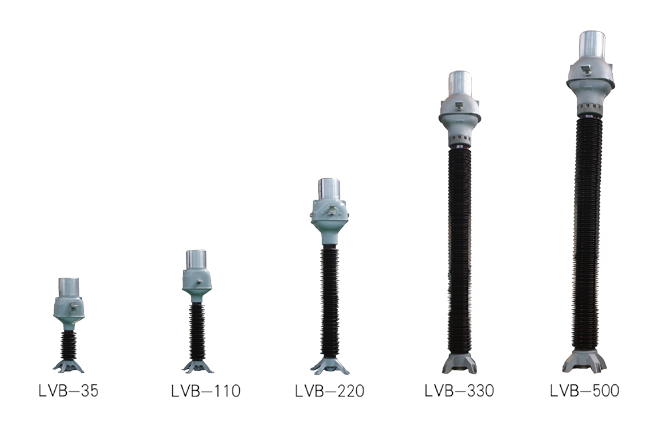
LVB Series 35-500kV Oil-immersed Inverted Current Transformer
Shandong Taikai Instrument Transformer Co., Ltd.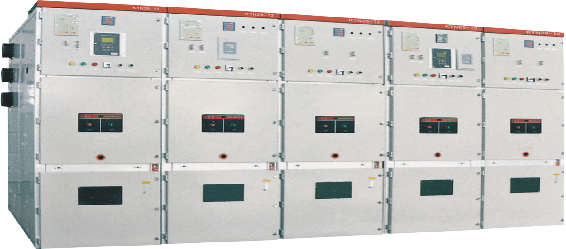
KYN28-12/24 Indoor High-Voltage Metal-Clad Removable Switchgear
Shenzhen Zhaoyang Hui Technology Co., Ltd.
Floating Boat Water Quality Automatic Monitoring System
Hebei Sailhero Environmental Protection High-tech Co., Ltd.
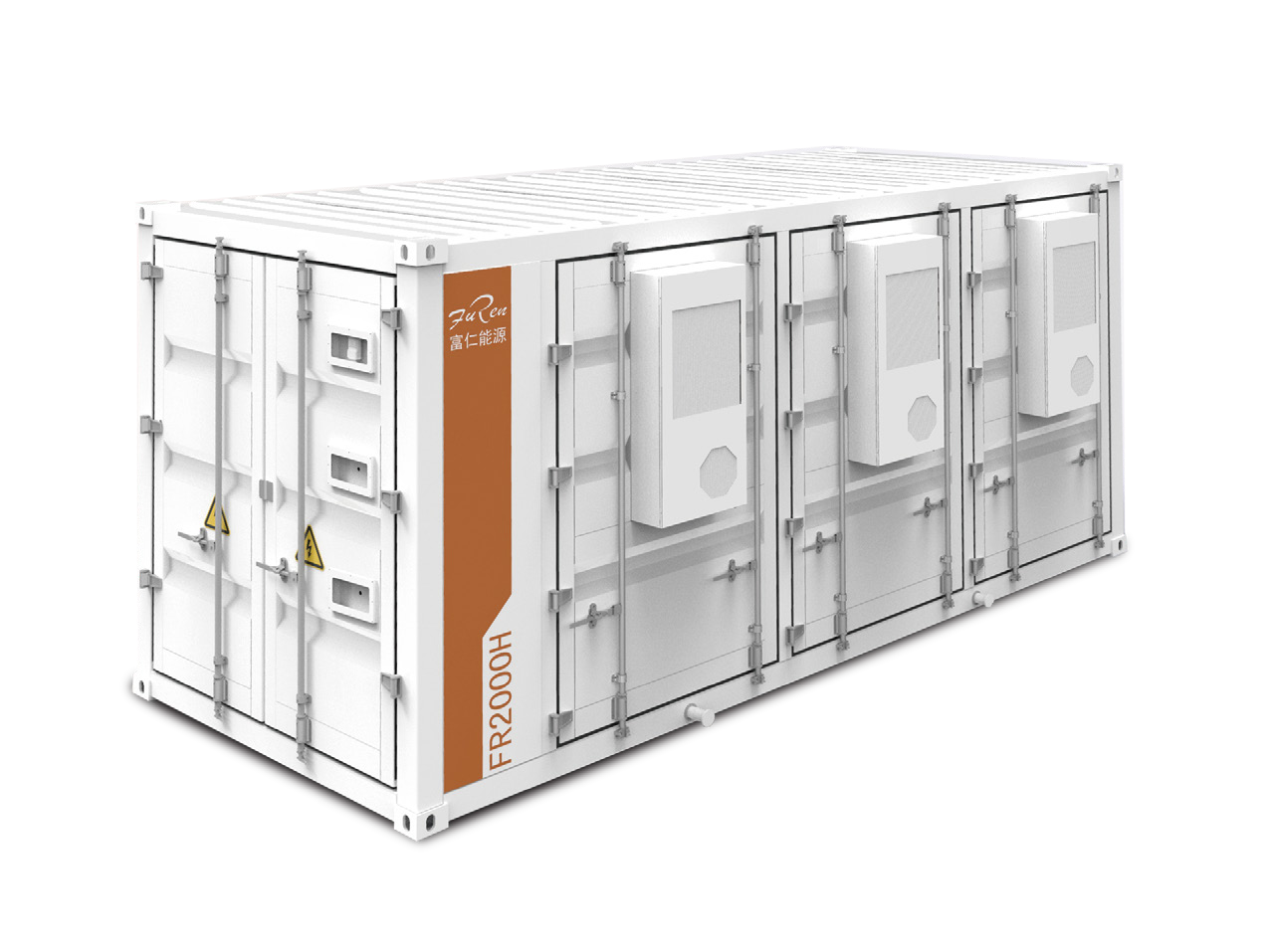
FR2000H 2.15MWh (Air-cooled) 20-foot Containerized Energy Storage System
Jiangyin Furen High-tech Co., Ltd.