en.Wedoany.com Reported - A research team at the University of Campinas (Unicamp) in Brazil has developed a genetic modification technology that can increase bioethanol production by nearly 30% compared to unmodified strains. The technology has been patented and licensed through Inova Unicamp, Unicamp's innovation agency, to the U.S. company Terragia Biofuel, which will be responsible for advancing the scale-up testing phase.
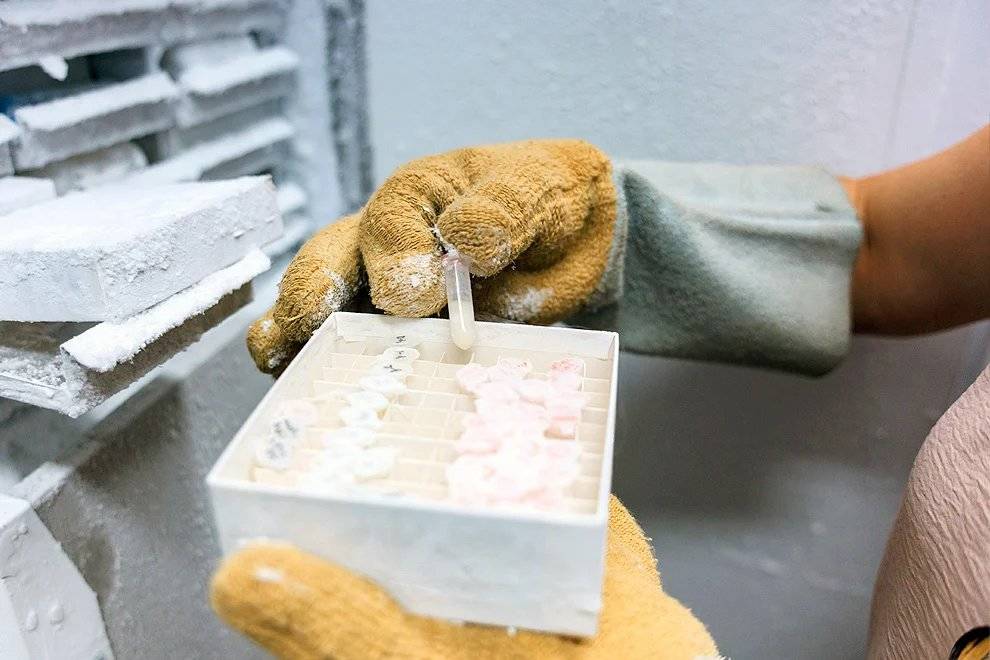
The achievement stems from doctoral research conducted by Layse Costa de Souza at Unicamp's Center for Molecular Biology and Genetic Engineering (CBMEG), as part of a research, development, and innovation agreement among Unicamp, Dartmouth College in the U.S., and Terragia Biofuel. The work is affiliated with the Advanced Second-Generation Biofuels Laboratory (A2G) based at Unicamp, funded by the São Paulo Research Foundation (Fapesp) through the São Paulo Excellence Chair (SPEC) program.
Second-generation ethanol (2G) is seen as a potential intermediate for sustainable aviation fuel and basic chemicals, but its production cost currently exceeds that of fossil fuels and first-generation ethanol. The conventional process uses waste materials such as sugarcane bagasse and straw as feedstock, relying on yeast fermentation, and requires high-temperature thermochemical pretreatment and the use of hydrolytic enzymes to break down hemicellulose and convert cellulose into glucose—two steps that significantly drive up costs. An alternative approach is consolidated bioprocessing (CBP), which replaces yeast with anaerobic thermophilic bacteria, allowing the microorganism to perform lignocellulose degradation and fermentation in a single process, eliminating the pretreatment step.
The CBP route has been studied for over three decades by the team of Professor Lee Lynd at Dartmouth College, focusing primarily on the bacterium Clostridium thermocellum. This organism efficiently degrades cellulose but naturally produces very low ethanol yields. Christopher David Herring, a researcher at Terragia Biofuel, noted that existing yeast fermentation is limited in the range of carbohydrates it can utilize, while these bacteria can ferment a broader variety of carbohydrates but require genetic engineering to achieve comparable efficiency. The team previously had limited understanding of the balance mechanisms of hydrogen and electrons in bacterial metabolism—a knowledge gap that constrained ethanol production.
To fill this gap, Brazilian and American researchers introduced a second bacterium, Thermoanaerobacterium thermosaccharolyticum. This organism is also anaerobic and thermophilic, characterized by its ability to efficiently produce ethanol, but it cannot degrade cellulose. The two microorganisms complement each other: one excels at degrading biomass, the other at producing ethanol.
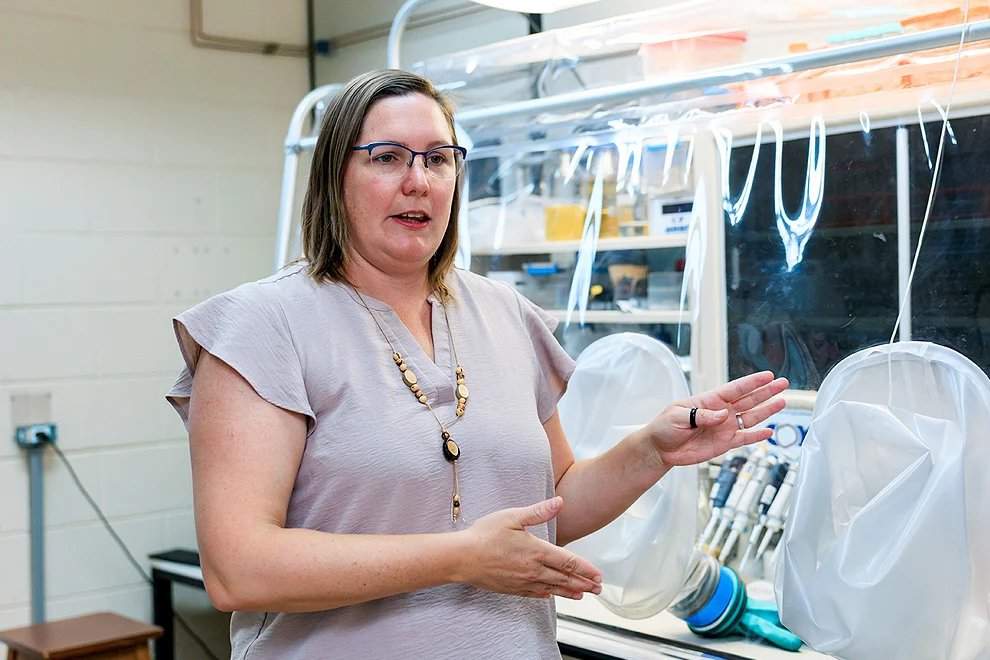
Souza spent one year of her doctoral studies as a joint fellow at Lynd's laboratory, having previously conducted two years of research in Brazil. During the joint fellowship, she mapped the metabolic pathways of the high-ethanol-producing strain, identified key proteins, and transferred the corresponding genes via plasmids into CBP bacteria that were not yet capable of efficient fermentation. In another portion of her experiments completed at Unicamp, she demonstrated through biochemical assays that the protein is a core component of the mechanism.
The research overturns an old assumption in microbial biochemistry: hydrogen-producing hydrogenases were previously viewed as competitors to ethanol synthesis because they divert electrons that could otherwise flow to the final product. The team identified a specific hydrogenase, HfsD, whose role is the opposite—without this enzyme, cells cannot recycle ferredoxin nor produce the cofactor NADPH required for the final step of the reaction. The hypothesis proposed on this basis, "redox balance through hydrogen cycling," was formally presented at Souza's doctoral thesis defense held in April 2026. Because HfsD generates excess cofactors requiring auxiliary proteins to balance the process, the team tested two strains carrying different gene combinations.
Bench-scale test results showed that the modified strains achieved nearly 30% higher yields than unmodified bacteria. Strain A2G-0053, after insertion of the key hydrogenase, saw its yield rise from 59.8% to 88.5% of the theoretical maximum. CBMEG researcher Luana Walravens Bergamo noted that previous modification attempts using heterologous proteins typically yielded improvements of only 5% to 10%, making this a more significant result.
The project currently focuses on ethanol production from sugarcane bagasse, though agave, corn stover, and eucalyptus leaves can also serve as substrates. Bergamo mentioned that a common challenge across all strains is determining the bacteria's production limits and the threshold at which ethanol accumulation causes feedback inhibition. Additionally, the competitiveness of the modified strains against invading bacteria in industrial bioreactors needs to be assessed. The next scale-up testing phase will be conducted by the U.S. company that licensed the technology, to verify whether bench-scale performance can be reproduced in large-scale batches.