Brazil completes first ocean-going vessel ethanol bunkering, export potential reaches R$75-150 billion
en.Wedoany.com Reported - In July, CMA CGM, Copersucar, AGEO Terminais, Santos Brasil, and Bunker One collaborated in Brazil to complete ethanol bunkering for an ocean-going container vessel equipped with a tri-fuel engine certified by Brazil, marking the first operation of its kind in the country. Brazil's ethanol industry now views maritime decarbonization as a new market opportunity.
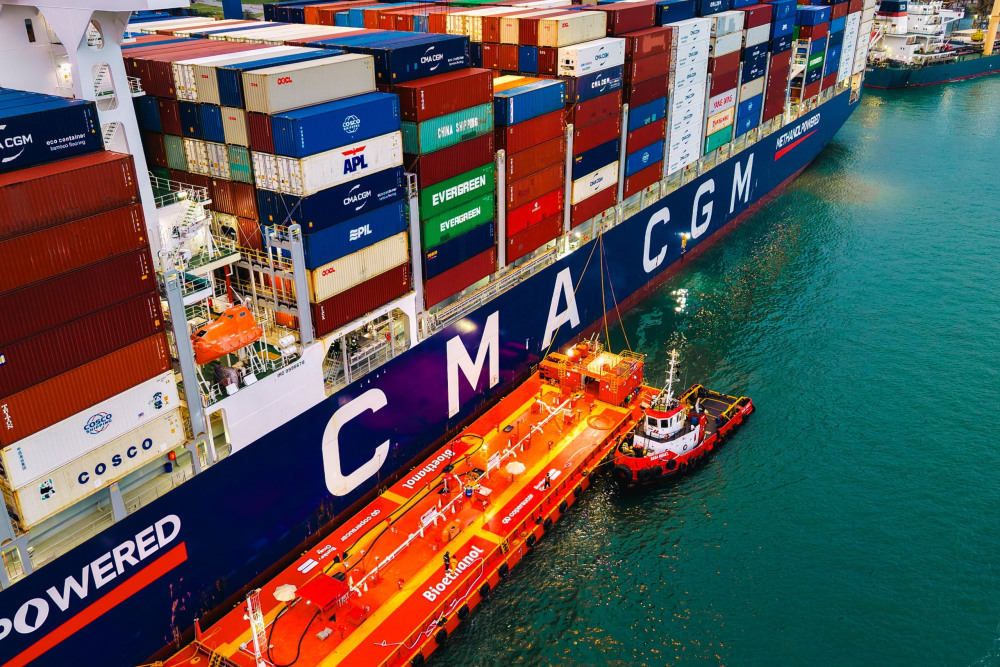
Industry estimates show that if the International Maritime Organization (IMO) recognizes biofuels as an alternative to fossil marine fuels, Brazil could earn R$75 billion to R$150 billion annually from marine ethanol exports. Gustavo Mariano, Vice President of Trade at Inpasa, projected at an event held by the National Confederation of Industry (CNI) on the morning of August 4 on maritime decarbonization and its implications for the production sector that, following approval of the IMO net-zero framework, Brazil's annual demand for biofuels from sugarcane and corn could rise to 25 billion liters. Inpasa, which has an installed ethanol capacity of 6.7 billion liters per year, is expanding its corn ethanol capacity and views shipping as a new market opportunity. The argument put forward by Brazilian business leaders and the government is that Brazil can lead the decarbonization of an industry that accounts for 3% of global emissions and more than 80% of international freight volume, with biofuels seen as a ready-made solution.
Mariano cautioned that seizing the window of opportunity requires advancing on at least three regulatory fronts simultaneously. Currently, the 176 IMO member states are discussing carbon pricing mechanisms and the creation of a fund for sustainable fuels, the European Union is advancing its own FuelEU Maritime mechanism, and Brazil has also taken its first steps in designing a marine fuel policy. The consensus among government and market participants is that the mechanisms need to be coordinated to avoid a patchwork of regulations.
At the international level, the IMO will resume negotiations in December that were postponed in 2025, planning to adopt a mechanism that would charge large vessels between US$100 and US$380 per ton of CO2, depending on the implementation of energy efficiency and emission reduction measures. The mechanism faces resistance from major oil-producing countries such as Saudi Arabia and Russia, as well as opposition from the United States—which, under Donald Trump's administration, has blocked climate agreements in all possible international forums. Bruno Arruda, Director of the Climate Change Negotiations Department at Brazil's Ministry of Foreign Affairs, stated that Brazil's position at the IMO supports a gradual transition, a stance currently incorporated into the negotiation proposal, which neither penalizes voyage distance nor blocks technology pathways such as biofuels.
Maersk and Wartsila are also studying marine ethanol alternatives, while hydrogen-derived products still need to scale up and achieve competitive pricing. These efforts help Brazil's industry reduce European resistance to biofuels while also highlighting the critical issue of price. Tomás Manzano, CEO of Copersucar, believes that a stable carbon market can make biofuels more competitive against volatile fossil fuel prices by pricing emissions. Domestically, shipping is expected to be included in the third phase of Brazil's Emissions Trading System (SBCE); Cristina Reis, Special Secretary for the Carbon Market, stated at the event that regulations on monitoring, reporting, and verification (MRV) obligations are in the public consultation phase, and industry feedback will help calibrate national policy.
At the CNI event, Defense Minister José Múcio pledged to intervene with the Federal Court of Accounts (TCU) to support the temporary increase of the mandatory anhydrous ethanol blend ratio in gasoline from 30% to 32% (E32). Múcio told business leaders present that he would speak with TCU Minister Bruno Dantas, as the decision is currently being challenged by the government.
The Energy Research Company (EPE) has registered 6,091 projects for the battery auction, totaling 296.8 GW of power. The first auction will be held on December 2, targeting energy storage systems that meet the minimum local content requirements of the National Bank for Economic and Social Development (BNDES); 5,296 such projects have been registered, totaling 261.408 GW. The Northeast region is the preferred destination for battery energy storage system (BESS) developers, with 71% of all registered capacity located in the region, which leads in renewable energy generation.
Research by the American Chamber of Commerce in Brazil (Amcham Brasil) shows that the expansion of investments in Brazil's critical minerals and rare earth supply chains could add R$192.1 billion to the country's Gross Domestic Product (GDP) by 2050 and create 750,000 new jobs.
To support the Mercosur-European Union agreement, the Ministry of Development, Industry, Trade and Services (MDIC) launched a public consultation on August 3 to help define the Mercosur list of sustainable products. Submissions are due by September 2. The list aims to identify products that contribute to the protection and restoration of forests and other vulnerable ecosystems.
Related Products
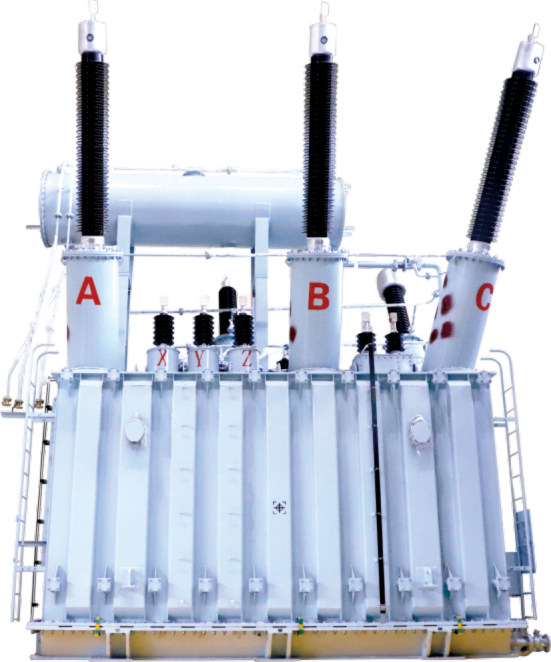


0.66kV Power Supply Instrument Transformer
Guangdong Sihui Instrument Transformer Works Co., Ltd.
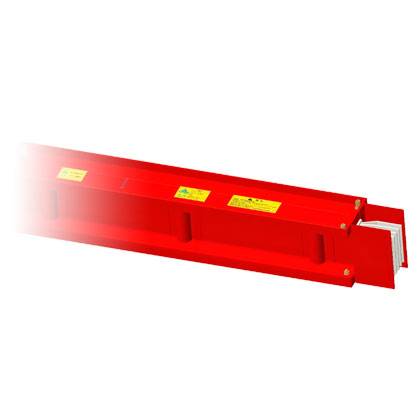
Mineral-insulated Compact Busway (Fire-resistant Busduct)
Zhuhai Guangle Electric Busway Co., Ltd.
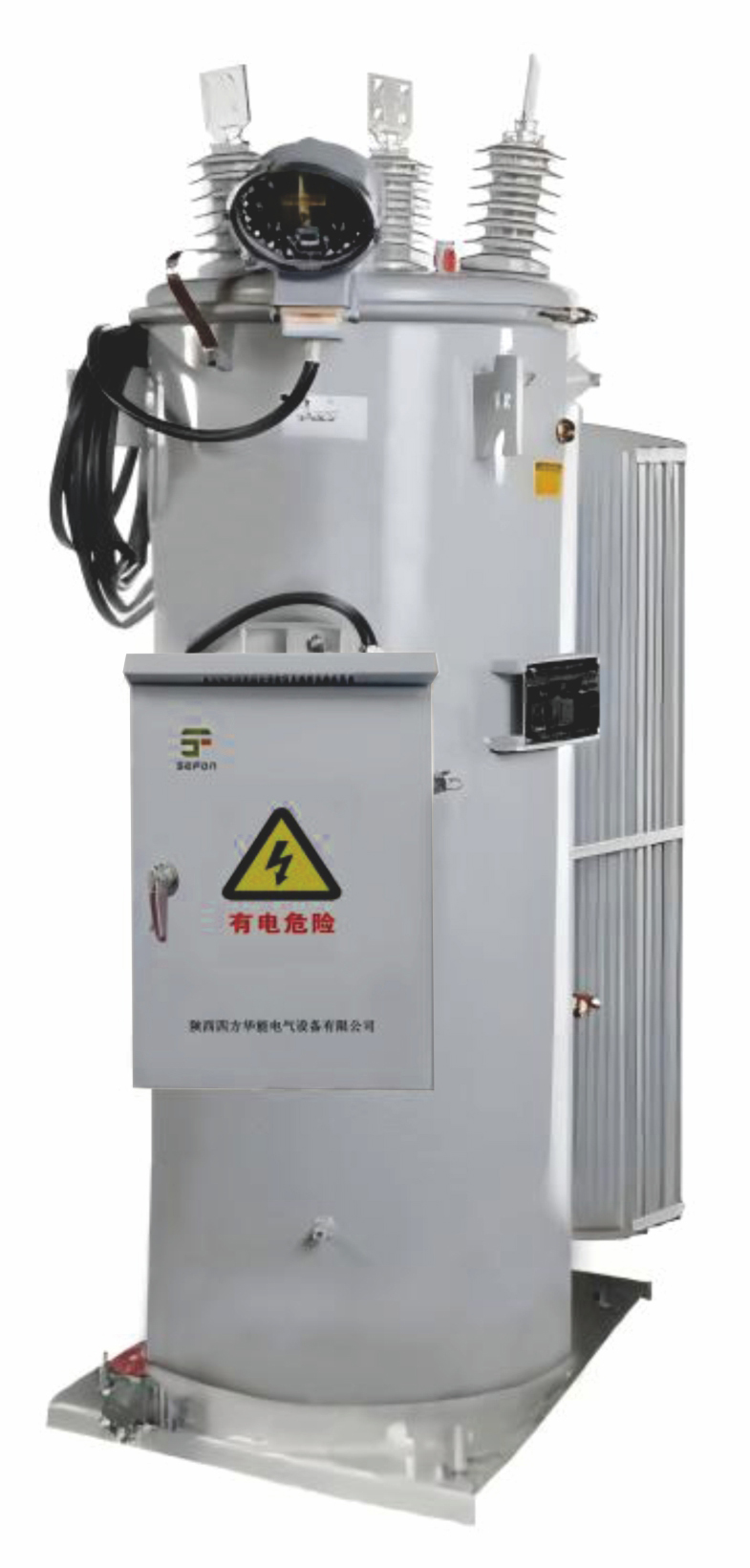
Single-Phase Automatic Voltage Regulator(AVR)
Shaanxi Sefon Electrical Equipment Co.,Ltd.
220kV Composite Outdoor Cable Terminal
Shenyang Guolian Cable Accessories Manufacture Co., Ltd.