Kuehne+Nagel and CATL Sign Strategic Cooperation Memorandum to Launch Heavy-Duty Truck Battery Swap Pilot
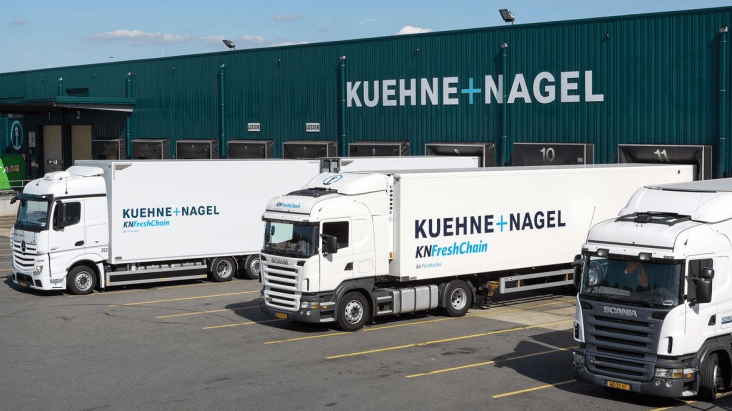
en.Wedoany.com Reported - On September 24, Kuehne+Nagel announced the signing of a strategic cooperation memorandum of understanding with CATL. The two parties will collaborate in areas including battery logistics, electrification of road transport, and emissions reduction. The first batch of cooperation initiatives includes the electrification of CATL's European transport operations and a heavy-duty truck battery swap pilot supported by CATL's Qiji Battery Swap, with the latter planned to launch in China within 2026.

In terms of European operations, the two parties plan to advance the electrification of road freight along CATL's existing logistics and transport flows. Kuehne+Nagel will provide road transport and logistics operational capabilities, while CATL will provide power batteries and related new energy technology support. The cooperation did not disclose the specific European countries involved, the number of routes, vehicle scale, or implementation timeline.
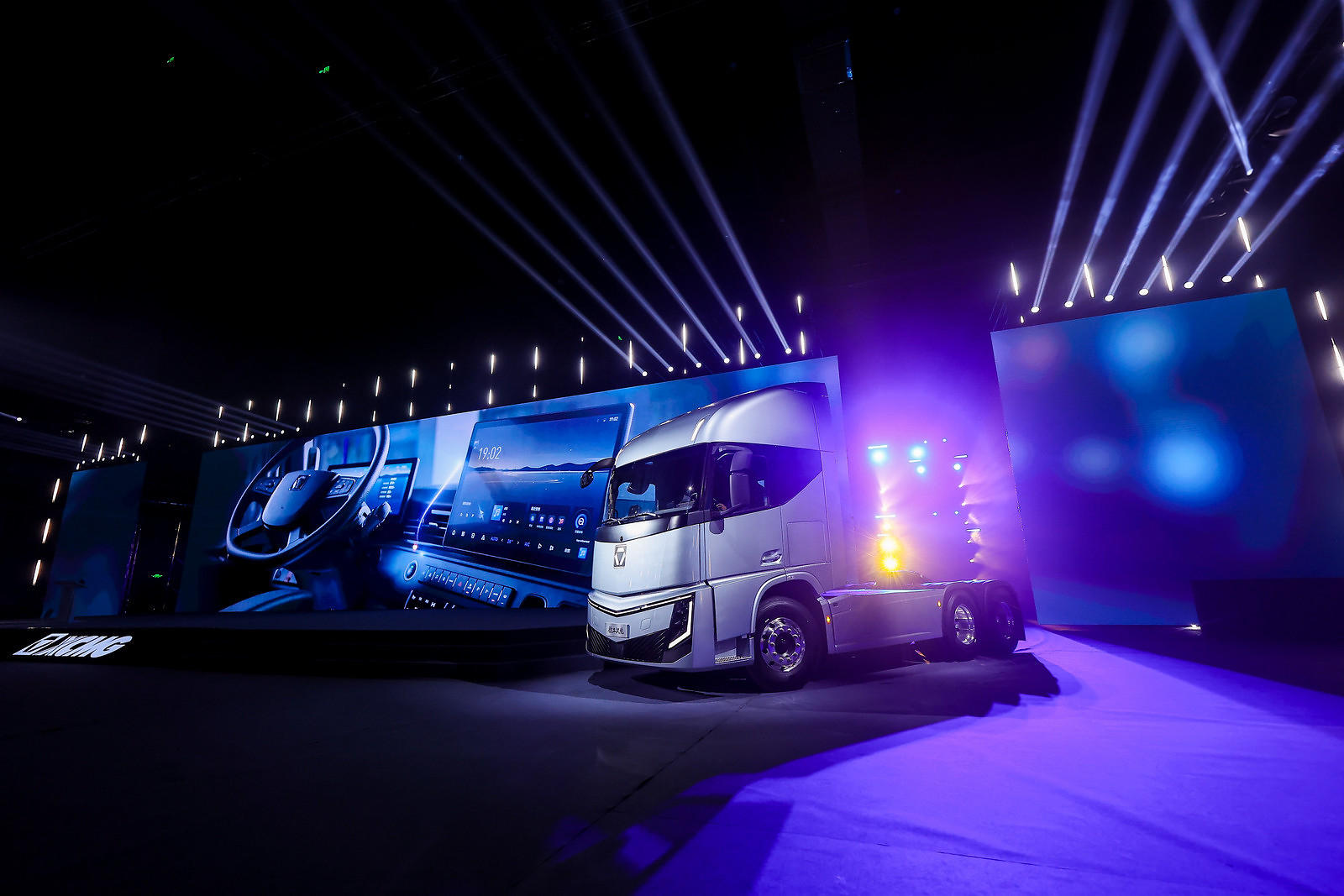
The heavy-duty truck battery swap pilot in China will introduce the Qiji Battery Swap system. CATL disclosed that as of the end of 2025, Qiji Battery Swap has built more than 300 battery swap stations in China, covering 26 provinces, and has launched more than 30 standardized battery swap vehicle models with over 10 automakers including FAW Jiefang and Shacman, primarily targeting trunk-line logistics and heavy-duty truck scenarios. This cooperation corresponds to a new application node between Kuehne+Nagel's road freight operations and the existing battery swap network.
The scope of cooperation also extends to the full lifecycle management of power batteries. The memorandum explicitly includes battery recycling, after-sales service, and energy storage and charging solutions for logistics parks. Kuehne+Nagel's existing battery logistics business covers inbound logistics for new battery cells and batteries, after-sales distribution, and the recycling and transport of used and faulty batteries, enabling it to handle logistics segments from battery production and use through to recycling.
Energy facilities at logistics parks are also an independent direction of this cooperation. The two parties plan to study the deployment of energy storage systems and charging infrastructure at logistics sites to support electric truck charging and park energy management. Currently, the two parties have not yet disclosed the capacity of the first batch of energy storage projects, the number of charging facilities, construction locations, or investment scale.
Related Products
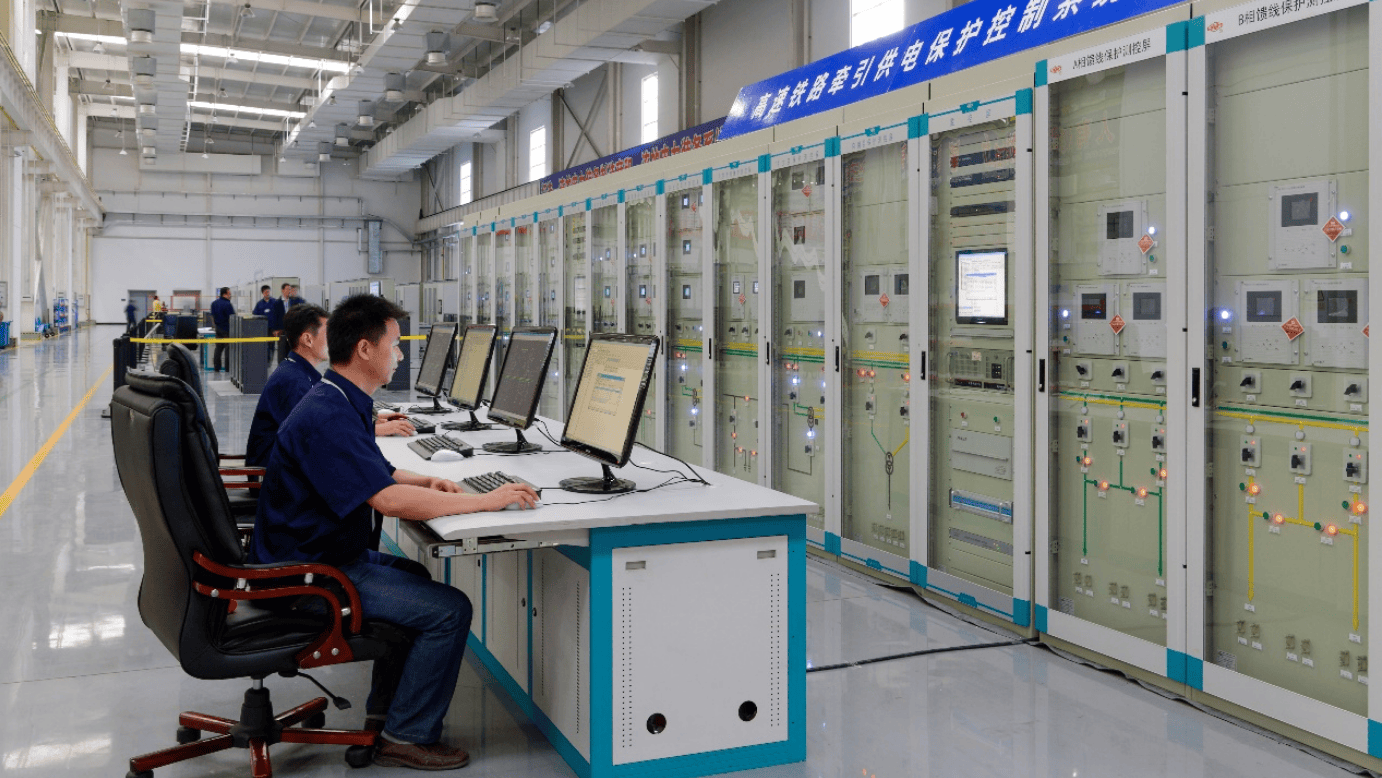

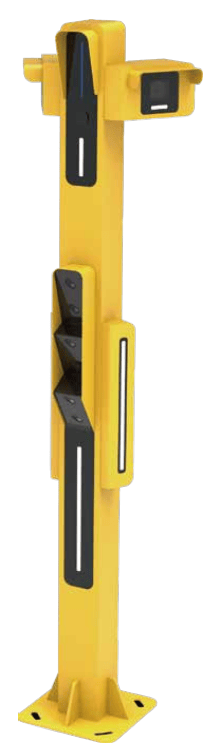
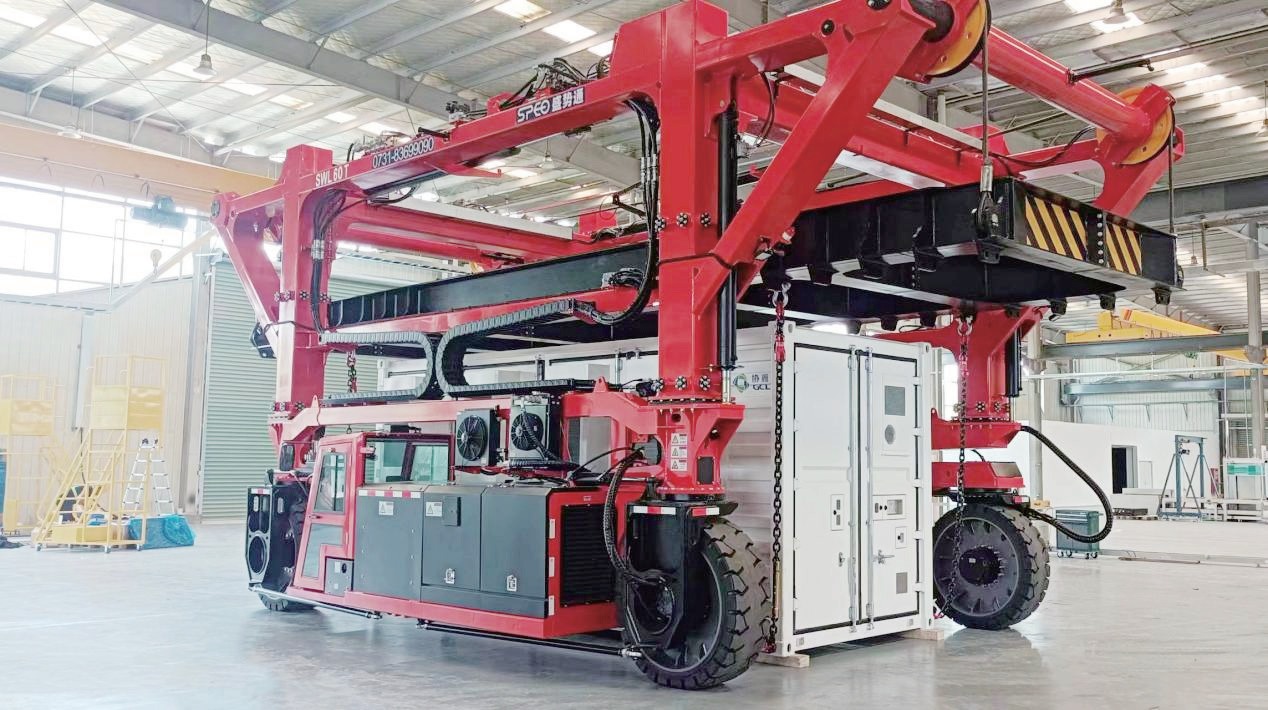

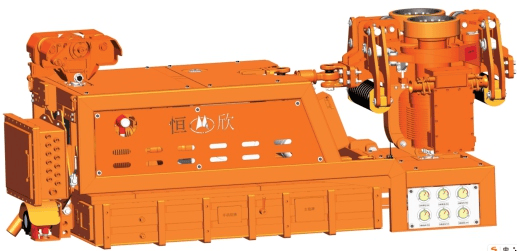
Explosion-proof lithium battery dispatching monorail crane locomotive (permanent magnet frequency conversion integrated machine)
Xiangtan Hengxin Industrial Co., Ltd.
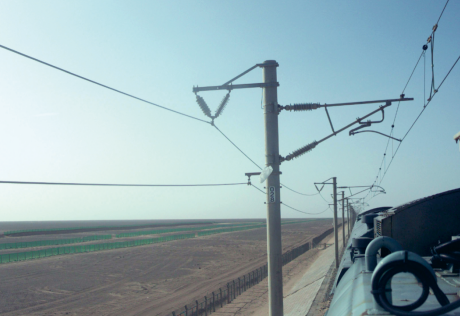
Pantograph-Catenary Comprehensive Detection Device (1C)
CHENGDU TANGYUAN ELECTRIC CO., LTD.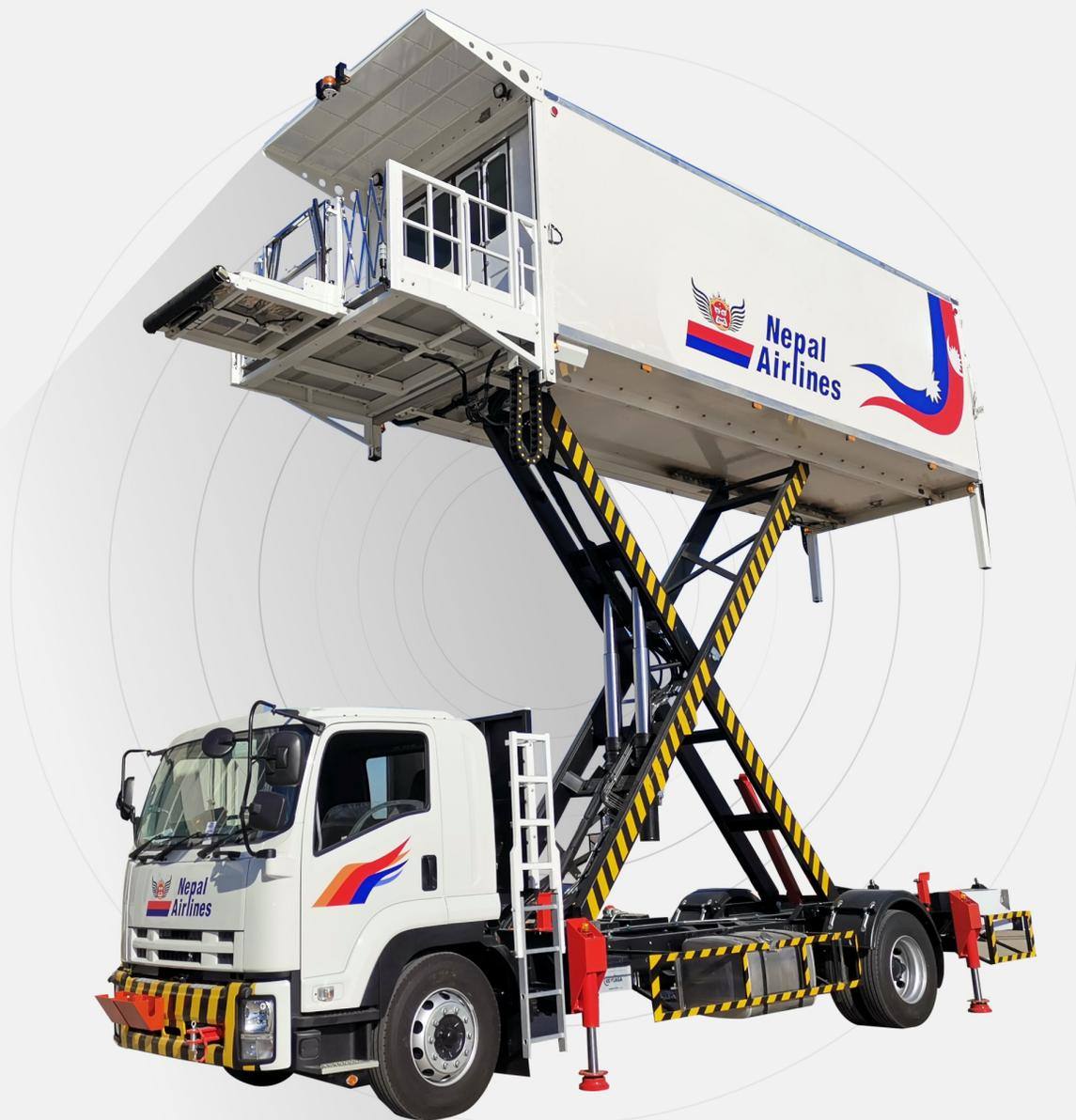
XC-6000e Type Aviation Catering Truck (Fuel Type)
Shenzhen CIMC-TianDa Airport Support Ltd.